Updated July 10, 2026

3D Roofs Editorial Team
Editorial Standards
A shingle roof in New Hampshire can last for many years, but the real answer depends on weather stress, attic conditions, installation details, and how quickly small problems get fixed. Snow, ice, wind, heavy rain, and seasonal temperature swings all work against your roof over time. Those conditions can stress shingles, flashing, roof penetrations, and attic ventilation. If water gets past aging materials or vulnerable details, damage can spread faster than many homeowners expect.
How long does a shingle roof last in New Hampshire?
It lasts as long as its materials and details can keep handling New Hampshire weather without letting water in. A roof with strong installation, solid ventilation, and regular inspections will usually outlast one with shortcuts or neglected repairs. In this climate, it is smart to think less about a perfect lifespan number and more about condition. Two roofs installed in the same year can age very differently if one faces repeated ice buildup, wind exposure, and poor attic airflow.
What makes shingles wear out faster in New Hampshire?
The biggest causes are weather stress and trapped moisture. New Hampshire roofs deal with snow, ice, wind, heavy rain, and seasonal temperature swings. Wind can damage roof coverings, and water can become a bigger problem when it gets past aging materials or vulnerable details. Freeze and thaw cycles can open small pathways around shingle edges, flashing, chimneys, and roof penetrations. Ice can back water up near the eaves. Summer heat and winter cold can also make materials expand and contract over and over, which wears down seals and exposed components.
- Wind can loosen, crease, or tear shingles.
- Ice and snow can push water into weak spots near eaves and flashing.
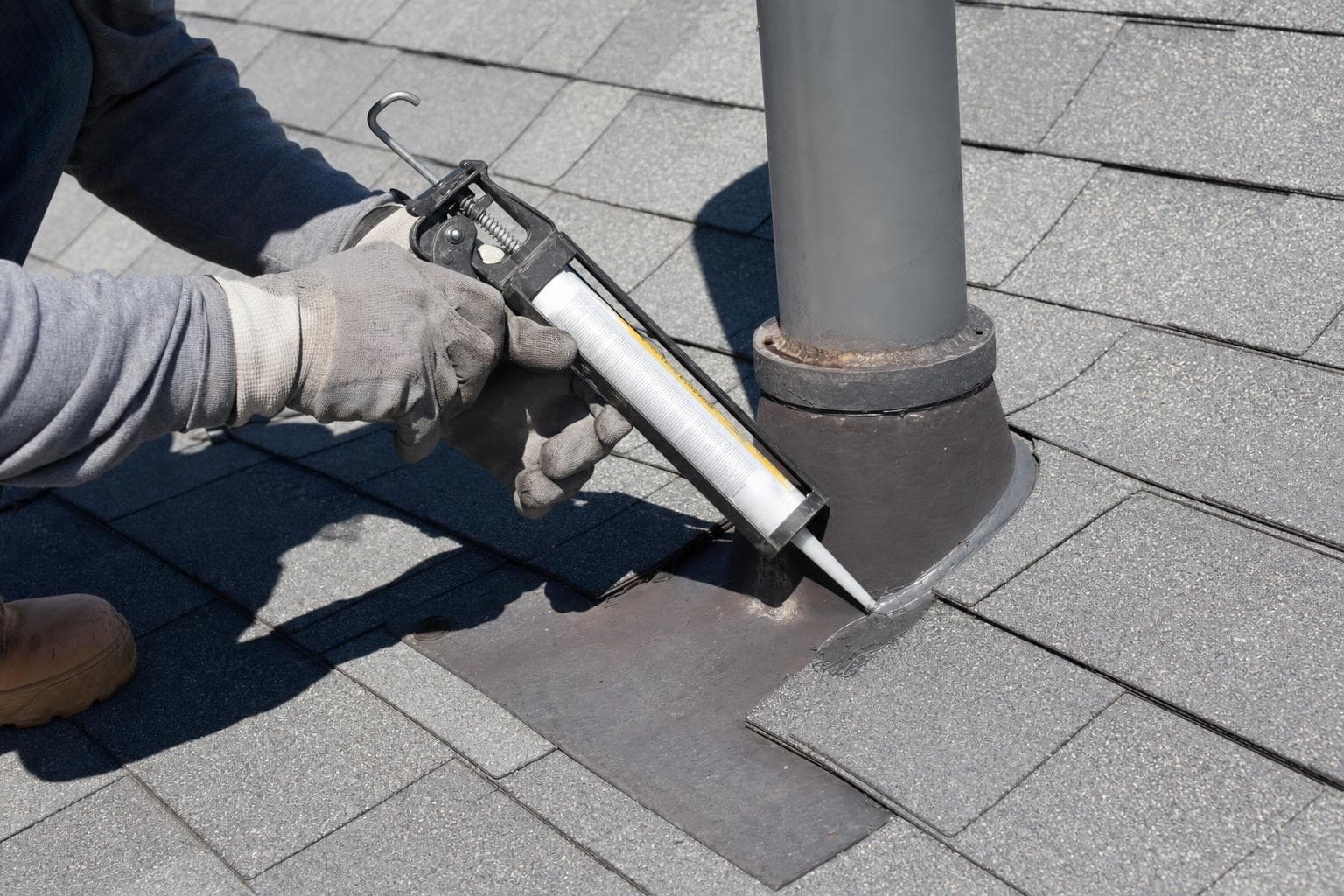
- Heavy rain tests every exposed seam, pipe boot, valley, and wall intersection.
- Temperature swings can age seal strips and make brittle shingles crack sooner.
- Poor attic ventilation can trap heat and moisture, which shortens roof life from the inside out.
Does roof quality and installation matter as much as weather?
Yes, it matters just as much. A roof is not just shingles. Its lifespan also depends on underlayment, flashing, ridge and intake ventilation, fastener placement, and how carefully penetrations are sealed. A qualified local roofing contractor should look at the whole system, not just the surface. Bad nailing, missed flashing details, and weak ventilation often do not show up right away, but they can take years off a roof once New Hampshire weather starts testing it.
Talk to a roofer today
Planning ranges, scope details, and a direct path to request a roofing quote.
What homeowner issues shorten a shingle roof's life?
Skipped maintenance and delayed repairs are common reasons a roof ages out early. A small issue often stays affordable if you catch it fast. Wait too long, and the problem can spread into decking, insulation, ceilings, and interior finishes. It also helps to keep expectations realistic after a storm. The New Hampshire Insurance Department says most homeowner policies cover damages to the dwelling caused by tornadoes or other wind damage. The department also says an insurer is only obligated to pay the cost of repairing the part of your roof that was damaged by a covered peril. If the entire roof needs replacing because of normal wear and tear, you will be responsible for paying the additional cost.
- Ignoring missing or lifted shingles after wind.
- Letting minor leaks continue through one or more seasons.
- Poor attic airflow that traps moisture.
- Improper past repairs that patch symptoms instead of fixing details.
- Tree debris and clogged drainage paths that keep areas wet longer.
What are the signs your shingle roof is aging out?
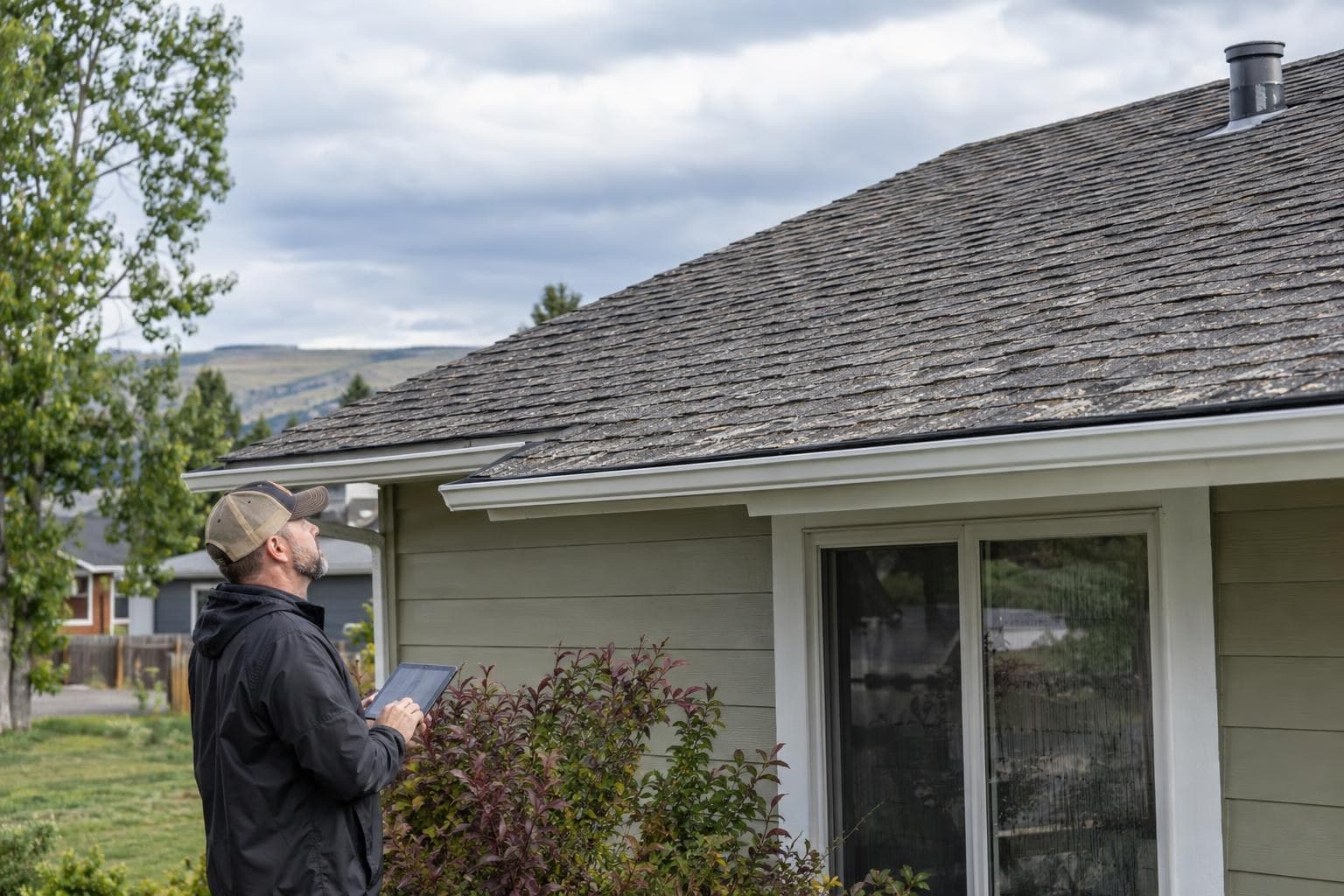
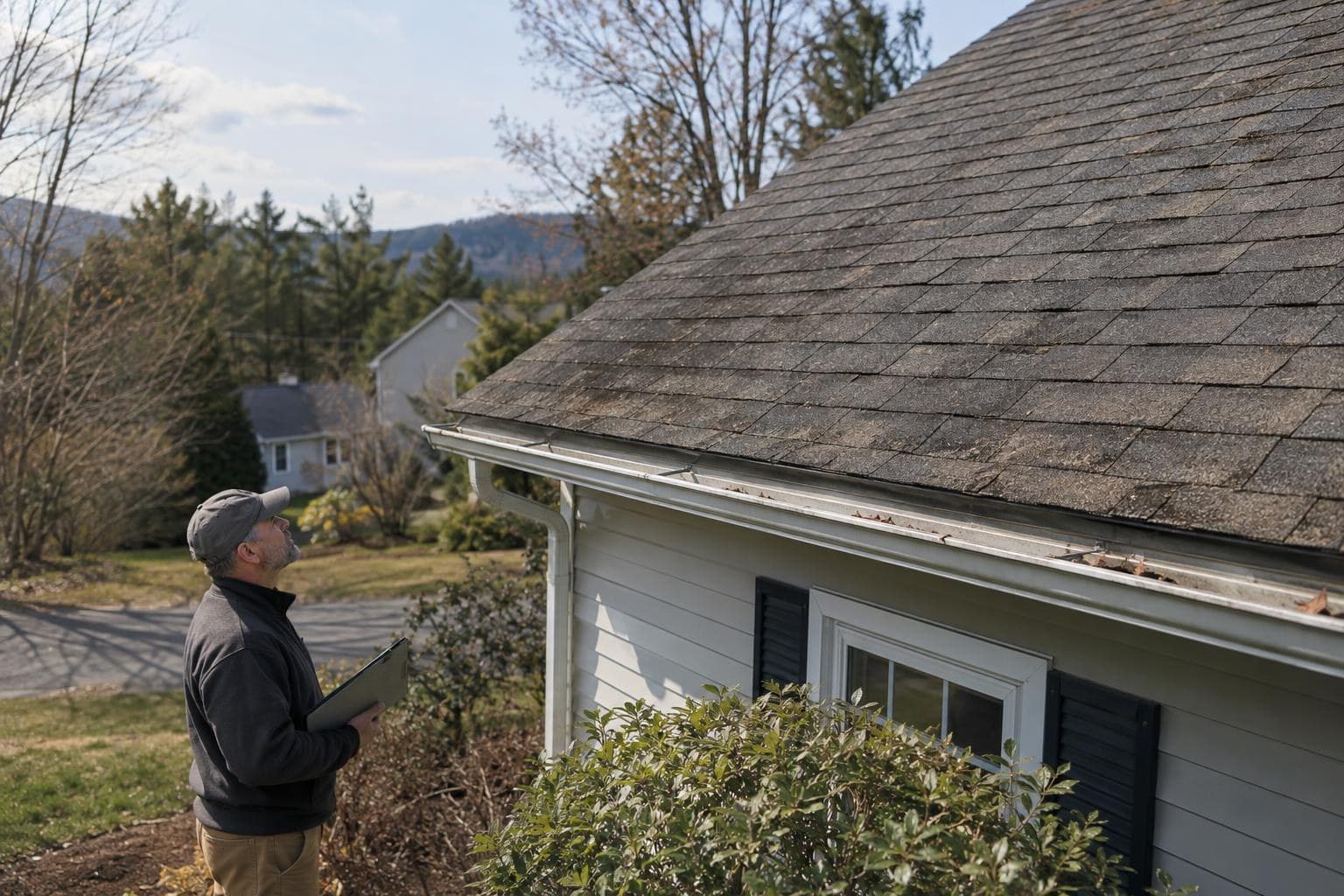
The clearest sign is that problems are becoming more frequent and more widespread. One isolated repair does not always mean replacement. But when shingle loss, granule wear, flashing trouble, soft spots, recurring leaks, and visible aging all start showing up together, your roof may be nearing the end of its useful life. Inside the home, stains, damp attic insulation, and musty odors can be early clues that the roof system is no longer keeping water out reliably.
- Shingles that are curling, cracking, torn, or slipping out of place.
- Bald-looking areas where granules have worn away.
- Repeated leaks around chimneys, walls, valleys, or vent pipes.
- Visible sagging or soft decking underfoot.
- Storm damage on an already worn roof.
- Repairs that keep stacking up without solving the larger issue.
Should you repair the roof or replace it?
Repair it when the damage is limited and the rest of the roof is still in solid condition. Replace it when wear is broad, leaks are recurring, or storm damage hits a roof that was already near the end of its life. In many cases, an inspection is what makes the decision clear. When planning a shingle condition and replacement plan in New Hampshire, ask how roof shape, staging, weather, inspections, and concealed deck conditions affect both duration and labor. Use the current New Hampshire cost page and calculator to plan a shingle condition and replacement plan in New Hampshire, then require the measured scope to explain any meaningful difference.
Is it worth upgrading to Class 4 shingles in New Hampshire?
It can be worth it if you want stronger impact resistance and you plan to stay in the home long enough to value the upgrade. In a state where wind and storm exposure matter, some homeowners like the extra margin. If you are considering Class 4 impact-resistant shingles, ask your insurer whether that roof material qualifies for any premium discount or underwriting benefit. Carriers set their own discounts and eligibility rules, so you should confirm the details with your insurer before you buy. Do not assume a statewide Class 4 credit in New Hampshire; ask the carrier to verify eligibility and paperwork for the exact product and policy.
What should you know about insurance and roof aging in New Hampshire?
You should know that insurance usually helps with sudden covered damage, not normal roof wear. The New Hampshire Insurance Department says the nonrenewal of a homeowner's insurance policy is not allowed if the nonrenewal is based solely on the insured having filed a single valid claim within any one previous or current policy term. The department also says homeowners policies do not cover most flooding, and that you need a separate flood insurance policy to protect your home and belongings against flood damage. If your property has flood exposure, that risk needs to be reviewed separately from roof damage. If you run into claim handling problems after roof damage, the New Hampshire Insurance Department says complaints should be submitted in writing to the department, and that staff can answer insurance-related questions and provide guidance and information.
How do you choose the right roofer when your roof is nearing the end?
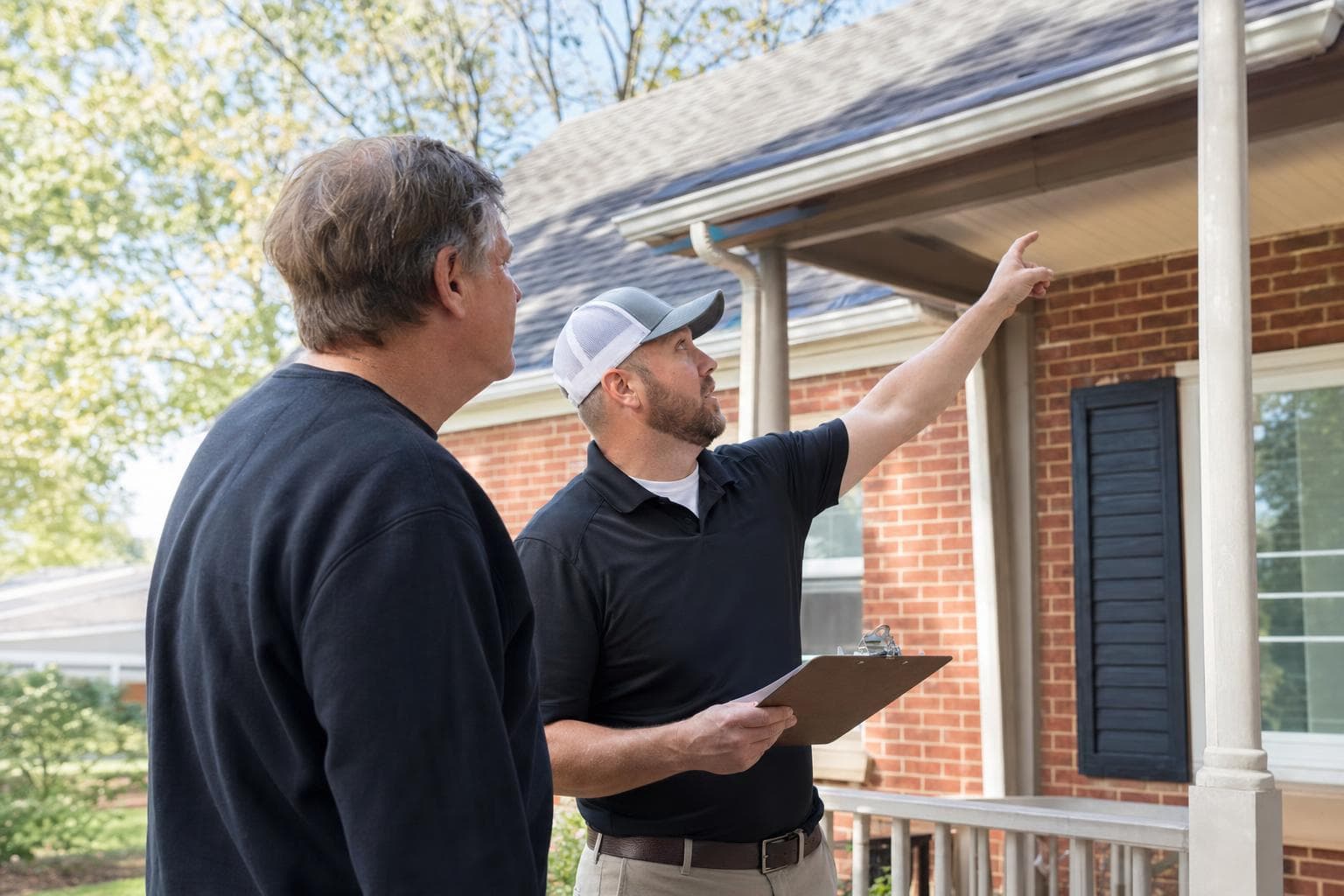
Start by slowing the process down and getting the details in writing. New Hampshire homeowners need to vet roofers carefully because, according to the New Hampshire Department of Justice, contractors do not need to be licensed in the state. Get at least three written, itemized estimates. Ask for references from past jobs and suppliers. Ask for proof of insurance. Check the roofer's address and phone number. Make sure you have a written contract before work starts or money changes hands, and confirm that it includes the scope of work, materials, total price, and payment schedule. Be cautious if someone shows up door to door, pushes you to sign right away, asks for a large deposit upfront, wants full payment before completion, insists on cash or electronic payment apps like Zelle or Venmo, or gives a vague proposal.
The bottom line is simple: in New Hampshire, a shingle roof lasts longest when it starts with good installation, has proper attic ventilation, and gets inspected before minor damage turns into leaks. If your roof is showing its age, now is the time to compare repair versus replacement and get clear numbers. A local contractor whose credentials you verified can inspect the roof, explain what is normal aging versus storm damage, and help you plan the next step with current local cost ranges in mind.
Sources
- Asphalt Roofing Manufacturers Association: Residential Asphalt Roofing Manual: Ventilation Best Practices
- Insurance Institute for Business & Home Safety: Natural Weathering and Hazard Exposure
- New Hampshire Insurance Department, Homeowners and Renters Insurance
- New Hampshire Insurance Department, Flood and Storm Information
Reviewed technical references for New Hampshire
Related New Hampshire roofing guides
Related services
Updated July 10, 2026
3D Roofs Editorial Team
Editorial Standards