Updated July 27, 2026

3D Roofs Editorial Team
Editorial Standards
A shingle roof in New Jersey lasts as long as the materials, installation quality, ventilation, and storm exposure allow. In plain terms, some roofs keep performing well for years, while others wear out early because the state puts them through wind-driven rain, storm gusts, hail, and seasonal temperature swings. Near the shore, storms can push wind and water hard against roof edges, flashing, and penetrations. Inland, repeated wet weather can expose weak spots around valleys, chimneys, and older shingles. If you want your roof to last longer, the big things to watch are storm damage, moisture entry points, attic heat buildup, and small failures that go unrepaired.
How does New Jersey weather affect shingle roof lifespan?
New Jersey weather shortens roof life by stressing shingles from several directions at once. Wind can lift or crease tabs. Wind-driven rain can work under exposed edges and flashing. Hail can bruise or crack the surface. Seasonal temperature swings expand and contract roofing materials, which can open up vulnerable areas over time. That matters most at roof edges, around vents and chimneys, and in valleys where water naturally concentrates. Even when a storm does not tear off shingles, repeated exposure can slowly age the roof until leaks start showing up.
What usually makes a shingle roof wear out faster?
The biggest roof-life killers are trapped moisture, storm hits, poor ventilation, and neglected repairs. Once shingles lose granules, curl, crack, or loosen, they become easier for the next storm to damage. Flashing problems also speed things up. A roof often does not fail all at once. More often, it ages out piece by piece, starting at penetrations, valleys, ridge areas, and exposed slopes. If your roof has already had a few patch repairs, those repaired spots can tell you where the system is under the most stress.
- Wind-driven rain at edges, flashing, and penetrations
- Storm gusts that lift, crease, or loosen shingles
- Hail that bruises the shingle surface
- Repeated wet weather around valleys and chimneys
- Seasonal temperature swings that expand and contract materials
- Poor attic ventilation that traps heat and moisture
- Small leaks or missing shingles left unrepaired
What are the signs a shingle roof is aging out?
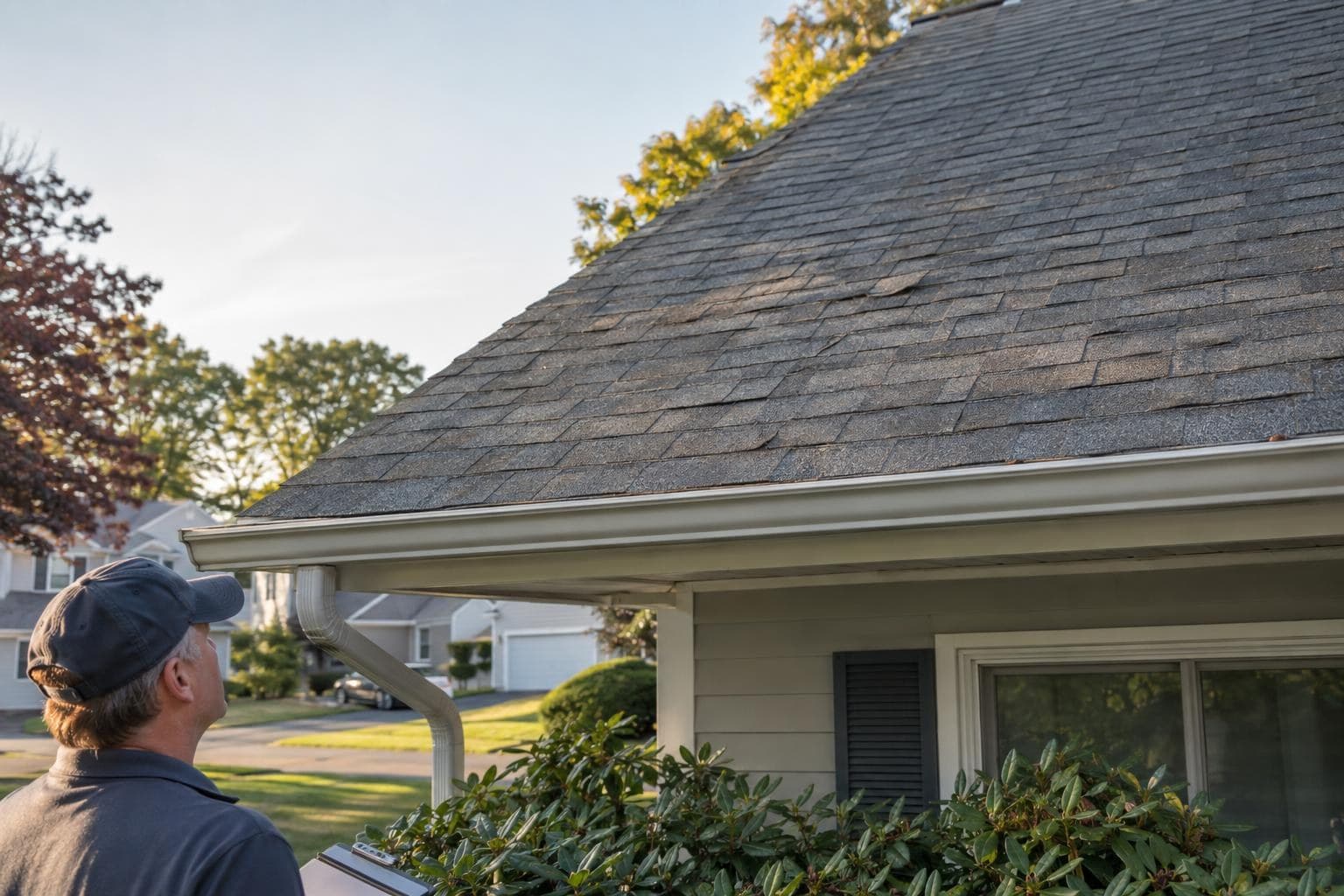
The clearest signs are visible shingle wear, recurring leaks, and repeated repair needs. If you are seeing curling, cracking, bald spots from granule loss, dark streaking tied to moisture hold, lifted tabs, or shingles that no longer sit flat, the roof may be nearing the end of its useful life. Inside the house, water stains in the attic or on ceilings can point to failure at flashing, valleys, or penetrations. If problems keep coming back after repairs, that is often a sign the roof system is worn beyond a simple fix.
- Curling or cracked shingles
- Missing shingles or lifted tabs after storms
- Granule loss collecting in gutters
- Soft spots or signs of moisture in the roof deck
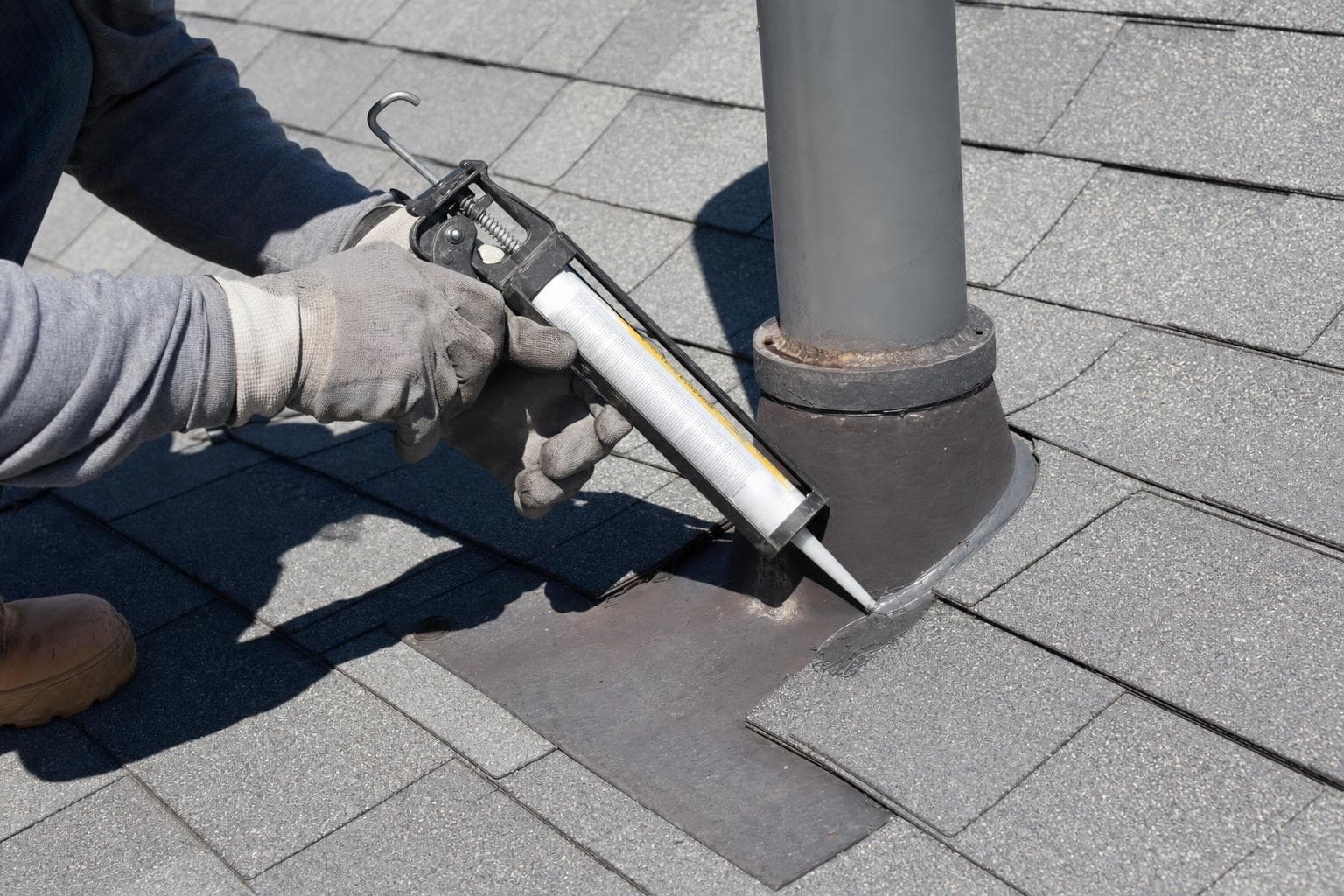
- Leaks around chimneys, vents, skylights, or valleys
- Ceiling stains or attic moisture after heavy rain
- Repairs that solve one issue but another appears soon after
Talk to a roofer today
Planning ranges, scope details, and a direct path to request a roofing quote.
When should you repair a shingle roof instead of replacing it?
Repair makes sense when the problem is limited and the rest of the roof is still in solid shape. A few damaged shingles, a localized flashing issue, or a small leak after a storm can often be fixed without replacing the whole roof. The key is whether damage is isolated or spread across multiple areas. If the roof is leaking in more than one place, showing broad shingle wear, or needing frequent follow-up work, replacement usually becomes the more practical move.
When is full replacement the smarter choice in New Jersey?
Replacement is the smarter choice when storm exposure and age-related wear are affecting the roof as a system, not just one spot. If your roof has widespread shingle damage, failing flashing in several areas, chronic leaks, or clear signs that water is getting past the outer layer, replacing it can stop the cycle of patching. The schedule for a shingle condition and replacement plan in New Jersey should explain access, material staging, weather protection, inspections, and the process for discovered deck work.
For an early budget on a shingle condition and replacement plan in New Jersey, compare the New Jersey cost page with a proposal that identifies measurements, products, accessories, and exclusions.
Should you upgrade to Class 4 shingles in New Jersey?
Class 4 can make sense if you want more impact resistance in a state that sees hail and storm gusts. It is not the right fit for every home, but it is worth comparing when you are already replacing the roof. If you are considering a Class 4 impact-resistant shingle, ask your carrier whether it offers a discount for that upgrade. When comparing a shingle condition and replacement plan in New Jersey, use a written insurer response rather than a sales estimate for any impact-resistant roof credit. Discounts and eligibility are set by the carrier, and your savings, if any, depend on your policy and underwriting.
What should you know about insurance after roof storm damage in New Jersey?
Standard coverage may help with windstorm or hail damage, but deductibles can work differently, and flood is a separate issue. State guidance says most standard homeowners insurance policies cover losses caused by fire and lightning, smoke, windstorms or hail, but some policies may include a separate, optional wind/hail deductible, and/or a mandatory or optional hurricane deductible. For shingle roof lifespan in New Jersey, coverage depends on the policy language, cause of loss, exclusions, and the insurer's decision; verify those terms in your own documents.
State guidance also says homeowners insurance policies exclude water damage caused by flood. It also says flooding is not covered under standard homeowners policies, and homeowners policies do not cover damage from flooding that accompanies a hurricane. If flood exposure is part of your risk, you may need separate flood insurance. State guidance says there is normally a 30-day waiting period before a new flood insurance policy becomes effective, and also says flood insurance is not effective until 30 days after it is sold. If you are thinking about adding flood coverage, do not wait until a storm is close. For a shingle lifespan decision in New Jersey, connect the state guidance to the observed failure mechanism and a documented repair or replacement threshold.
How do you protect roof lifespan after a major storm?
Move quickly, document everything, and fix small openings before they become bigger leaks. After a storm, look for missing shingles, bent flashing, fallen branches, gutter overflow, and interior water stains. Take photos, keep receipts, and write down what happened. New Jersey guidance says to report the loss immediately, take pictures of the damage, make a reasonable attempt to protect your property from further loss or damage, and keep receipts for any repairs. If you need help understanding the repair or replacement scope, ask your roofer to explain in writing what gets replaced, how flashing and ventilation will be handled, what cleanup is included, and who is responsible for protecting the home if weather hits during the job.
If you are unsure whether your shingle roof still has good years left, an inspection is the practical next step. a roofer whose credentials and written scope you checked can tell you whether the problems are isolated, whether the roof is aging out, and whether a repair buys you time or just delays a replacement you already need.
Sources
- Asphalt Roofing Manufacturers Association: Residential Asphalt Roofing Manual: Ventilation Best Practices
- Insurance Institute for Business & Home Safety: Natural Weathering and Hazard Exposure
- New Jersey Department of Banking and Insurance, Preparing for Extreme Weather
- New Jersey Department of Banking and Insurance, FAIR Plan
Reviewed technical references for New Jersey
Related New Jersey roofing guides
Related services
Updated July 27, 2026
3D Roofs Editorial Team
Editorial Standards