Updated July 10, 2026

3D Roofs Editorial Team
Editorial Standards
A shingle roof in South Carolina can last for years, but the real answer depends on storm exposure, attic heat, humidity, installation quality, and how quickly you deal with damage. In this state, roofs have to handle severe storms, wind-driven rain, and long periods of heat and humidity. That mix can lead to lifted shingles, flashing problems, leaks that spread quickly if they are not covered, and moisture-related wear that builds over time. For you, that means regular roof checks matter, especially after major weather.
How long does a shingle roof last in South Carolina?
A shingle roof in South Carolina lasts as long as its materials and maintenance allow, but climate stress often makes condition matter more than age alone. Heat can dry out shingles over time. Humidity can hold moisture where it should not stay. Severe storms and wind-driven rain can loosen shingles and expose weak points around flashing, penetrations, and roof edges. That means two roofs installed in the same year can age very differently depending on how much weather they take on and how well small issues are handled before they grow.
What shortens the life of a shingle roof in South Carolina?
Storms, trapped moisture, heat, and delayed repairs are the biggest factors that shorten roof life here. Wind can lift shingles and break the seal that helps keep water out. Wind-driven rain can force water into openings that might not leak during a calmer storm. Long periods of heat and humidity can speed up wear, especially if the attic runs hot or moisture is not venting well. A roof also ages faster when flashing is damaged, debris holds moisture against the surface, or a small leak is left alone until the roof deck and surrounding materials start to suffer.
- Severe storms can crease, lift, or displace shingles
- Wind-driven rain can push water into small openings
- Heat can dry and age shingles over time
- Humidity can add moisture-related wear that builds gradually
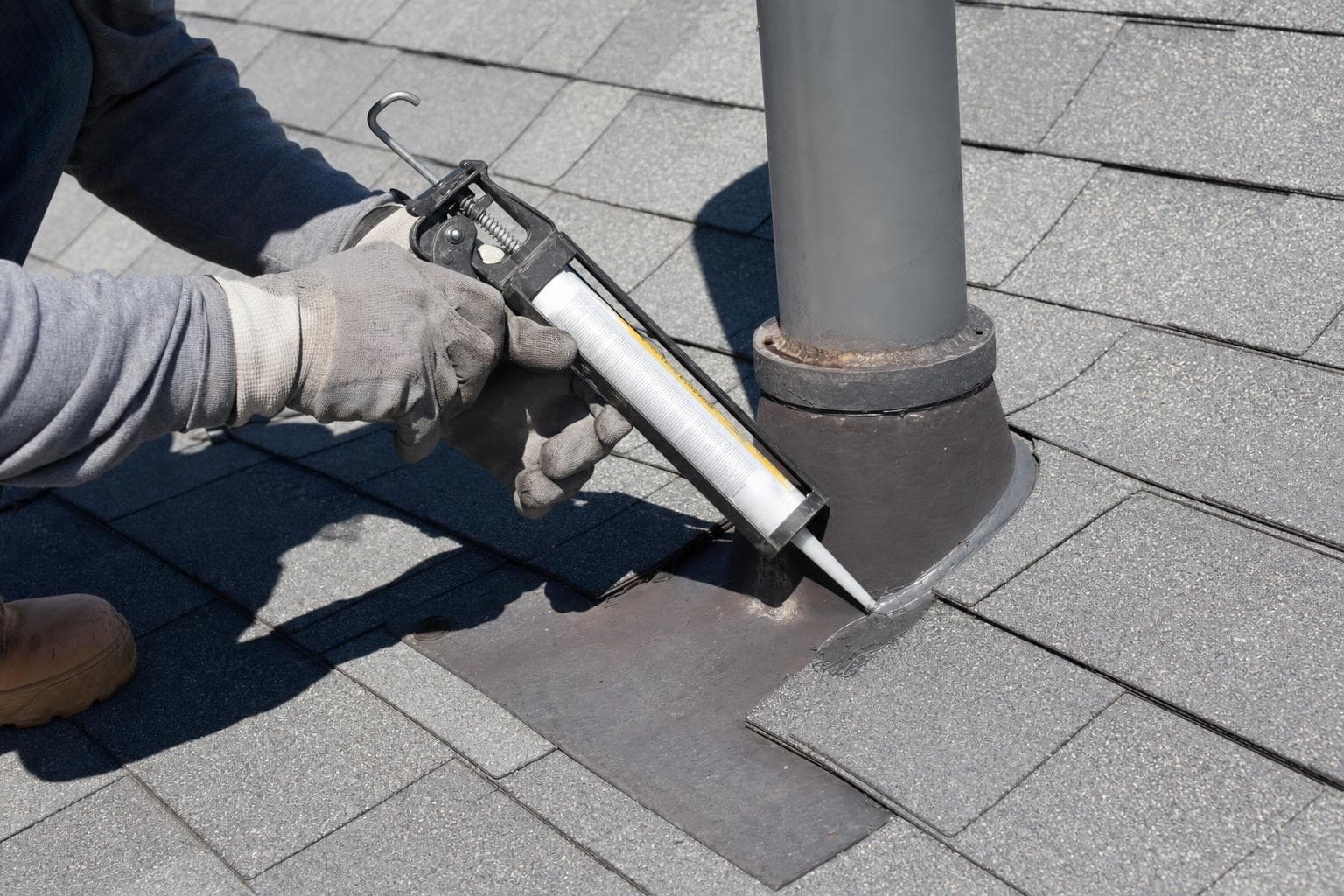
- Flashing problems around chimneys, vents, and valleys can turn into leaks fast
- Small damage that is not covered or repaired can spread into larger interior and decking issues
How do storms affect shingle roof lifespan?
Storms can take years off a roof when they break shingle seals, move flashing, or create openings that let in water. In South Carolina, the issue is not just one dramatic event. Repeated exposure matters too. A roof may look mostly fine from the ground, while a few lifted tabs, exposed nail areas, or bent flashing pieces are already letting moisture in. Once water gets below the surface, damage can move beyond the shingle layer and become more expensive to fix.
If a storm hits, act quickly. The South Carolina Department of Insurance says that after a storm, if the area is safe, you should take photos of the damage and then take steps to mitigate any further damage. The example it gives is covering a hole in your roof with a tarp to help prevent more interior damage. It also says to immediately file a claim with your insurance company. It also says to keep all photos and receipts because they will be useful in processing your claim.
Talk to a roofer today
Planning ranges, scope details, and a direct path to request a roofing quote.
What are the signs a shingle roof is aging out?
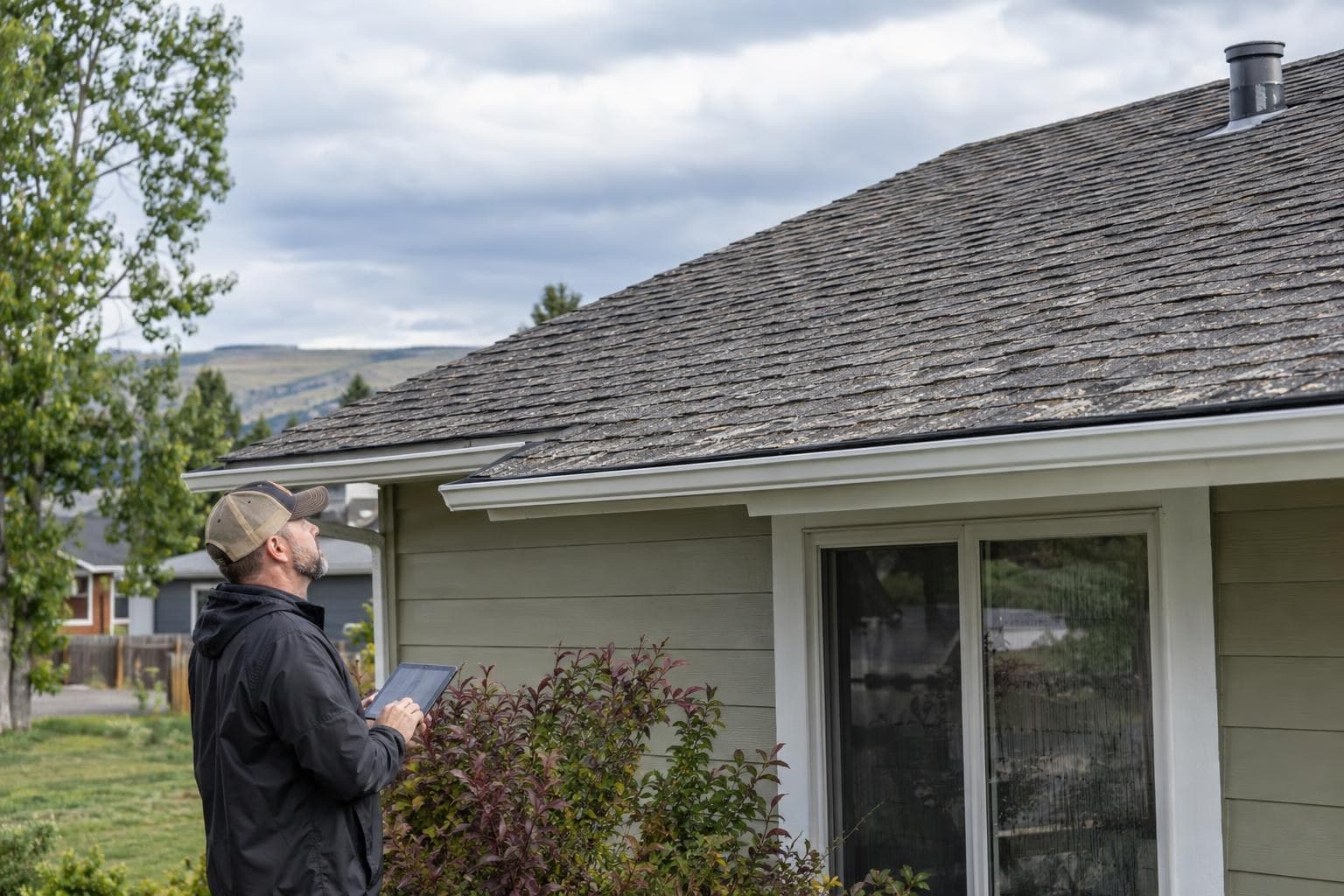
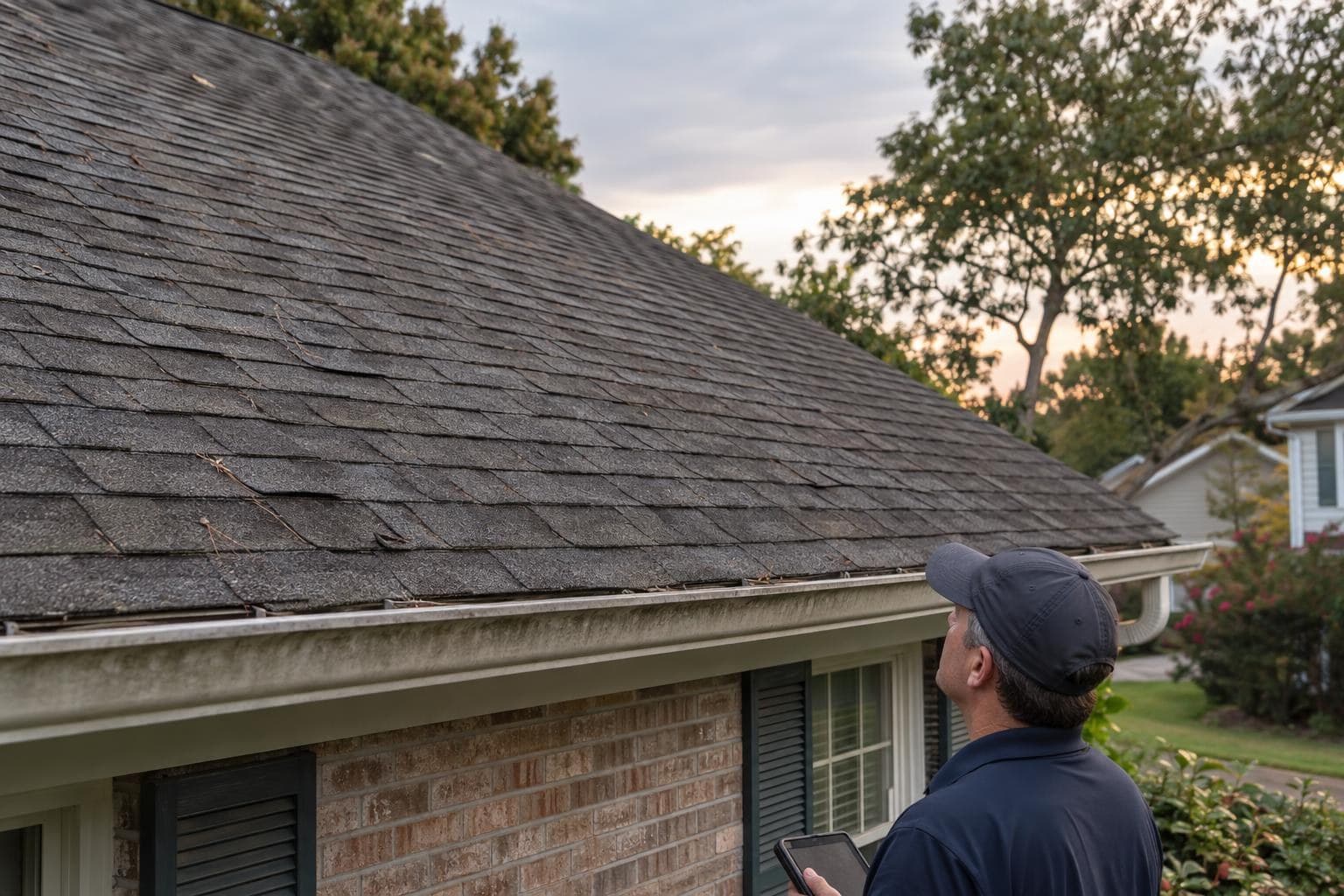
The clearest signs are recurring leaks, missing or lifted shingles, worn areas that keep showing up after storms, and roof components that no longer hold water out reliably. You may also notice shingle edges that do not sit flat, trouble spots around flashing, or interior water staining after heavy rain. A roof does not have to be failing everywhere to be near the end. Sometimes the bigger clue is that one repair leads to another, especially after each round of rough weather.
- Shingles that are missing, lifted, or no longer lying flat
- Leaks or water stains after storms
- Repeated repairs in the same areas
- Flashing issues around roof penetrations, chimneys, and valleys
- Moisture-related wear that keeps returning
- Damage that spreads quickly when it is not covered right away
Can repairs extend the life of a shingle roof?
Yes, repairs can extend roof life when the damage is limited and the rest of the roof is still in solid shape. The key is timing. If wind damage, flashing failure, or a small leak is caught early, your roofer may be able to replace affected shingles, reseal vulnerable areas, and address the source of water entry before it spreads. If damage is widespread or the roof keeps failing in multiple places, repairs may only buy you a short window.
When should you repair a roof instead of replace it?
You should repair when the problem is contained, the surrounding shingles still have useful life left, and the roof system is otherwise performing well. You should lean toward replacement when storm damage is broad, leaks are recurring, or the roof has reached a point where each repair is fixing a new weak spot rather than solving the overall problem. A replacement is a bigger project, but it may be the better value if you are putting money into an aging roof over and over.
If replacement is the right move, it helps to know current local pricing. For a shingle condition and replacement plan in South Carolina, start with current South Carolina cost data, then test the planning range against a measured proposal that names the complete roof assembly. For a shingle condition and replacement plan in South Carolina, require the written schedule to account for roof geometry, access, weather protection, material handling, inspections, and possible deck work.
Is an impact-resistant shingle worth it in South Carolina?
It can be worth it if your area sees frequent storm activity and you want more protection against hail and impact damage. For a shingle condition and replacement plan in South Carolina, treat any impact-resistant roof credit as unconfirmed until the insurer identifies the eligible product, required documentation, premium portion, and amount in writing. If you are considering an impact-resistant roof, ask your carrier whether it offers a discount for a Class 4 rated product. Discounts and underwriting rules can vary by carrier, so you should confirm the product requirements and any savings directly with your insurer before you choose materials.
What should you do if you think your roof is near the end?
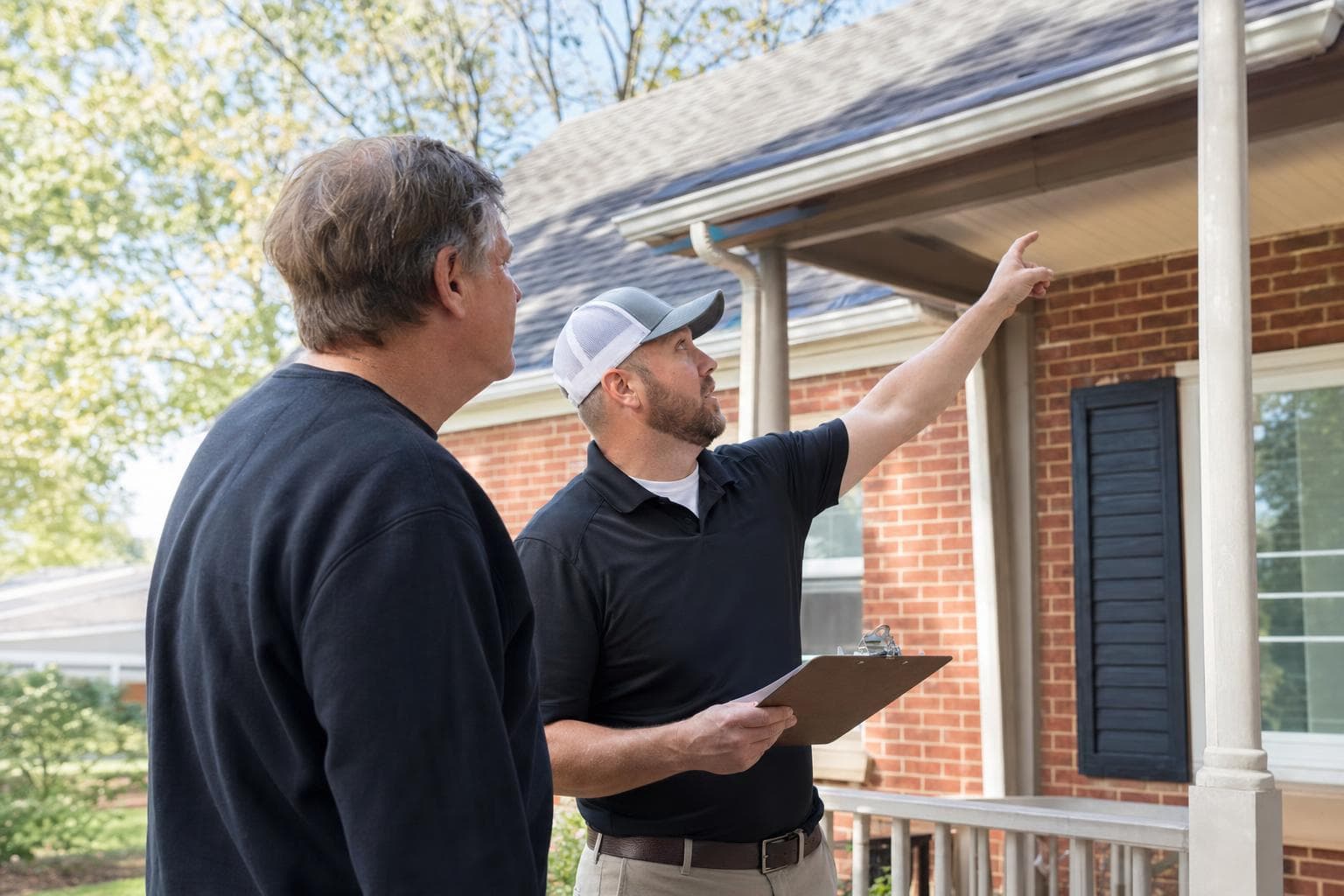
You should get it checked before the next major storm puts more stress on weak areas. A qualified local roofing contractor can look at the shingles, flashing, roof penetrations, and signs of moisture intrusion to help you decide whether repair or replacement makes more sense. If storm damage is involved, keep the state guidance in mind: document damage, take steps to prevent more damage, file your claim right away, and keep your records. The South Carolina Department of Insurance also says its Office of Consumer Services can help answer your questions about property insurance or other types of insurance if claim or coverage issues come up.
If you are hiring for roofing work in South Carolina, make sure the roofer fits the roofing scope you need and check the state's licensee lookup or license verification resources. The South Carolina Department of Insurance says a residential specialty contractor includes roofers doing the installation, alteration, and repair of materials that form a watertight, weather resistant surface for roofs and decks, including accessories, flashing, valleys, gravel stops, and roof insulation panels above the roof deck. The South Carolina Department of Insurance also says this registration applies when undertakings exceed five hundred dollars (an amount that must be confirmed for the written scope).
The bottom line is simple: in South Carolina, a shingle roof can last well if you stay ahead of storm damage, moisture problems, and flashing failures. The roofs that age out fastest are usually the ones with small issues that were allowed to spread. If your roof is showing repeated damage, leaking after storms, or looking worn in the same trouble spots, now is the time to have it checked and decide whether a focused repair or a full replacement gives you the better path forward.
Sources
- Asphalt Roofing Manufacturers Association: Residential Asphalt Roofing Manual: Ventilation Best Practices
- Insurance Institute for Business & Home Safety: Natural Weathering and Hazard Exposure
- South Carolina Department of Insurance, Severe Weather Recovery
- South Carolina Residential Builders Commission, Residential Specialty Contractor Registration
Reviewed technical references for South Carolina
Related South Carolina roofing guides
Related services
Updated July 10, 2026
3D Roofs Editorial Team
Editorial Standards