Updated July 10, 2026

3D Roofs Editorial Team
Editorial Standards
A shingle roof in South Dakota can last for many years, but the straight answer is that weather often decides the real lifespan. Your roof in South Dakota has to handle hail, severe storms, high winds, temperature swings, snow, ice, and strong sun over time. That mix can shorten shingle life, loosen flashing, damage gutters, and turn small leaks into bigger interior problems if repairs wait. If you want your roof to last as long as possible, regular inspections and fast repairs matter more here than in milder climates.
How long does a shingle roof last in South Dakota?
It depends on how much storm exposure your home gets, how well the roof was installed, how steep it is, how much sun it takes, and how quickly damage gets repaired. In South Dakota, shingles can age faster because hail, wind, snow, ice, and repeated temperature swings put steady stress on the roof system. That means two roofs of the same age can be in very different shape. One may still have useful life left, while the other is already showing wear that points to repair needs or replacement planning.
What shortens the life of a shingle roof in South Dakota?
The biggest answer is repeated weather stress. Hail can bruise or crack shingles. High winds can lift tabs, break seals, or pull shingles loose. Snow and ice can keep moisture on the roof longer. Strong sun can dry shingles out over time. Temperature swings can make roofing materials expand and contract again and again. Once that wear starts, small weak points can grow into leaks, flashing problems, and gutter damage if you wait too long to fix them.
- Hail impact that cracks, bruises, or knocks granules off shingles
- Severe storms and high winds that loosen or remove shingles
- Snow and ice that hold moisture against the roof
- Strong sun that dries and ages asphalt shingles over time
- Temperature swings that stress shingles, sealants, and flashing
- Delayed repairs that let minor damage spread into bigger interior problems
How can you tell if your roof is aging out?
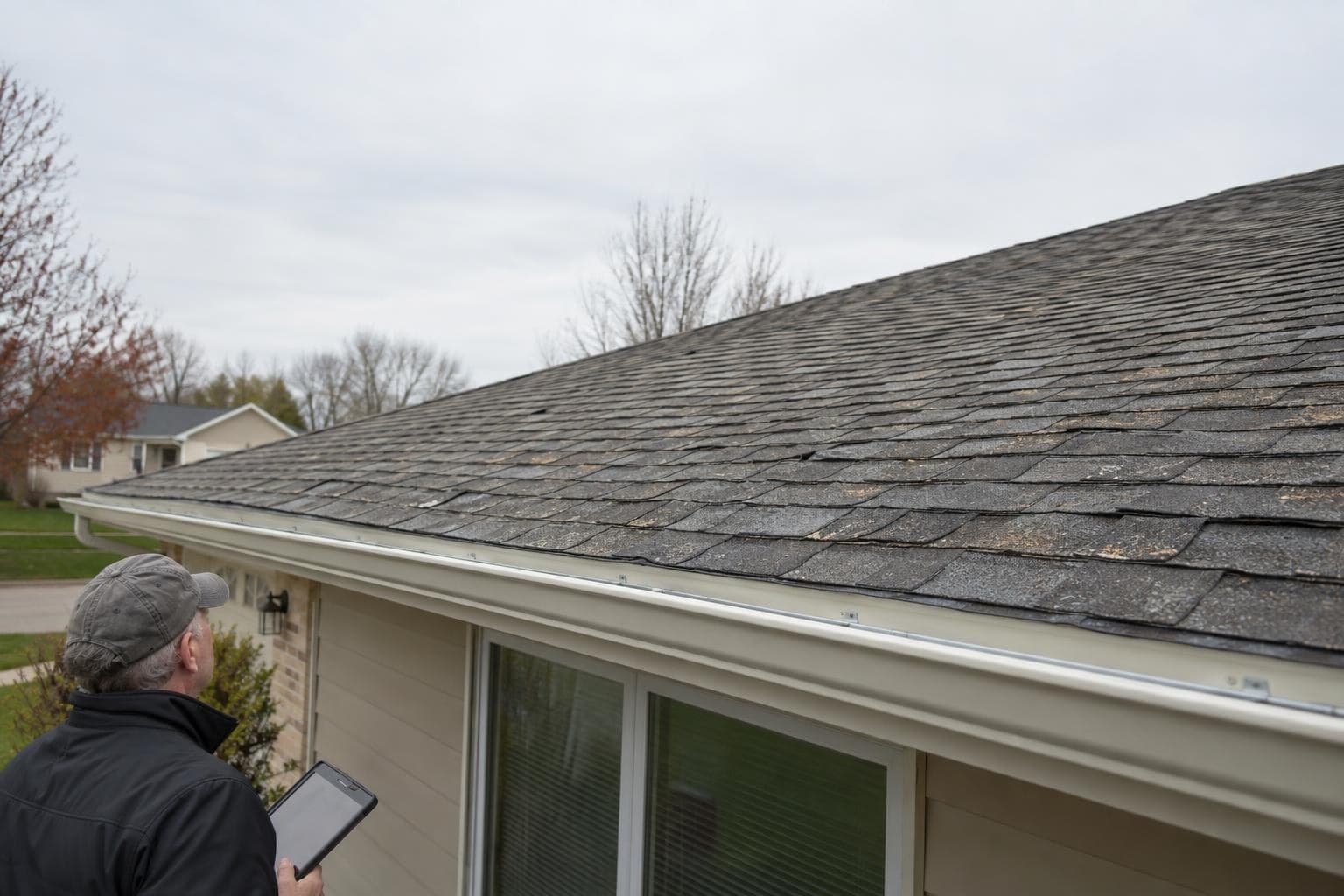
The clearest answer is visible wear plus recurring problems. If shingles are curling, cracking, losing granules, or going missing after storms, your roof may be nearing the end of its useful life. If you are seeing repeated leaks, staining in the attic or ceiling, bent or loose flashing, or storm damage that keeps coming back, that is another sign the roof may be aging out instead of just needing a one-time fix. A roof does not have to be actively leaking everywhere to be close to replacement time.
- Shingles that are cracked, curled, torn, or missing
- Bare spots or heavy granule loss
- Repeated leak repairs in the same areas
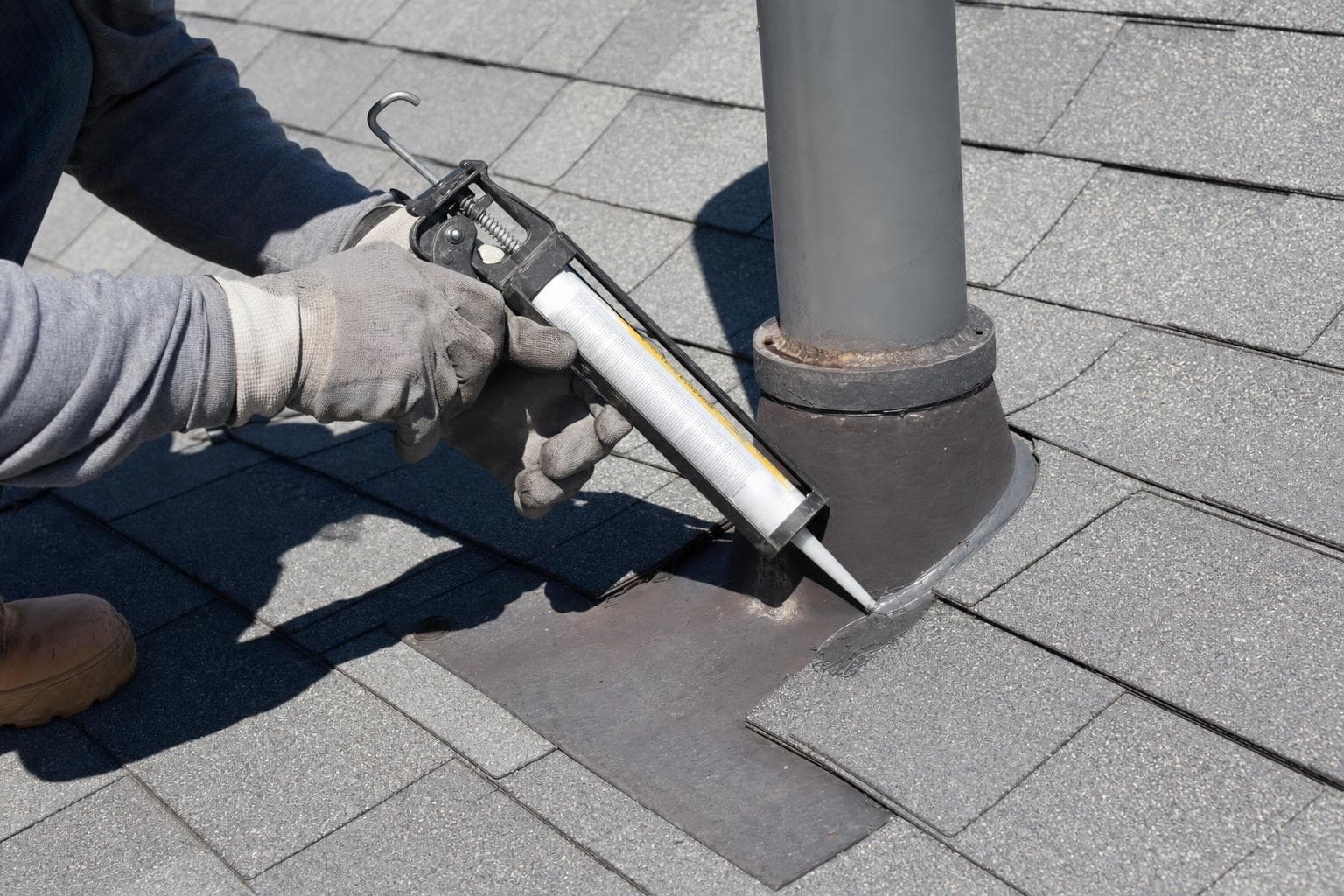
- Flashing that looks loose, bent, or weathered
- Gutter damage tied to storm impact or roof runoff issues
- Interior water stains, damp attic areas, or musty spots after storms
Talk to a roofer today
Planning ranges, scope details, and a direct path to request a roofing quote.
Should you repair the roof or replace it?
Repair makes sense when the damage is limited and the rest of the roof still has solid life left. Replacement makes more sense when storm damage is widespread, leaks are recurring, or the roof shows broad signs of wear across many slopes. But if you are paying for repeated fixes after every rough season, replacement may be the more practical move. Before approving a shingle condition and replacement plan in South Dakota, have the bidder connect timing to roof complexity, crew access, material handling, weather, inspections, and concealed conditions.
Does roof pitch or material choice affect how long the roof lasts?
Yes, both can affect long-term performance. Material choice matters too, especially in hail-prone areas. Check current South Dakota cost data for a shingle condition and replacement plan in South Dakota, then replace the range with an assembly-specific proposal based on measured conditions.
Are impact-resistant shingles worth considering in South Dakota?
Yes, they are worth considering if you want better hail resistance and you are comparing long-term value, not just the starting cost. Class 4 shingles cost more up front than Class 3, but they may make sense in a state where hail and severe storms are part of roof life. A Class 4 rating does not establish a policy credit in South Dakota; the carrier and policy determine eligibility, documentation, and savings. If you are considering impact-resistant shingles, ask your insurance carrier whether it offers a discount for a Class 4 roof and what documentation it requires. Discounts and eligibility are set by the carrier, so you should confirm the details before you choose materials.
When should you schedule a roof inspection?
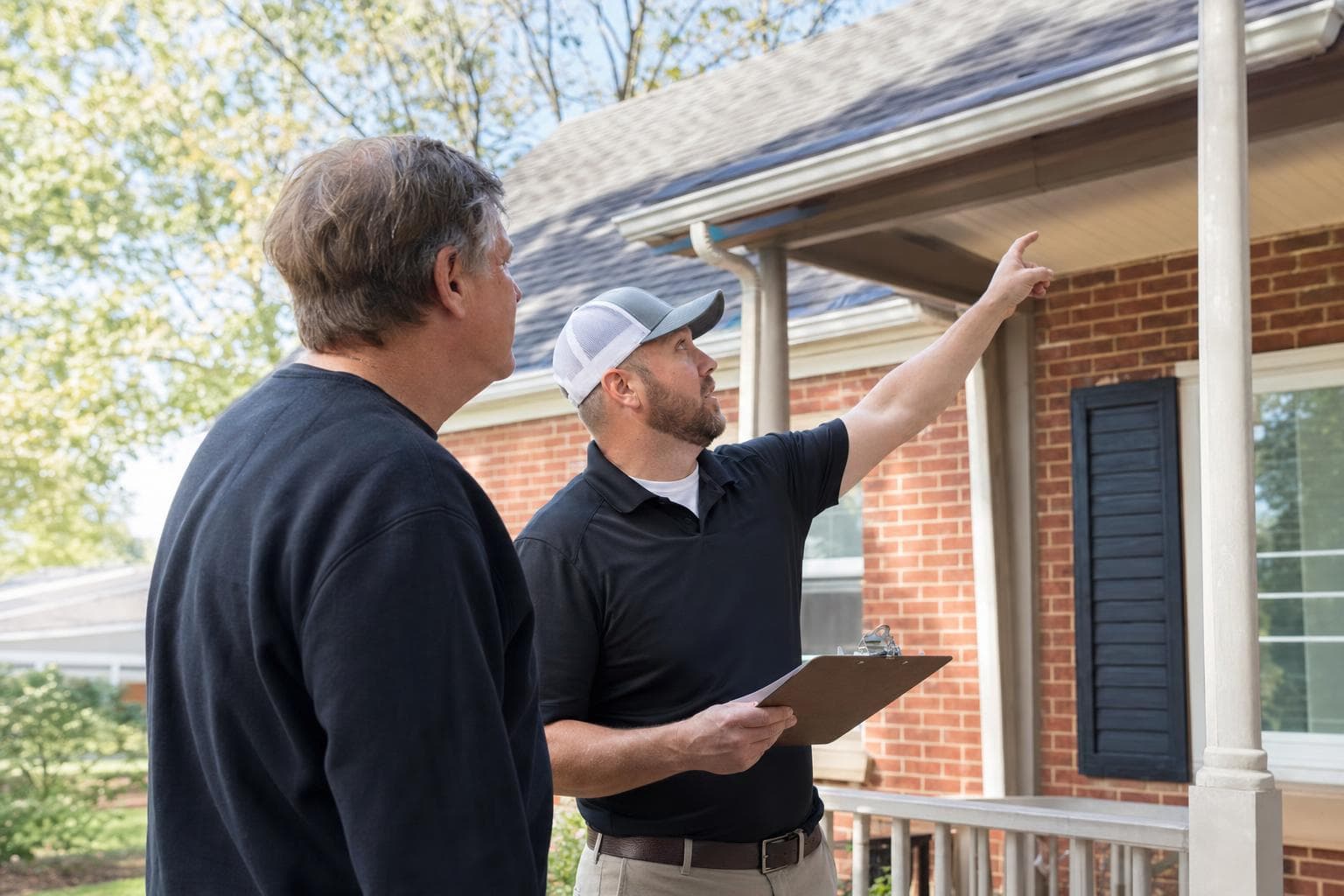
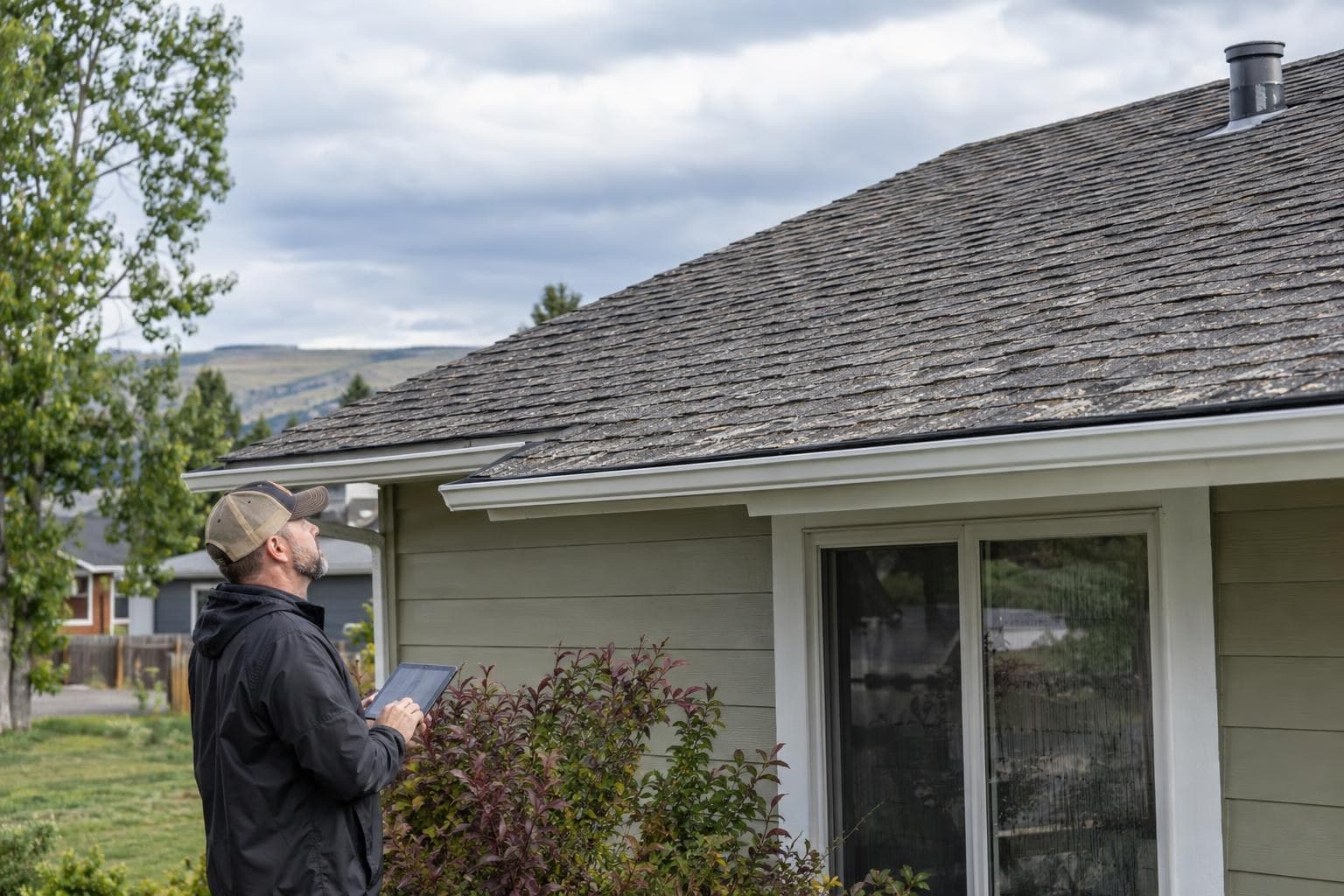
You should schedule an inspection after major storms, when you notice signs of wear, or when you are unsure whether damage is cosmetic or active. After a major storm, demand can spike quickly, which is why it helps to document damage early and move carefully when you pick your roofer. Acting early can help you catch lifted shingles, flashing problems, and small leaks before they spread into insulation, drywall, or decking issues. Even if the roof looks fine from the ground, hidden damage can still be present.
How should you choose a roofer after storm damage?
The best answer is to slow down and follow the state’s consumer guidance. South Dakota Consumer Protection says residents should be vigilant of transient contractor scams following severe weather. The state urges you to take your time, do your due diligence, and contact the Division of Consumer Protection when in doubt. Ask for references and a proven track record. Ask for a written estimate and a written contract. Read the contract carefully, make sure guarantees are in writing, and make sure any project changes require a signed Change Order. Ask for sales tax license, and because the Department of Revenue says contractors doing this kind of work must have a South Dakota contractor’s tax license, ask about that too. If a permit is required, make sure it is obtained.
- Get a written estimate and a written contract before work starts
- Keep a copy of the final signed contract
- Read the contract carefully before signing
- Make sure project changes use a Change Order signed by both parties
- Ask for sales tax license and ask about the South Dakota contractor’s tax license
- Pay by check, keep copies of your paperwork, and avoid on-the-spot cash payments
- Do not make final payment until the work is completed to your satisfaction
What is the bottom line for shingle roof lifespan in South Dakota?
The bottom line is that South Dakota weather can shorten shingle life, but quick action can help you get more years from your roof. Hail, wind, snow, ice, sun, and temperature swings all work against asphalt shingles over time. If you stay ahead of storm damage, fix problems while they are still small, and replace the roof when wear becomes widespread, you can avoid bigger interior damage and more expensive repeat repairs. If you are comparing replacement options, use the latest local cost data as your baseline, review the South Dakota cost page for full local pricing, and use the calculator to start narrowing down the right fit for your home.
Sources
- Asphalt Roofing Manufacturers Association: Residential Asphalt Roofing Manual: Ventilation Best Practices
- Insurance Institute for Business & Home Safety: Natural Weathering and Hazard Exposure
- South Dakota Consumer Protection, contractor scam alert
- South Dakota Department of Revenue, Contractor's Excise Tax
Reviewed technical references for South Dakota
Related South Dakota roofing guides
Related services
Updated July 10, 2026
3D Roofs Editorial Team
Editorial Standards