Updated July 27, 2026

3D Roofs Editorial Team
Editorial Standards
A shingle roof in Vermont can last a long time, but winter weather often shortens that life compared with milder climates. Repeated snow load, freeze-thaw cycles, ice buildup near the eaves, wind-driven rain, and big seasonal temperature swings all put stress on shingles and the areas around flashings, valleys, skylights, chimneys, and other penetrations. If your roof is getting older, those conditions can turn small weaknesses into leaks faster than you might expect.
How long does a shingle roof last in Vermont?
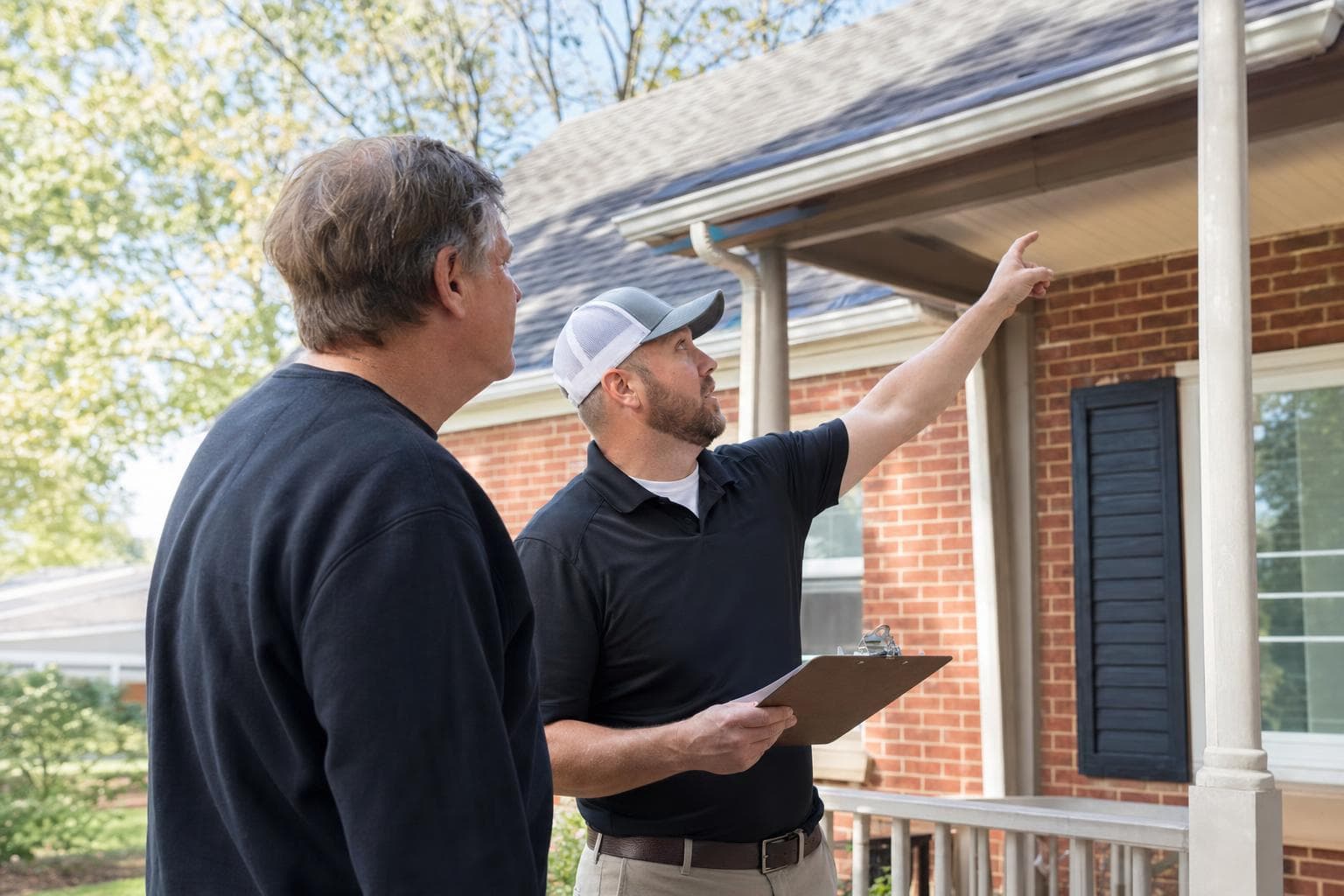
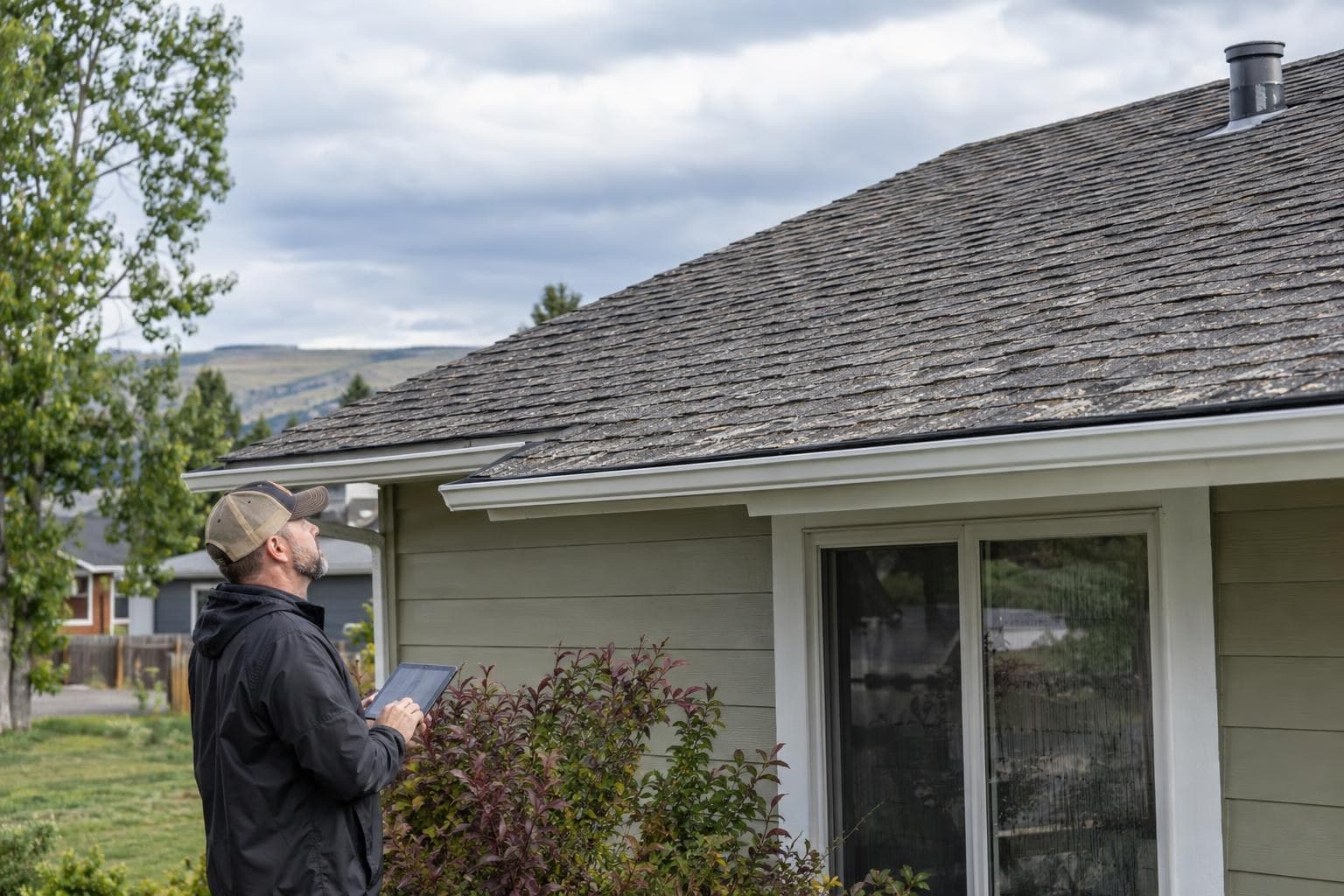
It depends on the roof's age, the quality of the installation, attic ventilation, drainage, and how well the roof handles Vermont winters. In real-world conditions, the right question is not just how old the shingles are, but how they have held up to long periods of snow, freeze-thaw movement, and ice near the eaves. A roof that looks acceptable from the ground can still be aging out around transitions and water-entry points. That is why an inspection matters more in Vermont than simply going by the original install date.
What makes a shingle roof wear out faster in Vermont?
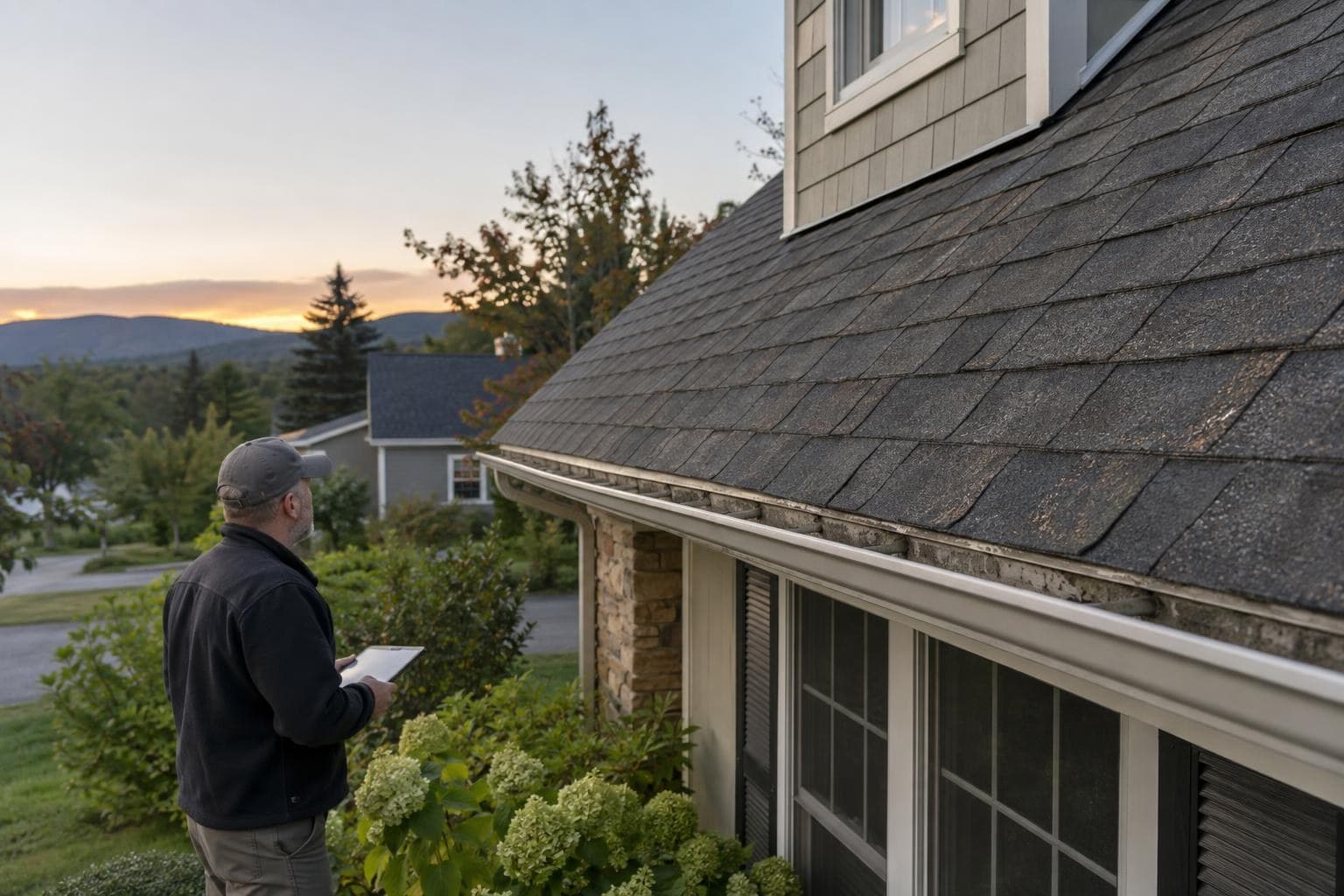
Winter stress is the biggest reason. Snow can sit on a roof for long stretches, and freeze-thaw cycles can work water into weak spots around shingles, flashings, valleys, skylights, chimneys, and penetrations. Ice buildup near eaves can back water up under roofing materials. Wind-driven rain and seasonal temperature swings can also shorten the life of older roofs and expose installation problems faster. If you are planning a repair or replacement, ask your roofer how the system will handle ventilation, drainage, flashing transitions, and winter weather.
- Long stretches of snow sitting on the roof
- Freeze-thaw cycles that push water into small gaps
- Ice near the eaves that backs water up under shingles
- Wind-driven rain hitting vulnerable roof transitions
- Temperature swings that age older shingles faster
- Flashing or valley details that were not built for repeated winter stress
What parts of the roof usually fail first?
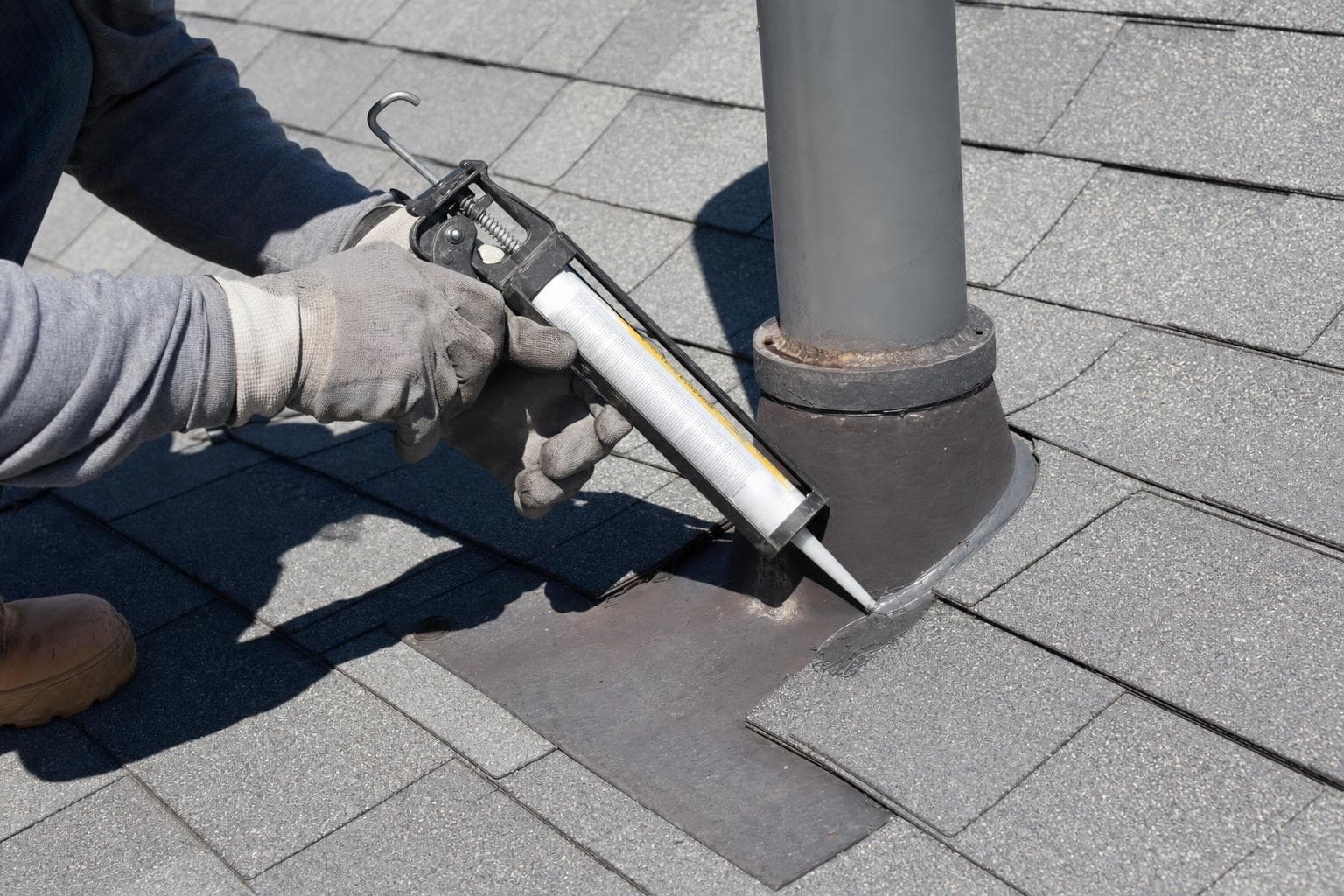
The first trouble spots are usually not the main shingle field. They are the details where water changes direction or meets an opening. In Vermont, weak points often show up around flashings, valleys, skylights, chimneys, plumbing vents, and other penetrations. These areas move, expand, contract, and hold moisture differently than the rest of the roof. When ice or wind-driven rain gets involved, they often show damage before the shingles across the main roof plane are fully worn out.
Talk to a roofer today
Planning ranges, scope details, and a direct path to request a roofing quote.
What shortens a roof's lifespan besides the weather?
Poor ventilation, drainage problems, and installation mistakes can shorten roof life just as much as climate. If warm, moist air is not moving properly through the attic, shingles can age unevenly and roof decking can stay damp longer than it should. If runoff is not moving cleanly through valleys and off the eaves, water has more time to work into seams. Older roofs are especially vulnerable because seasonal movement can expose workmanship issues faster over time.
- Inadequate attic ventilation
- Poor drainage through valleys or along eaves
- Weak flashing transitions
- Past repairs that only patched the surface problem
- Aging sealant around penetrations
- The schedule for a shingle condition and replacement plan in Vermont should explain access, material staging, weather protection, inspections, and the process for discovered deck work.
How can you tell when a shingle roof is aging out?
The clearest sign is that problems start repeating. If you are seeing recurring leaks, repeated repairs around the same roof areas, or widespread shingle wear rather than one isolated issue, the roof may be nearing the end of its useful life. You may also notice that winter weather causes new symptoms each season, especially after snow sits for a while or temperatures swing above and below freezing.
- Leaks that come back after earlier repairs
- Water stains in the attic or on ceilings
- Curling, cracking, or missing shingles
- Granule loss that leaves shingles looking worn out
- Soft spots or signs of trapped moisture
- Problems concentrated near valleys, chimneys, skylights, vents, or eaves
- Ice-related backup symptoms near the roof edge
Should you repair the roof or replace it?
If the problem is isolated, a repair may make sense. If damage is spread across multiple areas, if the roof is older, or if leaks keep returning after repairs, replacement is often the better long-term move. For an early budget on a shingle condition and replacement plan in Vermont, compare the Vermont cost page with a proposal that identifies measurements, products, accessories, and exclusions.
Is a Class 4 shingle worth considering in Vermont?
It can be worth a look if you want a tougher shingle and you plan to stay in the home. Vermont weather can expose weak roofing materials faster, so a stronger product may make sense depending on your roof layout and budget. If you are considering a Class 4 impact-resistant shingle, ask your insurer whether it offers any premium discount or underwriting preference for that material. Carriers set their own discounts and eligibility rules, so the savings, if any, can vary by policy and property. When comparing a shingle condition and replacement plan in Vermont, use a written insurer response rather than a sales estimate for any impact-resistant roof credit.
What should you ask before hiring a roofer in Vermont?
Start by confirming the roofer is registered with the state, then go deeper than that. Vermont requires residential contractors to register with the state. Registration for Residential Contractors has been required since April 1, 2023, under Act 182, and the Vermont Office of Professional Regulation oversees unlawful and unprofessional conduct by individuals and businesses required to register. The state is also clear that this does not settle every issue for homeowners, so you should still ask for a detailed written contract, the full material list, and a clear cleanup and payment schedule before you sign.
- Look up your roofer in the state's Find a Professional tool
- Ask how the roof system will handle ventilation and drainage
- Ask how flashing transitions will be rebuilt at chimneys, skylights, and penetrations
- Get a detailed written scope of work
- Ask for the full material list, not just the shingle name
- Make sure cleanup and payment terms are clear before work starts
What if roof damage leads to an insurance claim?
The best move is to document the damage early and know what your policy may not cover. For shingle roof lifespan in Vermont, coverage depends on the policy language, cause of loss, exclusions, and the insurer's decision; verify those terms in your own documents. If you want protection from those risks, you need to talk to your insurance agent about separate coverage available in your area. The Vermont's Department of Financial Regulation also says a home inventory, along with photos and proof of ownership, makes it easier to file an accurate, detailed insurance claim if your home is damaged or destroyed. If you are confused about what your homeowners policy covers after roof damage, Vermont's Department of Financial Regulation says you can contact the Vermont Insurance Department directly for help, or file a complaint through the department if you run into a problem with your insurer.
Sources
- Asphalt Roofing Manufacturers Association: Residential Asphalt Roofing Manual: Ventilation Best Practices
- Insurance Institute for Business & Home Safety: Natural Weathering and Hazard Exposure
- Vermont Department of Financial Regulation, Home and Renters Insurance
- Vermont Office of Professional Regulation, Residential Contractors
Reviewed technical references for Vermont
Related Vermont roofing guides
Related services
Updated July 27, 2026
3D Roofs Editorial Team
Editorial Standards