Updated July 27, 2026

3D Roofs Editorial Team
Editorial Standards
A shingle roof in Virginia can last a long time, but the real answer depends on weather exposure, installation quality, attic conditions, and how quickly you address small problems. In this state, changing conditions across the year matter. Rain, wind, humidity, and storm activity can all shorten the life of roofing materials or turn a small weak spot into a leak. If you want your roof to last, the best move is to catch wear early and fix damage before moisture gets trapped under the shingles.
How long does a shingle roof last in Virginia?
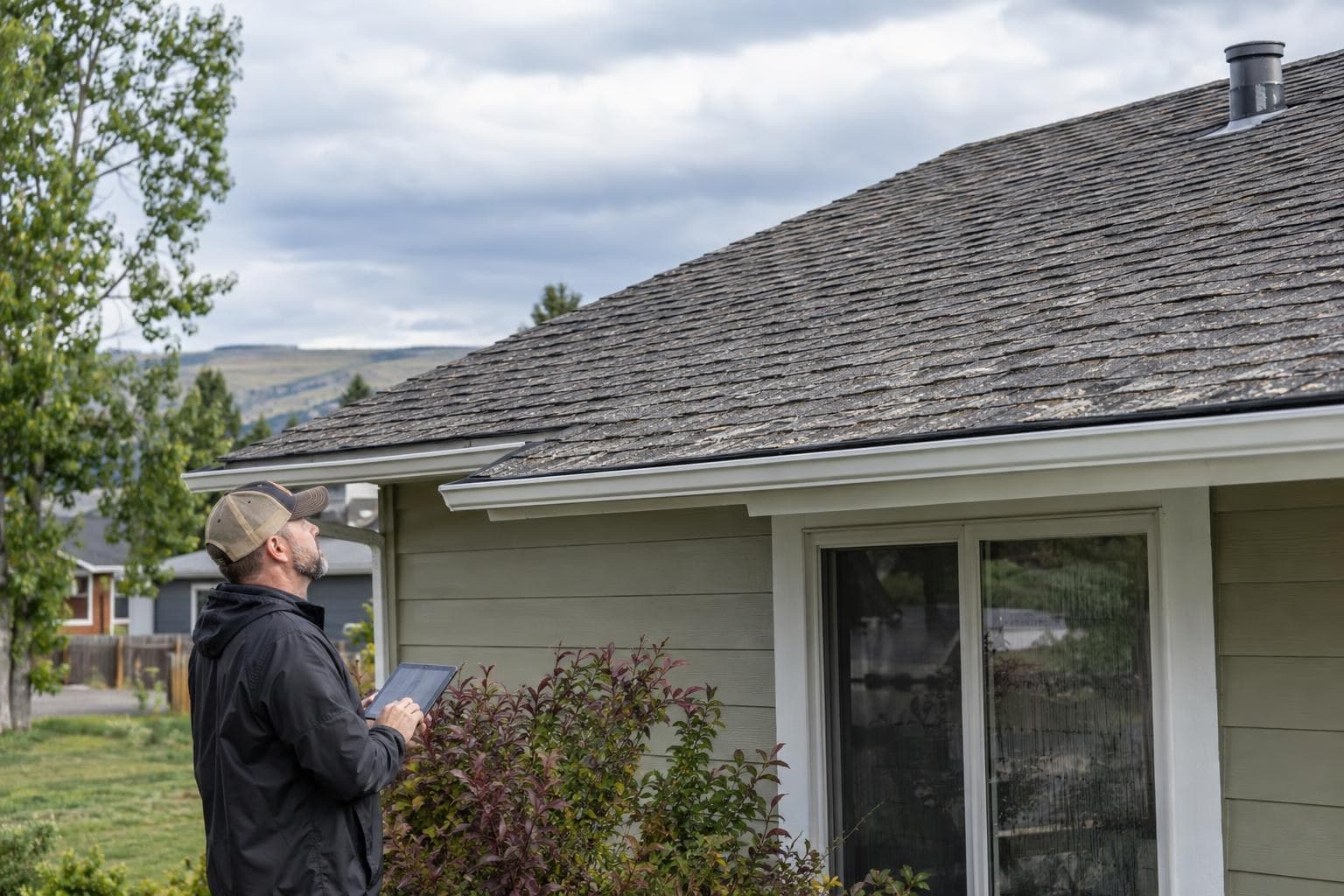
It depends on how much weather stress your roof takes and how well it has been maintained. Virginia roofs deal with changing conditions across the year, and that alone can cut into shingle life. A roof that sees repeated wind, heavy rain, humid conditions, and storm exposure will usually age faster than one with lighter exposure and timely upkeep. That is why two homes in the same region can have very different roof lifespans. If you want a practical answer for your home, an inspection gives you a better read than age alone.
What parts of Virginia weather shorten shingle roof life?
Rain, wind, humidity, and storm activity are the biggest reasons shingles wear out sooner in Virginia. Wind can loosen or crease shingles and damage flashing. Heavy rain can push water into vulnerable roof areas. Humid conditions can make it important to catch roof damage early, before trapped moisture leads to bigger repair needs. In hurricane-prone or coastal weather patterns, those risks can stack up. Even a roof that still looks mostly intact from the ground can have lifted tabs, weakened seal strips, or damp areas that shorten the remaining life of the system.
- Wind can lift, crease, or loosen shingles
- Heavy rain can force water into weak roof areas
- Humidity can trap moisture and lead to bigger repair needs
- Storm activity can turn a small weak spot into an active leak
- Coastal or hurricane-prone weather patterns can increase stress on shingles and flashing
What else makes a shingle roof wear out faster?
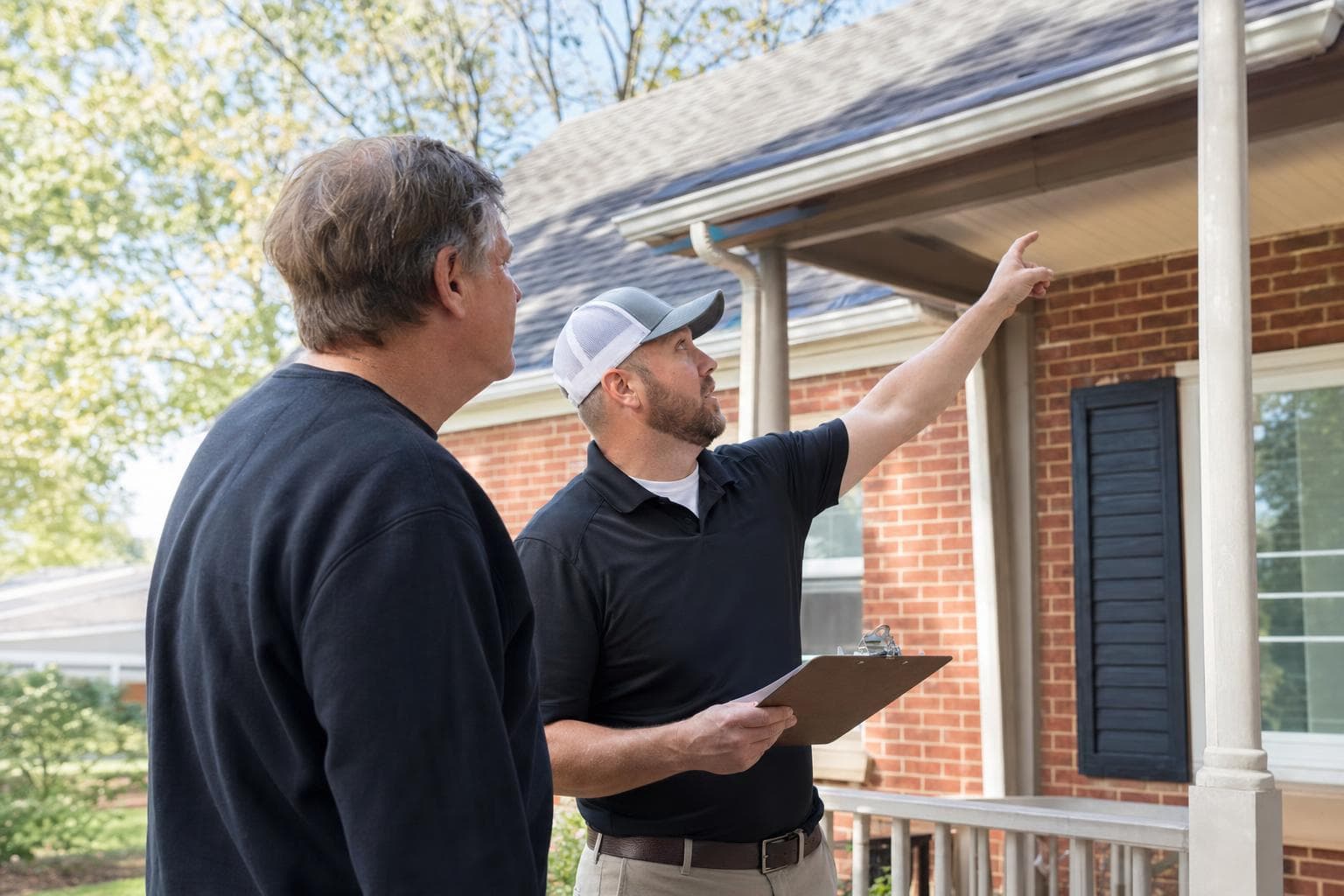
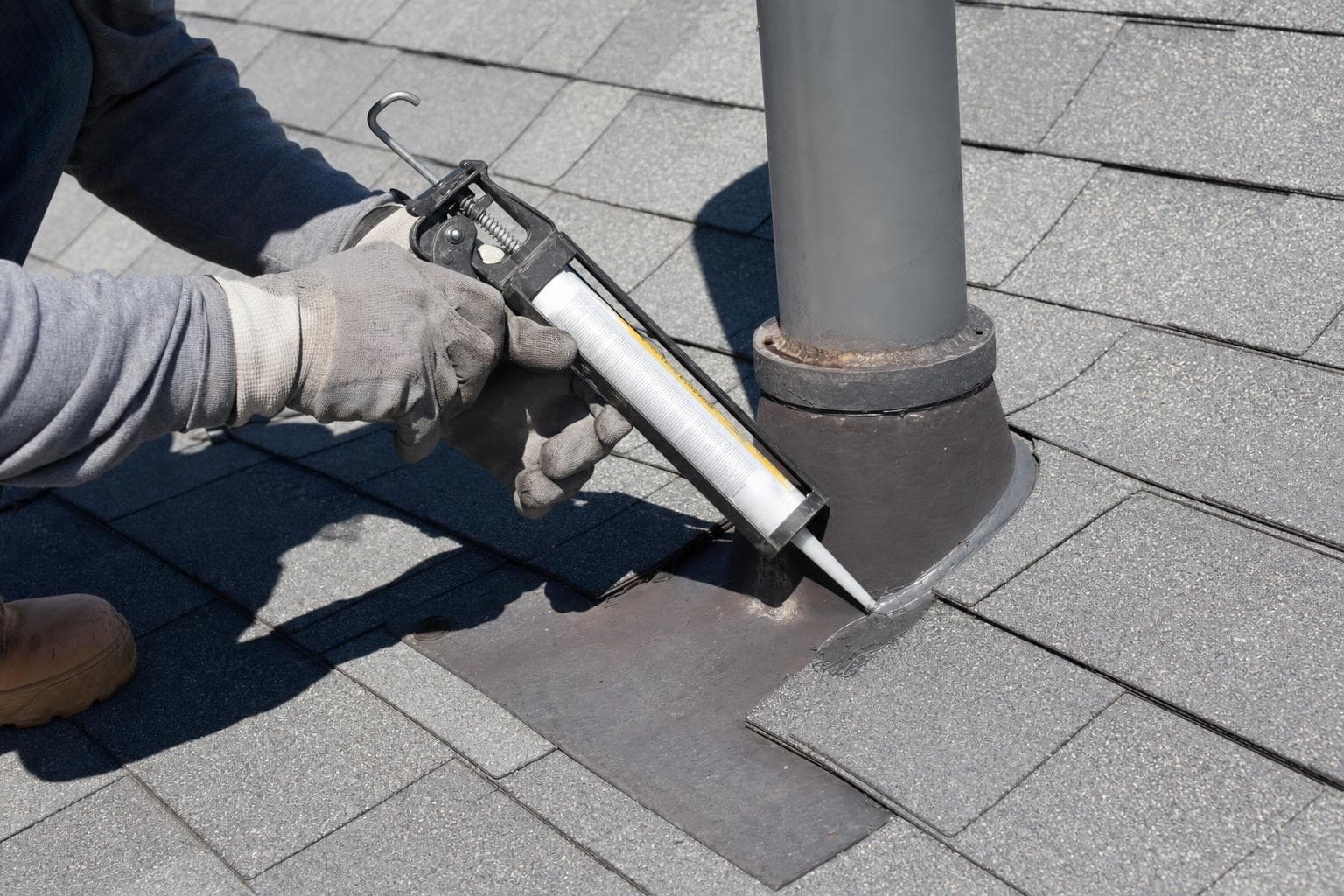
Poor ventilation, skipped maintenance, bad flashing details, and delayed repairs can all shorten roof life. A roof does not usually fail all at once. More often, small issues build up over time. A cracked boot, exposed nail, loose ridge cap, or minor flashing problem can let in water long before the whole roof looks old. If that moisture sits in a humid climate, decking and underlayment problems can follow. That is why routine inspections matter, especially after major wind and rain events.
Talk to a roofer today
Planning ranges, scope details, and a direct path to request a roofing quote.
How can you tell if your shingle roof is aging out?
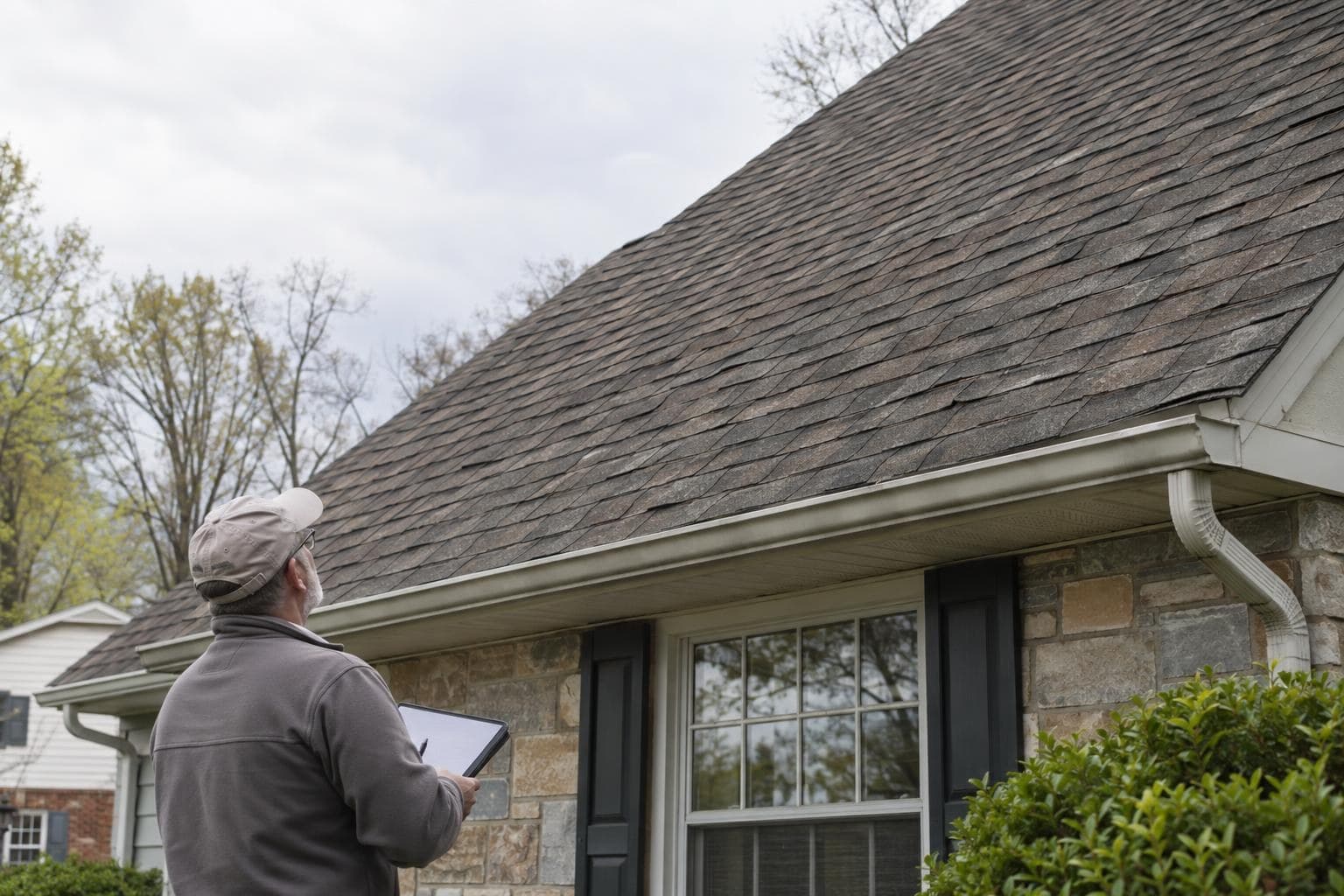
The clearest signs are repeated leaks, shingle damage that keeps spreading, and visible wear that shows the system is losing its ability to shed water. If repairs are becoming more frequent, your roof may be nearing the point where replacement makes more sense than another patch. You do not need to wait for a major interior leak to know the roof is at the end of its run.
- Missing, loose, or damaged shingles
- Curling, cracking, or shingles that no longer lie flat
- Flashing problems around roof penetrations and transitions
- Water stains in the attic or on ceilings
- Leaks after wind-driven rain
- Repairs that keep coming back in the same areas
- Signs that moisture has been trapped beneath the roof surface
Should you repair the roof or replace it?
Repair makes sense when the problem is limited and the rest of the roof still has solid life left. Replacement makes more sense when damage is widespread, leaks are recurring, or the roof is showing wear in multiple areas at once. But if you are fixing one section after another, that money may be better put toward a full replacement. The schedule for a shingle condition and replacement plan in Virginia should explain access, material staging, weather protection, inspections, and the process for discovered deck work.
What does a new shingle roof cost in Virginia?
For an early budget on a shingle condition and replacement plan in Virginia, compare the Virginia cost page with a proposal that identifies measurements, products, accessories, and exclusions. Those numbers help you compare whether another repair is worth it or whether replacement gives you better value.
Is Class 4 worth considering in Virginia?
It can be worth considering if you want added impact resistance and you plan to stay in the home. In storm-prone conditions, a tougher roof system may help reduce future damage risk. When comparing a shingle condition and replacement plan in Virginia, use a written insurer response rather than a sales estimate for any impact-resistant roof credit. Before you choose a product, ask your insurer what proof they require and whether the specific roof system you are considering qualifies.
What should you do after storm damage in Virginia?
Start by protecting the home from further damage, documenting what happened, and getting the roof inspected. Virginia’s consumer guidance says you should make necessary temporary repairs as soon as possible to protect your property from further damage, including boarding up openings and patching holes in walls or roofs. It also says most homeowners policies cover the reasonable costs of emergency clean-up and temporary repairs. Take photographs before cleanup and keep receipts for your expenses. For shingle roof lifespan in Virginia, ask the insurer and state insurance regulator for the current notice, proof-of-loss, inspection, acknowledgment, and decision deadlines that apply to the claim. It also explains that some homeowners policies contain a special deductible for wind or hurricane losses, separate from other deductibles on the policy. Review your policy language closely after a storm so you know which deductible may apply.
How do you choose the right roofer for an aging roof?
Choose a local contractor whose credentials you verified, confirm the business is properly licensed through the state lookup, and get everything in writing before work begins. Virginia licenses contractor businesses through the Board for Contractors, and the practical move is to ask for a signed contract and written estimates before work begins. The state’s insurance guidance also says not to sign any contracts for major repair until the company representative has determined how much damage there is and how much the company will pay. It also warns against signing your insurance check over in advance, and says a contract should specify that payments will be made as the work is completed. If your roof is aging and you are not sure whether you need a repair or full replacement, an inspection gives you the clearest next step.
Sources
Reviewed technical references for Virginia
Related Virginia roofing guides
Related services
Updated July 27, 2026
3D Roofs Editorial Team
Editorial Standards