Updated July 27, 2026

3D Roofs Editorial Team
Editorial Standards
In Wisconsin, a shingle roof can wear out faster when freeze-thaw cycles, heavy winter weather, summer storms, and wind keep stressing the same weak points year after year. If you want your roof to last as long as possible, the big factors are weather exposure, installation quality, attic ventilation, drainage, and how quickly small damage gets repaired. The key is simple: a roof usually does not fail all at once. It ages in stages, and catching those stages early can help you avoid interior damage.
How long does a shingle roof last in Wisconsin?
The direct answer is that a shingle roof in Wisconsin lasts as long as it can keep handling repeated weather stress without losing too many shingles, seals, flashing points, and roof-edge details. Wisconsin roofs are exposed to freeze-thaw cycles, heavy winter weather, summer storms, and wind. Snow and ice can stress shingles, flashing, and roof edges. Wind and hail can loosen or remove roofing materials. Rain can then work into those weak spots and turn a small issue into interior damage. That means roof lifespan here depends less on a simple calendar number and more on how your specific roof responds to those conditions over time.
What makes shingles wear out faster in Wisconsin?
The short answer is moisture, temperature swings, and storm damage. Freeze-thaw cycles can open tiny gaps, then keep working them wider. Snow and ice add weight and hold moisture along eaves, valleys, and flashing. Wind can lift shingle edges or break the seal that helps shingles stay in place. Hail can bruise or crack shingles, even when the damage is not obvious from the ground. Once roofing materials are loosened, rain can move into those weak spots. In older homes, roof work can also overlap with lead-safe renovation concerns when paint-disturbing work affects pre-1978 housing.
- Freeze-thaw cycles that repeatedly expand and contract roofing materials
- Heavy winter weather that stresses shingles, flashing, and roof edges
- Snow and ice that hold moisture in vulnerable areas
- Wind that loosens shingles or removes them
- Hail that damages shingle surfaces and seal points
- Rain that turns minor roof damage into leaks and interior problems
- Delayed repairs that let a small issue spread
What parts of the roof usually fail first?
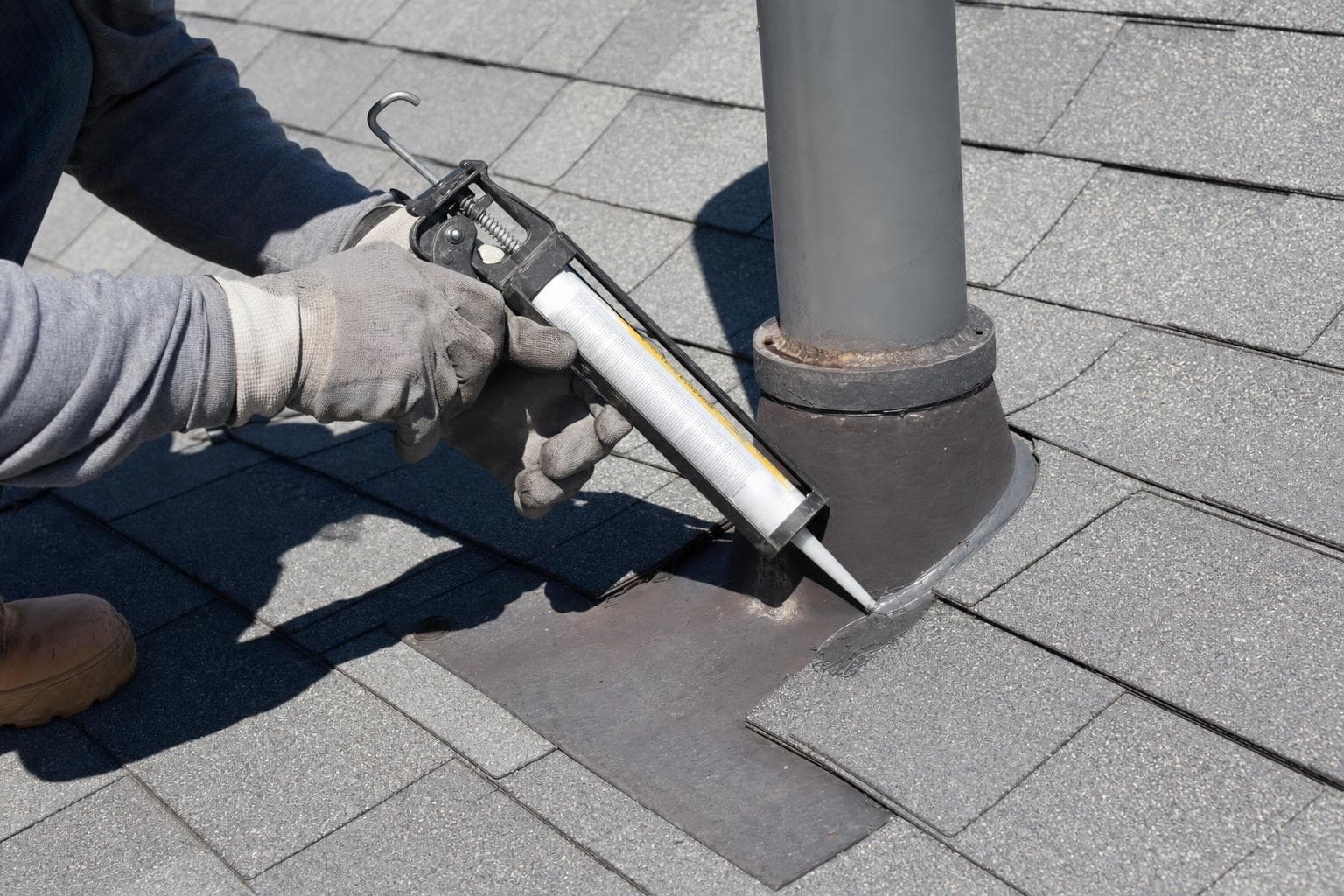
The first trouble spots are usually the parts of the roof that handle the most water, wind, or movement. That often means flashing around penetrations, roof edges, valleys, ridge areas, and any section where shingles meet a wall or change direction. On many homes, the shingles themselves are only part of the story. If flashing shifts, edges loosen, or seal lines weaken, water can get in before the whole roof looks old from the street. That is why an inspection matters when you see even minor signs of wear.
Talk to a roofer today
Planning ranges, scope details, and a direct path to request a roofing quote.
How can you tell if your shingle roof is aging out?
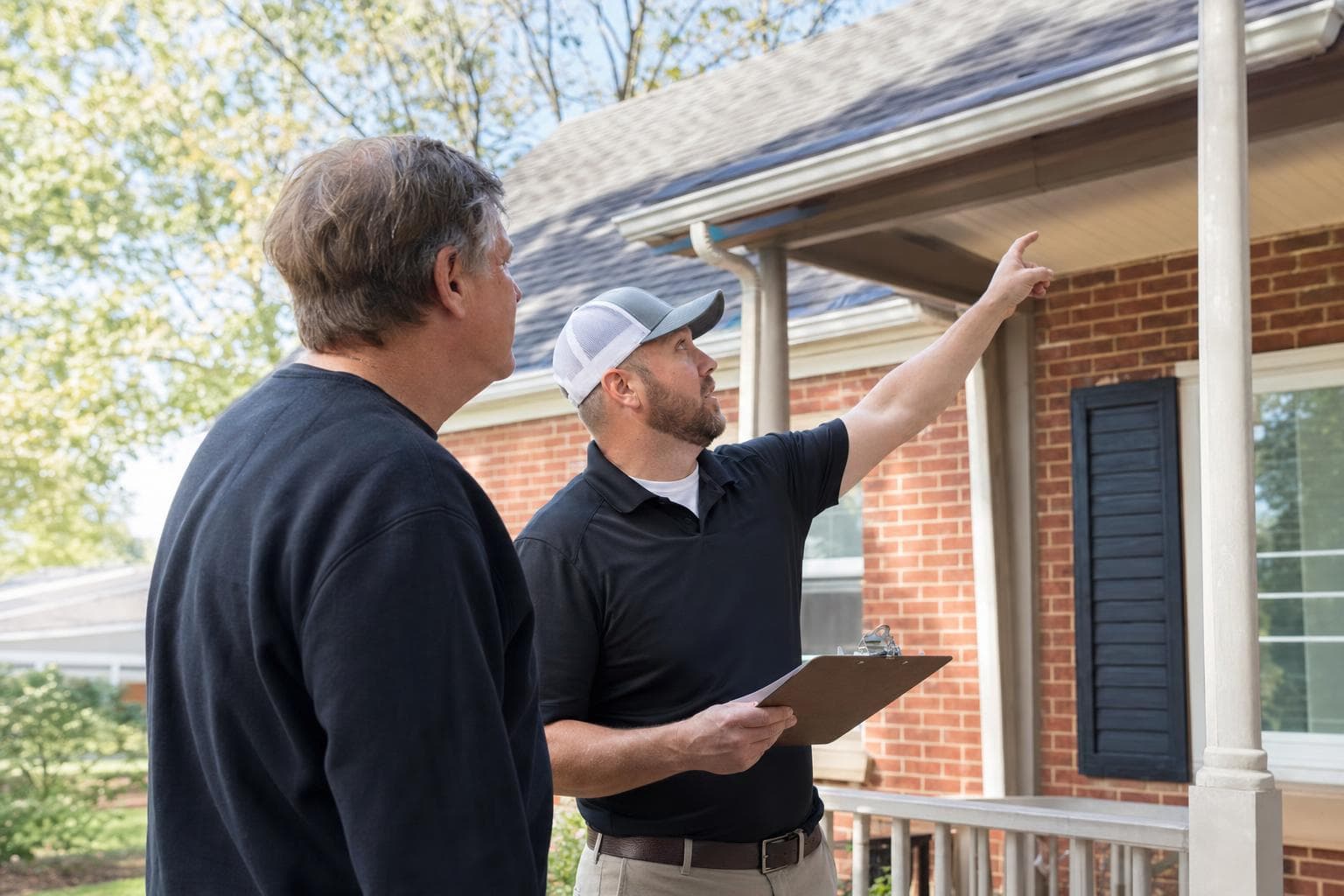
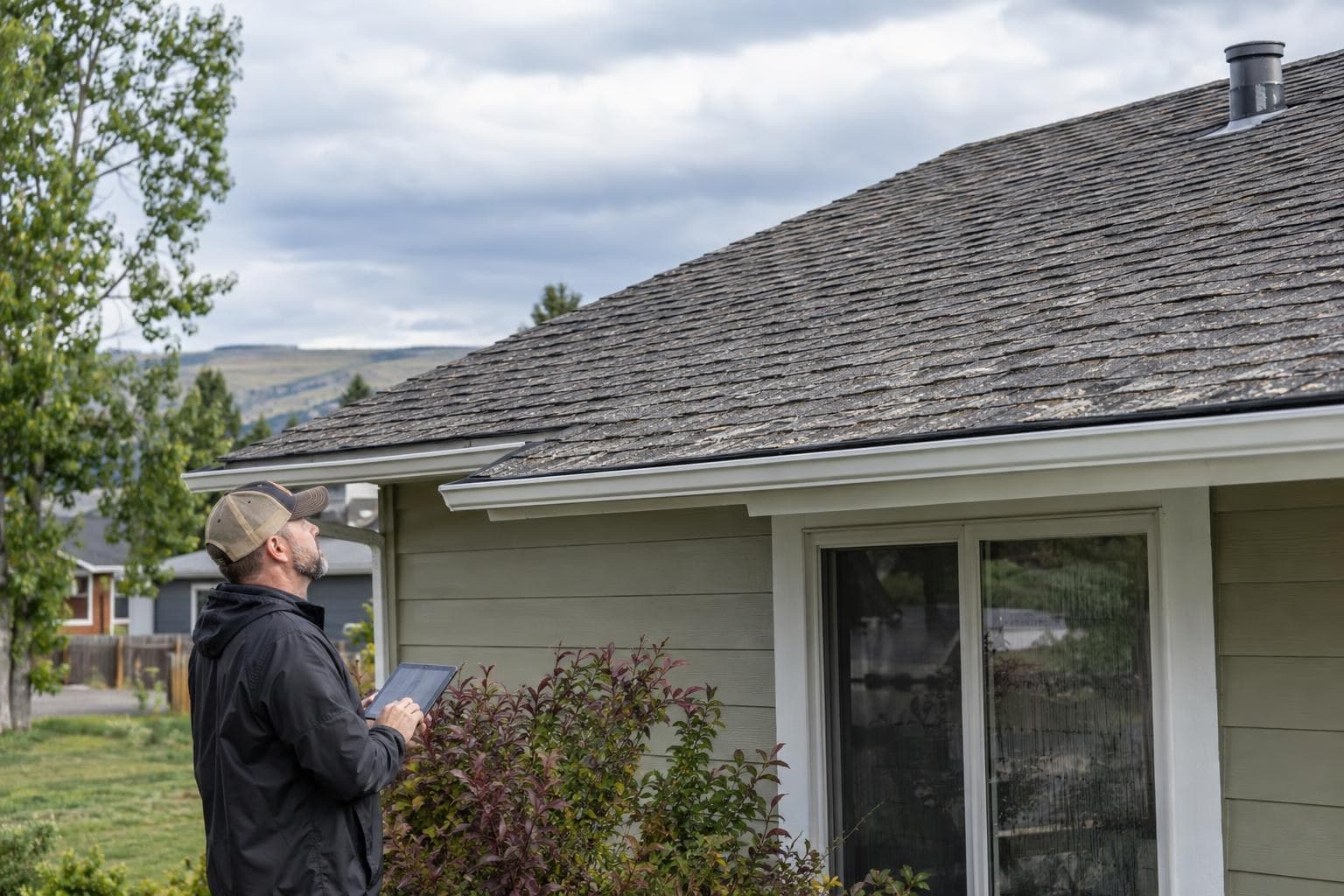
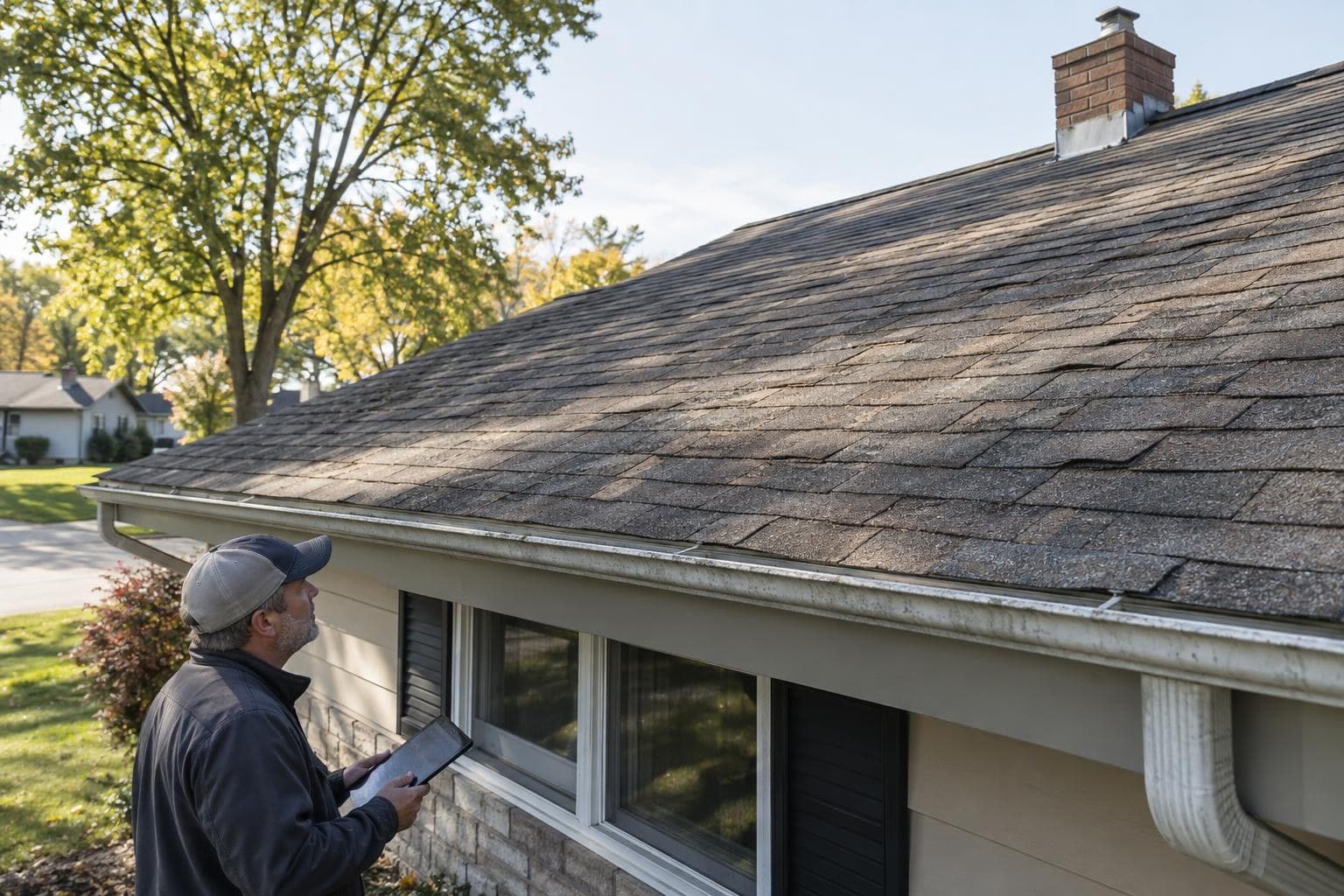
The clearest answer is that an aging roof starts showing repeated signs that its protective layers are breaking down. You may see missing shingles after wind, visible wear patterns, loose roof edges, damaged flashing, or water stains inside the house. Sometimes the warning sign is not a dramatic leak. It is a roof that needs more frequent repairs, especially after each winter or storm season. If the same areas keep failing, replacement may make more sense than continuing to patch it.
- Shingles that are missing, loose, or visibly out of place
- Areas that look worn after storms or winter weather
- Flashing damage around chimneys, vents, or wall intersections
- Roof edges that look stressed or uneven
- Interior water stains or signs that rain is getting past the roof system
- Repair needs that keep coming back in the same spots
When should you repair a roof, and when should you replace it?
The answer is to repair isolated damage, but consider replacement when wear is widespread or recurring. If wind, hail, winter weather, and age have affected multiple areas, replacement is often the better long-term move. The schedule for a shingle condition and replacement plan in Wisconsin should explain access, material staging, weather protection, inspections, and the process for discovered deck work.
What roofing option makes sense if your Wisconsin roof is wearing out?
The direct answer is that many homeowners compare standard replacement cost with the added durability and possible insurance benefit of a higher impact rating. For an early budget on a shingle condition and replacement plan in Wisconsin, compare the Wisconsin cost page with a proposal that identifies measurements, products, accessories, and exclusions. If you are considering impact-resistant shingles, ask your carrier whether it offers a discount for a Class 4 roof. When comparing a shingle condition and replacement plan in Wisconsin, use a written insurer response rather than a sales estimate for any impact-resistant roof credit. Discounts are set by the insurance carrier, so you should confirm eligibility, documentation requirements, and how the roof product must be identified on your policy.
What should you do after a storm if you think roof damage shortened its lifespan?
Start the claim right away, document everything, and avoid throwing damaged materials away before the adjuster agrees. After a storm, notify your insurance agent or insurance company right away to begin the claim process. Make a list of damaged items for your adjuster, take photographs of the damage, keep swatches of damaged material when possible, and keep all receipts that document repair or replacement costs. You should not throw out damaged property without the claim adjuster’s agreement. If local officials require disposal for safety reasons, photos and swatches can help support your claim.
It also helps to understand coverage limits before you assume every water problem came from the roof in a way your policy will cover. Most homeowners policies do not cover flooding or seepage through the foundation. A separate flood insurance policy is necessary for that coverage. Damage from sewer backup or sump pump overflow is not covered by standard homeowners insurance or flood insurance, and requires a special endorsement on your homeowners policy. If you have a specific complaint about your insurance, state guidance says to refer it first to the insurance company or agent involved. If you do not receive satisfactory answers, you can contact OCI.
How do you choose the right roofer for an aging roof in Wisconsin?
The best approach is to slow down, ask clear questions, and make sure you understand who is doing what. After a storm, the state tells you to take your time, step back if you feel pressured to sign quickly, and check for complaints before you hire. When you talk with a local contractor whose credentials you verified, ask who will pull the permit if one is needed, ask for the business name you should look up with the state, and ask how they handle documentation for your adjuster. In Wisconsin, roofing and other residential exterior work often ties into dwelling contractor credential rules. State guidance says no person may obtain a building permit for a one- and two-family dwelling unless that person holds a Dwelling Contractor certification or Dwelling Contractor Restricted certification, and holds or engages a person who holds a Dwelling Contractor Qualifier certification.
What is the smartest next step if you think your roof is near the end?
The simplest answer is to get the roof looked at before the next round of bad weather turns wear into water damage. If your shingles have been through repeated freeze-thaw cycles, heavy winter weather, summer storms, and wind, an inspection can help you tell the difference between a repairable issue and a roof that is aging out. If replacement is the better path, you can compare current planning prices, review options like Class 3 and Class 4 shingles, and use the Wisconsin cost page and the calculator to plan your budget. Acting early gives you more control over timing, product choice, and the scope of work.
Sources
- Asphalt Roofing Manufacturers Association: Residential Asphalt Roofing Manual: Ventilation Best Practices
- Insurance Institute for Business & Home Safety: Natural Weathering and Hazard Exposure
- Wisconsin Office of the Commissioner of Insurance, After a Storm Hits
- Wisconsin Department of Safety and Professional Services, Dwelling Contractor
Reviewed technical references for Wisconsin
Related Wisconsin roofing guides
Related services
Updated July 27, 2026
3D Roofs Editorial Team
Editorial Standards