Updated July 10, 2026

3D Roofs Editorial Team
Editorial Standards
If you own a home in Florida and have never had a wind-mitigation inspection, you may be leaving money on the table every year. It is a short inspection that documents how well your roof and home are built to survive hurricane wind, and Florida law requires insurers to reward the features it verifies. Here is what it covers and why it is one of the best-value inspections a Florida homeowner can buy.
What a wind-mitigation inspection actually is
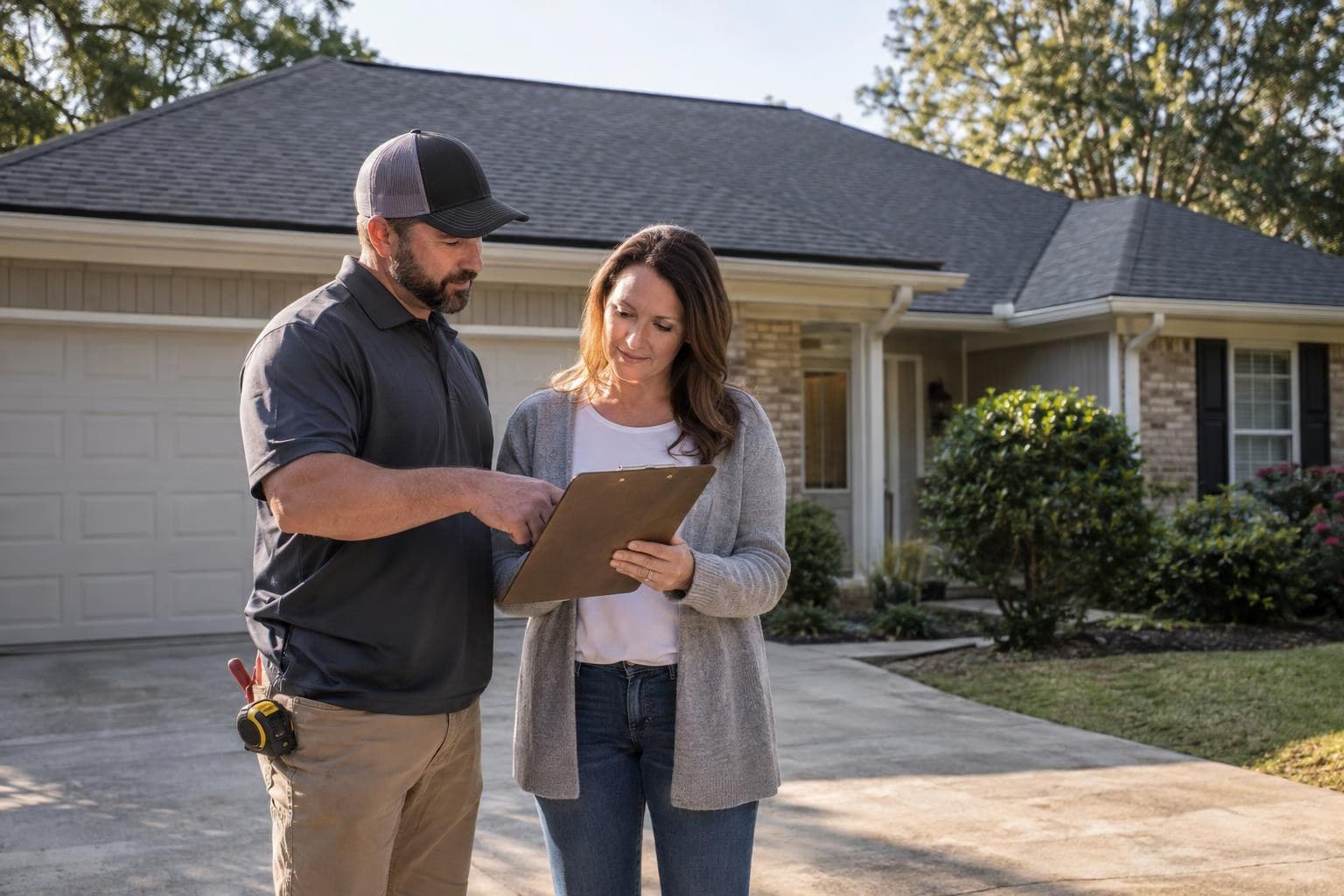
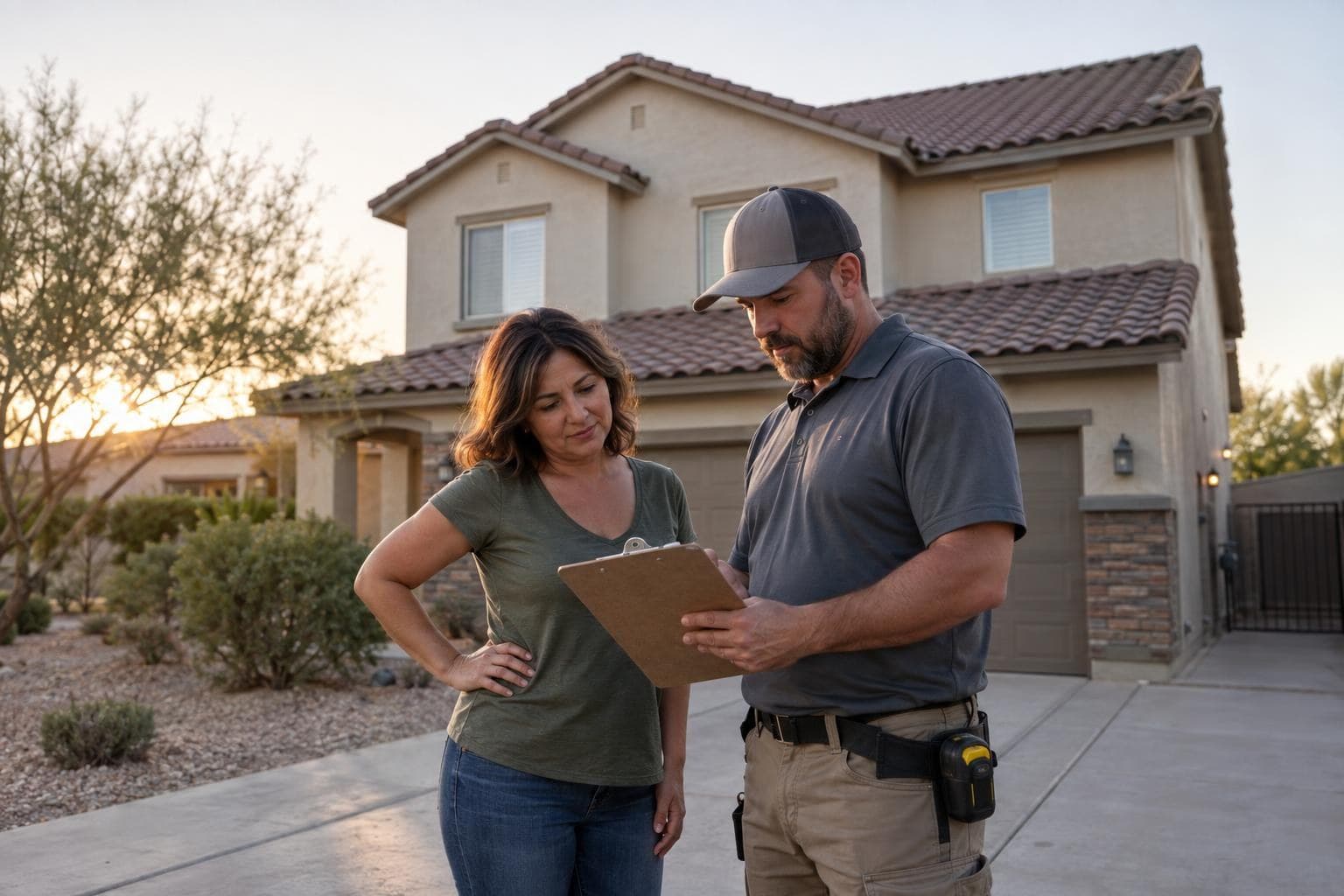
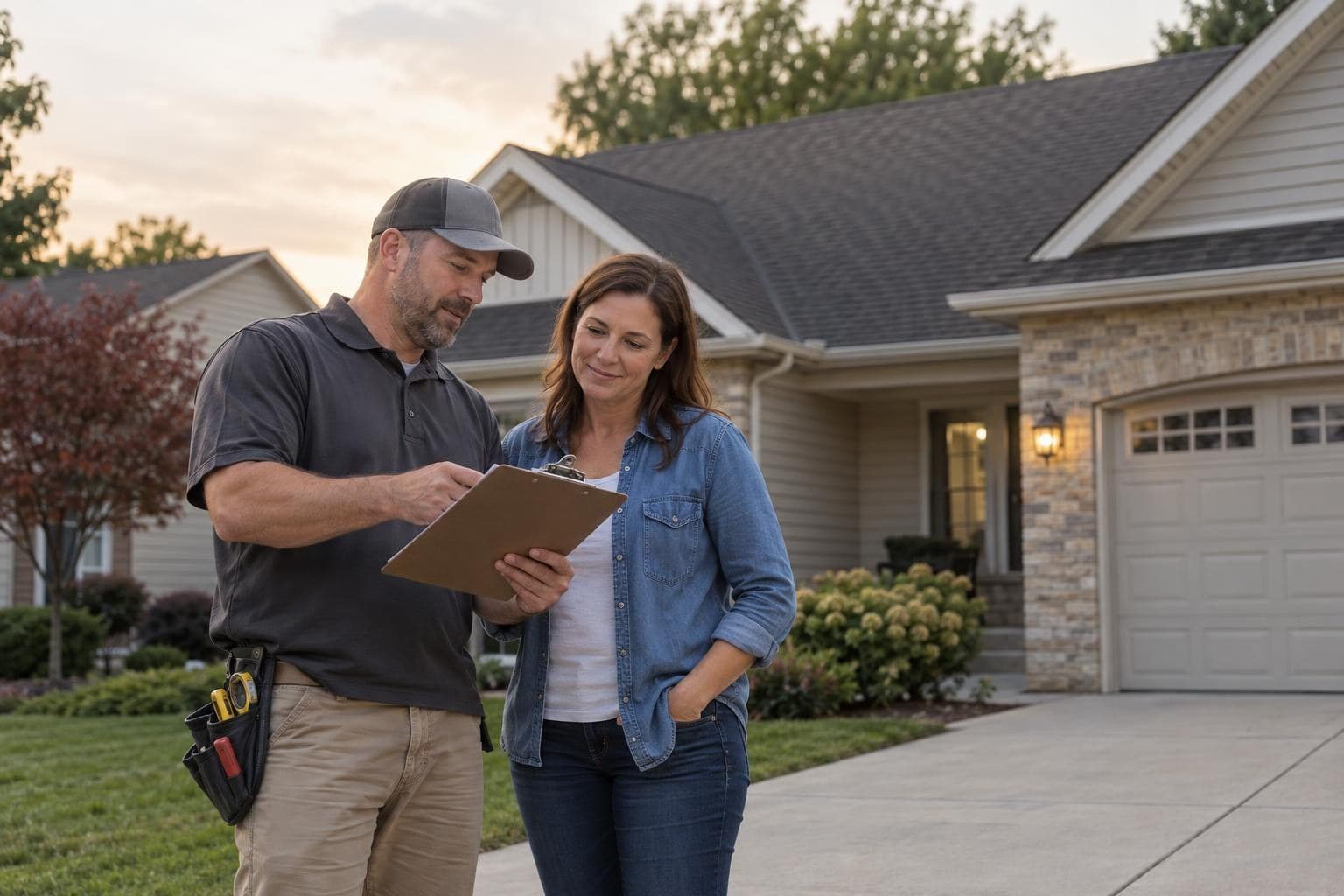
A licensed inspector visits your home and records the wind-resistant features of your roof and structure, then certifies them on the state's Uniform Mitigation Verification form, known as the OIR-B1-1802. That form is what your insurer reads to apply your discounts. It is not a pass-fail safety inspection and it is not a roof condition report, it is a standardized record of the features that make your home harder for a storm to peel apart.
The features it documents
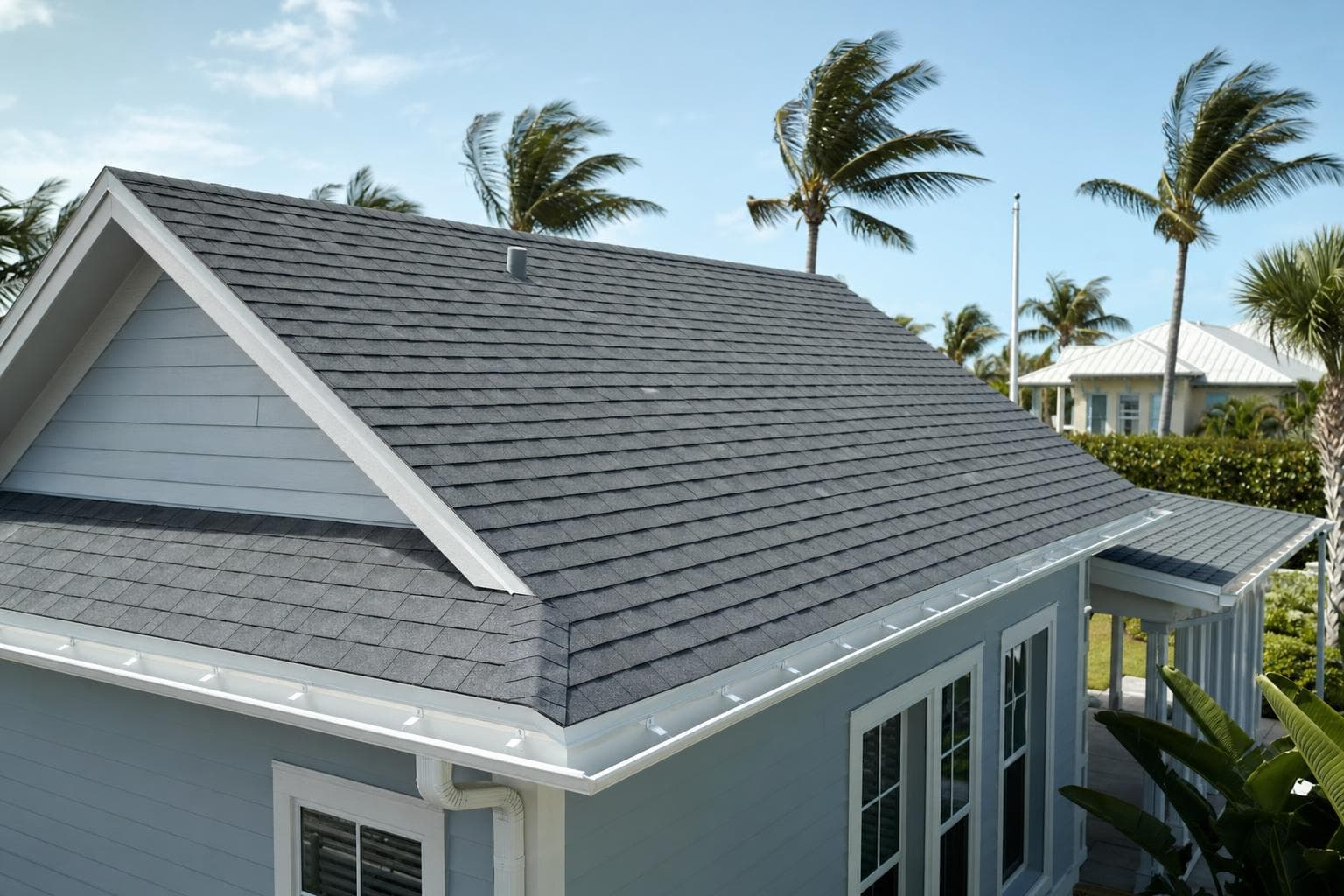
- Roof covering and whether it meets the current Florida Building Code.
- Roof deck attachment, the nail type and spacing holding your sheathing down.
- Roof-to-wall connection, such as clips, single wraps, or double wraps.
- Roof shape, with a hip roof scoring better than a gable for wind.
- A secondary water barrier or sealed roof deck under the covering.
- Opening protection, like impact-rated windows and doors.
The discount it unlocks, by law
Florida law (Statute 627.0629) requires home insurers to give premium credits for verified wind-resistant features. This is not a courtesy discount the carrier can skip, it is a legally required credit tied to what the OIR-B1-1802 documents. The savings vary by home and carrier, but for a well-built or recently re-roofed home they can be a large share of the windstorm portion of your premium. The form is your proof; compare the inspection cost with the insurer-applied credit after the carrier reviews it rather than assuming a return.
Talk to a roofer today
Planning ranges, scope details, and a direct path to request a roofing quote.
When to get one, especially after a new roof
If you just replaced your roof, this is the moment to get a wind-mitigation inspection. A new, code-compliant roof with strong deck attachment and a sealed deck is exactly what the form rewards, and the credit only applies once it is documented and on file with your insurer. Think of it as the paperwork that turns a good roof into a lower premium. It is Florida's analog to a state cert: the inspection that converts wind-resistant construction into real savings.
Prepare evidence before the inspection
A Florida wind-mitigation inspection records specific construction features; it is not a general roof-condition report and it does not promise a particular premium. Gather permits, prior inspection forms, product approvals, reroof invoices, and photographs before the appointment. Clear safe access to the attic so the inspector can evaluate the roof-to-wall connection, deck attachment, and other features that cannot be confirmed from the driveway.
- Use a qualified inspector and verify the credentials tied to the completed form.
- Provide documents that identify the roof covering, installation date, product approval, and permitted work.
- Make attic access usable and point out shutters or opening-protection records that may need verification.
- Review the form for the property address, photographs, answers, signatures, and supporting documents before submission.
- Send the completed form to the insurer and ask it to confirm any applied credit in writing.
Know what the report does not decide
The report documents qualifying features on the state form, while the insurer reviews eligibility and applies its filed rating rules. It does not replace a leak inspection, four-point inspection, permit search, or structural evaluation. If a new roof is planned, ask which documented features could change during construction and what records should be preserved so the next inspection reflects the work accurately.
Sources
A wind-mitigation inspection is the paperwork that turns a storm-ready roof into a lower Florida premium, and the discount is required by law.
Related reading and source material
Start with the Florida loss facts and policy
Coverage depends on the documented cause of loss and the policy language, not roof age or the contractor's preferred project. Record when the condition appeared, the affected roof area, relevant weather, temporary work, and interior evidence. Then review deductibles, exclusions, roof endorsements, valuation terms, duties after loss, and reporting deadlines with the insurer. For a Florida property, treat coastal salt, inland trees, low-slope additions, and roof geometry as address-level questions rather than statewide assumptions. For a wind-mitigation inspection in Florida, use the linked Florida Building Commission / Florida Building Code (HVHZ) reference as the state-reference checkpoint and test the recommendation against the address's wind-driven rain, humid drying, tree debris, shaded slopes, and coastal exposure where it applies.
Separate damage evidence from replacement scope in Florida
A covered event may support repair, replacement of one roof area, or a larger project depending on distribution, tie-in feasibility, code, and policy terms. The contractor should show cause, consequence, distribution, and uncertainty. The insurer decides coverage; the local building official decides code questions; neither decision should be replaced by a sales statement. For a Florida property, compare wind-driven rain, humid drying conditions, tree debris, and any coastal or open-terrain exposure actually present at the property. For a wind-mitigation inspection in Florida, check the linked Florida Office of Insurance Regulation (wind-mitigation premium discounts) reference for the state-level question while the property inspection addresses wind-driven rain, humid drying, tree debris, shaded slopes, and coastal exposure where it applies.
Preserve temporary and permanent records in Florida
Photograph conditions before emergency protection when safe, keep receipts, and avoid discarding removed material until the insurer's process allows it. Temporary dry-in should be authorized separately from permanent construction when practical. Keep overview photographs that locate close-ups so the Florida record remains understandable after the roof is covered. For a wind-mitigation inspection in Florida, separate the documented cause and roof-area evidence from the insurer's coverage and valuation decision.
Compare the construction contract after coverage is known in Florida
The insurer estimate is not automatically a construction scope, and the contractor proposal is not a coverage decision. Reconcile quantities and work items, identify owner upgrades and uncovered work, and build a payment schedule from confirmed obligations. The deductible, supplements, depreciation, and change orders should each remain visible. For a wind-mitigation inspection in Florida, preserve temporary-work records and reconcile the insurer estimate with the contractor's measured construction scope.
What to confirm before finalizing a wind-mitigation inspection in Florida
Treat coastal salt, inland trees, low-slope additions, and roof geometry as address-level questions rather than statewide assumptions. For a wind-mitigation inspection in Florida, use the reviewed state resources linked on this page, including Florida Building Commission / Florida Building Code and Florida Office of Insurance Regulation, to verify current credentials, insurance boundaries, contract terms, or consumer requirements that apply. Confirm permits and inspections locally, and keep the property evidence separate from any policy or sales promise.
- Locate the affected Florida roof area and preserve overview photographs, close-ups, temporary-work records, and receipts.
- Read the declarations, roof endorsements, deductible, valuation terms, exclusions, duties after loss, and payment letter together.
- Keep the contractor's construction scope separate from the insurer's coverage and claim decisions.
- Confirm the Florida permit and inspection path with the local building department before work begins.
- Keep the Florida photographs, contract, approved changes, invoices, payments, product records, and warranties together.
- Reconcile issued funds, homeowner payments, depreciation, supplements, upgrades, and the final invoice for the wind-mitigation inspection.
Reviewed technical references for Florida
Related Florida roofing guides
Related services
Updated July 10, 2026
3D Roofs Editorial Team
Editorial Standards