
Updated July 10, 2026

3D Roofs Editorial Team
Editorial Standards
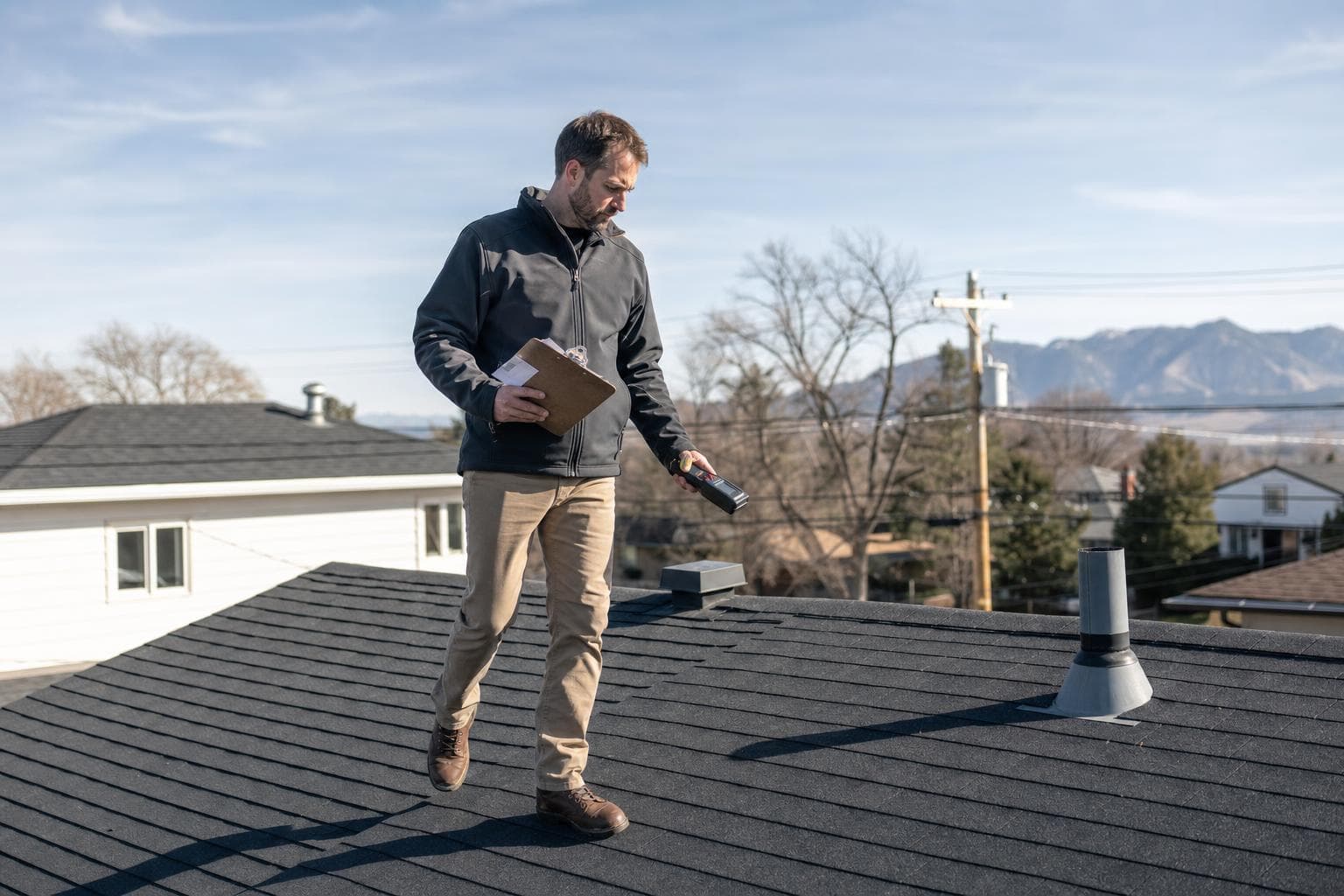
A roof inspection in Port Orange is most useful when it is built around a decision: find a leak, assess a storm, plan maintenance, or understand a roof before a home transaction. Hot, humid coastal subtropical weather with intense UV, near-daily summer storms, salt air off the nearby Atlantic, and direct exposure to hurricanes and wind-driven rain just south of Daytona Beach. State what decision the report needs to support, then require located photographs, clear access limits, and recommendations tied to observed roof conditions rather than a generic replacement pitch.
Choose the right roof inspection for your decision in Port Orange
A useful inspection is designed around the question you need answered. A leak, a recent storm, a home purchase, and a maintenance plan do not require the same access or final report.
Define the purpose before the visit
Tell the inspector about timing, symptoms, prior work, storm dates, and the decision you face. In Port Orange, local concerns such as wind uplift and blow-off during hurricanes and tropical storms and salt-air corrosion of fasteners, flashing, and metal accessories may deserve attention, but only when they apply to the property.
Inspect the interfaces, not just the field
A complete review should address accessible covering, ridge, edges, drainage, flashing, penetrations, transitions, prior repairs, and relevant attic or interior evidence. Access limits should be stated, not silently skipped. The report should also distinguish areas that were observed directly from areas reviewed by camera or from the ground.
Deliver findings you can act on
The report should locate photographs, separate urgent defects from maintenance and monitoring, explain why each recommendation is made, and provide enough detail to request comparable repair scopes from more than one roofer.
What a roof inspection costs in Port Orange
Professional roof inspections commonly range from $75-$1,300 in Port Orange. The method and deliverable matter: a visual condition check, drone survey, moisture scan, leak investigation, and documented real-estate or storm report are different services.
- Visual or ladder inspection
- A routine accessible-roof review with a defined set of findings
- $125-$425
- Drone inspection
- Useful when height, pitch, fragility, or access limits walking the roof
- $150-$600
- Infrared or moisture scan
- Specialized investigation for suspected trapped moisture or hidden leak paths
- $300-$1,325
- Documented report add-on
- Photographs, locations, and written findings for a transaction or claim file
- $75-$375
Cost ranges are estimates developed from standardized project scopes and reviewed pricing inputs. Government labor and regional cost data are used where applicable. See our Pricing Methodology for the exact sources, calculations, and review date. Actual prices vary by property, scope, materials or equipment, location, and provider.
For a deeper breakdown, open the roof inspection cost guide. A quote visit, leak investigation, storm-condition report, transaction assessment, drone review, and specialized moisture or structural evaluation are different services. Confirm the exact deliverable, access method, photographs, written findings, follow-up, and any fee credit before comparing prices.
What a useful roof inspection should cover in Port Orange
The inspection scope should follow the decision, but it also has to reflect the roof in front of the inspector. In Port Orange, that means testing local concerns against the actual materials, roof areas, drainage, prior work, and accessible interior evidence.
Roof areas and evidence to review
The inspector should account for wind uplift and blow-off during hurricanes and tropical storms. The review should also test salt-air corrosion of fasteners, flashing, and metal accessories. Those are local starting points, not automatic findings; the report should show whether either condition is present and where it affects the roof.
- Covering, ridge, edges, valleys, drainage, and attachment
- Flashing, walls, penetrations, vents, skylights, and prior repairs
- Accessible decking, attic, insulation, and interior moisture when relevant
- Areas not observed directly and the reason access was limited
What the final report should explain
A decision-ready Port Orange report should locate photographs, distinguish what was observed from what was inferred, and connect every recommendation to a condition. It should make clear what needs prompt action, what can be maintained or monitored, and what does not currently need roofing work.
- The purpose, method, date, roof areas, and materials reviewed
- Observed defects, likely causes, limitations, and unanswered questions
- Repair, maintenance, monitoring, or further-specialist recommendations
A useful inspection reduces uncertainty. It should leave you with enough evidence to choose the next step without turning every aging detail into an emergency.
How Port Orange exposure changes a roof inspection
Port Orange sits in Volusia County a few miles from the Atlantic, with extreme wind risk and serious flood potential during hurricanes. Roofs face high winds, wind-driven rain, and salt-laden air, and recent storms have made wind-resistant, well-sealed roofs essential here.
NOAA storm reports logged 25 hail events, 12 damaging thunderstorm-wind events, and 7 tornadoes in Volusia County from 2020 through 2025.
Match the timing to the question
Port Orange sits in Volusia County a few miles from the Atlantic, with extreme wind risk and serious flood potential during hurricanes. Roofs face high winds, wind-driven rain, and salt-laden air, and recent storms have made wind-resistant, well-sealed roofs essential here. After a reported event, the inspector should record the date, affected roof areas, temporary work, and interior changes. For maintenance or a transaction, the emphasis shifts to current condition, remaining repairability, and items worth planning.
Weather can limit what can be observed
Wet roofing, high wind, lightning, heat, frost, steep access, fragile materials, or debris can make direct inspection unsafe. The report should identify those limits and explain whether camera-assisted review or a return visit is needed instead of implying every area was inspected the same way.
Local exposure is context, not a diagnosis
Hot, humid coastal subtropical weather with intense UV, near-daily summer storms, salt air off the nearby Atlantic, and direct exposure to hurricanes and wind-driven rain just south of Daytona Beach. Those conditions tell the inspector where to look closely, but the recommendation still has to come from property-specific evidence, material condition, drainage, attachment, and the roof's ability to accept a durable repair.
Using a Port Orange roof inspection when insurance may be involved
A roofer can document visible conditions, locate photographs, describe material effects, and write a construction scope. The insurer interprets the policy and decides coverage. The report should not label a condition covered, claimable, or excluded unless that conclusion comes from the appropriate insurance professional.
A wind mitigation inspection is especially valuable in coastal Volusia County and can earn significant Florida premium credits for documented straps, nailing, and a secondary water barrier.
Florida carriers cannot refuse or non-renew solely because a roof is over 15 years old if it passes inspection, so keep a current inspection report.
Hurricane claims carry a separate hurricane deductible, document wind and water damage thoroughly and get an inspection before filing if the extent is unclear.
What Florida rules mean when choosing a roof inspection
The right provider depends on the purpose. A roofing contractor may be appropriate for diagnosis and repair scope, while a transaction, structural question, dispute, appraisal, or insurance role may require different credentials or independence under state and local rules.
The strictest roofing code in the country, and it is strictest in South Florida
Florida builds to the Florida Building Code, and Miami-Dade and Broward counties sit in the High-Velocity Hurricane Zone (HVHZ), which carries the toughest wind-resistance roofing rules in the United States. In the HVHZ, every shingle, tile, underlayment, and fastener has to carry a Miami-Dade Notice of Acceptance or Florida Product Approval rated for that zone, and installs follow stricter fastening and underlayment standards. Whoever roofs your home has to pull a permit and meet the code for your area, so confirm they do.
You no longer always have to replace the whole roof to fix part of it
Until 2022, Florida's "25% rule" generally forced a full roof replacement if more than 25% of the roof was repaired or replaced in a year. SB 4-D changed that: if your roof was built to the 2007 Florida Building Code or later (roughly, permitted on or after March 1, 2009), now only the repaired section has to be brought up to current code, not the entire roof. That can be the difference between a repair and a tear-off, so it is worth knowing where your roof stands.
A wind-mitigation inspection can cut your premium, and the discount is required by law
Florida law (Statute 627.0629) requires home insurers to give premium credits for verified wind-resistant features, things like a hip roof shape, a sealed roof deck, and code-rated shingle attachment. A licensed inspector documents them on the state's Uniform Mitigation Verification form (OIR-B1-1802), and the windstorm savings can be substantial. If you are replacing or upgrading a roof, get the wind-mitigation inspection afterward so you actually capture the credit you are owed.
Choosing a roof inspector in Port Orange
Florida does license roofers at the state level, so here "licensed" means something you can check. Verify it: state-certified roofing contractors carry a license starting with "CCC," and registered (local) ones start with "RC," and you can confirm status and any complaints free at the Department of Business and Professional Regulation (myfloridalicense.com). Then confirm current general-liability and workers'-compensation insurance, real local references, and hands-on experience with your area's code and wind-mitigation requirements. A roofer who knows the HVHZ rules and how to set you up for the wind-mitigation discount is worth far more than one who does not.
Sources: Florida Building Commission / Florida Building Code (HVHZ) · Florida Office of Insurance Regulation (wind-mitigation premium discounts) · Florida DBPR (verify a roofing contractor's license) · Citizens Property Insurance Corporation (state insurer of last resort)
Roof inspection questions Port Orange homeowners ask
Which type of roof inspection do I need in Port Orange?+
Choose the inspection by the decision you need to make. An active leak calls for tracing the water path; a recent event calls for roof-area documentation and comparison with prior conditions; maintenance calls for current defects and items to monitor; and a purchase, sale, structural concern, or dispute may call for an independent report or a differently qualified professional. Tell the provider the purpose before asking for a price.
What should a roof inspection cover in Port Orange?+
The scope should identify accessible roof areas and materials, then review covering, ridge, edges, valleys, drainage, flashing, penetrations, vents, skylights, attachment, and prior repairs. Attic, decking, insulation, and interior evidence should be included when relevant and accessible. In Port Orange, the inspector should test concerns such as wind uplift and blow-off during hurricanes and tropical storms and salt-air corrosion of fasteners, flashing, and metal accessories against the actual property rather than assuming they exist.
How much does a roof inspection cost in Port Orange?+
The 3D Roofs planning model puts a visual or ladder inspection in Port Orange around $125-$425, a drone inspection around $150-$600, and a specialized infrared or moisture scan around $300-$1,325. A documented report add-on is around $75-$375. These are different deliverables, so confirm access, photographs, written findings, testing, follow-up questions, and whether any fee is credited toward later work.
Should a roof inspection in Port Orange include the attic and interior?+
Include them when the inspection question involves a leak, moisture, ventilation, decking, structural movement, or unexplained staining and the areas can be entered safely. Interior evidence can show where water traveled even when the exterior entry point is elsewhere. If access is blocked, unsafe, or outside the agreed scope, the report should state that limit instead of implying those areas were inspected.
What should a roof inspection report show in Port Orange?+
The report should state the purpose, date, method, roof areas and materials reviewed, and any access limits. Photographs should be located by slope or roof section, and each finding should separate observation from diagnosis. Recommendations should identify prompt repairs, maintenance, monitoring, or further specialist review and explain the condition behind each next step.
Is a free roof quote visit the same as an independent roof inspection?+
No. A quote visit is designed to diagnose and price roofing work and may be enough for a straightforward repair. A transaction, structural question, dispute, appraisal, or other independent condition report may require different credentials, testing, documentation, and financial independence. Ask who the report is for, whether the provider also bids the work, and whether the recipient will accept that type of report.
How should a post-storm roof inspection in Port Orange differ from a maintenance inspection?+
Port Orange sits in Volusia County a few miles from the Atlantic, with extreme wind risk and serious flood potential during hurricanes. Roofs face high winds, wind-driven rain, and salt-laden air, and recent storms have made wind-resistant, well-sealed roofs essential here. A post-storm report should record the reported event, temporary work, and material-specific findings by roof area, then separate observed event effects from age, installation, manufacturing marks, and prior repairs. A maintenance inspection instead focuses on current serviceability, drainage, sealants or fasteners where applicable, developing defects, and work worth planning before the next severe-weather cycle.
