Updated July 10, 2026

3D Roofs Editorial Team
Editorial Standards
If a roofer says they can waive your deductible in Nebraska, treat that as a red flag and slow the process down. The Nebraska insurance published state guidance does not include a deductible-waiving rule. So the safe, plain answer is the national one: your deductible is usually your responsibility as the homeowner. If you have storm damage, the better path is to document everything, talk with your insurer before you sign anything, and work with a qualified local roofing contractor on a clear scope of work.
Can a roofer waive your deductible in Nebraska?
Probably not in any practical sense, because your deductible is the part of the loss you are expected to pay under your policy. For an insurance-funded roofing proposal in Nebraska, ask the insurer or state regulator to review any proposed rebate, credit, or discount before you sign. That means you should assume the deductible is yours unless your insurer tells you otherwise in writing. If someone promises to make it disappear, ask how the paperwork will reflect that and whether your insurer has approved it before you agree to anything.
What does Nebraska actually tell you to do after storm damage?
Report the damage quickly, keep a paper trail, and avoid permanent repairs before the adjuster sees the roof. The Nebraska Department of Insurance says to report damages as soon as possible and keep a log of all communications, including names, dates, and topics discussed. It also says to take photos and videos and make a detailed list of damaged or destroyed items. If the roof is exposed, use temporary protection to stop further damage, save receipts, and wait on permanent repairs until an adjuster inspects the damage.
- Take photos and videos of shingles, metal panels, flashing, gutters, ceilings, and anything else hit by the storm.
- Write down the date of the storm, what you noticed first, and every call or email with your insurer and your roofer.
- Use temporary protection only if needed to prevent more damage, then save every receipt.
- Do not approve permanent work until the adjuster has inspected the damage.
- Be present during inspections so you hear what is found and what is not.
Why do deductible-waiving offers sound appealing after a Nebraska storm?
Because roof claims are stressful, and Nebraska weather is hard on roofs. Nebraska roofs take repeated exposure from hail, strong wind, heavy rain, snow, ice, and sharp temperature changes. That mix can shorten shingle life, loosen flashing, damage gutters, and turn small storm hits into leaks if repairs wait too long. When you are staring at damage, a promise to erase your out-of-pocket cost can sound like an easy fix. But the easier and safer move is to focus on claim steps that match the guidance you do have: document the damage, stop further damage temporarily, and review the scope carefully with your insurer and your roofer.
Talk to a roofer today
Planning ranges, scope details, and a direct path to request a roofing quote.
Should you sign a roofing agreement before talking with your insurer?
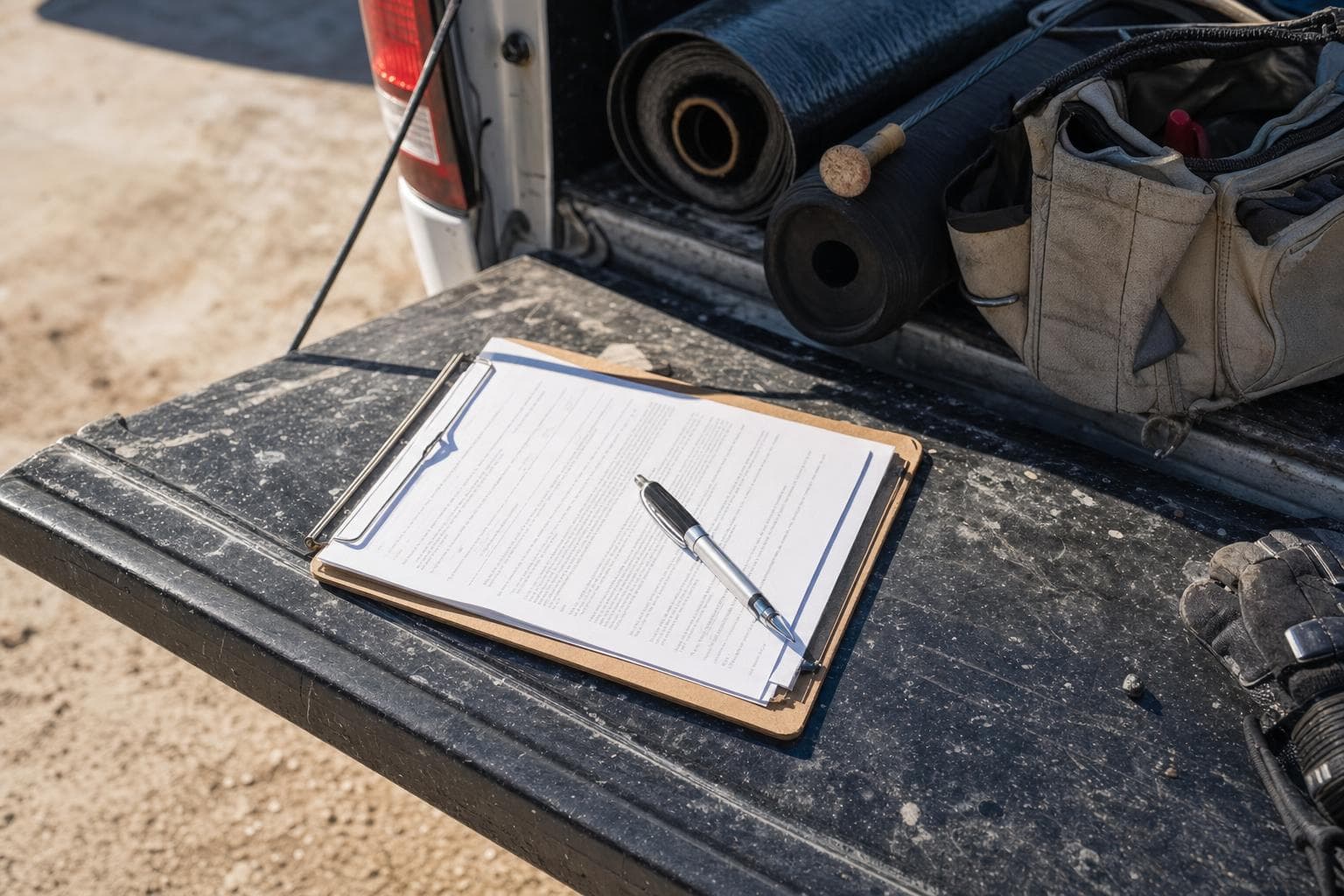
No. Nebraska’s insurance guidance is direct on this point. The Nebraska Department of Insurance says to be present during inspections, use trusted contractors, avoid paying in full upfront, and, in its words, "DO NOT SIGN ANYTHING UNTIL YOU TALK WITH YOUR INSURANCE COMPANY." That matters even more if a salesperson is talking about waiving your deductible, covering it another way, or asking you to sign quickly. Slow the process down and make sure your insurer knows exactly what is being proposed.
How should you pay for a storm roof claim in Nebraska?
Expect the claim to move in stages, and plan around your deductible being part of your cost. The Nebraska Department of Insurance says claims may be paid in parts, including an initial emergency advance followed by payments for property and repairs. It also says structure-related payments may include your mortgage company and be released in stages. In real terms, that means your roofer may not receive one single check upfront, and you may need to coordinate timing, paperwork, and draws. It also means you should avoid anyone pushing for full payment upfront.
- Ask for a written scope that matches the claim and clearly shows materials, tear-off, flashing, ventilation, cleanup, and any supplements.
- Ask how change orders will be handled if hidden damage is found after tear-off.
- Avoid paying in full upfront.
- Keep copies of checks, claim letters, receipts, and updated scopes in one folder.
- If your mortgage company is named on claim funds, ask early what endorsements or inspections they require.
How much might roof work cost if insurance does not cover everything?
Nebraska's current local cost data provides you a practical baseline. For an insurance-funded roofing proposal in Nebraska, begin with documented damage, the policy deductible, and a property-specific repair or replacement scope. Use the current Nebraska cost page and calculator to plan an insurance-funded roofing proposal in Nebraska, then require the measured scope to explain any meaningful difference. When planning an insurance-funded roofing proposal in Nebraska, ask how roof shape, staging, weather, inspections, and concealed deck conditions affect both duration and labor.
Is a Class 4 roof worth asking about after hail damage?
Yes, it is worth asking about, especially in Nebraska hail country. The Nebraska Department of Insurance says that when rebuilding, you should consider using materials that will resist damage such as impact resistant shingles or siding, and that insurance companies may offer discounts on insurance for these resistant materials. If you are considering a Class 4 roof, ask your carrier what discount, if any, applies to your specific policy, because carriers set their own discounts. Do not assume a statewide Class 4 credit in Nebraska; ask the carrier to verify eligibility and paperwork for the exact product and policy.
How do you choose a roofer in Nebraska without getting burned?
Start with registration, then ask better questions. In Nebraska, contractor registration matters, but it is not a quality guarantee. The Nebraska Department of Labor says all contractors doing business in Nebraska must register with the Nebraska Department of Labor, and it also says registration does not ensure quality of work or protect against fraud. For you, that means you should confirm your roofer is registered, then still ask clear questions about scope, materials, cleanup, who will be on site, and how change orders will be handled. You should also follow the Nebraska Department of Insurance guidance to use trusted contractors, be present during inspections, avoid paying in full upfront, and avoid signing anything before you talk with your insurance company.
What is the smart next step if someone says they will cover your deductible?
Pause, get everything in writing, and check it against your claim before you move forward. Ask your insurer whether the proposal matches your policy and claim paperwork. Ask your roofer to show the exact scope, materials, and total price without vague credits or side promises. If anything feels rushed or unclear, step back. In Nebraska, the clearest path is the boring one: report damage quickly, document it well, use temporary protection only, wait for the adjuster before permanent repairs, and do not sign anything until you have talked with your insurance company. Your deductible is usually your responsibility, and a clean, documented project is usually the safest way to get your roof repaired or replaced correctly.
Sources
Reviewed technical references for Nebraska
Related Nebraska roofing guides
Related services
Updated July 10, 2026
3D Roofs Editorial Team
Editorial Standards