Updated July 27, 2026

3D Roofs Editorial Team
Editorial Standards
Yes, Class 4 shingles can be worth it in Arizona, but mainly when your home has real hail exposure and your insurer offers a meaningful credit. For current Arizona planning prices related to class 4 shingles, use the cost guide and calculator, then compare the contractor's property-specific written scope. If your area deals with monsoon hail and your carrier gives a discount on the wind and hail premium portion, that extra cost may make sense. If your bigger problem is nonstop heat, UV, and thermal cycling, the value case is less automatic and depends on the full roof system, not just the shingle rating.
Are Class 4 shingles worth the extra cost in Arizona?
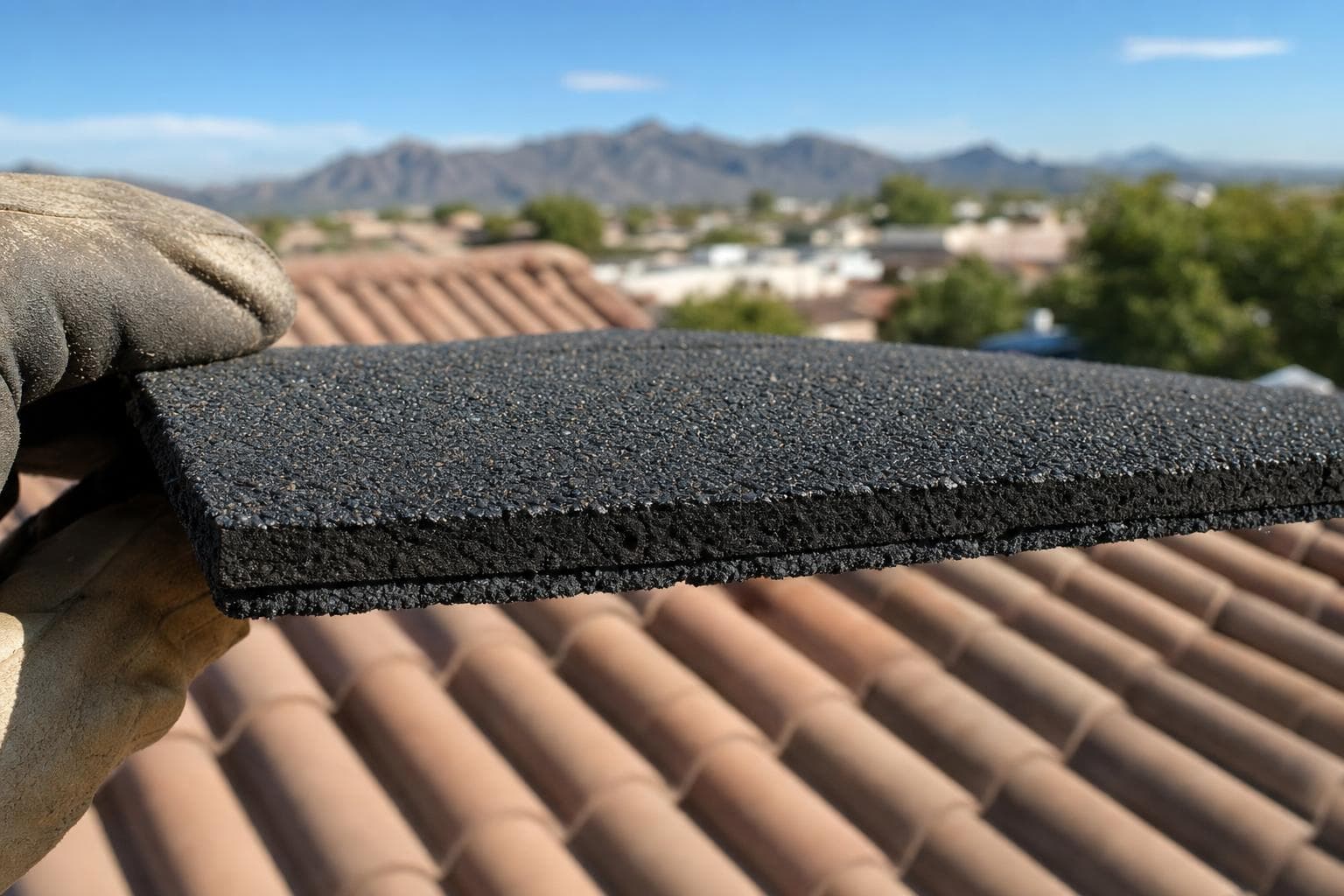
Yes, they can be, but only if you are solving the right problem. Arizona roofs fail where the desert hits hardest. Extreme heat and UV are the constant, and roof surfaces can top 150 degrees in summer. That kind of thermal cycling and ultraviolet load breaks down shingles, sealants, coatings, and roof details fast. Then monsoon season adds microburst winds, wind-driven dust, intense short downpours, and in some places hail. Class 4 shingles are about impact resistance. They do not cancel out heat, poor attic ventilation, weak flashing, or bad installation. If hail is part of your risk, they are worth comparing. If hail is rare where you live, you may get more value from the right underlayment, flashing, and ventilation details.
How much more do Class 4 shingles cost in Arizona?
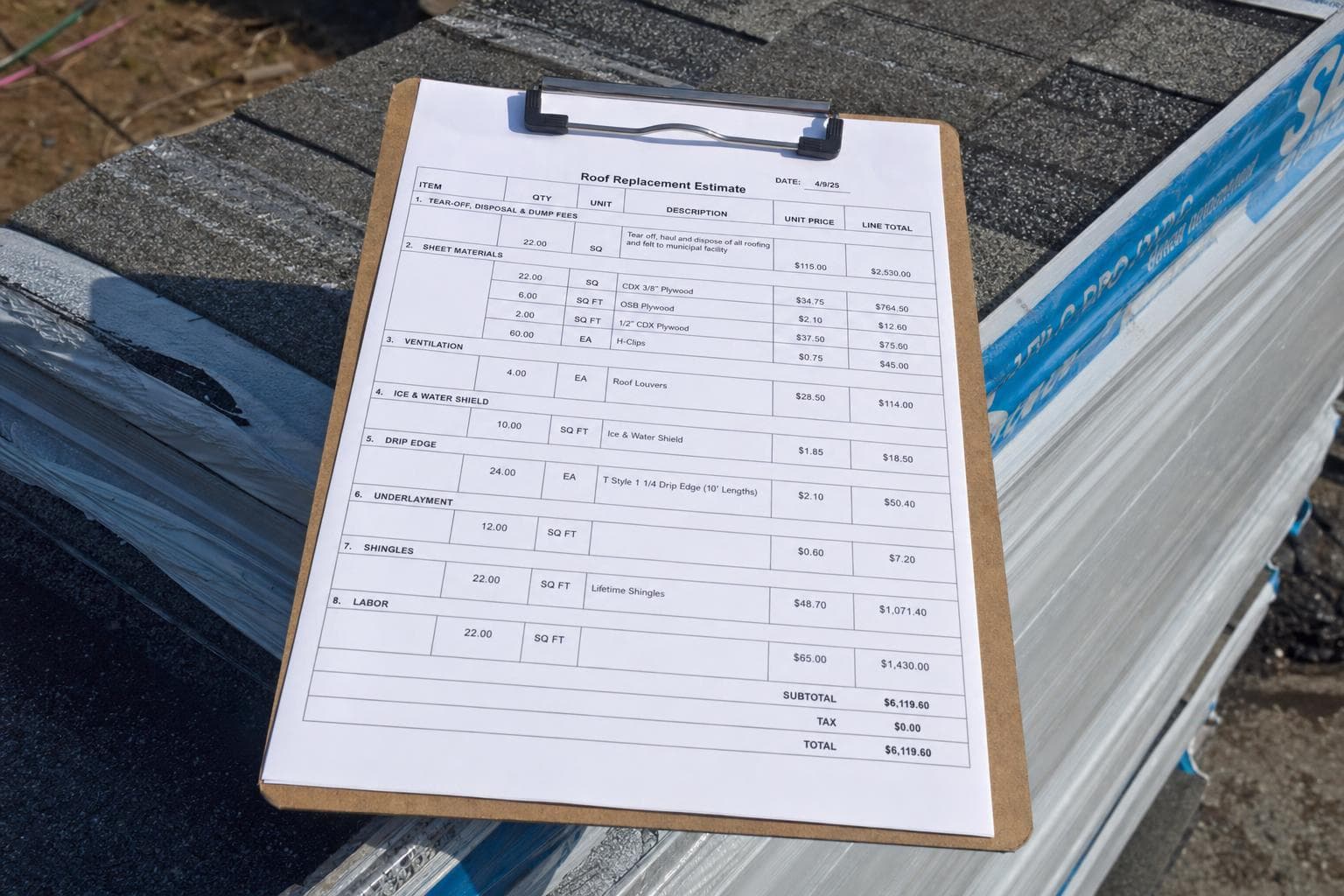
For class 4 shingles in Arizona, treat a steep or difficult-to-access roof as a scope variable that the contractor should measure and price explicitly. For more local detail, your full pricing options live on the Arizona cost page and in the calculator.
Do insurance companies give discounts for Class 4 shingles in Arizona?
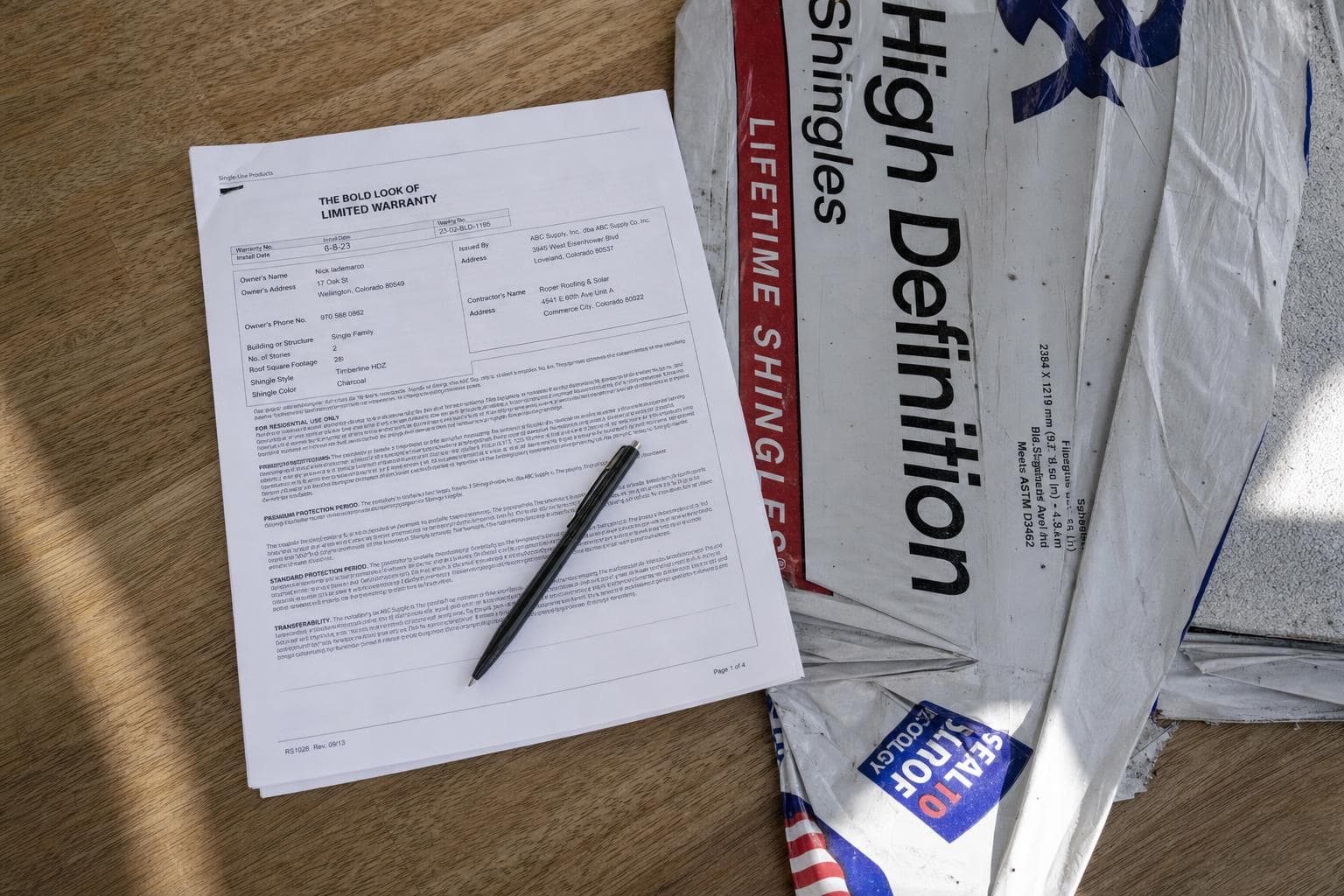
Often, yes, but the discount is not automatic and it is never one-size-fits-all. For class 4 shingles in Arizona, any insurance credit depends on the carrier, policy, address, and exact product; get the amount and documentation requirements from the insurer in writing. That is the key phrase: the wind and hail premium portion, not the whole policy. Carriers set their own rules, and the product usually has to meet the carrier's documentation standards. Before you count any savings in your budget, ask your insurer about the exact shingle product and what proof they need. Arizona-specific guidance is clear on that point: any insurance credit is carrier- and policy-specific, so ask the insurer about the exact product and required documentation before using a credit in the budget.
Talk to a roofer today
Planning ranges, scope details, and a direct path to request a roofing quote.
Does Arizona weather make Class 4 shingles a smart upgrade?
Yes, in some parts of Arizona it does, but hail is only part of the picture. The state’s hardest roof conditions are extreme heat, UV exposure, and constant expansion and contraction. Monsoon season then tests every weak point with wind and water. In areas where hail is a real concern, a verified Class 4 shingle may be worth comparing. In lower-desert areas with more heat than hail, you should focus just as hard on reflectance, drainage, flashing, underlayment, and thermal movement details. In other words, Class 4 can be a smart upgrade, but it should fit your actual exposure, not just a label on a brochure.
Will Class 4 shingles prevent roof damage in Arizona storms?
No, they do not prevent all damage. They can help reduce impact damage from hail, but they do not make your roof storm-proof. Monsoon wind can still lift shingles, drive rain under weak flashing, and expose old roof decking issues. Heat and UV can still age roof components over time. If your roof is already worn, a tougher shingle alone will not fix the rest of the system. What Class 4 does is improve one part of the equation: resistance to impact. That matters most when hail is one of the reasons roofs in your neighborhood get repaired or replaced.
How do Class 4 shingles compare with Class 3 and metal in Arizona?
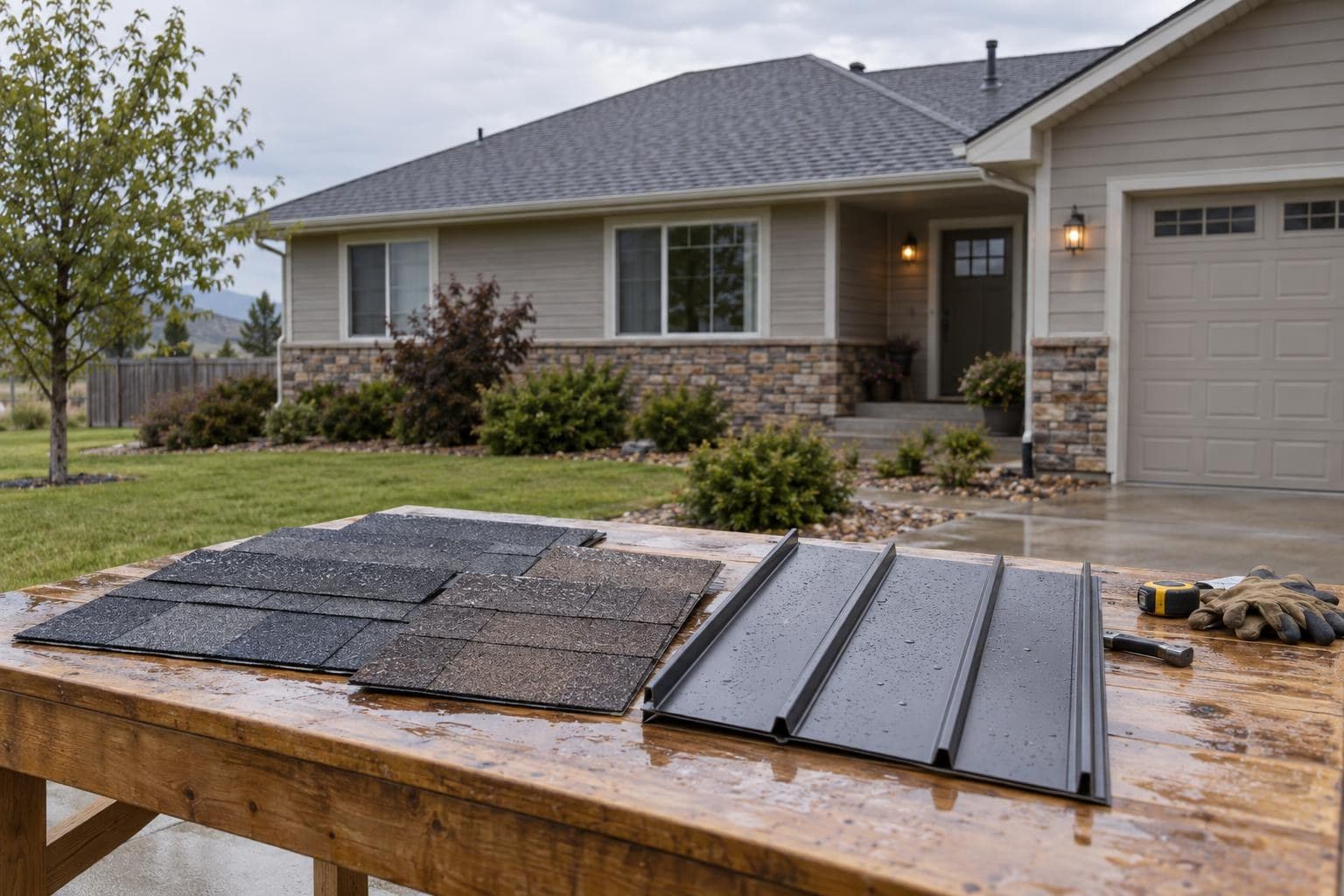
Class 4 costs more than Class 3 and much less than standing seam metal. For many homeowners, that makes it the middle-ground upgrade. If your goal is to step up impact resistance without jumping to a metal price point, Class 4 is the cleaner comparison. But the best fit still depends on roof shape, slope, attic performance, and local weather exposure. Arizona also has many flat and low-slope homes where spray foam or tile may be part of the real comparison, not just asphalt versus metal.
What should you ask before you buy Class 4 shingles in Arizona?
- Ask your insurer whether your policy offers a Class 4 credit, and what exact product paperwork they require.
- Ask your roofer how the system will handle Arizona heat, UV, flashing details, and drainage, not just hail.
- Ask whether steep pitch or roof complexity will change pricing.
- Ask how long the project should be on site. For class 4 shingles in Arizona, ask the contractor to put the expected working days and weather plan in writing; timing depends on roof size, material, access, crew scheduling, and conditions found after tear-off.
- Ask for a written scope that spells out tear-off, decking, underlayment, flashing, ventilation, and cleanup.
What Arizona insurance and contractor rules matter before roof work starts?
First, check your policy before storm season. For class 4 shingles in Arizona, coverage depends on the policy language, cause of loss, exclusions, and the insurer's decision; verify those terms in your own documents. For class 4 shingles in Arizona, review the declarations and endorsements for any wind, hail, hurricane, or named-storm deductible. Ask the insurer to show the policy-specific calculation in writing instead of relying on a generic percentage. For class 4 shingles in Arizona, ask the insurer and state insurance regulator for the current notice, proof-of-loss, inspection, acknowledgment, and decision deadlines that apply to the claim. The state also says to document the damage and contact your insurer before you start repairs.
Second, verify the contractor license before you sign. Arizona requires a contractor license from the Registrar of Contractors for any roofing job of an amount that must be confirmed for the written scope or more, or any job that needs a building permit, no matter the price. Roofing classifications are R-42 for residential work, C-42 for commercial, and CR-42 for both. The ROC Recovery Fund only protects you if you hired a licensed contractor, and it can reimburse an owner-occupant harmed by a licensed residential contractor's poor work, abandonment, or failure to perform, up to a statutory maximum, currently an amount that must be confirmed for the written scope per residence. You should also confirm the license is active, the classification matches roofing, and the bond is current.
So, should you choose Class 4 shingles for your Arizona home?
Choose Class 4 if your home has meaningful hail exposure, your carrier confirms a usable discount, and the upgrade fits your budget better than a bigger jump to metal. Skip the upgrade if hail is not a real local risk and your money would do more work on heat-driven issues like underlayment, flashing, drainage, and attic performance. In Arizona, the right answer is rarely just about the shingle. It is about matching your roof system to your sun, wind, water, and insurance reality. If you want to compare the numbers for your area, start with the Arizona cost page and the calculator, then talk with a roofing contractor you are considering and your insurer before you decide.
Sources reviewed
- Arizona Registrar of Contractors (license classifications & requirement)
- Arizona DIFI (homeowners insurance, storms & claims)
- UL Solutions: UL Solutions and IBHS Drive Trust in Residential Roofing Shingles
- Asphalt Roofing Manufacturers Association: Residential Asphalt Roofing Manual: Ventilation Best Practices
- CAL FIRE: Home Hardening
Plan with current pricing
Related services
Updated July 27, 2026
3D Roofs Editorial Team
Editorial Standards