Updated July 27, 2026

3D Roofs Editorial Team
Editorial Standards
Yes, Class 4 shingles can be worth it in Georgia, but only if your home actually sees hail or damaging wind often enough and your insurer gives you a meaningful discount. Georgia roofs take hard hits from severe thunderstorms, hail, straight-line winds, tornado risk, summer heat, humidity, and in some places tropical wind-driven rain or occasional winter ice. That means the upgrade is not automatically right for every house. It makes the most sense when impact resistance is the problem you are trying to solve, not just age, algae, or basic heat wear.
How much more do Class 4 shingles cost in Georgia?
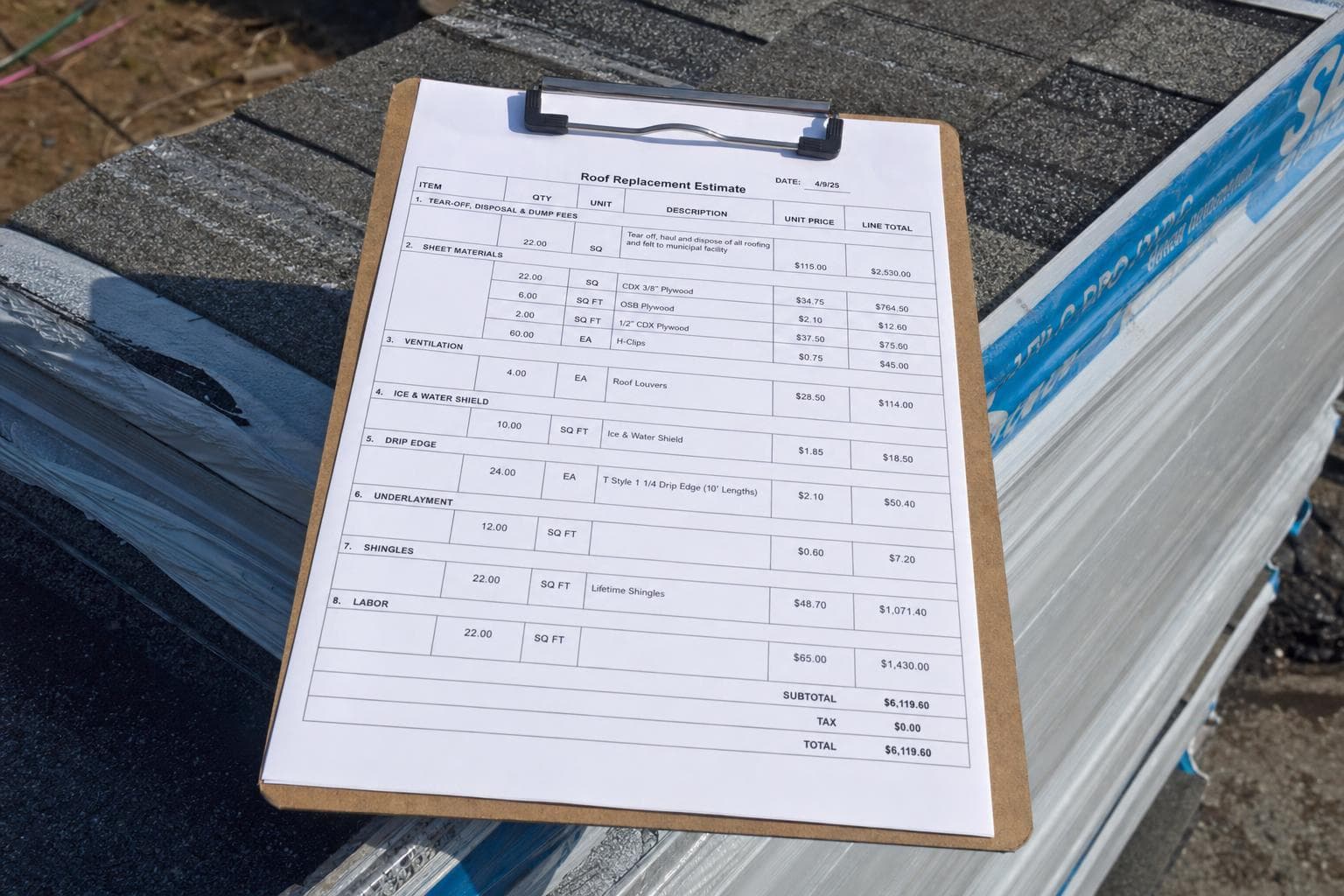
The upgrade price is clear in 2026 Georgia market pricing. For current Georgia planning prices related to class 4 shingles, use the cost guide and calculator, then compare the contractor's property-specific written scope. For many homeowners, that puts Class 4 in the middle ground. You pay more than standard architectural shingles, but far less than standing seam metal. If you want to compare your home in more detail, full local pricing lives on the Georgia cost page and the calculator.
Do insurer discounts make the Class 4 upgrade pay off?
Sometimes they do, and sometimes they do not. For class 4 shingles in Georgia, any insurance credit depends on the carrier, policy, address, and exact product; get the amount and documentation requirements from the insurer in writing. That is the part to focus on. For class 4 shingles in Georgia, compare the upfront price, expected maintenance, insurance treatment, and your ownership horizon without assuming a fixed return. If that portion is larger and your area gets repeated hail seasons, the math can look a lot better.
Why does Georgia make Class 4 shingles more relevant?
Because Georgia roofs take damage from impact and wind in a lot of places. Severe thunderstorms that bring hail and damaging straight-line winds are the biggest threat in much of the state. The Atlanta metro and north Georgia see repeated hail seasons, and the whole state is exposed to tornado risk. On top of that, long, hot, humid summers age shingles faster than in cooler climates, while moisture feeds the dark algae streaking you see on many roofs. Along the Savannah coast, tropical systems can bring wind and wind-driven rain. In north Georgia, occasional winter ice can stress flashing and gutters. Class 4 helps most with hail impact. It does not solve every Georgia roof problem by itself.
Talk to a roofer today
Planning ranges, scope details, and a direct path to request a roofing quote.
What does a Class 4 rating actually mean?
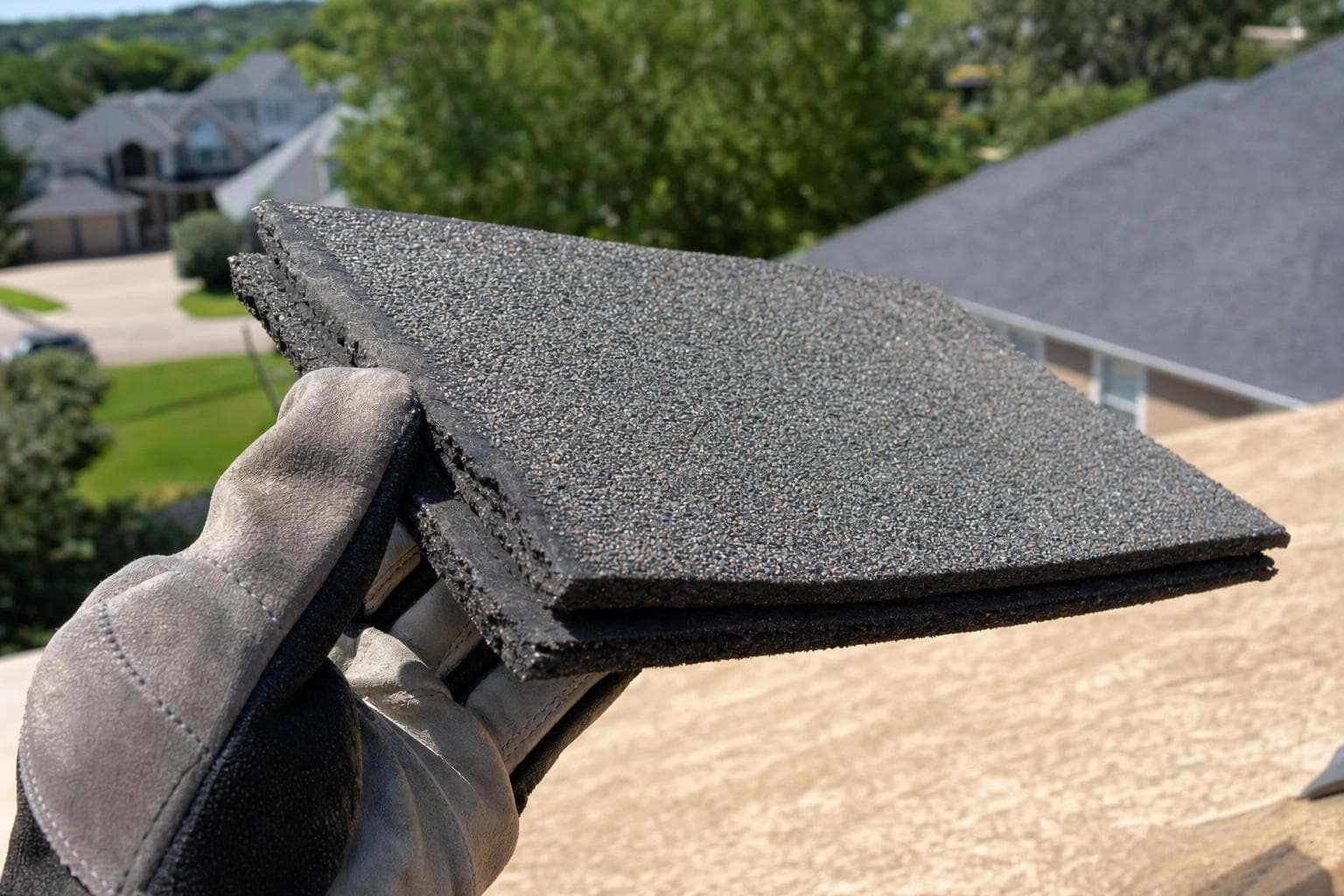
It means the shingle is built for stronger impact resistance. A Class 4 impact-resistant roof is rated under UL Standard 2218, the highest of four classes. In plain terms, that makes it a better fit for Georgia hail than lower-rated asphalt options. The key benefit is resistance to puncture from hail. That said, do not expect it to be damage-proof. Class 4 shingles can still dent cosmetically, and no shingle stops every problem caused by severe wind, bad installation, aging seal strips, or flashing failure.
Are Class 4 shingles better than Class 3 for most Georgia homes?
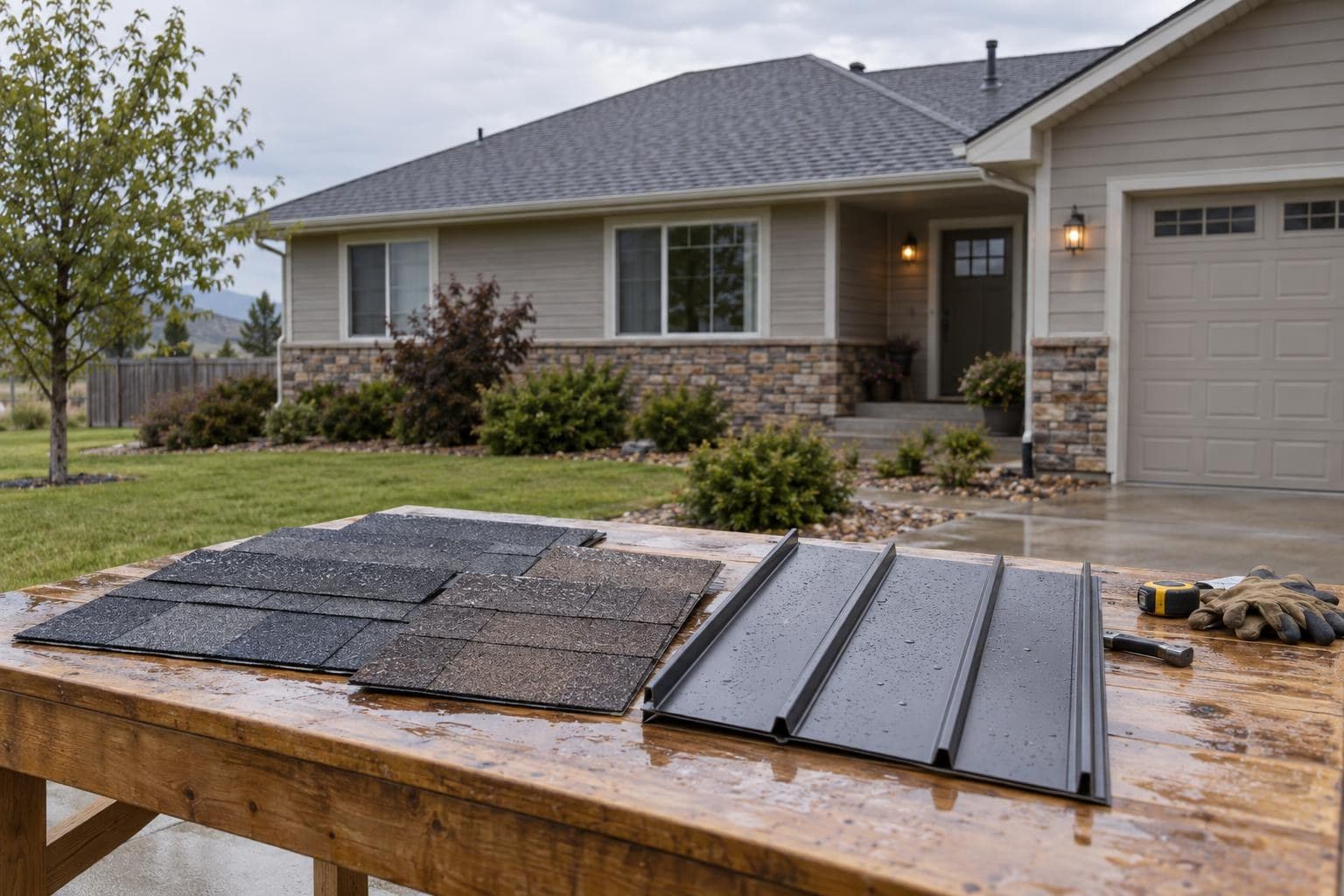
If hail exposure is a real concern, yes, Class 4 is usually the stronger choice. If your main issue is only keeping upfront cost lower, Class 3 may be enough. The price jump from Class 3 to Class 4 is meaningful, but it is still much smaller than jumping to standing seam metal. That makes Class 4 a practical upgrade for homeowners who want more hail resistance without moving to a much higher roofing budget. If you live in the Atlanta metro, north Georgia, or another area that gets repeated thunderstorm activity, the upgrade is easier to justify than it would be in a lower-hail pocket.
Will Class 4 shingles stop you from needing roof repairs?
For class 4 shingles in Georgia, treat Class 4 as a laboratory impact classification for the exact product, not a promise that the installed roof will resist every hail event or avoid damage. Still, Georgia heat, humidity, algae growth, flashing issues, and wind damage can all lead to repair needs even with a better shingle. Impact resistance is one layer of protection, not a guarantee that you will never need service.
How long does a Class 4 roof replacement take in Georgia?
For class 4 shingles in Georgia, ask the contractor to put the expected working days and weather plan in writing; timing depends on roof size, material, access, crew scheduling, and conditions found after tear-off. For class 4 shingles in Georgia, treat a steep or difficult-to-access roof as a scope variable that the contractor should measure and price explicitly. Timing and access matter, but the bigger issue for most homeowners is choosing the right product and the right local roofer for the job. If you are replacing after hail or wind damage, document the roof early and stay organized with your insurer. After you submit a completed proof of loss, your insurer generally has to confirm or deny the claim within 15 days, and within 30 days of the claim being reported if no proof of loss is required. Many Georgia policies ask for that proof of loss within 60 days of the loss.
What should you know about Georgia insurance claims before replacing the roof?
- Your roofer cannot pay, waive, rebate, or absorb your deductible to get your business. Under Georgia law, that can be treated as insurance fraud.
- A Class 4 discount is set by your carrier, not by the state. Ask what they credit for impact-resistant roofing before you decide.
- Document hail and wind damage early, especially if you think you may file a claim.
- If a carrier mishandles your claim, you can file a complaint with the Georgia Office of Commissioner of Insurance and Safety Fire.
How do you choose the right roofer in Georgia for a Class 4 upgrade?
Start with what you can verify, because Georgia does not issue a standalone roofing license. Roofing falls under the general contractor system, and a contractor only needs a residential or general contractor license once a job tops an amount that must be confirmed for the written scope in combined labor and materials. Most full roof replacements should be done by a licensed contractor, but licensed alone says little about quality. Confirm the company holds the right residential or general contractor license for a replacement job over an amount that must be confirmed for the written scope. Ask for proof of current general-liability and workers'-compensation insurance. Then look at real local track record, references, recent addresses you can drive past, and manufacturer certifications. Be careful with out-of-town storm chasers who show up after hail or wind events and push you to sign fast.
So, are Class 4 shingles worth the money in Georgia?
For many Georgia homeowners, yes, especially where hail and straight-line wind are the real threat and your insurer gives you a usable discount. But the value depends on where you live, what kind of storms your roof actually sees, and what your carrier credits on the wind and hail portion of your premium. If your area deals more with heat, algae, and moisture than hail, the upgrade may matter less. The smart move is to compare your local storm exposure, confirm the insurance credit, and price the upgrade against the roof you would otherwise buy. For deeper local numbers, check the Georgia cost page and the calculator.
Sources reviewed
- Georgia Attorney General's Consumer Protection Division (storms and fraud / storm chasers)
- Georgia Office of Commissioner of Insurance and Safety Fire (file a consumer complaint)
- UL Solutions: UL Solutions and IBHS Drive Trust in Residential Roofing Shingles
- Asphalt Roofing Manufacturers Association: Residential Asphalt Roofing Manual: Ventilation Best Practices
- CAL FIRE: Home Hardening
Plan with current pricing
Related services
Updated July 27, 2026
3D Roofs Editorial Team
Editorial Standards