Updated July 27, 2026

3D Roofs Editorial Team
Editorial Standards
Yes, Class 4 shingles can be worth it in Maine if you want more impact resistance, you have tree exposure or coastal wind, and your carrier offers a meaningful discount. The tradeoff is simple: you pay more upfront for a tougher shingle, and the payoff depends on your roof’s storm exposure, how long you plan to stay, and what your insurer will credit. For current Maine planning prices related to class 4 shingles, use the cost guide and calculator, then compare the contractor's property-specific written scope.
How much more do Class 4 shingles cost in Maine?
In plain terms, Class 4 is an upgrade over standard architectural shingles, not a jump into premium metal pricing. For class 4 shingles in Maine, treat a steep or difficult-to-access roof as a scope variable that the contractor should measure and price explicitly.
Do Class 4 shingles help enough with Maine weather to justify the upgrade?
Yes, for many homes they do, especially when impact and wind-driven wear are part of the risk. Maine roofs deal with snow load, wind-driven rain, freeze-thaw cycles, and storm debris. Those conditions can loosen shingles, open pathways for water at flashing and roof penetrations, and turn small defects into interior leaks. In coastal areas, wind exposure and salt air can add more wear. In wooded parts of the state, falling limbs and tree impact are also part of the risk picture. A Class 4 shingle does not solve every roofing problem, but it can make sense if you want a roof material that is better positioned for debris strikes while you also focus on clean flashing details and attic ventilation that helps manage moisture and winter ice issues.
Does Maine get enough hail for Class 4 shingles to matter?
Hail is only part of the story, and in Maine the better reason to consider Class 4 is broader impact exposure. If you are waiting for frequent severe hail to make the case, that may not be the strongest angle. In many Maine neighborhoods, the more common risks are storm debris, falling limbs, and wind that can worsen small roof defects after an impact. That is why Class 4 can still be worth a look even when hail is not the only concern. The benefit is less about chasing one weather event and more about adding resilience in a state where roofs take repeated stress from winter, rain, and debris.
Talk to a roofer today
Planning ranges, scope details, and a direct path to request a roofing quote.
Will your insurance company give you a discount for Class 4 shingles in Maine?
Possibly, yes, but you need to ask your carrier directly. For class 4 shingles in Maine, any insurance credit depends on the carrier, policy, address, and exact product; get the amount and documentation requirements from the insurer in writing. That does not mean every policy gets the same savings, and it does not mean the discount applies to your full premium. Discounts are set by each carrier and policy, so you should not assume a standard savings amount. If you are considering a Class 4 impact-resistant shingle, ask your carrier whether it offers a homeowners discount for that product and what documentation it requires. A roofing contractor you are considering can help you gather product information for your insurer, but your carrier decides eligibility and any discount.
Can the insurance discount offset the higher roof price?
Sometimes, yes, but only if your carrier offers enough savings and you plan to stay in the home long enough. Whether that gap closes over time depends on the discount on the wind/hail premium portion of your policy, not the full homeowners premium. It also depends on your home’s exposure. If you live in a wooded area, near the coast, or on a site that sees more wind and debris, the value of a tougher shingle may show up both in possible premium savings and in fewer impact-related problems over the life of the roof.
Are Class 4 shingles better than just repairing storm damage when it happens?
If your roof is already aging or you have repeat storm issues, usually yes. But small trouble spots can keep coming back when Maine weather keeps working on the same roof system. Snow load, freeze-thaw cycles, and wind-driven rain can turn a minor shingle problem into a leak around flashing, penetrations, or roof transitions. If your current roof still has solid life left, a repair may be enough. If you are already close to replacement, paying for one repair after another may not be the best use of money.
What should you know about Maine insurance claims before you choose a roof?
You should know that storm coverage and payment timing can affect your decision. Maine says homeowners and property insurance generally cover storm damage, including wind. For roof losses, homeowners policies generally will cover wind damage to the roof. Coverage for interior water damage can depend on the policy type. The most common policy will cover the interior water damage, while another type will only cover water damage to the structure if the wind has made an actual opening through the roof or wall. Water damage to personal belongings caused by a windstorm is generally only covered if there is an actual opening through the roof or wall, unless you purchased additional coverage.
- For class 4 shingles in Maine, coverage depends on the policy language, cause of loss, exclusions, and the insurer's decision; verify those terms in your own documents.
- Temporary repairs can include boarding up broken windows and covering holes in the roof.
- Keep your receipts to document to your insurer the cost of materials and labor.
- Permanent repairs must wait until the insurance adjuster has had a chance to inspect the damage, or the claim may be denied.
- If possible, take photos or videos before making repairs.
- Maine says each claim may be subject to depreciation.
- The initial claim amount will be paid based on the actual cash value of the damaged property, which it describes as the replacement cost minus depreciation.
- If you purchased replacement cost coverage, the difference between the replacement cost and the actual cash value is typically paid once the company receives proof that the damaged property has been repaired or replaced.
What should you ask for in a Maine roofing contract?
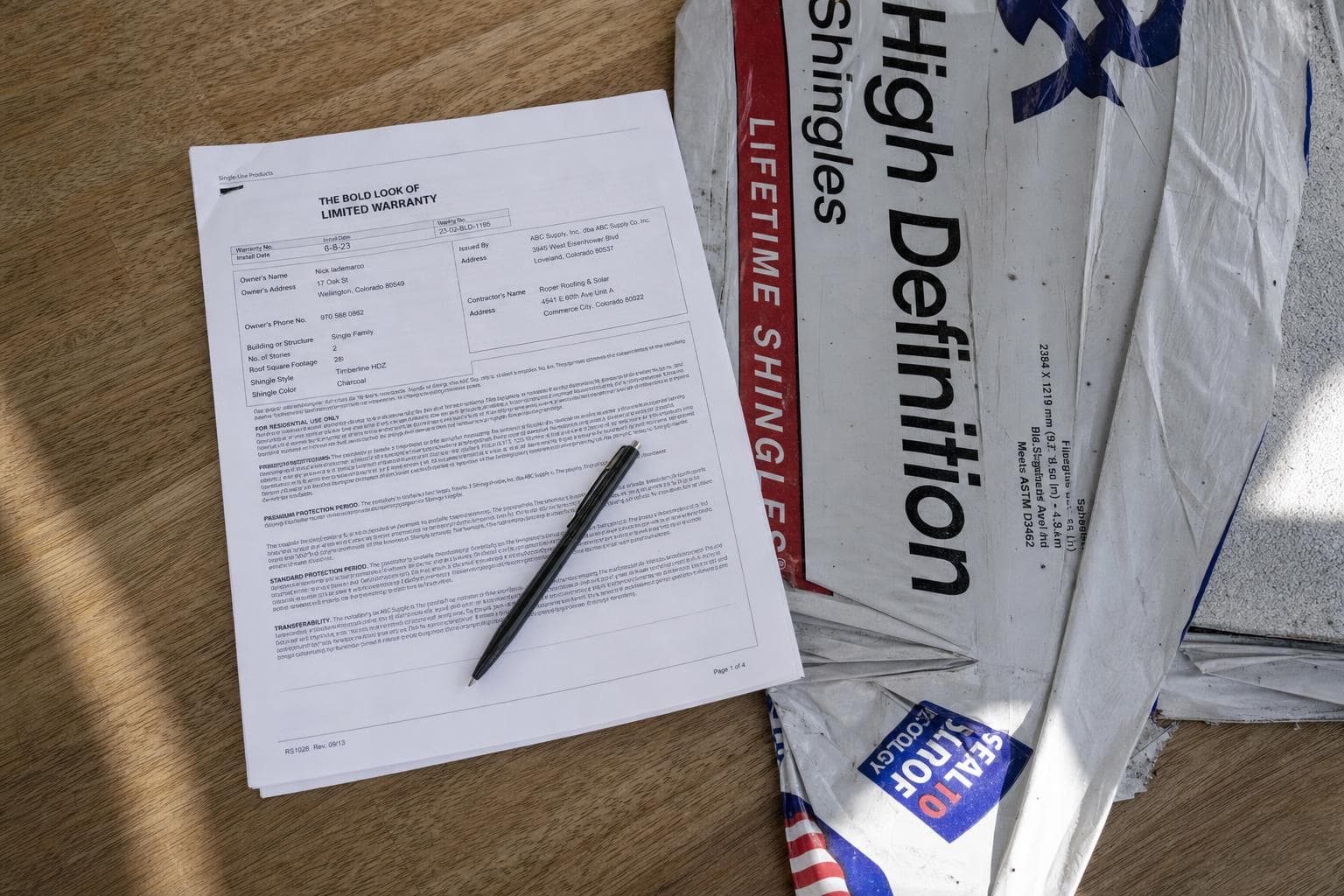
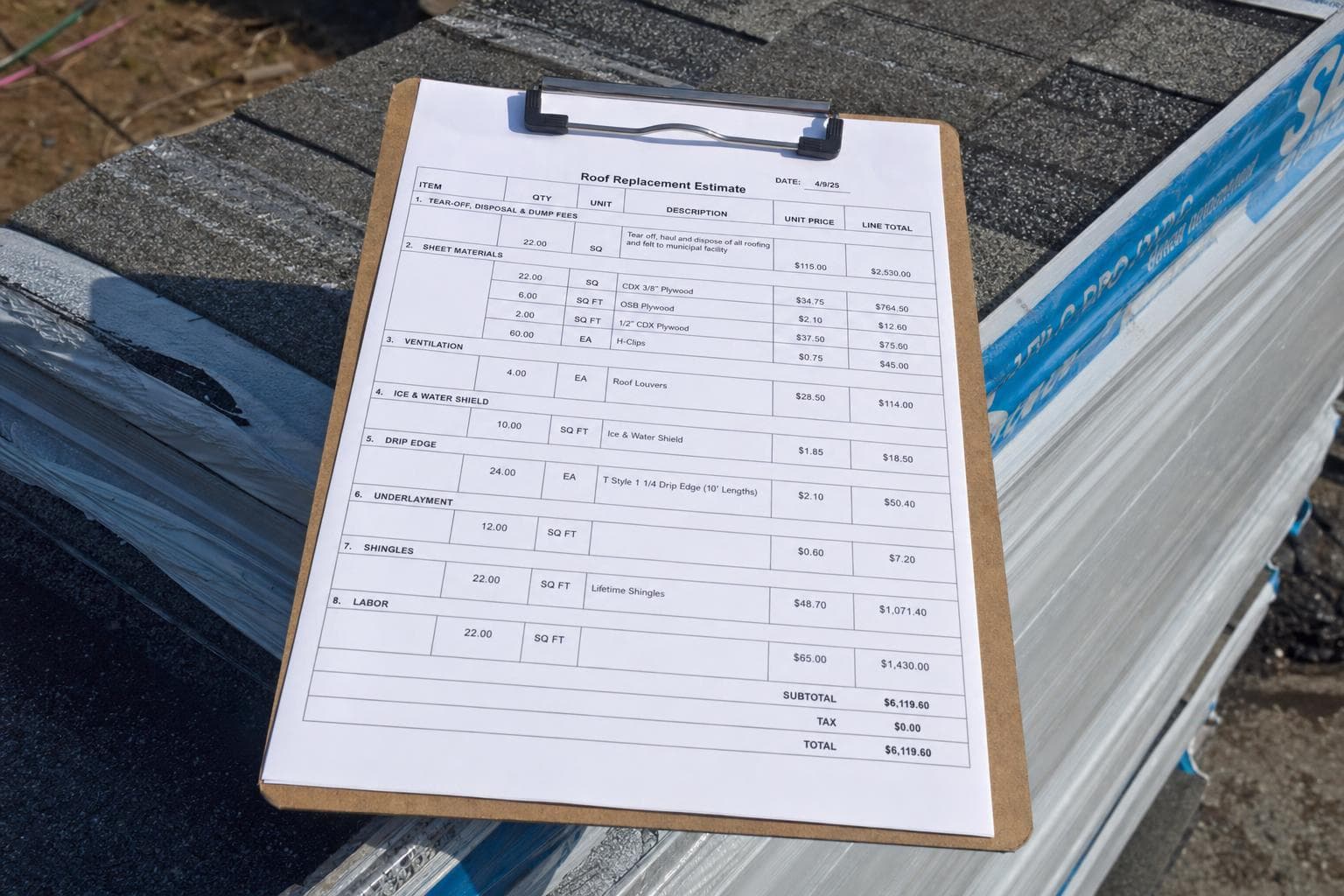
Get the full job in writing, especially if the project costs more than an amount that must be confirmed for the written scope. Maine says a written contract is required for any home construction or repair work that costs more than an amount that must be confirmed for the written scope. The contract must include certain provisions, including the total contract price, estimated dates when the work will begin and end, a description of the work and materials, and an express warranty of good workmanship. The contractor cannot require more than 1/3 of the contract price as a down payment unless you both agree to exempt yourselves from that requirement. Any change in work or materials that changes the contract price must be stated in a written change order signed by both parties.
How do you decide if Class 4 shingles are the right choice for your home?
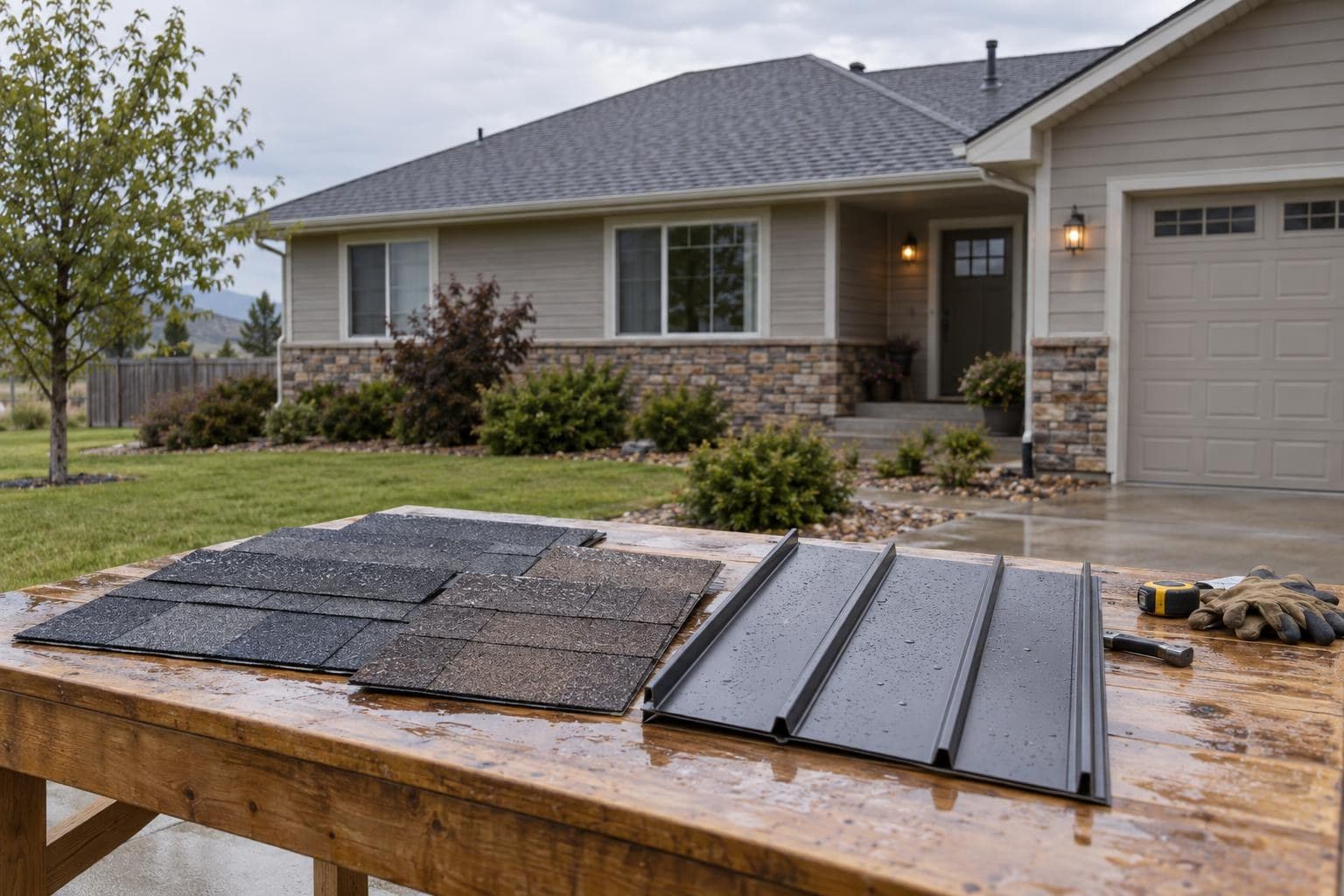
Choose Class 4 when you want a practical middle ground between standard shingles and much higher metal pricing. For many Maine homeowners, that means the upgrade makes sense when you have trees overhead, coastal wind exposure, or a history of storm debris, and when your carrier offers a real discount on the wind/hail premium portion. If your roof shape is simple, your exposure is low, and your insurer gives little or no credit, Class 3 may be the better value. If you want the strongest impact case without moving all the way to standing seam pricing, Class 4 is often the smart place to look first. If you move forward, ask your roofer for clear product details, written scope, and line-item paperwork that fits what your insurer will need.
Maine roofing costs
Sources reviewed
- Maine Attorney General, Home Construction and Repair
- Maine Bureau of Insurance, Homeowners/Renters Claims
- UL Solutions: UL Solutions and IBHS Drive Trust in Residential Roofing Shingles
- Asphalt Roofing Manufacturers Association: Residential Asphalt Roofing Manual: Ventilation Best Practices
- CAL FIRE: Home Hardening
Related services
Updated July 27, 2026
3D Roofs Editorial Team
Editorial Standards