Updated July 27, 2026

3D Roofs Editorial Team
Editorial Standards
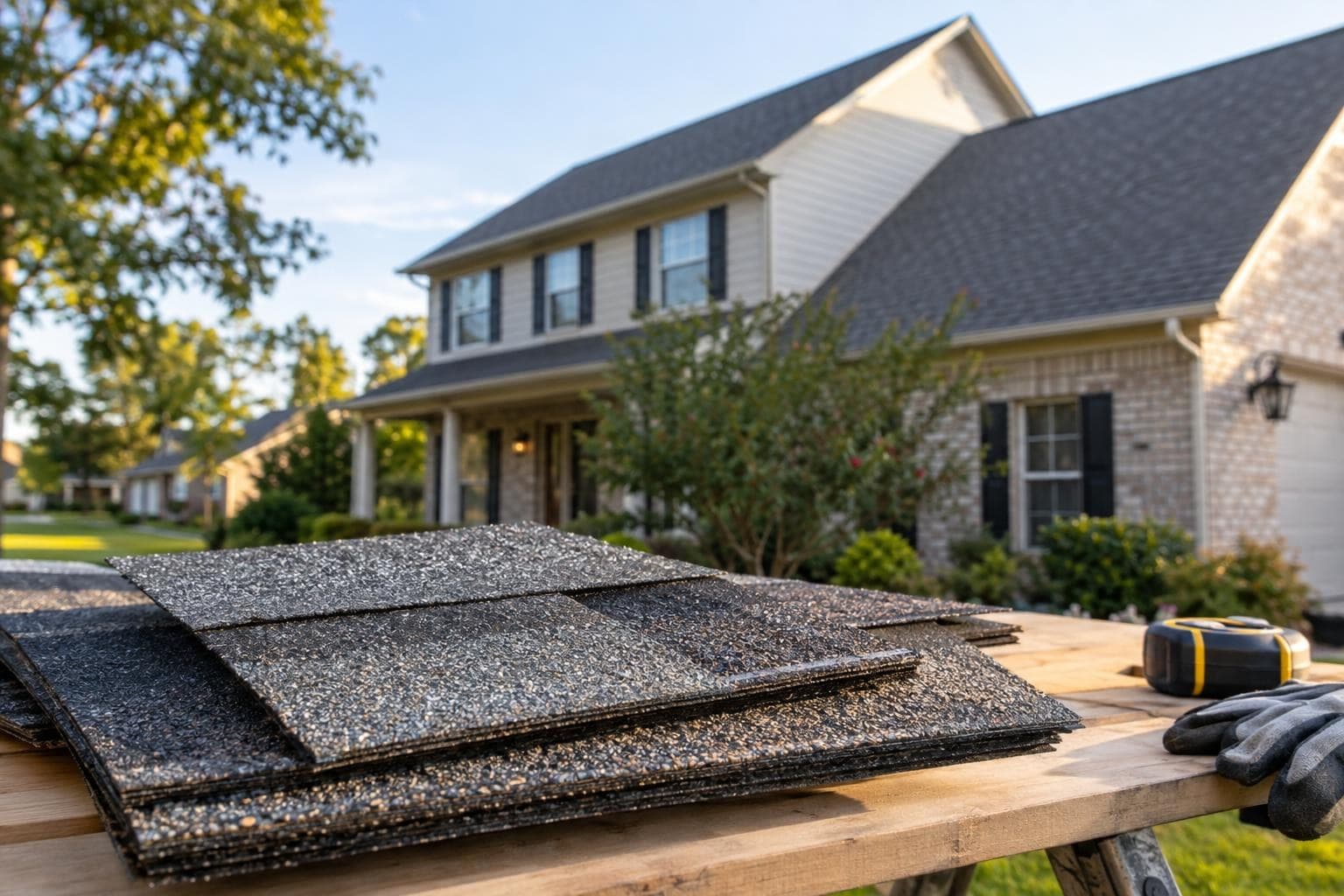
Yes, Class 4 shingles can be worth it in Mississippi if you want better hail resistance, you may qualify for an insurance discount, and the added upfront cost fits your budget. For current Mississippi planning prices related to class 4 shingles, use the cost guide and calculator, then compare the contractor's property-specific written scope. Whether that pays off for you depends on your storm exposure, your insurance carrier's rules, and how long you plan to keep the house.
How much more do Class 4 shingles cost in Mississippi?
For class 4 shingles in Mississippi, treat a steep or difficult-to-access roof as a scope variable that the contractor should measure and price explicitly.
Do Class 4 shingles make sense for Mississippi weather?
Yes, they often do, because Mississippi roofs deal with hurricane-season wind and rain, high humidity, and intense sun for much of the year. Wind and hail can lift shingles and damage flashing quickly during a storm. Class 4 shingles are usually considered by homeowners who want more impact resistance when hail is part of the concern. They are not a cure-all, though. Humidity, heat, flashing details, attic conditions, and installation quality still matter, and regular inspections matter as much as storm response.
Can Class 4 shingles lower your insurance premium in Mississippi?
Sometimes, yes. For class 4 shingles in Mississippi, any insurance credit depends on the carrier, policy, address, and exact product; get the amount and documentation requirements from the insurer in writing. Discounts are set by the insurance company, so ask your carrier whether it offers a premium discount or credit for impact-resistant Class 4 shingles, and ask what documentation it wants before you replace the roof.
Talk to a roofer today
Planning ranges, scope details, and a direct path to request a roofing quote.
Will insurance cover storm damage if you do not upgrade to Class 4?
Usually, yes, but you need to read your policy. Mississippi says standard homeowners' policies usually cover windstorm damage directly caused by wind or hail, but you should still check your policy to make sure it does not include a windstorm exclusion. If wind and hail coverage is excluded, the state points homeowners to the Mississippi Windstorm Underwriting Association, known as the windpool, as a coastal-area option. Also remember that flood coverage is separate. The Mississippi Insurance Department says flood insurance is written by the National Flood Insurance Program and warns homeowners: "Do not procrastinate; there is a 30-day waiting period before the policy goes into effect." If your roof and home need flood coverage, you need to arrange it well before a storm is in the Gulf.
When are Class 4 shingles usually worth the upgrade cost?
They are usually worth a closer look when your current roof is already due for replacement, you have had hail or wind claims before, or your carrier offers a meaningful discount on the wind/hail premium portion. The upgrade can also make sense if you want to reduce the chance of storm-related shingle damage compared with a lower impact rating.
When might Class 4 shingles not be worth it?
They may not be worth it if your budget is tight, your roof geometry already pushes costs up, or your insurer offers little or no discount. The same is true if the roof may not stay in place long enough for you to value the upgrade. If the roof is broadly worn, though, patching may only delay a full replacement.
How long does a Class 4 roof replacement take?
For class 4 shingles in Mississippi, ask the contractor to put the expected working days and weather plan in writing; timing depends on roof size, material, access, crew scheduling, and conditions found after tear-off. The timeline can stretch with weather, roof complexity, and access. Mississippi weather can interrupt scheduling fast, so if you are planning around storm season, it helps to make your material decision before your roof becomes an emergency.
What should you ask before choosing Class 4 shingles in Mississippi?
- Ask your insurance carrier whether it offers a discount or credit for impact-resistant Class 4 shingles, and what proof it requires.
- Ask how flashing, ventilation, and other roof details will be handled, because storm resistance is not only about the shingle.
- Ask for the MSBOC license number and check it before you sign a contract for a job near or above that an amount that must be confirmed for the written scope threshold.
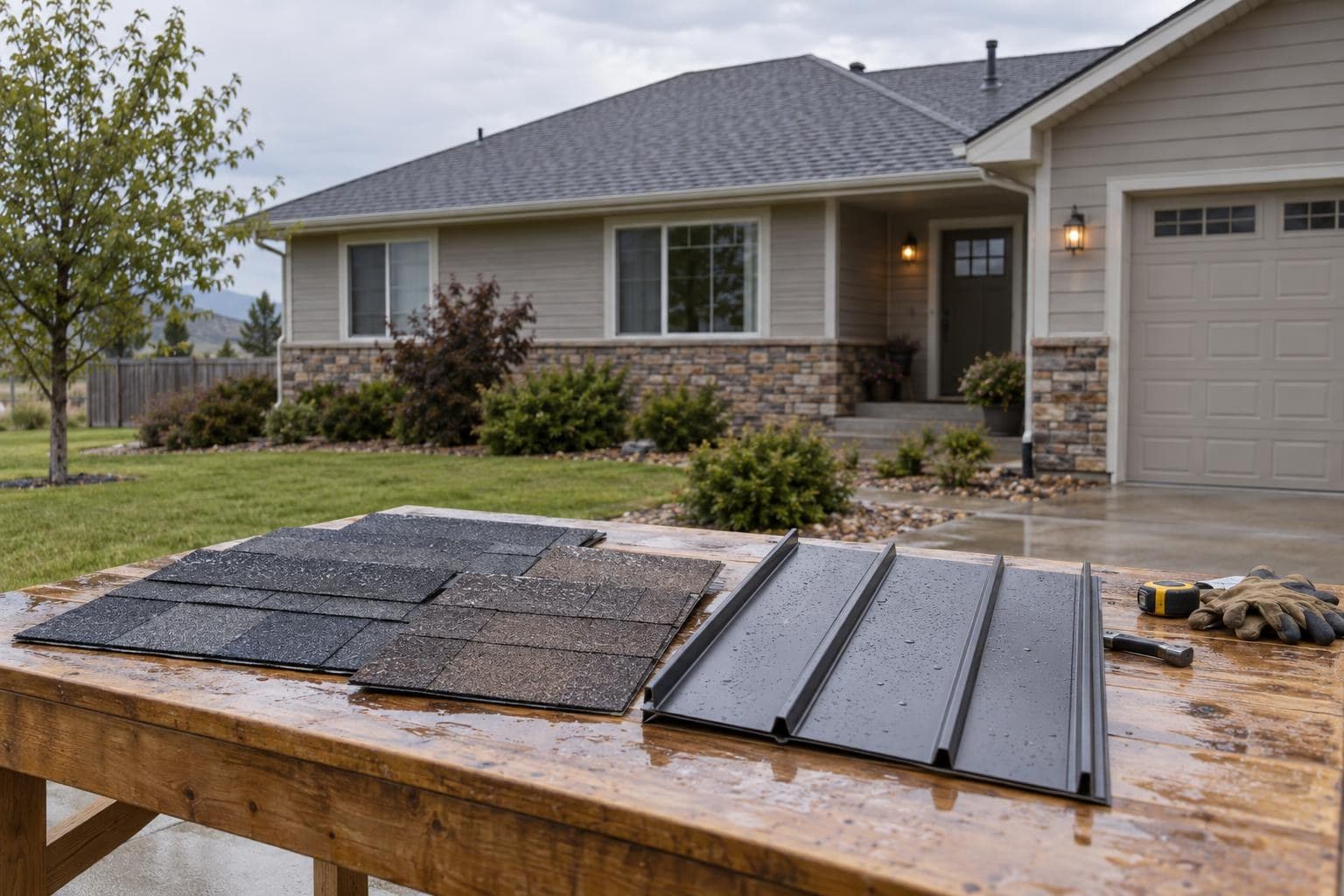
How do you decide between Class 3, Class 4, and metal?
Start with your budget and your storm priorities.
What is the bottom line on Class 4 shingles in Mississippi?
Class 4 shingles are often worth it in Mississippi when you want a practical step up in storm durability without the much higher cost of standing seam metal. If you want to compare your options in more detail, check the full local pricing on the Mississippi cost page and use the calculator to map the upgrade against your roof size and budget.
Which installation details matter as much as the Class 4 label?
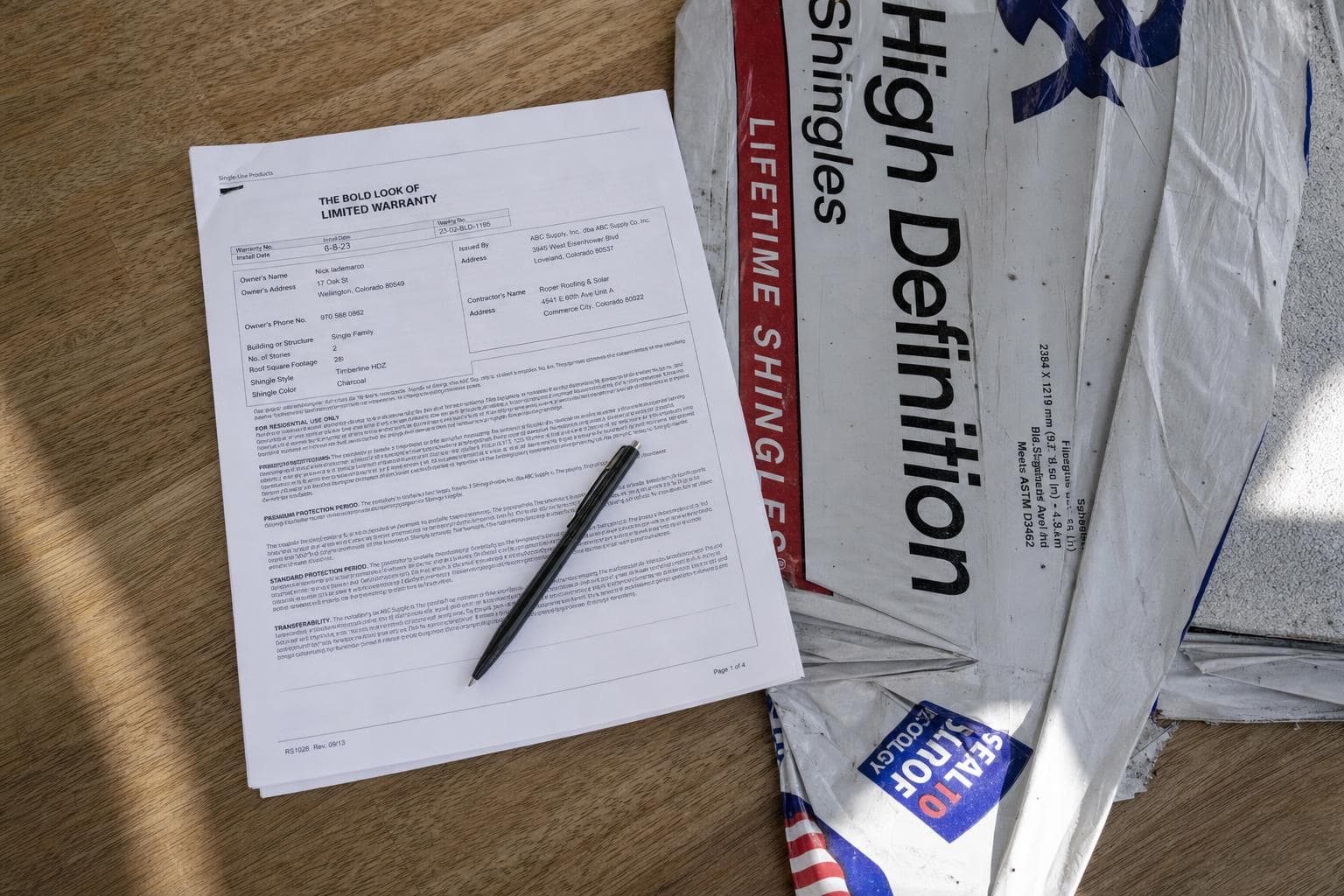
Class 4 describes an impact-test classification for the shingle product; it does not certify the entire roof against every hailstone, wind event, leak, or installation error. In Mississippi, ask how the full assembly handles wind-driven rain, high humidity, hot attic conditions, roof edges, valleys, and penetrations. The proposal should identify the exact product, approved fastening pattern, starter and ridge components, underlayment, flashing, ventilation, deck repairs, and manufacturer requirements. Confirm that every accessory is compatible with the selected system rather than assuming the field shingle alone determines performance.
Also ask what evidence your insurer needs before offering any impact-resistant credit. A Class 4 label does not guarantee a premium change, and a product substitution during installation can affect eligibility. Keep the product data, contract, invoices, photographs, and warranty information. After installation, inspect the roof after significant storms and address displaced flashing, seal failures, or water entry promptly; impact resistance does not remove the need for maintenance or event-specific inspection.
Ask how the proposed roof will be documented at completion, including packaging labels or product identifiers that may be difficult to recover later.
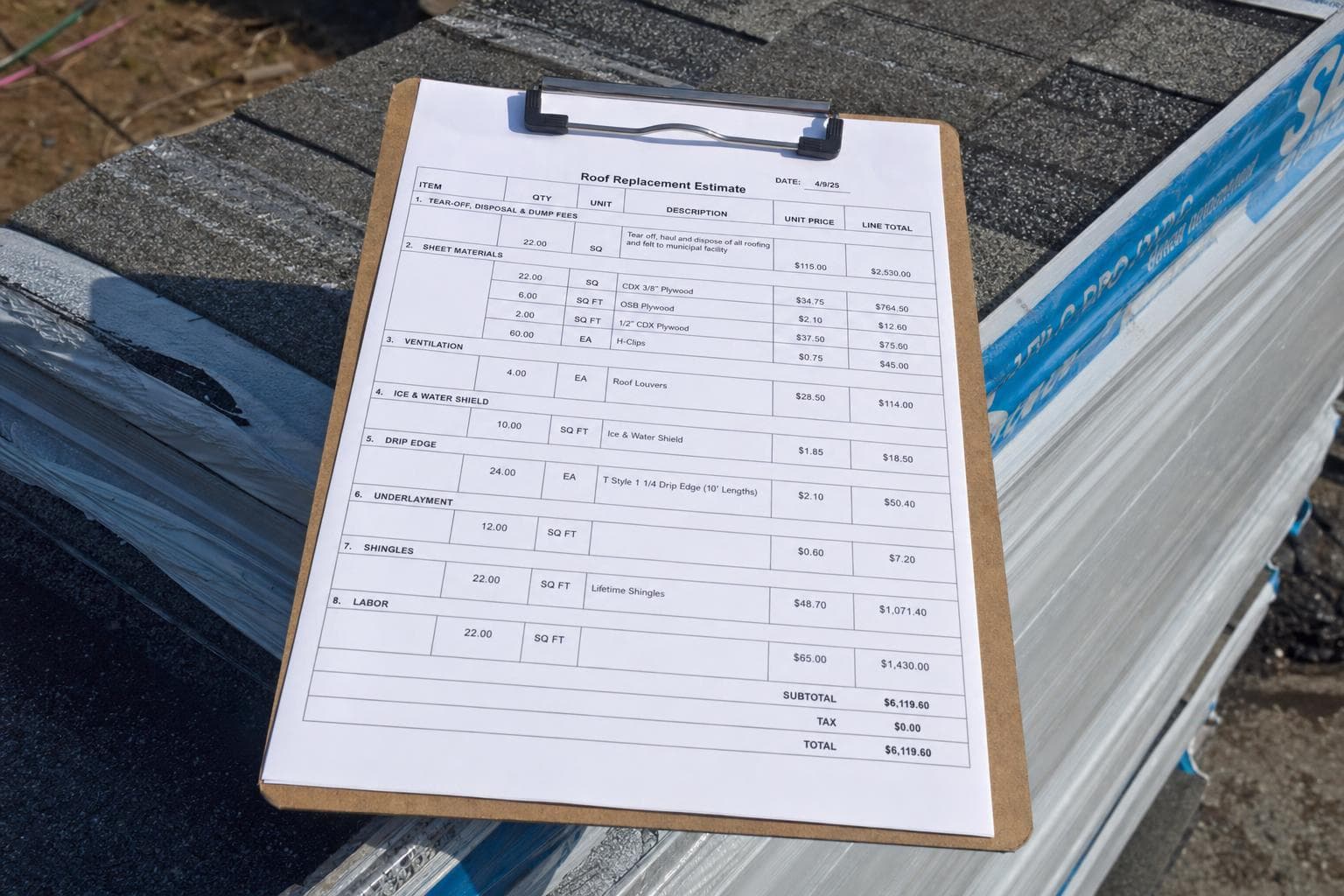
When comparing proposals, require the same measured area and accessory scope in each bid. A lower number is not a useful comparison if it omits edge metal, flashing replacement, ventilation corrections, deck unit prices, permits, or cleanup. Ask each contractor to identify what would trigger a change order and who approves it. Treat the upgrade as a house-specific decision rather than a universal recommendation. Compare the installed price difference, the remaining time you expect to own the home, the insurer's current written requirements, and the contractor's plan for the complete roof system. If a premium credit matters to the budget, obtain the carrier's answer before signing and confirm whether the credit, eligibility rules, or required documentation can change at renewal.
Sources reviewed
- Mississippi Insurance Department, Consumer Hurricane Checklist
- Mississippi State Board of Contractors, Frequently Asked Questions
- UL Solutions: UL Solutions and IBHS Drive Trust in Residential Roofing Shingles
- Asphalt Roofing Manufacturers Association: Residential Asphalt Roofing Manual: Ventilation Best Practices
- CAL FIRE: Home Hardening
Plan with current pricing
Related services
Updated July 27, 2026
3D Roofs Editorial Team
Editorial Standards