Updated July 27, 2026

3D Roofs Editorial Team
Editorial Standards
Yes, Class 4 shingles can be worth it in Pennsylvania, but it depends on how long you plan to stay, what your insurer offers, and how exposed your home is to hail, wind, trees, and storm debris. For current Pennsylvania planning prices related to class 4 shingles, use the cost guide and calculator, then compare the contractor's property-specific written scope. If your carrier offers a discount for a Class 4 rated product, and if your roof takes regular weather stress, that added cost can make sense. If you want the lowest upfront price, Class 3 is usually the better fit.
How much more do Class 4 shingles cost in Pennsylvania?
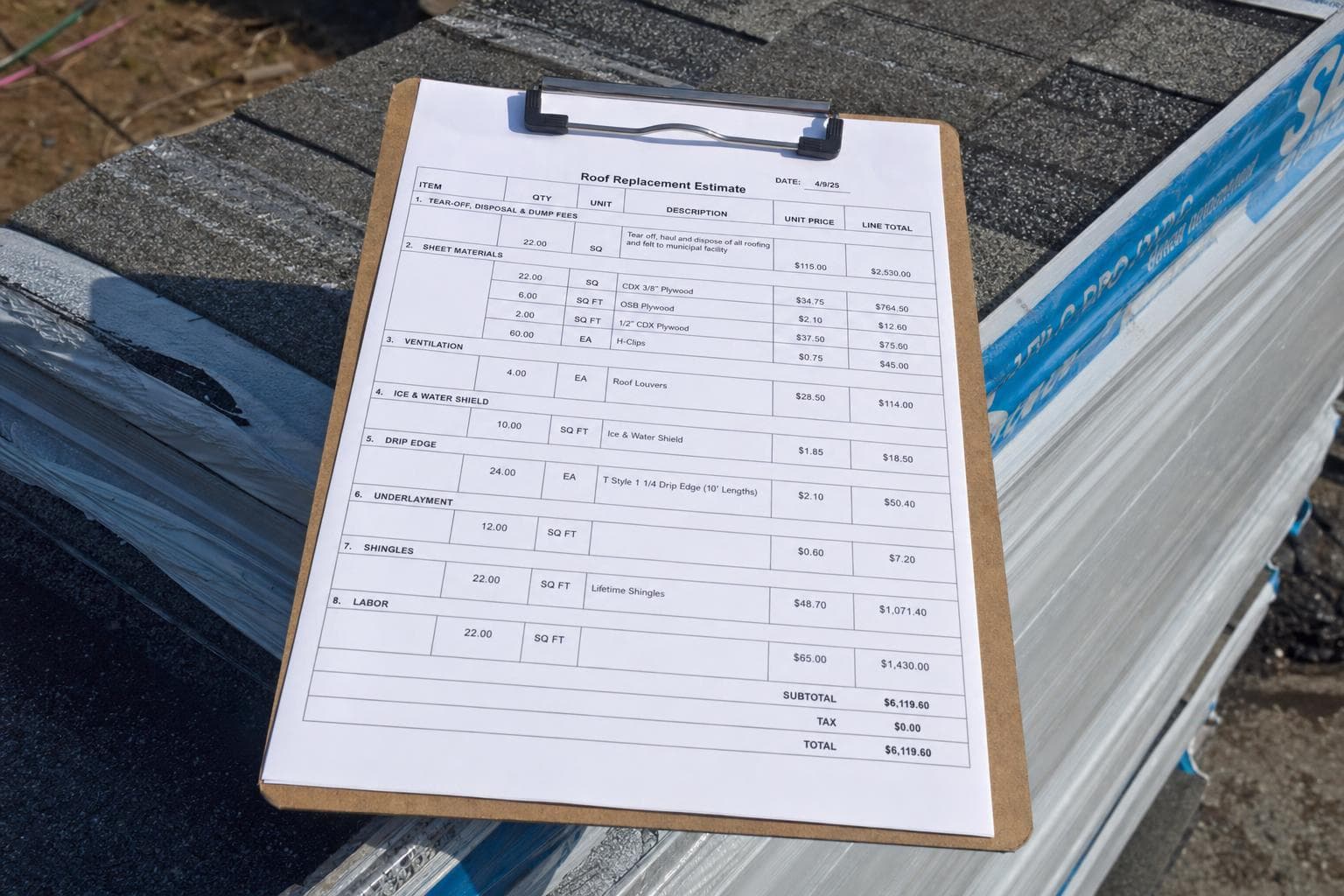
For many homeowners, that means Class 4 sits in the middle: more than standard architectural shingles, far less than standing seam metal.
Do insurers in Pennsylvania give discounts for Class 4 shingles?
Often, yes, but you need to verify it with your own carrier before you buy. For class 4 shingles in Pennsylvania, any insurance credit depends on the carrier, policy, address, and exact product; get the amount and documentation requirements from the insurer in writing. The important part is that carriers set their own rules. Pennsylvania guidance on impact-resistant roofing says to ask your insurer whether it offers a discount for a Class 4 rated product, and to confirm eligibility, required documentation, and whether the carrier recognizes the specific roofing product your roofer proposes. In plain terms, do not assume every Class 4 shingle earns the same savings with every policy.
Does Pennsylvania weather make Class 4 shingles more useful?
Yes, Pennsylvania weather is a real reason homeowners consider them. Pennsylvania's insurance Department says weather here can be unpredictable, from thunderstorms to snowstorms. That mix can mean wind-lifted shingles, water intrusion around flashing and roof penetrations, gutter overflow, and added stress from snow and ice. Tree limbs and outdoor debris can also become a problem during storms. Class 4 shingles are mainly about impact resistance, so they are most relevant when hail and debris are part of the risk picture. They do not replace good flashing, drainage, attic ventilation, or maintenance, but they can be a smart layer of protection in a climate that throws a little of everything at your roof.
Talk to a roofer today
Planning ranges, scope details, and a direct path to request a roofing quote.
When are Class 4 shingles worth the upgrade?
They are usually worth the upgrade when you want a tougher shingle roof without jumping to metal, when your home has repeated storm exposure, or when you expect to stay in the house long enough to benefit from the added durability and any insurer discount. They also make sense if your property has mature trees nearby or if you have already dealt with storm-related roof repairs.
- You want better impact resistance but do not want the cost of standing seam metal
- Your insurer confirms a Class 4 discount and tells you what documentation is needed
- Your roof gets regular exposure to hail, falling twigs, limbs, or wind-blown debris
- You plan to stay in the home and want to spread the upgrade cost over more years
- You are replacing the roof anyway, so the upgrade cost is easier to weigh now than later
When are Class 4 shingles probably not worth it?
They are probably not worth it if upfront budget matters more than anything else, if your insurer offers no discount, or if your roof is relatively sheltered and you do not expect much hail or debris exposure. In those cases, Class 3 shingles often remain the practical choice. Pennsylvania roofs still need the basics done right, especially drainage, flashing, attic ventilation, and ice and water management. A stronger shingle cannot make up for poor roof design or sloppy installation.
How do Class 4 shingles compare with Class 3 and standing seam metal?
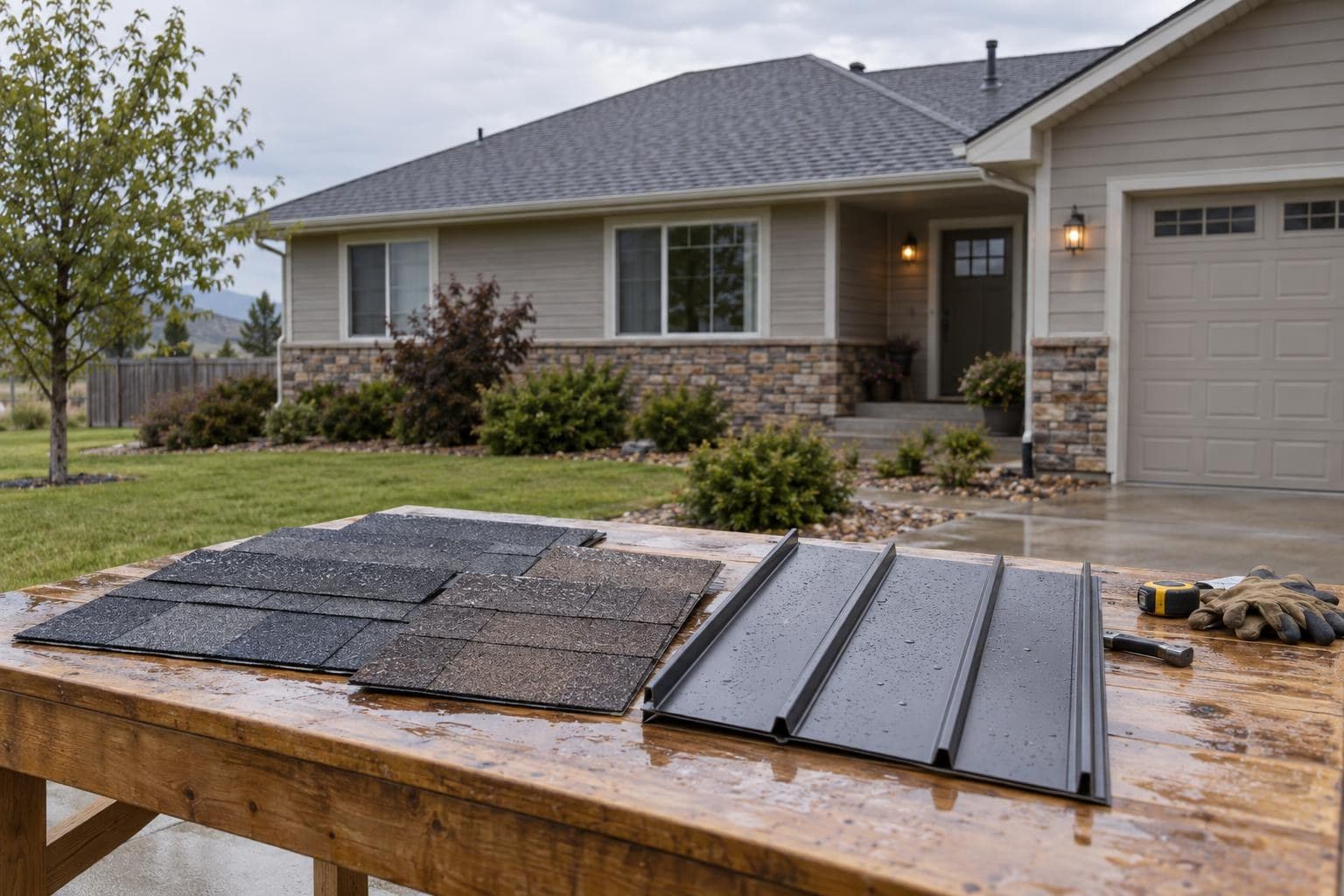
Class 4 is the middle path. Class 3 is the lower-cost asphalt option, and standing seam is the much higher-cost premium option. If you want to step up from a standard shingle without doubling your budget, Class 4 is the obvious comparison. For class 4 shingles in Pennsylvania, treat a steep or difficult-to-access roof as a scope variable that the contractor should measure and price explicitly.
What should you ask before choosing Class 4 shingles?
Start with your insurer, then talk through the roof details with a roofing contractor you are considering. Ask your carrier if it offers a Class 4 discount, which products qualify, and what proof it needs. Then ask your roofer how the proposed shingle fits your roof slope, ventilation, flashing details, and overall storm exposure. A roof system is more than the shingle. In Pennsylvania, roof life often comes down to drainage, attic ventilation, flashing details, and staying ahead of small maintenance issues before the next storm hits.
- Does my policy offer a discount for a Class 4 rated product
- What documentation does my carrier need after installation
- Does my carrier recognize the exact shingle product being proposed
- How will this roof handle flashing areas, penetrations, valleys, and ventilation
- What repairs should be handled now so the new roof performs the way it should
What should Pennsylvania homeowners do after storm damage?
Document first, protect the house, and do not rush permanent repairs. Pennsylvania’s insurance guidance says that after a storm, you should take pictures or videos of the damage before you clean up or make repairs. After documenting, make immediate repairs that are necessary to prevent further damage, but do not make permanent repairs until your insurance company approves them. Keep all receipts for any money you spend related to the damage. Pennsylvania's insurance Department also says to review your policy before storm season, ask whether flood and wind damage are covered, and avoid rushing into a settlement before you understand the full repair cost.
How do you choose a roofer in Pennsylvania without getting burned?
Slow down and check the basics before you sign. Pennsylvania warns that natural disasters can attract dishonest solicitors and says you should be wary of anyone who knocks at your door, including contractors and public adjusters who may try to take advantage of you. Pennsylvania's insurance Department also says contractor registration is a smart first check. The Attorney General says the Home Improvement Consumer Protection Act requires all contractors who perform at least an amount that must be confirmed for the written scope worth of home improvements per year to register with the Attorney General’s Office. The Insurance Department tells homeowners to ask for the contractor’s Home Improvement Contractor number and verify that information through the Attorney General’s contractor search or by calling 1-888-520-6680. Just remember, the Attorney General says registration under HICPA is not an endorsement, recommendation or approval of the contractor’s competency or skill. Get more than one estimate, get the scope and total cost in writing, check references, do not sign blank sections, and do not pay in full before the work is completed.
Where can you compare Pennsylvania roof costs before you decide?
Start with the full Pennsylvania cost page and the calculator if you want to compare materials side by side before talking with a roofing contractor you are considering. That gives you a clear view of how Class 3, Class 4, and standing seam stack up in 2026 market pricing. From there, you can decide whether the Class 4 upgrade fits your budget, your storm exposure, and your insurance situation.
Sources reviewed
- Pennsylvania Insurance Department, Natural Disaster Insurance Guide
- Pennsylvania Office of Attorney General, Home Improvement Contractor Registration
- UL Solutions: UL Solutions and IBHS Drive Trust in Residential Roofing Shingles
- Asphalt Roofing Manufacturers Association: Residential Asphalt Roofing Manual: Ventilation Best Practices
- CAL FIRE: Home Hardening
Plan with current pricing
Related services
Updated July 27, 2026
3D Roofs Editorial Team
Editorial Standards