Updated July 10, 2026

3D Roofs Editorial Team
Editorial Standards
Yes, Class 4 shingles can be worth it in Utah if you want more impact resistance, you may qualify for an insurer discount, and you are weighing the upgrade against Utah storm exposure. Your roof in Utah can take stress from wind, wind-driven rain, falling branches or trees, heavy snow weight, ice, freeze-thaw cycles, and long periods of sun exposure. That does not mean Class 4 is the right move for every home, but it does mean the upgrade has a real case here.
Are Class 4 shingles worth the extra cost in Utah?
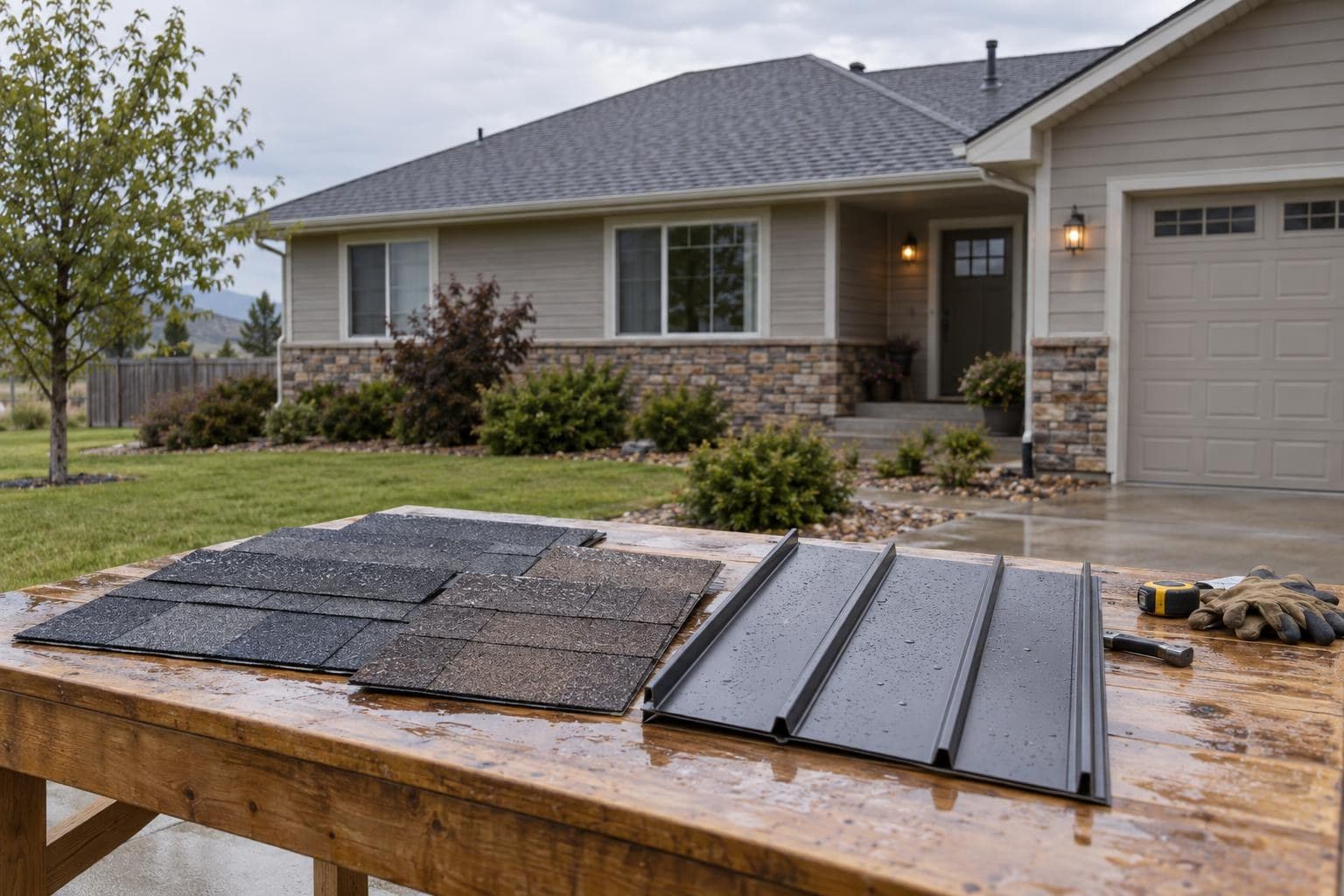
Usually, yes, if you want a stronger asphalt roof without jumping to metal pricing. For an impact-resistant shingle decision in Utah, start with current Utah cost data, then test the planning range against a measured proposal that names the complete roof assembly. So if you want better impact resistance but still want asphalt, Class 4 sits in the middle, more than Class 3, far less than standing seam.
What do you actually get when you upgrade from Class 3 to Class 4?
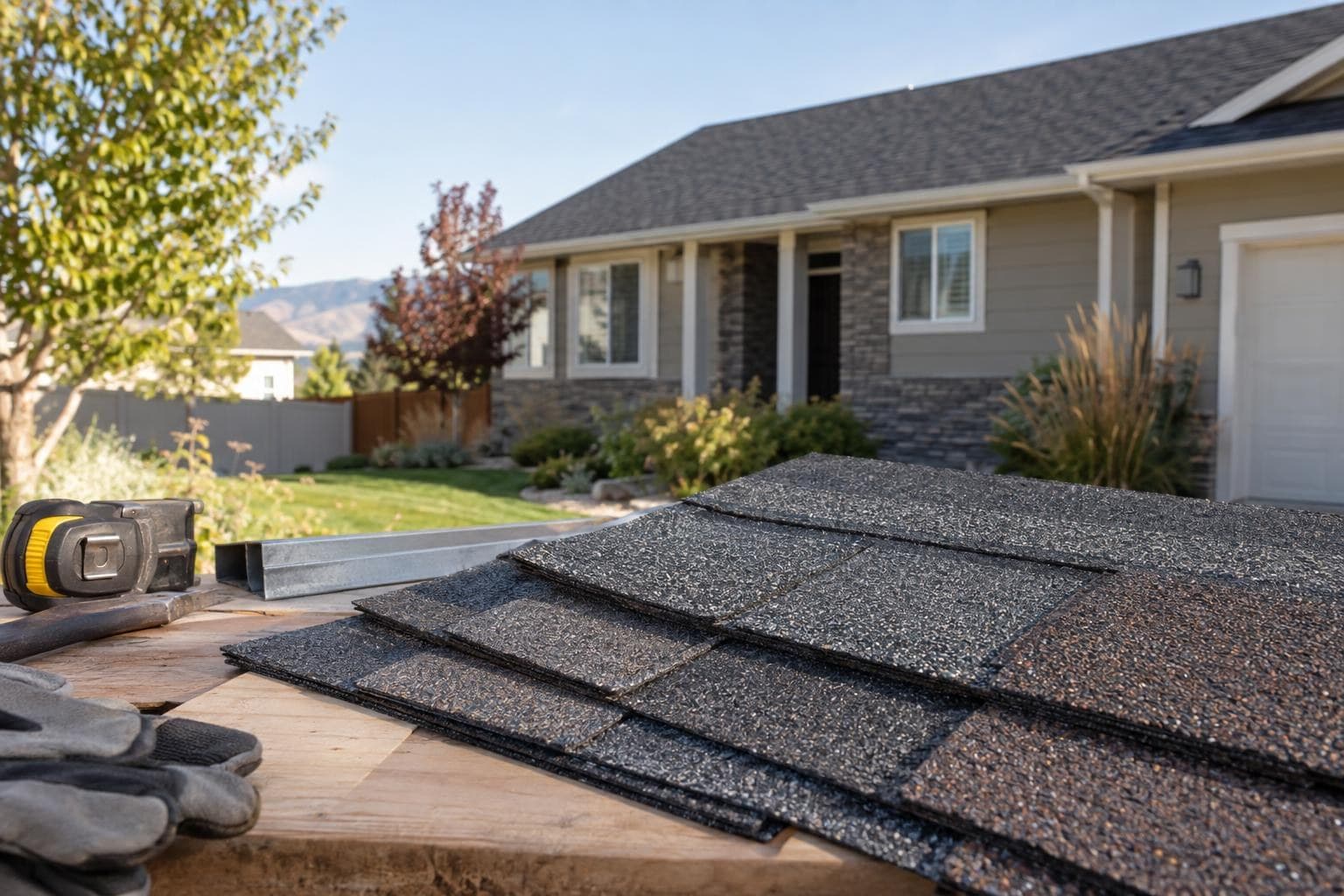
You get a roof system designed for higher impact resistance, and in Utah that matters. Hail is only part of the picture. Your roof also deals with falling branches or trees, freeze-thaw cycles, wind-driven rain, and long sun exposure. Class 4 does not make your roof damage-proof, and it does not remove the need for good installation, ventilation, and flashing details. But if your goal is to reduce the chance that a storm leaves you with preventable shingle damage, the upgrade is easier to justify in a state with this kind of roof stress.
How much more does Class 4 cost in Utah?
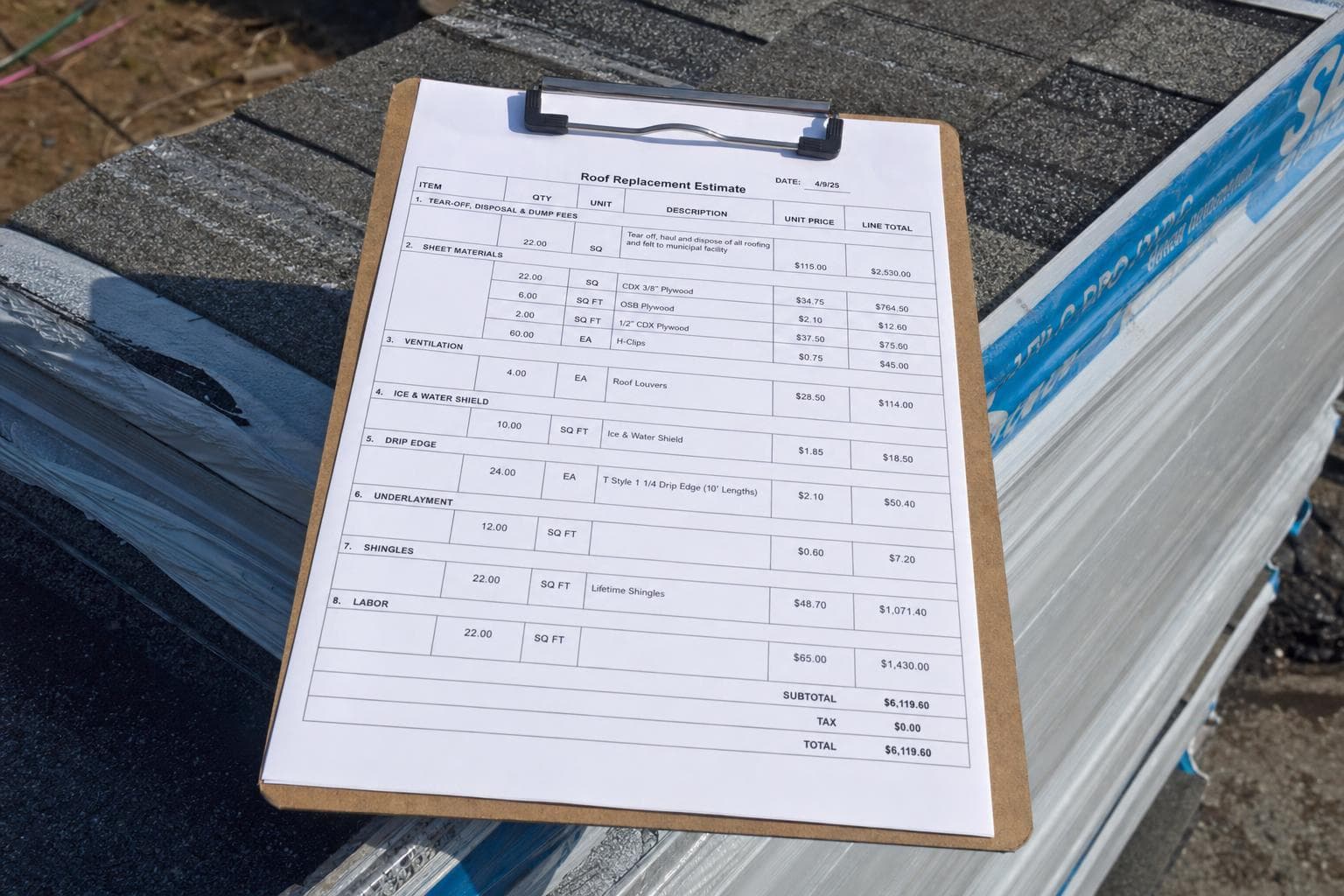
For a typical 2,000 sq ft roof, the difference is straightforward. For an impact-resistant shingle decision in Utah, require the written schedule to account for roof geometry, access, weather protection, material handling, inspections, and possible deck work. That means the real decision is not whether Class 4 is free, it is whether the extra upfront cost makes sense for your home, your insurer, and how long you expect to keep the roof.
Talk to a roofer today
Planning ranges, scope details, and a direct path to request a roofing quote.
Do Utah insurers give discounts for Class 4 shingles?
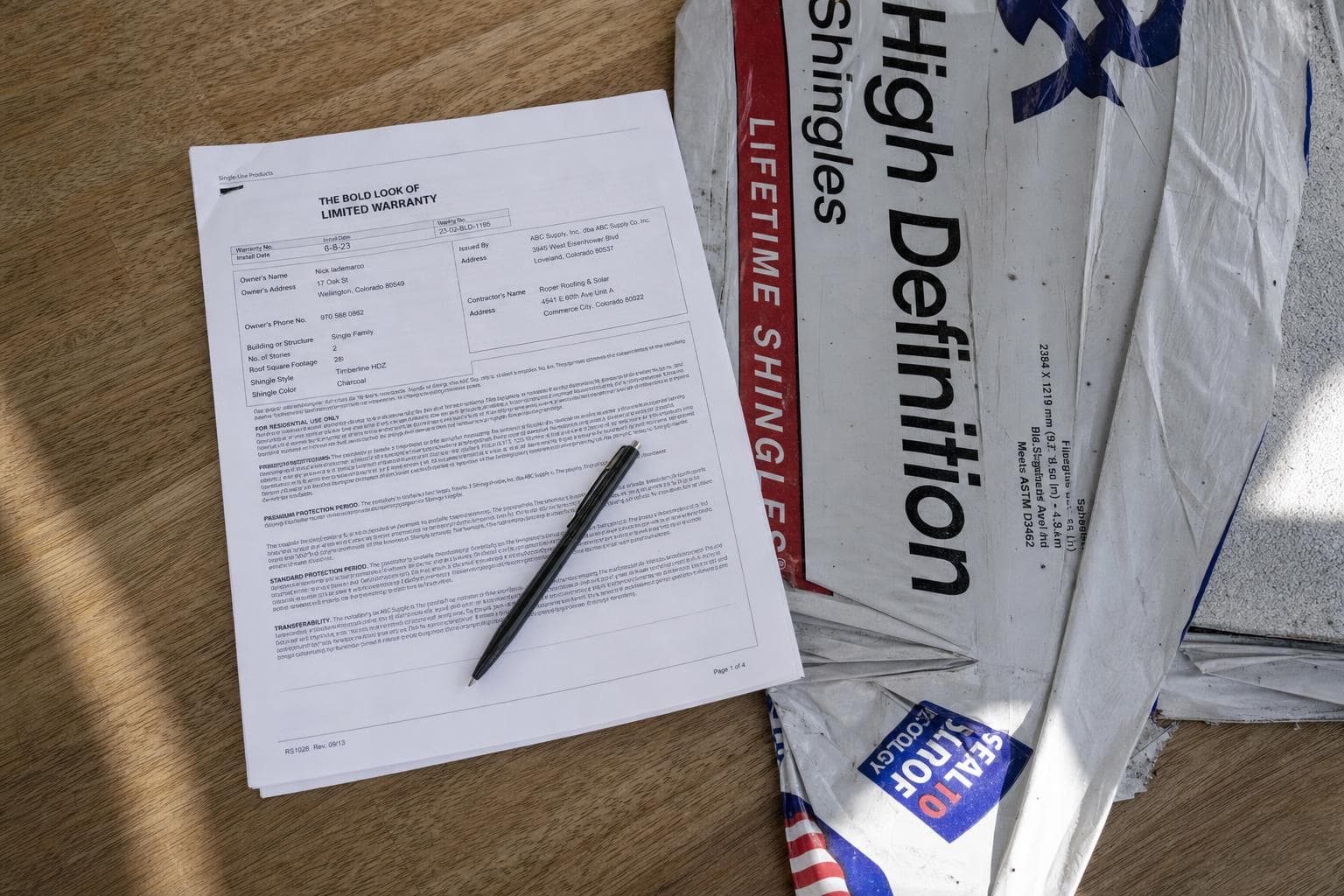
Often, yes, but you should confirm before you count on it. For an impact-resistant shingle decision in Utah, treat any impact-resistant roof credit as unconfirmed until the insurer identifies the eligible product, required documentation, premium portion, and amount in writing. That is not a discount on your full premium, and it is not automatic. Discounts, if any, are set by the carrier, and your eligibility depends on the insurer's rules and your specific product documentation. If you are replacing the roof after storm damage, ask your roofer for the exact product rating paperwork and confirm with your insurer before you move forward based on expected savings.
How does Utah weather affect the value of Class 4 shingles?
It raises the value case. Utah roofs face a mix of impact, moisture, and temperature stress. Even if your main concern is hail, those other conditions matter because roofing decisions are rarely about one storm type. If you want one practical upgrade that targets impact risk while staying in the asphalt category, Class 4 fits Utah better than it might in a milder climate.
Will Class 4 shingles stop insurance claims and roof repairs?
No, and that is important to understand before you spend more. Class 4 can help reduce some impact-related damage, but it will not stop every claim and it will not prevent every repair. A roof can still suffer damage from flashing failures, uplift, debris, ice issues, or severe storm conditions. The smarter expectation is not zero problems. It is fewer avoidable problems and a better chance of coming through storms with less damage.
What should you do after storm damage in Utah if you are thinking about upgrading?
Document fast, dry in the home, and wait on permanent repairs until the insurer has inspected and you have agreement on the cost. Utah consumer guidance says quick documentation and temporary dry-in matter because added interior damage can complicate the claim. The Utah Insurance Department tells homeowners to make repairs necessary to prevent further damage, such as covering broken windows, leaking roofs, and damaged walls. It also says, "Do not have permanent repairs made until your insurance company has inspected the property and you have reached an agreement on the cost of repairs." Save receipts, including temporary repair receipts covered by your policy. If you are considering Class 4 as part of the replacement, this is the stage where you should ask for the exact product paperwork and check discount eligibility with your insurer.
What Utah insurance protections should you know before a roofing claim?
Utah gives you some useful claim protections, and they matter if a roof claim starts dragging. The Utah Insurance Department says home claims information for Utah includes laws on "Timely payment of claims" and "Unfair claim settlement practices." It also lists Rule R590-190, "Unfair Property, Liability and Title Claims Settlement Practices," and says this includes homeowner policies. The Utah Insurance Department also lists "31A-19a-212 Premium increases prohibited for certain claims or inquiries" as part of its home claims information for Utah. If you have a dispute with your insurer about the amount or terms of the claim settlement, the Utah Insurance Department says you can contact the department for assistance.
How do you choose the right roofer for a Class 4 roof in Utah?
Start by verifying the contractor's Utah license status first, then compare written estimates and read every document before you sign. In Utah, start by confirming your roofer holds the right Utah contractor license and use the state verify-a-license tool. The Utah Insurance Department warns you to be wary of door-to-door roof inspection offers after a storm, out-of-state contractors approaching you after disasters, pressure to quickly sign electronic documents, especially Assignment of Benefit forms, and requests for upfront payment. It also tells homeowners to get at least three written estimates, work with the insurer, and require copies of invoices sent to the insurer. That matters even more when you are choosing a higher-cost material upgrade and counting on specific paperwork for a possible insurer discount.
So, should you choose Class 4 shingles in Utah?
Choose Class 4 if you want a stronger asphalt option, can handle the added upfront cost, and have confirmed whether your carrier offers a discount. In Utah, where roofs deal with impact risk, winter stress, and strong sun, that upgrade often makes practical sense. If you want to compare your home more closely, check the full local pricing on the Utah cost page and the calculator, then review the product paperwork and your insurer's rules before you decide.
Sources
Reviewed technical references for Utah
Related Utah roofing guides
Related services
Updated July 10, 2026
3D Roofs Editorial Team
Editorial Standards