Updated July 27, 2026

3D Roofs Editorial Team
Editorial Standards
Yes, homeowners insurance may cover roof replacement in Idaho when the roof has functional damage from a covered event, such as wind or other storm-related loss. For does insurance cover roof replacement in Idaho, coverage depends on the policy language, cause of loss, exclusions, and the insurer's decision; verify those terms in your own documents. If you are trying to figure out whether your situation looks like a covered claim, start with the cause of damage, then look at your deductible, then look at how your policy pays, either Replacement Cost or Actual Cash Value.
When does insurance cover roof replacement in Idaho?
Insurance may cover replacement when a sudden covered event causes functional roof damage, not when the roof simply reaches the end of its life. In Idaho, weather can stress a roof in several ways. The state insurance guidance highlights wildfires, severe thunderstorms, high winds, and heavy precipitation from rain or snow as common disaster threats. For your roof, that means wind can loosen or lift materials, heavy precipitation can expose drainage and flashing weak points, and wildfire risk can make roof material choice more important, especially in more rural areas. Regular cleanup, tree trimming, and quick repairs after a storm can help limit bigger damage later.
- Usually claim-related: lifted or missing shingles after high winds, impact damage from a storm, or roof damage tied to a sudden covered event
- Usually not claim-related: aging shingles, old flashing, slow leaks from wear, neglected maintenance, or problems that developed gradually
- If damage is limited, insurance may pay for a repair instead of full replacement. For an insurance-related roof project in Idaho, begin with documented damage, the policy deductible, and a property-specific repair or replacement scope.
Does insurance cover an old roof or normal wear and tear?
A roof that is brittle, thinning, curling, or simply old is generally a maintenance issue, not an insurance loss. What matters most is whether the storm created functional damage that affects the roof's ability to shed water. If your roof already had weak areas, the carrier may look closely at what was caused by the event and what was already there.
How does the deductible affect whether a claim makes sense?
Your deductible can decide whether filing is worthwhile. If the expected covered repair is close to your deductible, a claim may not change much for you. If the damage is widespread and points to replacement, the math can look very different. For an early budget on an insurance-related roof project in Idaho, compare the Idaho cost page with a proposal that identifies measurements, products, accessories, and exclusions.
Talk to a roofer today
Planning ranges, scope details, and a direct path to request a roofing quote.
What should you do right after storm damage to your roof?
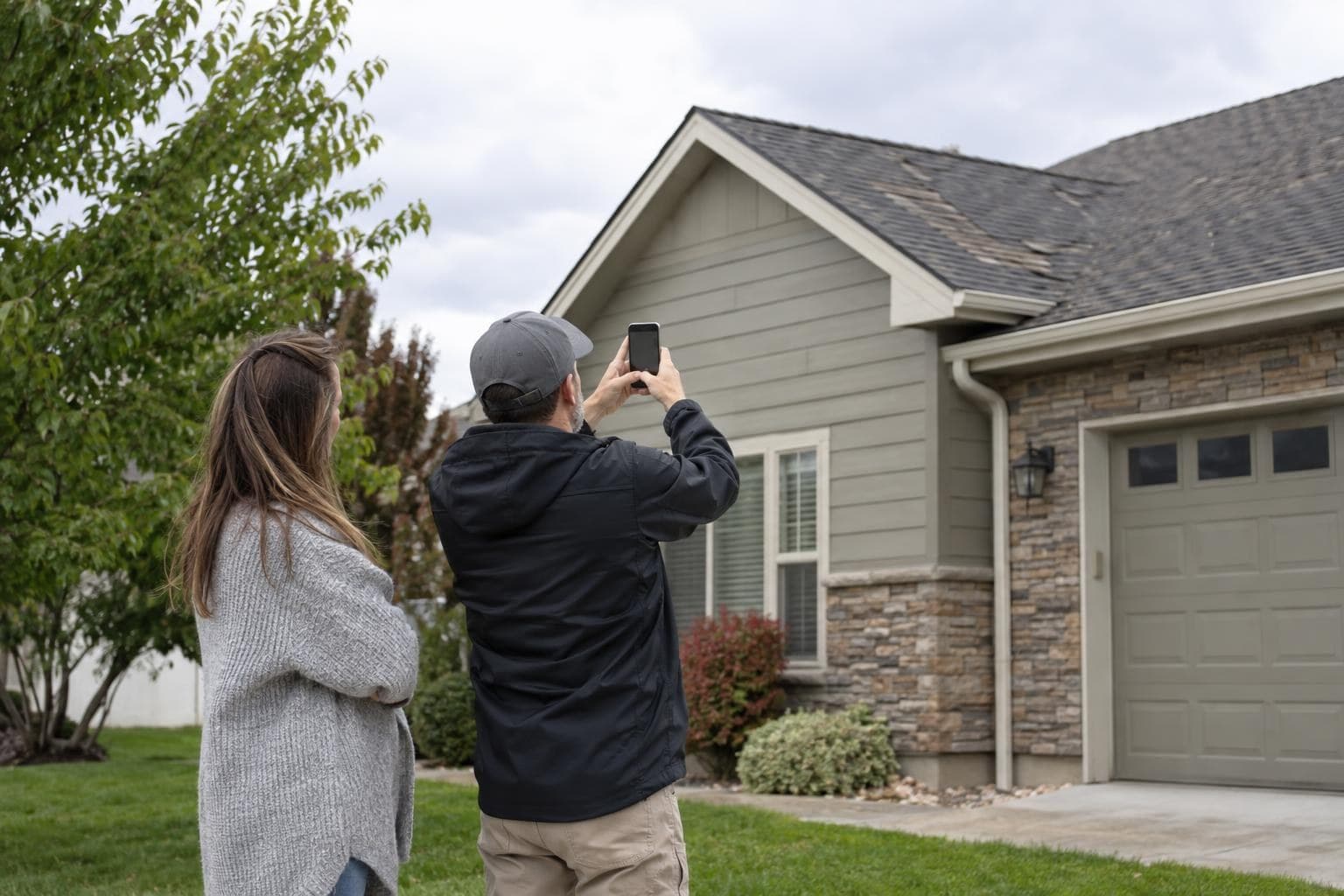
Document the damage and stop further damage as soon as you safely can. Idaho's insurance guidance tells homeowners to take photos or video of the initial damage, avoid throwing damaged items out before the adjuster advises you to do so, and mitigate the damage to keep the property from sustaining additional damage once a loss has occurred. It also says to keep all receipts for mitigation for possible reimbursement. For a roofing claim, that means you should document the roof damage early and save receipts for temporary protection work.
- Take clear photos and video of roof damage, interior leaks, and any damaged gutters, flashing, or screens
- Use temporary protection if needed to limit further damage, then save all receipts
- Do not throw away damaged materials until the adjuster says you can
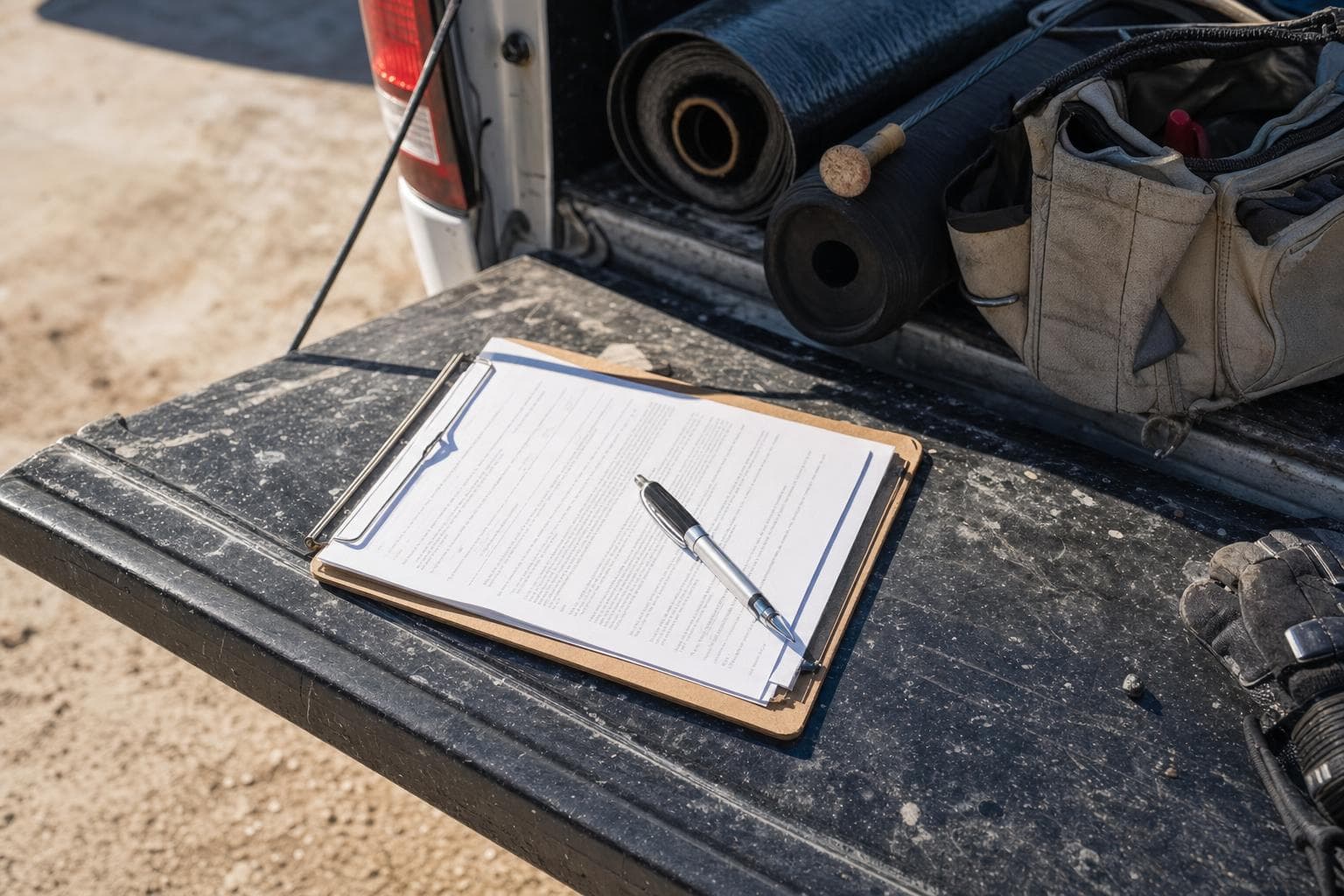
- Ask your local roofing contractor you have vetted for a written scope that clearly shows storm-related damage
What happens after you file a roof insurance claim in Idaho?
The adjuster investigates the loss, reviews the policy, and may bring in outside experts. The Idaho Department of Insurance says the adjuster may hire appraisers, engineers, or contractors to help evaluate damage. The guidance also says that if you have chosen a contractor, it is common for the claims adjuster to discuss the scope and estimate of damage with your chosen contractor and make a plan to move forward with repairs. That is why clear photos, a clean written scope, and good documentation from your roofer matter.
How are roof claim payments made, Replacement Cost or Actual Cash Value?
It depends on your policy, and the difference can change your out of pocket timing. Idaho's consumer guidance says you should ask whether your policy provides coverage for Replacement Cost or Actual Cash Value. It explains that if your policy provides Replacement Cost coverage, it is common for the insurance company to pay the Actual Cash Value up front, then pay the depreciated amount once repairs are completed or damaged items are replaced. If your roof claim is covered, that payment structure can affect cash flow during the job, even when the final covered amount is higher.
Will insurance pay to match the rest of the roof?
Not always. The Idaho Department of Insurance says your policy might not pay to match undamaged portions of items involved in your claim, including roof shingles, and that matching is often addressed in the policy provisions. If only one roof area is damaged, ask your adjuster to show you the policy language that addresses matching before you assume a full uniform replacement will be covered. This is one of the most important questions to settle early if your current shingles are older or hard to match.
Can you choose your own roofer for an insurance claim?
Yes, you can choose your roofer, and it helps to keep the roofing work and claim representation roles clear. Idaho has a Contractors Board with registration search, registration applications and renewals, and complaint filing tools. That means a smart first step is to confirm that your roofer is registered through the state's Contractors Board and to review whether any formal actions appear in the board's discipline resources. Idaho also warns homeowners to carefully read any contract before signing and to be cautious when approached by anyone offering to assist with settlement of your claim or give advice about insurance coverage or your insurance claim. For you, that means asking your local roofing contractor you have vetted for a written scope you can compare with the adjuster's scope, reading the contract carefully, and keeping each person's role clear.
Should you upgrade to Class 4 shingles after a claim?
Maybe, if you want more impact resistance and the numbers work for your budget. When comparing an insurance-related roof project in Idaho, use a written insurer response rather than a sales estimate for any impact-resistant roof credit. The Idaho sources provided do not give a state-specific rule on Class 4 roof discounts. If you are considering an impact-resistant roof, ask your carrier whether it offers a discount for a Class 4 rated product and what documentation it requires. Carriers set their own discounts, so you should confirm availability and terms directly with your insurer before you choose materials.
How long does a covered roof replacement usually take?
The schedule for an insurance-related roof project in Idaho should explain access, material staging, weather protection, inspections, and the process for discovered deck work. If your claim is approved, your roofer can usually walk you through the sequence clearly: protect the home, tear off the old roof, install the new system, complete cleanup, and provide the paperwork needed for any final claim payment.
If you think your Idaho roof has storm damage, the practical next step is simple: document what happened, prevent further damage, review your deductible and policy payment type, and have a local contractor whose credentials you verified inspect the roof and write a clear scope. If you want to compare material costs before you decide, check the Idaho cost page and the calculator for full local pricing.
Sources
Reviewed technical references for Idaho
Related Idaho roofing guides
Related services
Updated July 27, 2026
3D Roofs Editorial Team
Editorial Standards