Updated July 27, 2026

3D Roofs Editorial Team
Editorial Standards
Yes, homeowners insurance may cover roof replacement in Maryland when the damage comes from a covered event like wind, hail, fallen tree impact, or another sudden storm-related loss. For does insurance cover roof replacement in Maryland, coverage depends on the policy language, cause of loss, exclusions, and the insurer's decision; verify those terms in your own documents. The key question is simple: did a recent event cause functional damage that affects how your roof sheds water, or are you looking at age, neglect, and normal deterioration. In Maryland, that distinction matters because your roof deals with year-round weather swings, including wind-driven rain, hail, fallen tree damage, coastal weather, and winter freeze-thaw stress. If a storm created real damage, you may have a claim. If the roof is simply tired, insurance usually is not the fix.
When does homeowners insurance cover a roof replacement in Maryland?
It is most likely covered when a covered storm causes enough functional damage that repair is not practical or will not restore the roof properly. Functional damage means the roof system no longer performs the way it should. Think missing shingles after high wind, hail hits that break or bruise roofing materials, flashing damage that lets water in, or tree impact that compromises part of the roof. Cosmetic wear alone is different. If the roof has lost granules over many seasons, has brittle shingles from age, or shows general decline from moisture and sun exposure, that usually points to wear rather than a covered loss. Maryland roofs often wear down from a combination of moisture, wind, and sudden storm hits, so it is common for homeowners to have a mix of old wear and new storm damage. Your claim usually turns on what the adjuster can tie to a specific covered event.
What counts as storm damage, and what counts as normal wear?
Storm damage is sudden and event-driven. Normal wear is gradual. That is the cleanest way to think about it. After a storm, look for signs that something changed quickly: lifted or missing shingles, fresh leaks, bent or displaced flashing, dented metal components, damaged gutters, or impact from debris and branches. Normal wear looks more like aging shingles, recurring leak spots that have been patched before, long-term staining, or a roof that has simply reached the end of its service life. In Maryland, winter storms, ice, snow, and freeze-thaw cycles can stress an older roof, but age-related decline is still not the same as covered storm damage. If a storm exposed a weakness, your carrier may still focus on whether the storm caused direct functional damage or whether the roof failed because it was already worn out.
Will insurance pay for a full replacement or just a repair?
It depends on the extent of covered damage and what it takes to restore the roof after that damage. For an insurance-related roof project in Maryland, begin with documented damage, the policy deductible, and a property-specific repair or replacement scope. Broader damage across multiple slopes, damage that affects the roof's ability to shed water, or damage to materials that cannot be matched or repaired effectively may point toward replacement. Use the current Maryland cost page and calculator to plan an insurance-related roof project in Maryland, then require the measured scope to explain any meaningful difference. When planning an insurance-related roof project in Maryland, ask how roof shape, staging, weather, inspections, and concealed deck conditions affect both duration and labor. Your carrier decides what is covered under your policy, but your roofer can help document what the roof needs to be made functional again.
Talk to a roofer today
Planning ranges, scope details, and a direct path to request a roofing quote.
How does the deductible work on a Maryland roof claim?
You pay your deductible first, and it cannot legally be waived. The Maryland Insurance Administration says state law makes it illegal for contractors or roofers to offer to waive a deductible or to promise a rebate for your deductible. It also says your insurer may request proof, such as a receipt or canceled check, that you paid the deductible. That means if someone tells you they can cover your deductible, that is a red flag. Plan on paying it yourself and keeping records. This matters whether your claim ends in a repair or a full replacement. Before work starts, make sure you understand your deductible amount, how it affects the settlement, and what proof of payment your insurer may want later.
What should you do first after storm damage to your roof?
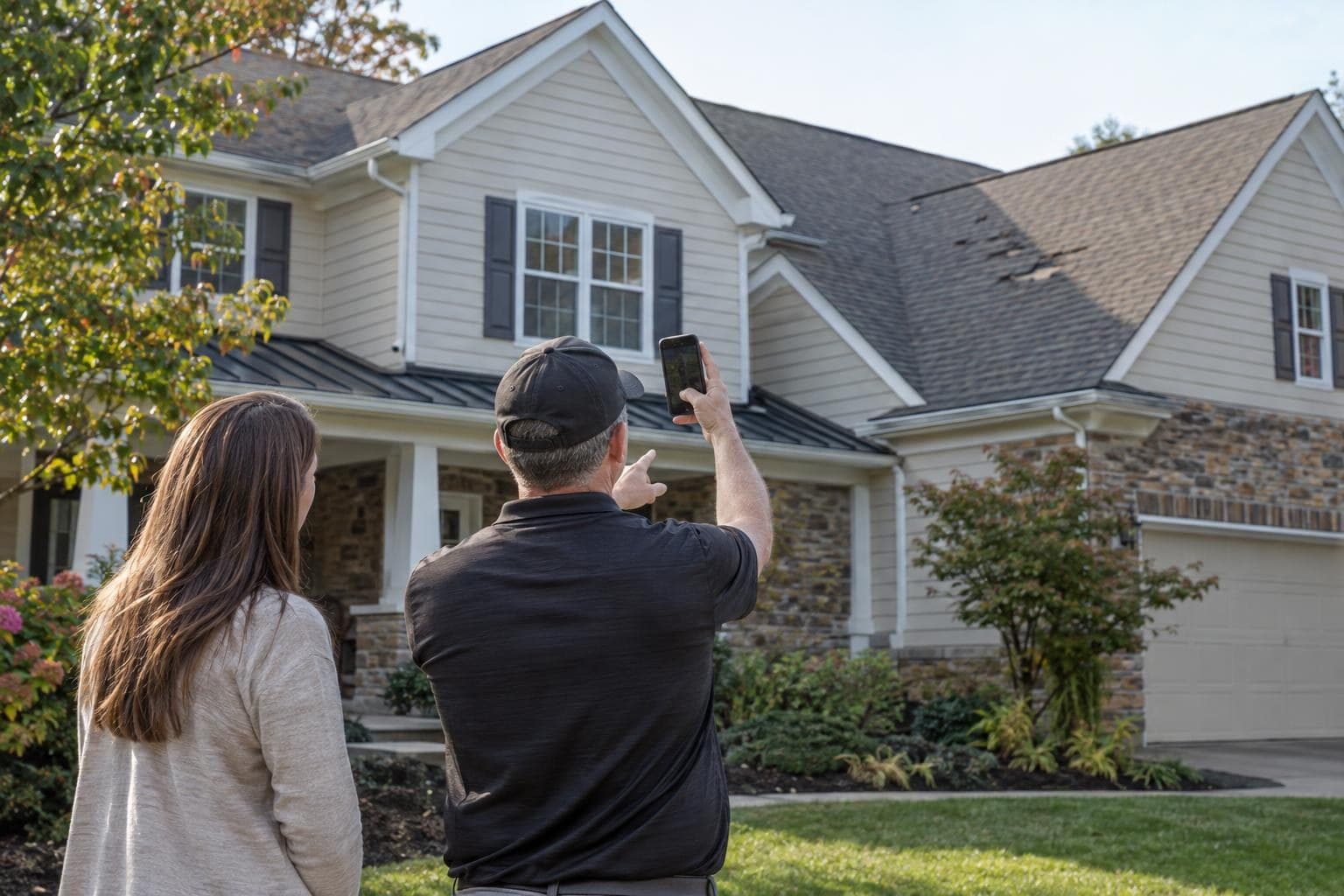
Report the damage quickly, document what you see, and get your roof inspected. The Maryland Insurance Administration says you should report property damage as soon as possible. Take clear photos of missing shingles, leaks, ceiling stains, dented metal, damaged gutters, and any fallen branches or tree impact. If water is entering the home, take reasonable steps to limit further damage. Then arrange for a qualified local roofing contractor to inspect the roof and explain whether the damage looks repairable or points to replacement. If you need help quickly, the Maryland Insurance Administration says to ask your insurer about an advance payment and ask about living expenses. The Maryland Insurance Administration advises policyholders to ask the insurer which additional living expenses apply when covered damage makes the home uninhabitable.
How do you handle the adjuster visit without missing damage?
Be present if you can, and walk the damage with the adjuster. The Maryland Insurance Administration tells homeowners to get multiple bids from contractors and compare them with the adjuster’s report before settling the claim. It also advises you to be there when the adjuster visits and point out all damage. That matters because roof claims often turn on details, including which slopes were hit, whether flashing or accessories were damaged, and whether there is interior water intrusion tied to the roof event. Ask your roofer for a written scope of what they found. Then compare that scope with the adjuster report before you agree to a settlement. If the reports do not match, ask questions early. This is one of the best ways to avoid being underpaid for covered work.
Can a roofer help with the insurance claim in Maryland?
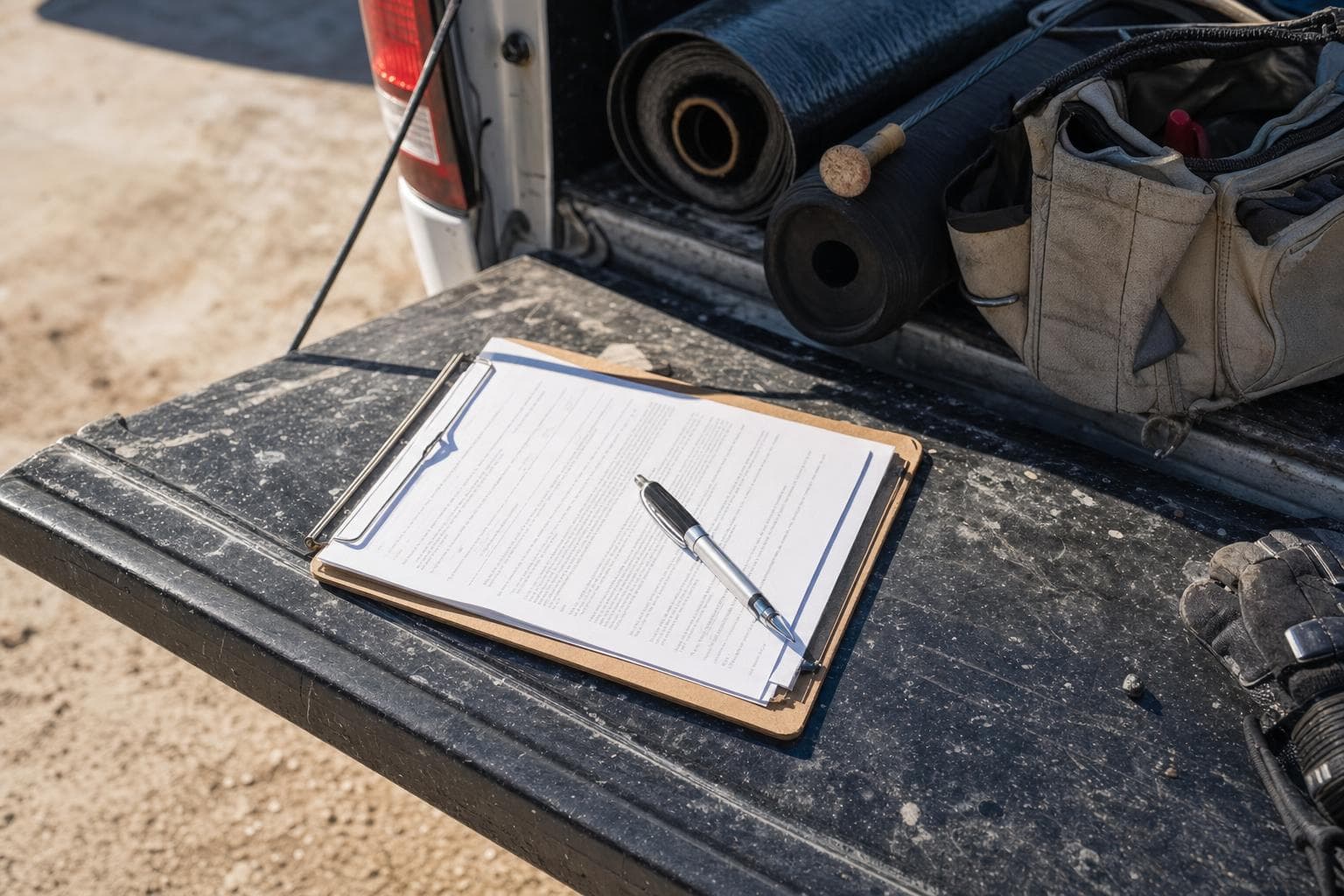
A roofer can inspect the roof, document storm-related damage, and prepare an estimate for repair or replacement. A roofer should not act as your claim representative unless that person is licensed to do that work. The Maryland Home Improvement Commission says a home improvement contractor may prepare an estimate for storm repair, but may not prepare the insurance claim for you, negotiate the claim with the insurance company, or advise you on policy coverage unless that person is licensed as a public adjuster by the Maryland Insurance Administration. For you, the practical takeaway is this: use your roofer for roof facts, photos, measurements, and repair scope. Use your insurer, policy documents, and qualified insurance professionals for coverage decisions.
Should you get more than one roofing estimate before settling?
Yes, you should. More than one estimate gives you a better read on whether the insurer's scope matches what your roof actually needs. It also helps if one estimate includes code-related items, steep-slope access, flashing replacement, or accessory work that another report missed. When you compare bids, make sure you are looking at the same roofing system, underlayment, flashing work, tear-off, and disposal. If you are comparing impact-resistant options, ask your insurer whether it offers a discount and what documentation it requires. Discounts are carrier-specific, and a local contractor whose credentials you verified can help you understand product documentation, but your carrier decides eligibility and savings. Do not assume a statewide Class 4 credit in Maryland; ask the carrier to verify eligibility and paperwork for the exact product and policy.
What if your roof claim is denied or you cannot find coverage?
If your claim is denied, ask for the reason in writing and compare it with your roofer's documentation and the adjuster report. Sometimes the dispute is about cause of loss, extent of damage, or whether the roof issue is storm-related or wear-related. If you cannot obtain insurance from a private insurance company, limited insurance protection may be available through the Maryland Property Insurance Availability Program, known as the Joint Insurance Association. The Maryland Insurance Administration also says it will investigate complaints from Marylanders who believe they were refused insurance coverage by an authorized insurer or the JIA in violation of insurance laws and regulations. That does not mean every dispute will change the outcome, but it gives you a path if you believe coverage was refused improperly.
How do you choose the right roof if insurance is paying?
- Match the roof to what your policy settlement allows and what your home needs.
- Ask whether a repair restores function, or whether replacement is the better long-term fix after covered damage.
- If you are considering Class 4, ask your insurer whether it offers a discount and what documentation it requires.
The bottom line is simple: insurance usually covers sudden, functional storm damage, not an aging roof wearing out. If your Maryland roof was hit by wind, hail, debris, or a fallen tree, move quickly. Document the damage, report it right away, be present for the adjuster visit, and compare contractor bids with the adjuster report before settling. Pay your deductible yourself and keep proof. Then choose the roof system that fits your home and your claim. If you want to understand replacement costs before you talk with your roofer, start with the Maryland cost page and the calculator, then use that information to ask better questions and avoid surprises.
Sources
- National Association of Insurance Commissioners: What You Need to Know When Filing a Homeowners Claim
- National Association of Insurance Commissioners: Actual Cash Value Coverage and Replacement Cost Coverage
- Maryland Insurance Administration, What to do After a Natural Disaster
- Maryland Insurance Administration, Consumer Advisory on obtaining homeowners insurance and the JIA
Reviewed technical references for Maryland
Related Maryland roofing guides
Related services
Updated July 27, 2026
3D Roofs Editorial Team
Editorial Standards