Updated July 10, 2026

3D Roofs Editorial Team
Editorial Standards
Yes, homeowners insurance may cover a roof replacement in South Carolina when a storm causes functional damage. If the issue is age, neglect, or wear that built up over time, coverage is usually much harder to get. The key question is not whether your roof looks old. It is whether wind, hail, or another covered event caused real damage that affects how the roof sheds water and protects your home.
Does homeowners insurance cover roof replacement in South Carolina?
Yes, it can, when the roof was damaged by a covered event and the damage is functional. In South Carolina, roofs have to handle severe storms, wind-driven rain, and long periods of heat and humidity. In practical terms, that can mean lifted shingles, flashing problems, leaks that spread quickly if they are not covered, and moisture-related wear that builds over time. For you, that means regular roof checks matter, especially after major weather. Insurance is generally about sudden, accidental loss. It is not designed to pay for a roof that has simply reached the end of its life.
What counts as storm damage instead of normal wear?
Storm damage usually means a specific weather event caused the roof to fail in a way that matters. Think missing shingles after high wind, creased or lifted shingles, damaged flashing, punctures, or roof sections that now allow water in. Wear is different. Wear is granule loss from age, long-term drying and cracking, old sealant, slow moisture-related deterioration, and other conditions that develop over time. The line that matters for your claim is function. If the roof can no longer perform because of storm damage, you have a stronger insurance case. If the roof is just older and tired, that usually points away from coverage.
Will insurance pay for a full replacement or just a repair?
It depends on how much of the roof was functionally damaged and what your policy allows. If damage is limited to one area, the carrier may lean toward repair. For an insurance-related roof project in South Carolina, begin with documented damage, the policy deductible, and a property-specific repair or replacement scope. If the damage is widespread enough that repairs will not restore the roof properly, replacement may be the better path. The schedule for an insurance-related roof project in South Carolina should explain access, material staging, weather protection, inspections, and the process for discovered deck work. The proposal for an insurance-related roof project in South Carolina should price steep-slope access and slower material handling directly instead of hiding them in a standard percentage. For an early budget on an insurance-related roof project in South Carolina, compare the South Carolina cost page with a proposal that identifies measurements, products, accessories, and exclusions. For a fuller local breakdown, see the South Carolina cost page and the calculator.
Talk to a roofer today
Planning ranges, scope details, and a direct path to request a roofing quote.
Do deductibles apply to roof replacement claims?
Yes, your deductible still applies. That means even when the claim is approved, you are usually responsible for the deductible amount before insurance pays its share. For you, the practical question is simple: does the value of the covered damage clearly exceed your deductible? If the damage is minor, a claim may not move the needle much after the deductible. If the damage is serious and replacement is on the table, the deductible is still part of the math, but the claim can be far more meaningful.
What should you do right after roof storm damage in South Carolina?
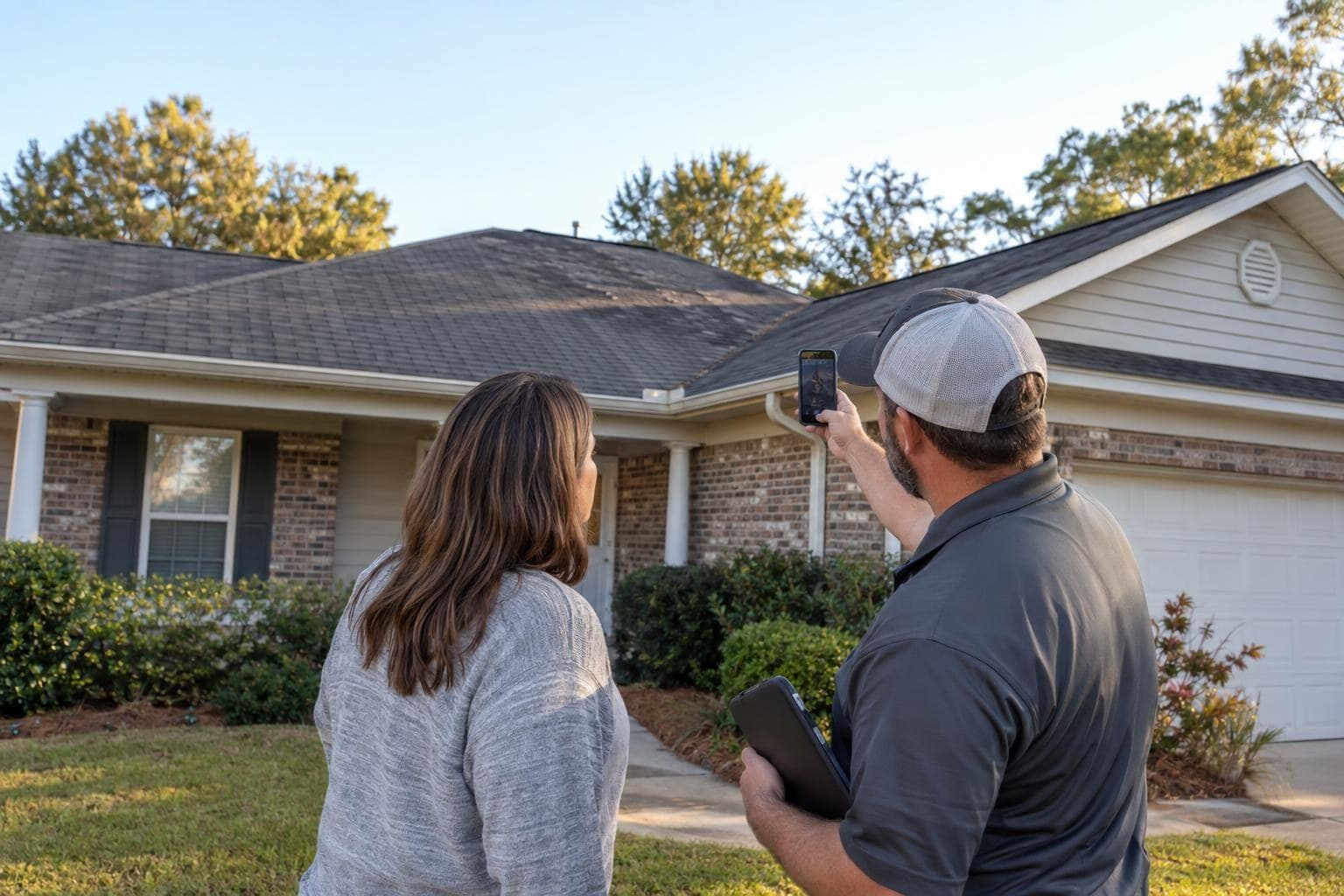
Start by documenting the damage and preventing more damage if you can do so safely. The South Carolina Department of Insurance says that after a storm, if the area is safe, you should take photos of the damage and then take steps to mitigate any further damage. The example it gives is covering a hole in your roof with a tarp to help prevent more interior damage.
- Take clear photos of shingles, flashing, gutters, ceilings, and any interior water stains.
- Use temporary protection, such as a tarp, if it is safe to do so and the roof has an opening.
- Do not throw away damaged materials if they may help show what happened.
- Call a local contractor whose credentials you verified to inspect the roof and explain what looks like storm damage versus wear.
When should you file a roof insurance claim?
File it right away if you believe a storm caused damage. The South Carolina Department of Insurance says to immediately file a claim with your insurance company. It also says to keep all photos and receipts because they will be useful in processing your claim. For you, that means it is smart to create one folder with storm date notes, inspection photos, tarp receipts, and any communication about the loss. A clean paper trail makes the claim easier to explain.
How does the roof claim process usually work?
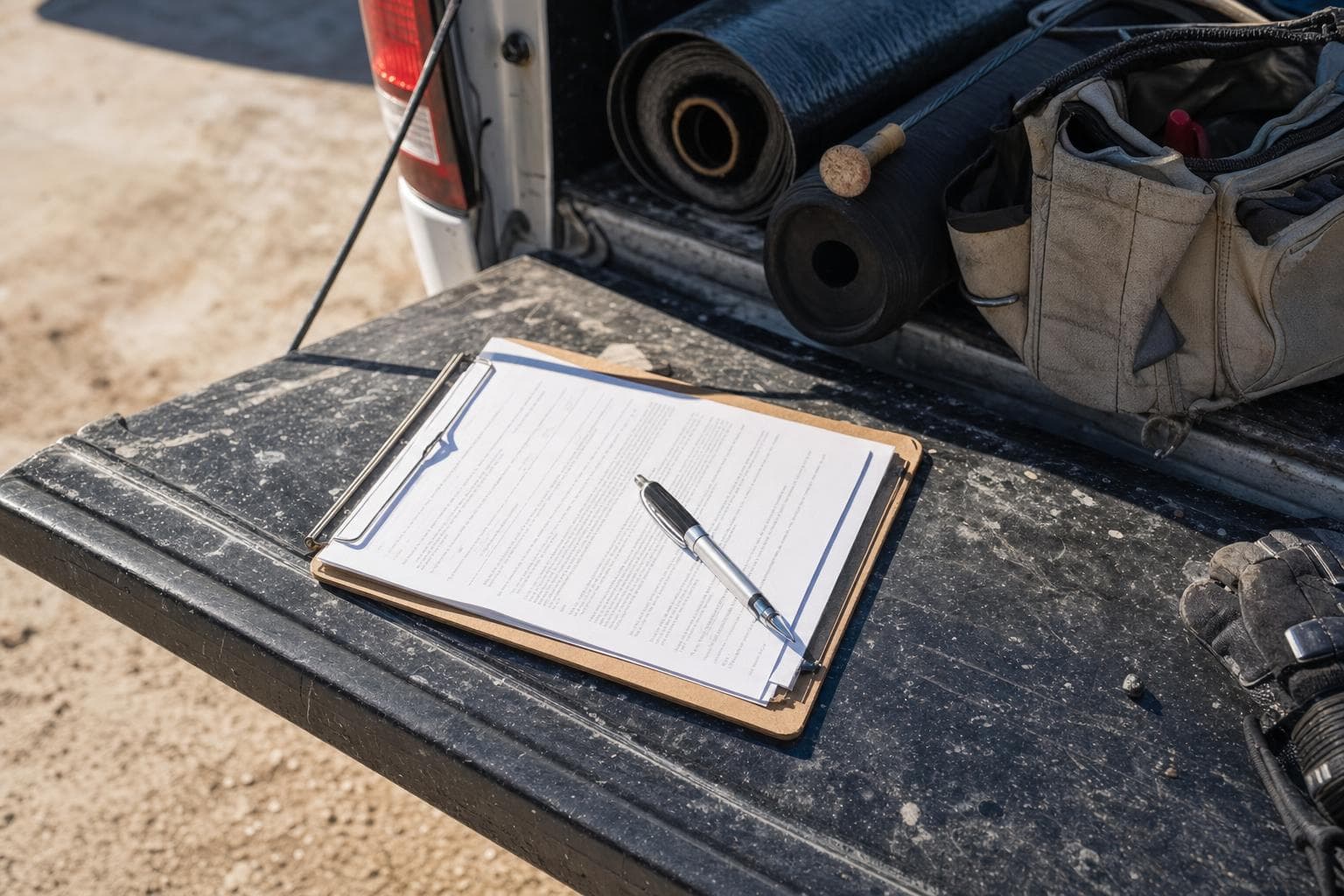
Most roof claims follow a simple path: damage happens, you document it, you prevent more damage, you file the claim, the carrier reviews it, and then you decide whether to repair or replace based on the outcome. a roofer whose credentials and written scope you checked can help you understand the scope of damage before and after the adjuster visit, but the coverage decision belongs to the insurer. Your job is to keep the story clear and documented, especially around when the storm happened, what damage showed up, and what you did to limit further loss.
- Document the damage with photos and notes.
- Take reasonable steps to mitigate more damage, such as tarping an opening if safe.
- File the claim with your insurance company right away.
- Keep all photos, receipts, and claim communications together.
- Review the insurer's decision and compare it with the roofing scope you actually need.
What if your claim is denied or you have questions about coverage?
You still have options. The South Carolina Department of Insurance says its Office of Consumer Services can help answer your questions about property insurance or other types of insurance. If you run into claim or coverage questions after roof damage, you have a state consumer help channel. If the issue is that the carrier says the roof is worn rather than storm damaged, ask your roofer to walk you through the functional damage they see, in plain language, and compare that with the claim decision.
Should you upgrade to Class 4 shingles after a claim?
Maybe, if you want more impact resistance and the numbers make sense for your home. When comparing an insurance-related roof project in South Carolina, use a written insurer response rather than a sales estimate for any impact-resistant roof credit. If you are considering an impact-resistant roof, ask your carrier whether it offers a discount for a Class 4 rated product. Discounts and underwriting rules can vary by carrier, so you should confirm the product requirements and any savings directly with your insurer before you choose materials.
How do you choose the right roofer for an insurance job?
Choose a local roofer you have vetted who can inspect the roof carefully, explain damage in plain terms, and complete the scope your home actually needs. South Carolina has a residential specialty contractor registration category for roofers. The South Carolina Department of Insurance says a residential specialty contractor includes roofers doing the installation, alteration, and repair of materials that form a watertight, weather resistant surface for roofs and decks, including accessories, flashing, valleys, gravel stops, and roof insulation panels above the roof deck. The South Carolina Department of Insurance also says this registration applies when undertakings exceed five hundred dollars (an amount that must be confirmed for the written scope). A smart way to vet your roofer is to confirm they fit the roofing scope you need, check the state's licensee lookup or license verification resources, and make sure the work you are hiring for matches the scope the state describes.
The bottom line is simple: insurance may cover a South Carolina roof replacement when a storm caused functional damage, but not when the roof is just worn out. If you think weather damaged your roof, document everything, stop further damage if it is safe, file your claim right away, and get a clear inspection from a qualified local roofing contractor. If replacement is needed, compare material options carefully. You can find fuller local pricing on the South Carolina cost page and use the calculator to think through your next step.
Sources
- National Association of Insurance Commissioners: What You Need to Know When Filing a Homeowners Claim
- National Association of Insurance Commissioners: Actual Cash Value Coverage and Replacement Cost Coverage
- South Carolina Department of Insurance, Severe Weather Recovery
- South Carolina Residential Builders Commission, Residential Specialty Contractor Registration
Reviewed technical references for South Carolina
Related South Carolina roofing guides
Related services
Updated July 10, 2026
3D Roofs Editorial Team
Editorial Standards