Updated July 27, 2026

3D Roofs Editorial Team
Editorial Standards
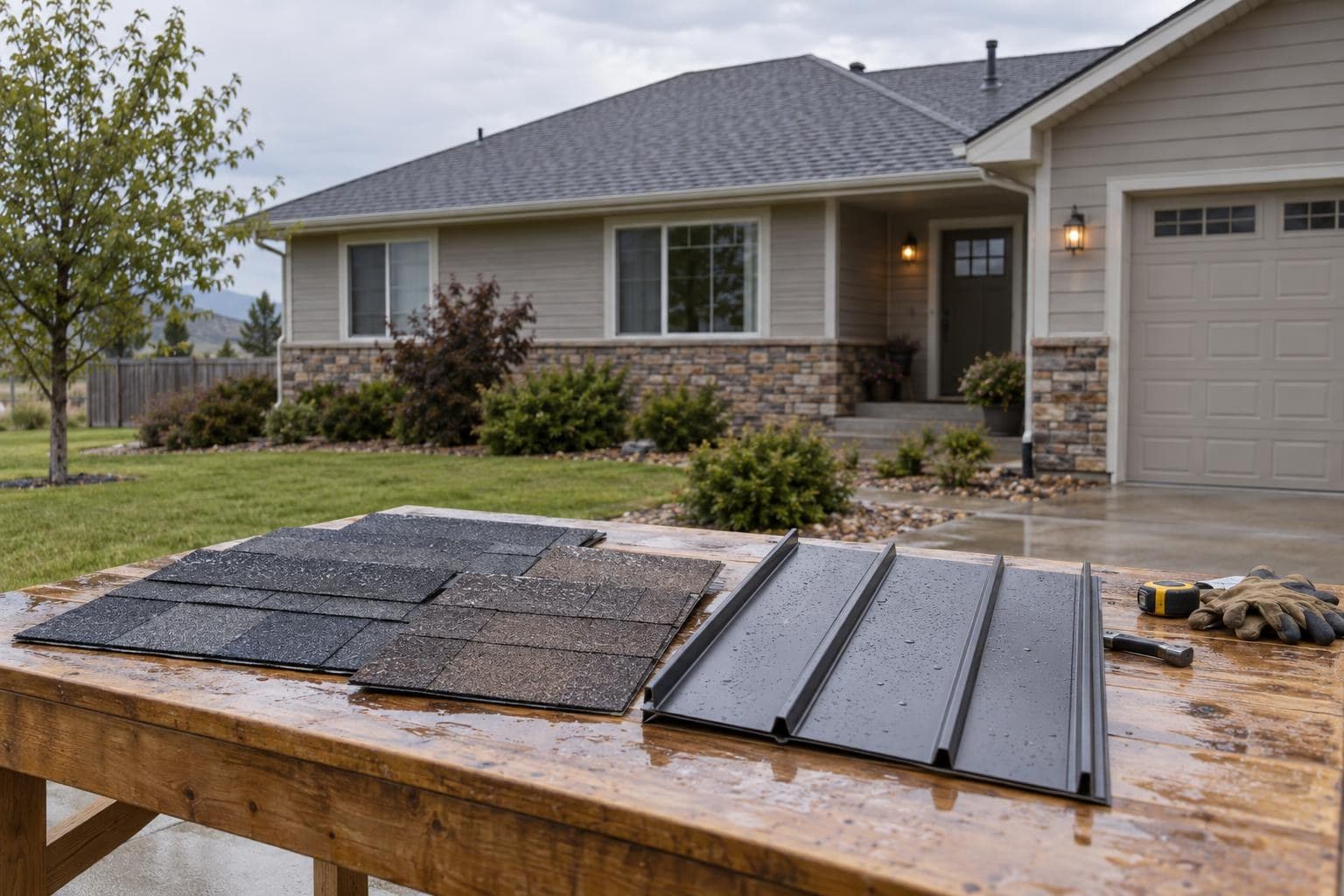
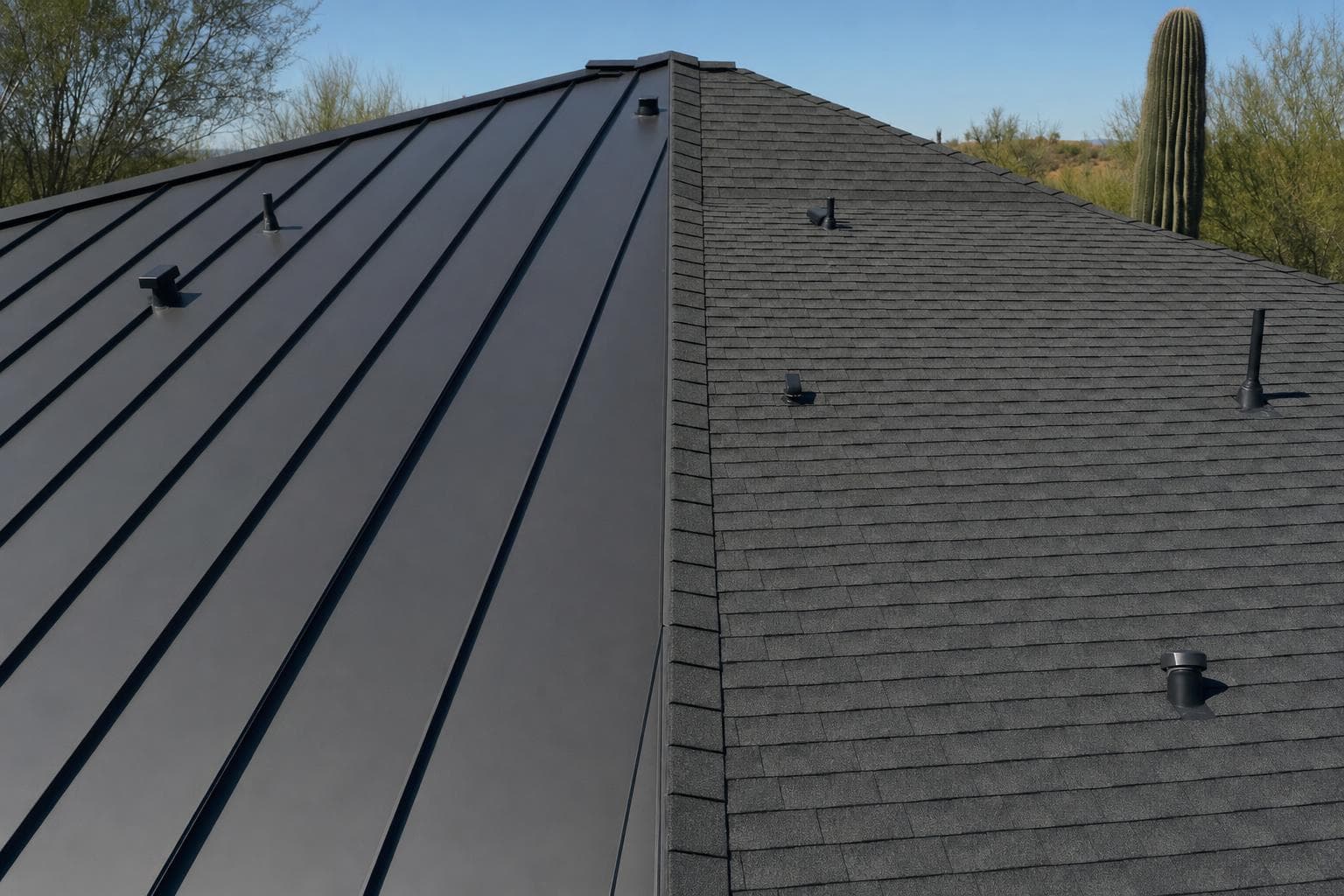
If you are deciding between metal and shingles in Arizona, the short answer is this: shingles usually win on upfront cost, and metal usually wins on long-term durability. Your best choice depends on your owner horizon. If you want the lower entry price, shingles are the practical buy. If you plan to stay put longer and want a roof system built to handle more years of extreme heat, UV, and monsoon exposure, standing seam metal is worth a serious look.
How much does a metal roof cost versus shingles in Arizona?
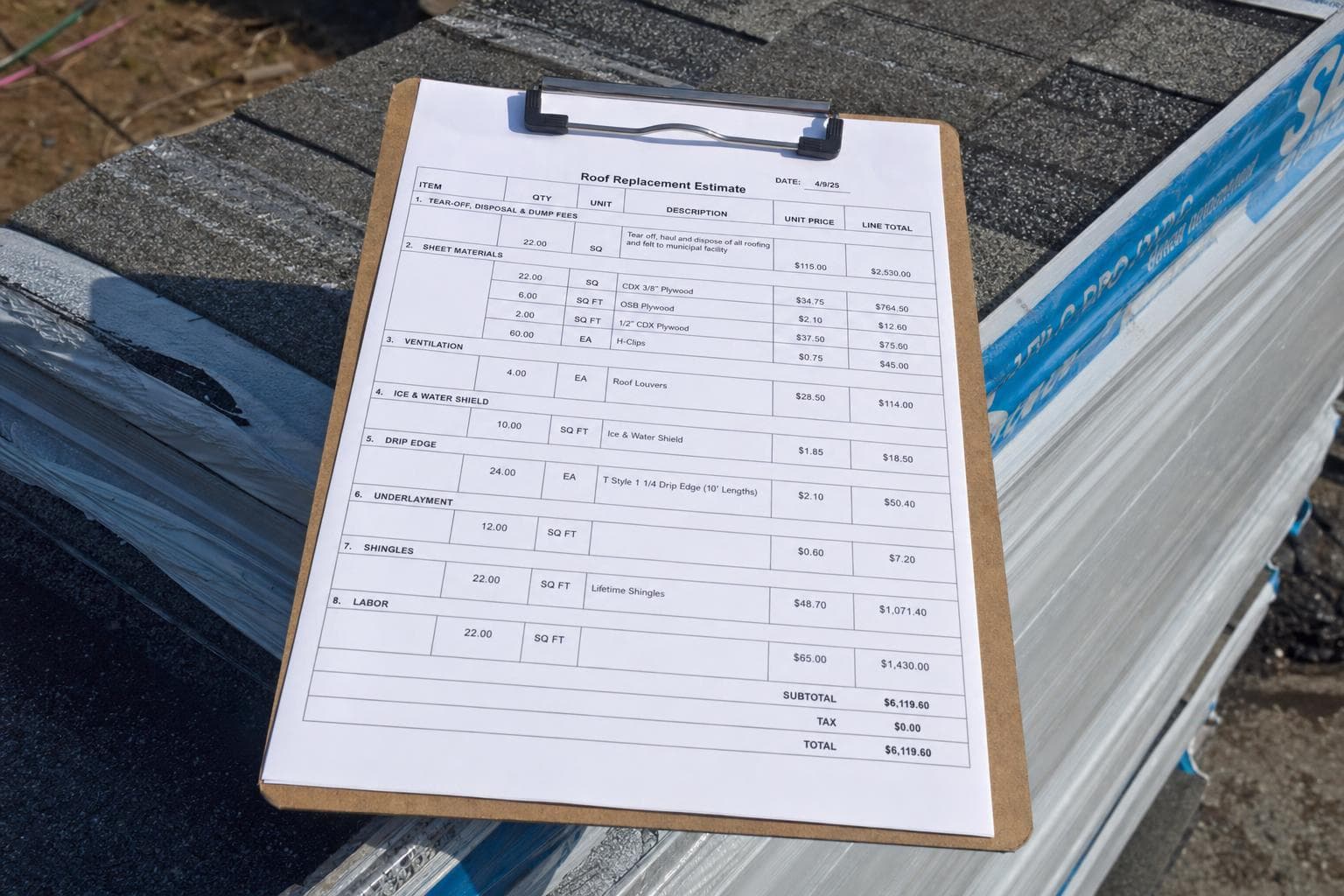
Metal costs much more upfront, and that is the biggest reason many homeowners still choose shingles. For current Arizona planning prices related to metal vs shingle roof, use the cost guide and calculator, then compare the contractor's property-specific written scope. For metal vs shingle roof in Arizona, treat a steep or difficult-to-access roof as a scope variable that the contractor should measure and price explicitly.
That spread matters. A Class 3 shingle roof gives you the lowest entry point. A Class 4 shingle roof costs more, but it may be worth comparing if monsoon hail is part of your risk picture. Standing seam metal is roughly in a different budget class, so for many owners the decision comes down to whether you want to spend less now or spend more once and aim for a longer service life.
If you want to compare full local pricing in more detail, check the Arizona cost page and the calculator. That is the best place to sort the numbers by roof size and material before you talk with your roofer.
Which roof holds up better in Arizona heat and sun?
Metal usually holds up better against Arizona's constant heat and UV. Arizona roofs fail where the desert hits hardest. Roof surfaces can top 150 degrees in summer, and that thermal cycling and ultraviolet load break down shingles, sealants, coatings, and the elastomeric topcoat on foam roofs faster than almost anywhere else. Then the monsoon arrives, and microburst winds, wind-driven dust, and intense short downpours find any weak flashing, fastener, or seam, with some areas seeing hail too.
That does not mean shingles are a bad roof in Arizona. It means they ask more from the material every year. Asphalt shingles can still make sense, especially if your budget is tight or you do not expect to own the house for the longest possible span. But if your home takes full desert sun day after day, the longer-run tradeoff tends to favor metal, especially when you want a roof that is less exposed to the same kind of surface breakdown that punishes asphalt over time.
Are Class 4 shingles the better middle ground?
Yes, for many Arizona homeowners, Class 4 shingles are the middle ground between a lower-cost shingle roof and a much higher-cost metal roof. They cost more than Class 3, but they can make sense where monsoon hail is a concern. Arizona material priorities change with elevation, roof type, and exposure, and where hail matters, a verified Class 4 shingle may be worth comparing.
There is another reason Class 4 gets attention. For metal vs shingle roof in Arizona, any insurance credit depends on the carrier, policy, address, and exact product; get the amount and documentation requirements from the insurer in writing. That is not a blanket savings promise, and any insurance credit is carrier- and policy-specific, so ask your insurer about the exact product and required documentation before using a credit in your budget.
Talk to a roofer today
Planning ranges, scope details, and a direct path to request a roofing quote.
Which roof makes more sense if you plan to move soon?
Shingles usually make more sense if your owner horizon is shorter. If you expect to move in the next several years, it is hard for many homeowners to justify the much higher upfront cost of standing seam metal. A Class 3 shingle roof keeps your replacement cost lower. A Class 4 roof may be the better play if you want a stronger shingle option and potential insurance advantages without jumping all the way to metal pricing.
This is where simple math helps. If the upfront budget is your biggest concern, shingles are easier to fit into the project.
Which roof wins if you plan to stay for the long haul?
Metal often wins if you expect to stay in the home long term and want fewer material tradeoffs against Arizona sun and monsoon stress. The initial cost is much higher, but this is the kind of purchase that can make more sense when you are thinking in decades instead of just the next move. You are paying for a different roof category, not just a different look.
That said, the right answer still depends on the house. Arizona homes are not all the same. Flat and low-slope homes here often run spray-foam or tile systems, and the right roof for your home depends on how much sun, wind, and water it actually takes. If your home is a standard sloped roof where both shingles and standing seam are realistic options, your owner horizon is one of the clearest tiebreakers.
What should you know about insurance and storm claims in Arizona?
For metal vs shingle roof in Arizona, coverage depends on the policy language, cause of loss, exclusions, and the insurer's decision; verify those terms in your own documents. For metal vs shingle roof in Arizona, review the declarations and endorsements for any wind, hail, hurricane, or named-storm deductible. Ask the insurer to show the policy-specific calculation in writing instead of relying on a generic percentage.
For metal vs shingle roof in Arizona, ask the insurer and state insurance regulator for the current notice, proof-of-loss, inspection, acknowledgment, and decision deadlines that apply to the claim. If you are comparing Class 4 shingles because of possible premium savings, confirm the product details with your insurer before you buy.
How do you choose the right roofer in Arizona?
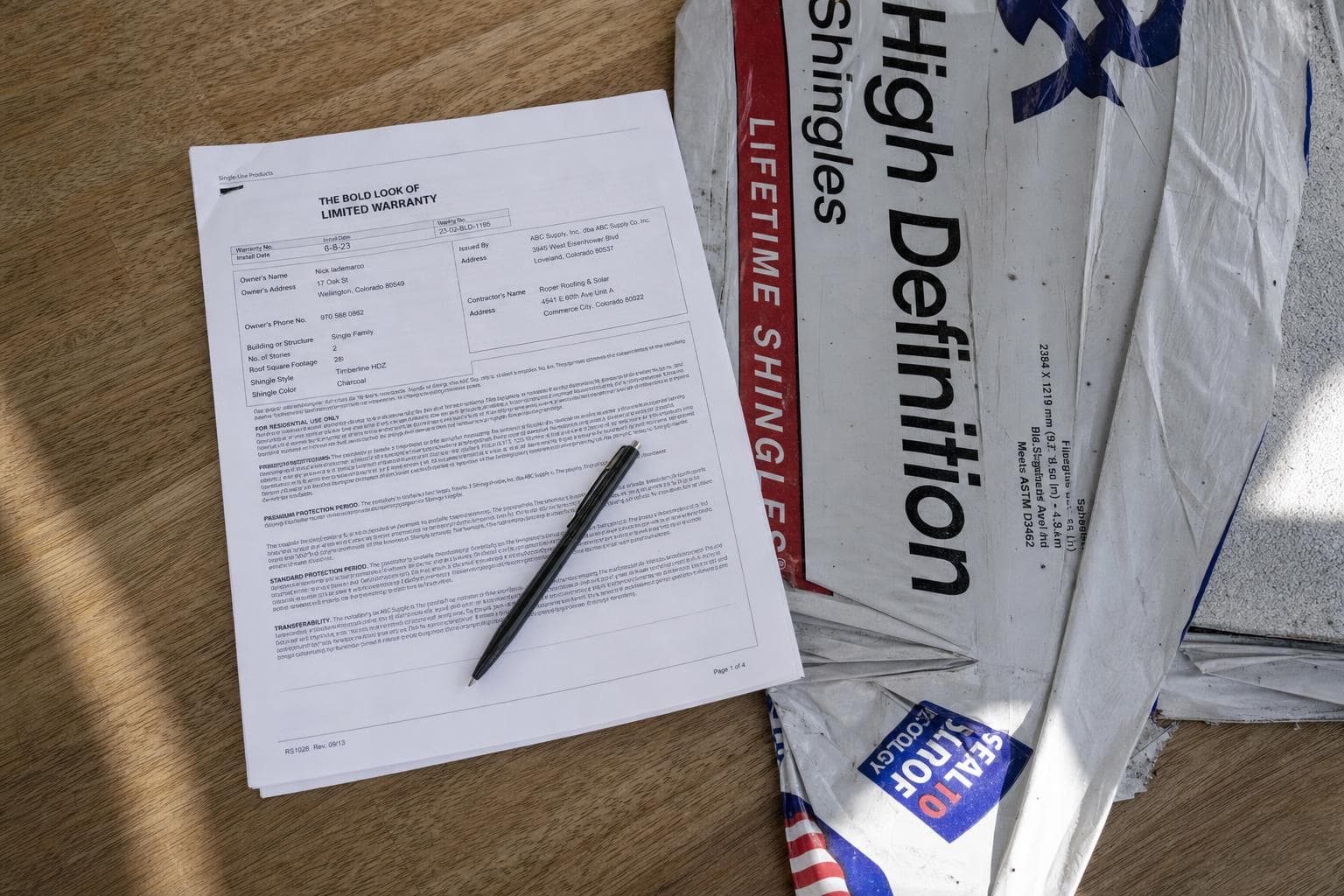
You should verify the contractor's Arizona license before you sign. Arizona requires a contractor license from the Registrar of Contractors for any roofing job of an amount that must be confirmed for the written scope or more, or any job that needs a building permit, no matter the price. Roofing is its own classification: R-42 for residential work, C-42 for commercial, and CR-42 for both. Doing licensed-level work without a license is a Class 1 misdemeanor in Arizona, so a roofer who is not licensed for your job is not a deal, it is a risk.
Look the contractor up on the ROC's free contractor search and confirm three things before you sign: the license is active, the classification covers roofing, and the bond is current. The same search shows the qualifying party and any complaint history. Arizona also runs a Residential Contractors' Recovery Fund that can reimburse an owner-occupant harmed by a licensed residential contractor's poor work, abandonment, or failure to perform, up to a statutory maximum, currently an amount that must be confirmed for the written scope per residence. It only covers contractors who were properly licensed when you signed, paid, or started.
So, metal or shingles, which one should you pick?
Pick shingles if you want the more affordable upfront price and a practical roof for a shorter ownership horizon. Pick Class 4 if you want a stronger shingle option and want to compare possible insurance savings on the wind/hail premium portion. Pick standing seam metal if you plan to stay longer, can handle the higher initial cost, and want a roof that better matches Arizona's punishing heat and UV over the long run.
For most homeowners, this is not really a debate about which material is universally better. It is about which material fits your budget, your timeline, and your home's exposure. Start with 2026 Arizona market pricing, compare it to how long you expect to own the property, and then have a roofing contractor you are considering inspect the roof shape, pitch, flashing details, and storm exposure. For metal vs shingle roof in Arizona, ask the contractor to put the expected working days and weather plan in writing; timing depends on roof size, material, access, crew scheduling, and conditions found after tear-off.
Sources reviewed
- Arizona DIFI (homeowners insurance, storms & claims)
- Arizona Registrar of Contractors (license classifications & requirement)
- UL Solutions: UL Solutions and IBHS Drive Trust in Residential Roofing Shingles
- Asphalt Roofing Manufacturers Association: Residential Asphalt Roofing Manual: Ventilation Best Practices
- Insurance Institute for Business & Home Safety: Natural Weathering and Hazard Exposure
Plan with current pricing
Related services
Updated July 27, 2026
3D Roofs Editorial Team
Editorial Standards