Updated July 27, 2026

3D Roofs Editorial Team
Editorial Standards
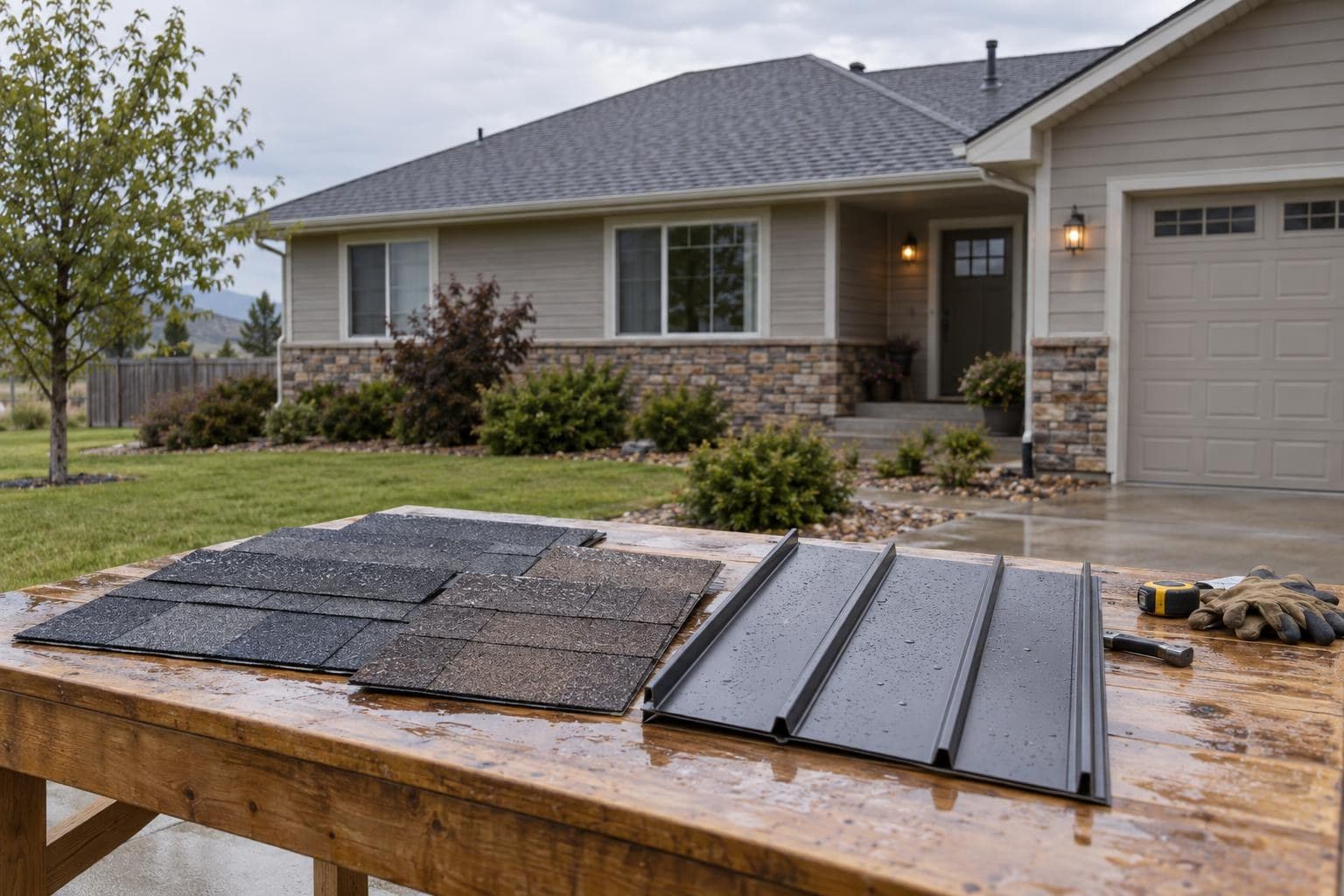
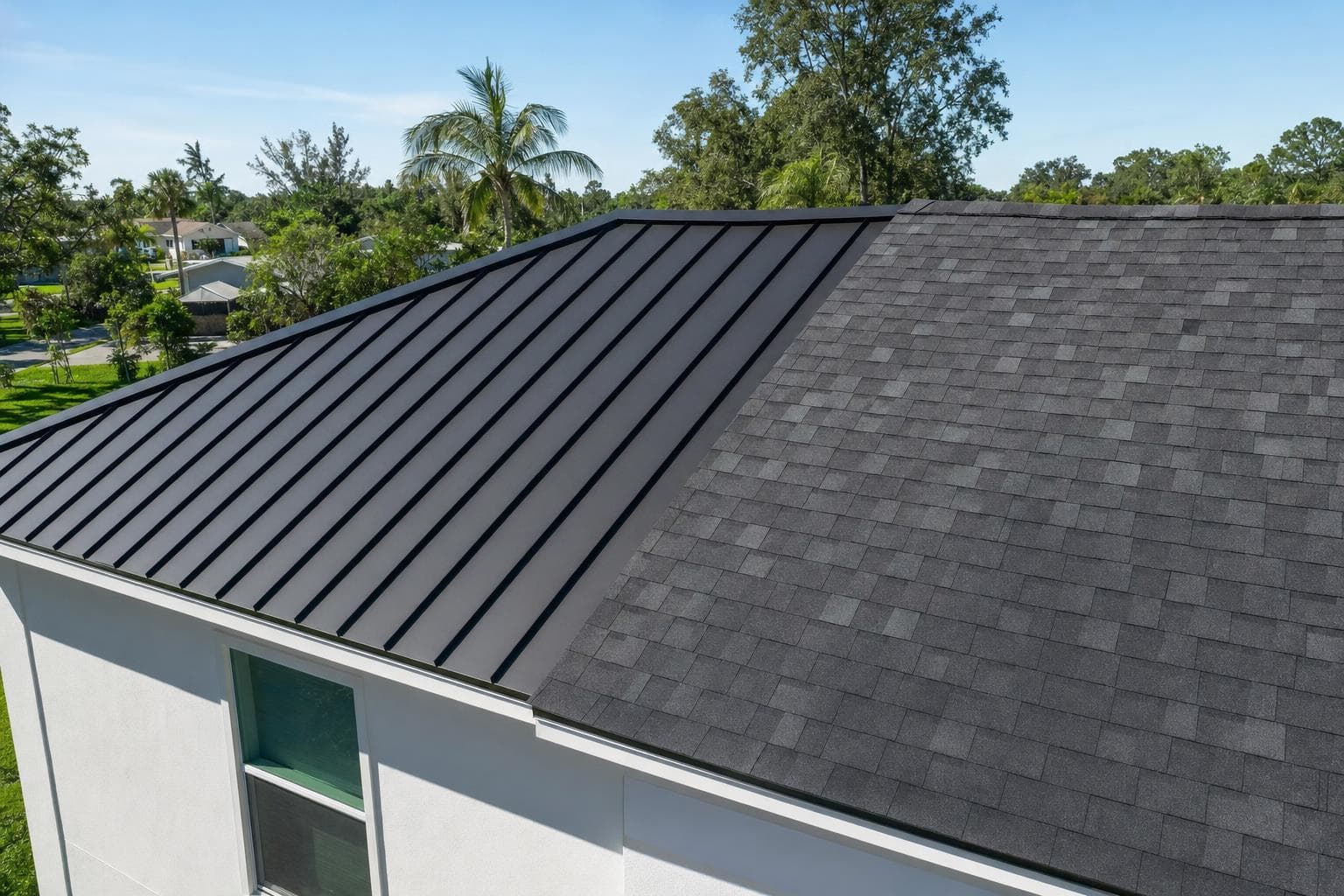
If you want the short answer, shingles usually win on upfront cost, and metal often wins for owners planning to stay longer in a high-exposure location. In Florida, that decision is shaped by wind, water, sun, humidity, and, near the coast, salt air. Your best choice depends less on a generic material debate and more on your owner horizon, your storm exposure, and whether you want the lower entry price now or the higher upfront spend for a longer-term play.
Which roof is cheaper in Florida, metal or shingles?
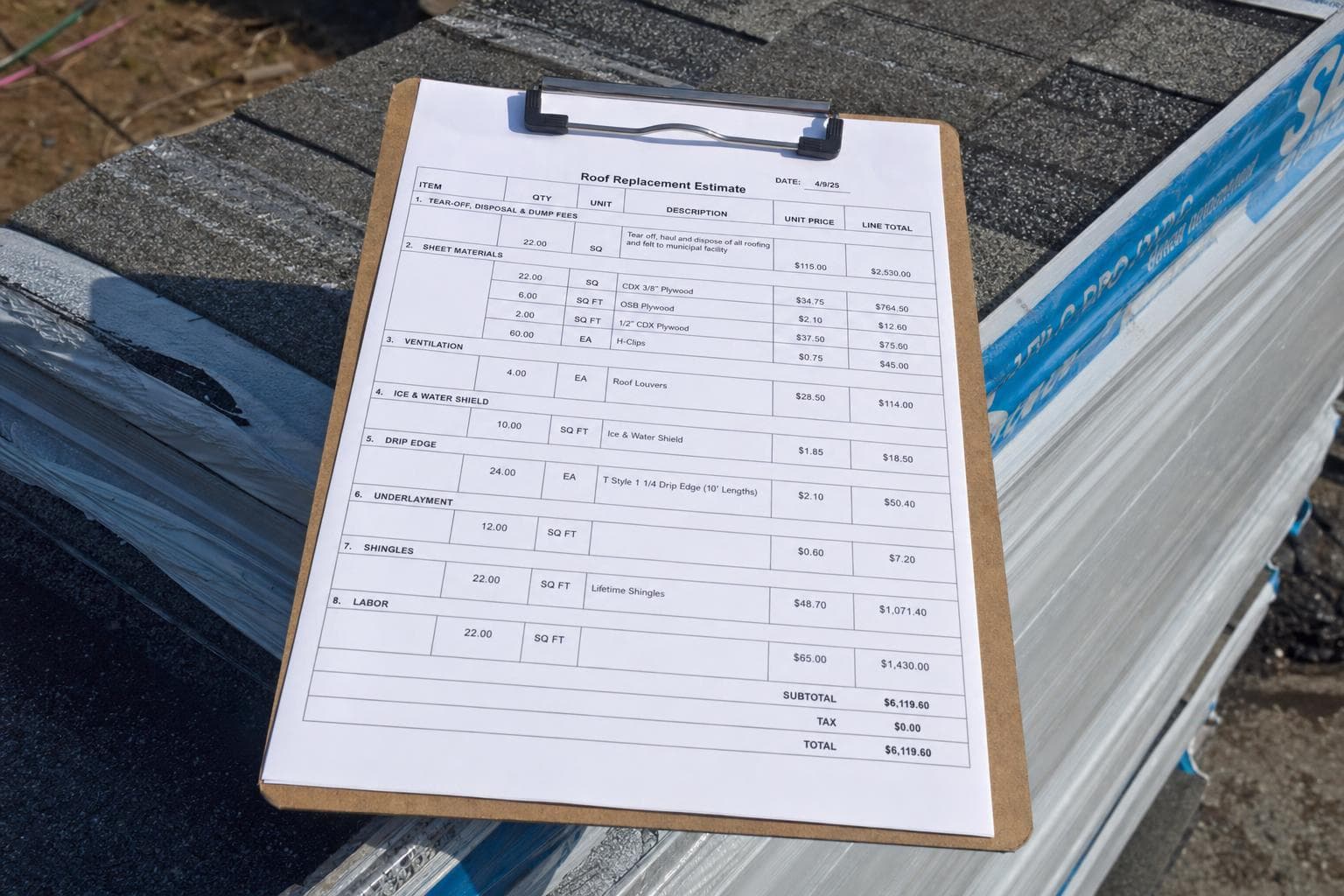
Shingles are cheaper up front. For current Florida planning prices related to metal vs shingle roof, use the cost guide and calculator, then compare the contractor's property-specific written scope. That means metal is a much bigger initial investment, while shingles keep the replacement cost lower if budget is your first filter. For more local pricing detail, see the Florida cost page and the calculator.
Does metal last longer than shingles in Florida?
Usually yes, but Florida makes every roof work harder. Florida roofs live and die by wind and water. Hurricanes and tropical systems drive wind uplift and wind-driven rain that find any weak fastener, seam, or edge, and that risk runs highest near the coast. On top of that, near-constant sun, heat, humidity, and heavy summer rain age shingles and grow algae faster than in most of the country, and salt air along the shore is hard on metal and flashing. The practical takeaway is simple: shingles are more vulnerable to Florida heat and moisture aging, while metal can hold appeal for longer-term owners, especially if the roof system and details fit your exposure.
Which roof handles Florida storms better?
It depends on the exact system and the install, but in Florida, wind rating and attachment details matter more than the material label alone. Wind-rated and impact-resistant materials matter more in Florida than almost anywhere: products approved for the High-Velocity Hurricane Zone are engineered to survive extreme wind, and stronger roof attachment and sealing are exactly the features the state's wind-mitigation discount rewards. Ask which roofing systems carry the right Florida Product Approval or Miami-Dade Notice of Acceptance for your county, and ask how the install will score on the wind-mitigation form before you sign.
Talk to a roofer today
Planning ranges, scope details, and a direct path to request a roofing quote.
Are Class 4 shingles the smart middle ground?
For many Florida owners, yes. Class 4 shingles sit between standard architectural shingles and standing seam metal on price, and they can make a lot of sense if you want a tougher roof without jumping to metal pricing. For metal vs shingle roof in Florida, any insurance credit depends on the carrier, policy, address, and exact product; get the amount and documentation requirements from the insurer in writing.
Which roof makes more sense if you plan to move soon?
Shingles usually make more sense if your owner horizon is short. You still want the roof built to your local code and exposure, but for a shorter stay, it is harder to recover the premium of metal in practical terms. Class 4 can be the sweet spot if you want a stronger story for buyers and possible insurance benefits without making the full jump to metal.
Which roof wins if you plan to stay for the long haul?
Metal often wins for long-term owners, especially in more exposed locations, but only if you are comfortable with the upfront spend and your home is a good fit for it. If you plan to stay put and you want to make one bigger roofing decision instead of a lower-cost one now, standing seam can be attractive. That is even more true where wind exposure is high and where you want a roof system chosen around Florida storm risk. Still, coastal conditions matter. Salt air along the shore is hard on metal and flashing, so product choice, coating, and installation details matter a lot.
What Florida code and insurance rules should you know before you choose?
- Florida builds to the Florida Building Code, and Miami-Dade and Broward counties sit in the High-Velocity Hurricane Zone (HVHZ), which carries the toughest wind-resistance roofing rules in the United States. In the HVHZ, every shingle, tile, underlayment, and fastener has to carry a Miami-Dade Notice of Acceptance or Florida Product Approval rated for that zone, and installs follow stricter fastening and underlayment standards. Whoever roofs your home has to pull a permit and meet the code for your area, so confirm they do.
- Until 2022, Florida's "25% rule" generally forced a full roof replacement if more than 25% of the roof was repaired or replaced in a year. SB 4-D changed that: if your roof was built to the 2007 Florida Building Code or later (roughly, permitted on or after March 1, 2009), now only the repaired section has to be brought up to current code, not the entire roof. That can be the difference between a repair and a tear-off, so it is worth knowing where your roof stands.
- Florida law (Statute 627.0629) requires home insurers to give premium credits for verified wind-resistant features, things like a hip roof shape, a sealed roof deck, and code-rated shingle attachment. A licensed inspector documents them on the state's Uniform Mitigation Verification form (OIR-B1-1802), and the windstorm savings can be substantial. If you are replacing or upgrading a roof, get the wind-mitigation inspection afterward so you actually capture the credit you are owed.
What about repairs, replacement time, and day-two ownership?
Both materials still come with maintenance and storm follow-up. For metal vs shingle roof in Florida, treat a steep or difficult-to-access roof as a scope variable that the contractor should measure and price explicitly. For ownership planning, that means two things. First, even a cheaper roof can bring meaningful repair costs over time in Florida weather. Second, the job itself is usually measured in days, not weeks, once work starts. If you are comparing bids, make sure you are comparing system details, not just material names.
How do you decide between metal and shingles for your home?
Start with your timeline and exposure. In Florida, the winner is not just the material. It is the roof system that matches your county code, storm exposure, and ownership horizon.
Before you sign, ask a roofing contractor you are considering which systems fit your county approvals, how the install will be detailed for wind and water, and what your roof is likely to show on a wind-mitigation inspection. If you want to compare numbers for your area, use the Florida cost page and the calculator to narrow the field before you talk through final options.
Sources reviewed
- Citizens Property Insurance Corporation (state insurer of last resort)
- Florida Building Commission / Florida Building Code (HVHZ)
- UL Solutions: UL Solutions and IBHS Drive Trust in Residential Roofing Shingles
- Asphalt Roofing Manufacturers Association: Residential Asphalt Roofing Manual: Ventilation Best Practices
- Insurance Institute for Business & Home Safety: Natural Weathering and Hazard Exposure
Plan with current pricing
Related services
Updated July 27, 2026
3D Roofs Editorial Team
Editorial Standards