Updated July 27, 2026

3D Roofs Editorial Team
Editorial Standards
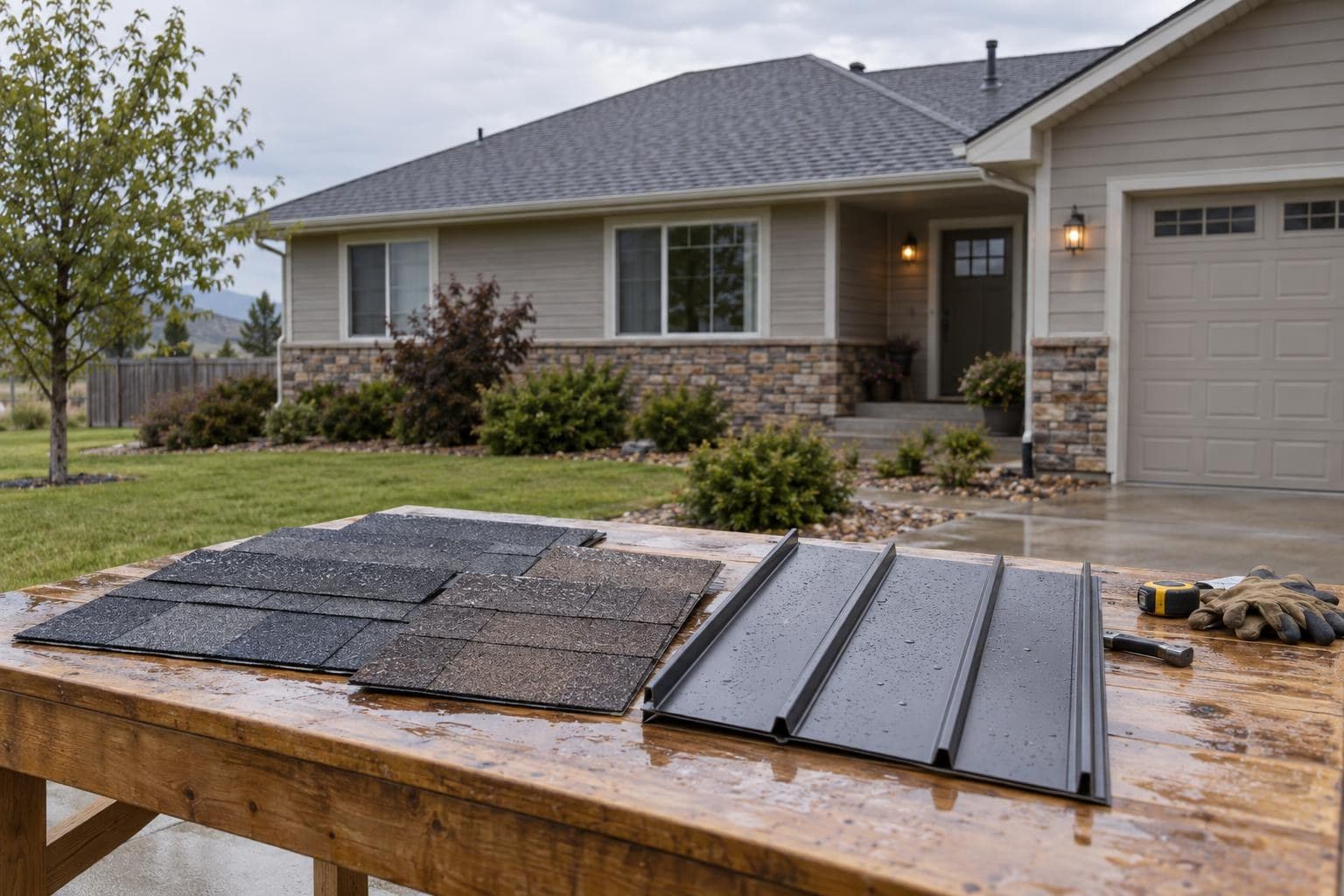
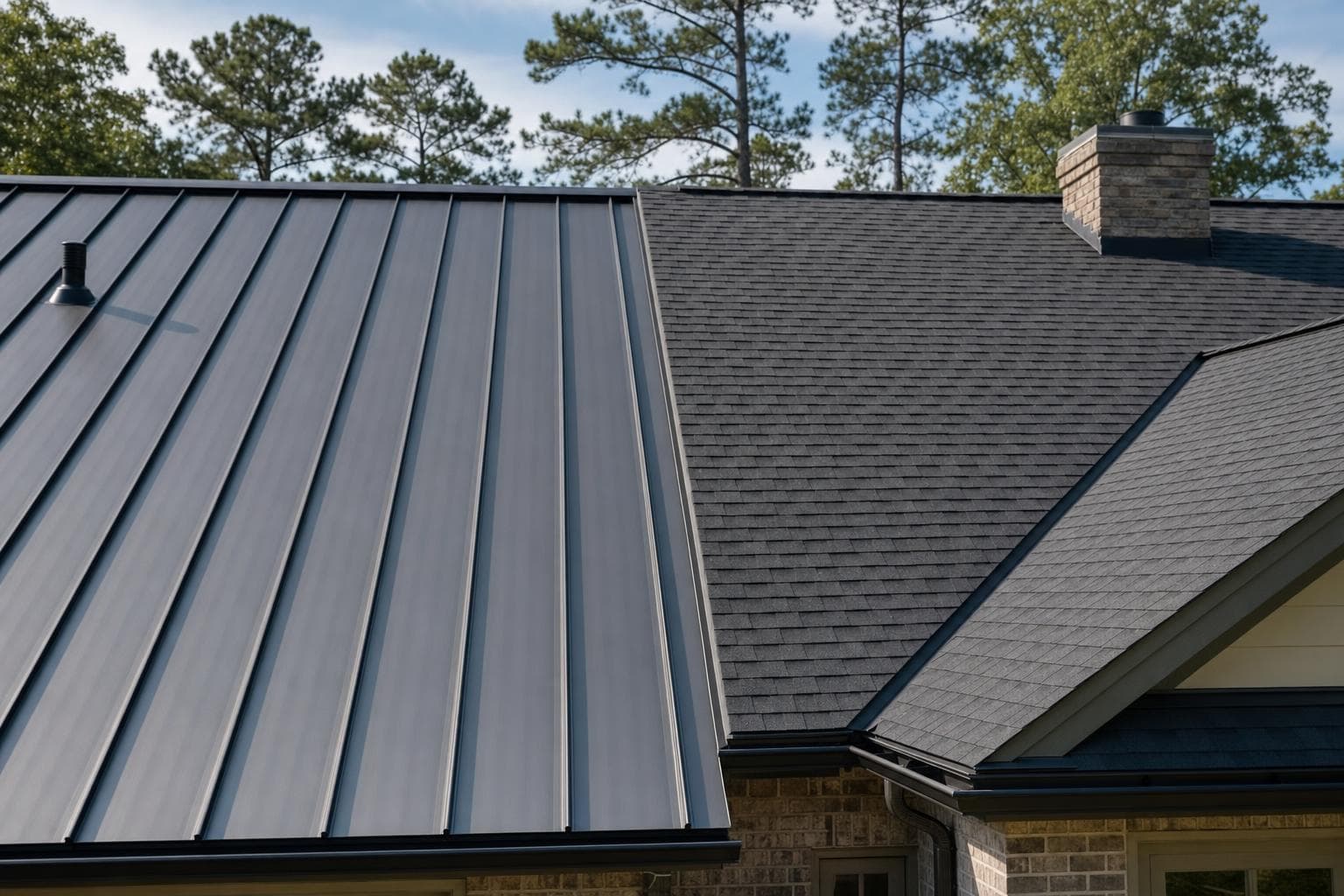
If you want the short answer, shingles usually win on upfront cost, while standing seam metal can make sense if you plan to keep the home a long time and want a tougher roof in storm-prone parts of Georgia. For most owners, the real choice is not just metal vs shingles. It is whether standard architectural shingles are enough, or whether paying more for Class 4 impact resistance is the smarter middle ground.
How much do metal and shingle roofs cost in Georgia?
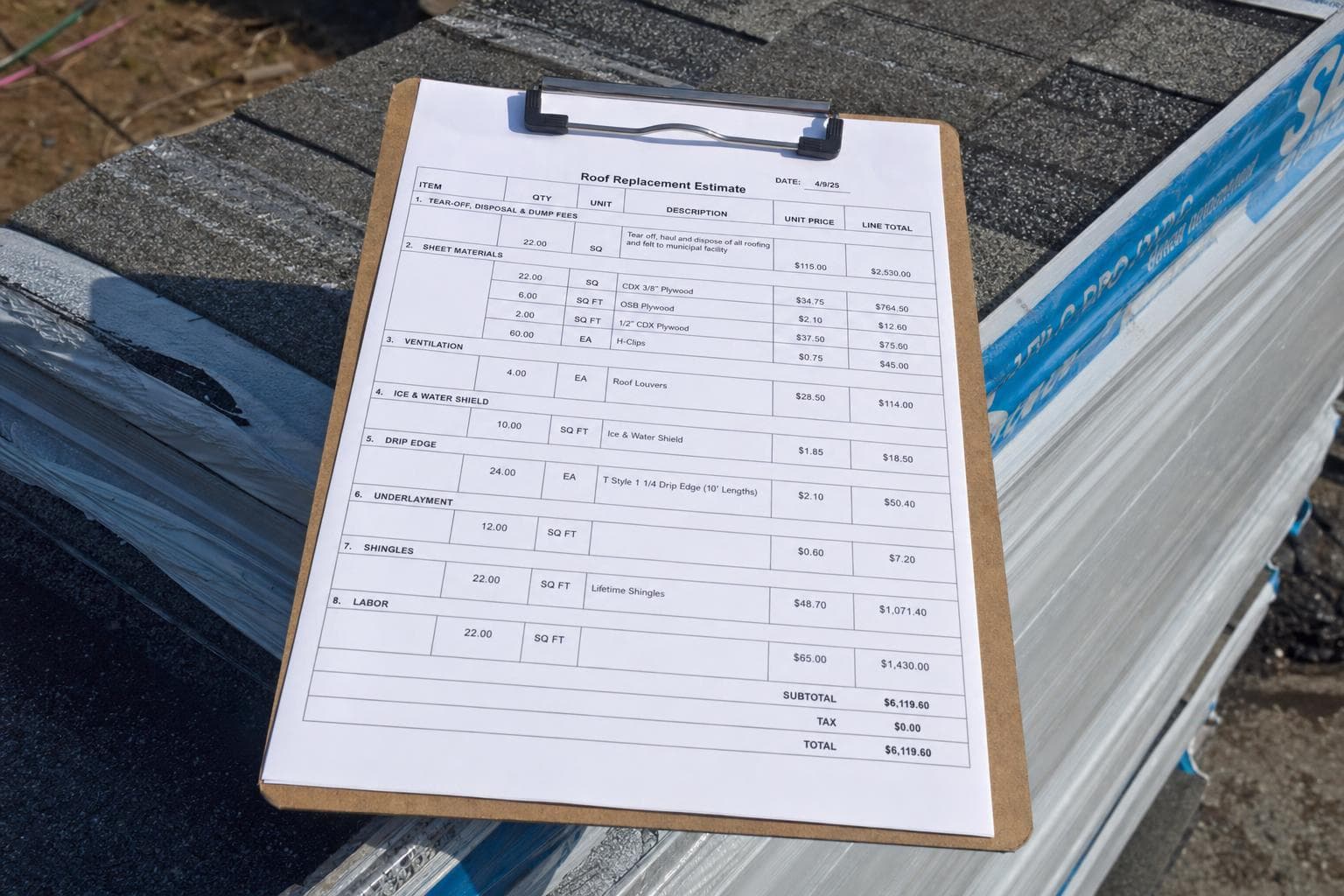
The direct answer is that shingles cost a lot less upfront than standing seam metal in 2026 Georgia market pricing. For current Georgia planning prices related to metal vs shingle roof, use the cost guide and calculator, then compare the contractor's property-specific written scope. That means metal is roughly double the cost of Class 4 shingles and far more than Class 3. If your first filter is monthly budget or cash needed today, shingles usually stay in the lead. If you want a deeper breakdown for your area, full local pricing lives on the Georgia cost page and the calculator.
Which roof holds up better in Georgia weather?
The answer is that the better roof depends on which Georgia weather your home actually sees. Georgia roofs take their worst beating from severe thunderstorms that bring hail and damaging straight-line winds, with the Atlanta metro and north Georgia seeing repeated hail seasons and the whole state exposed to tornado risk. Long, hot, humid summers also matter because heat ages shingles faster than in cooler climates, and moisture feeds the dark algae streaking common across the South. North Georgia can see occasional winter ice that stresses flashing and gutters, while the Savannah coast can get wind and wind-driven rain from tropical systems. For metal vs shingle roof in Georgia, treat Class 4 as a laboratory impact classification for the exact product, not a promise that the installed roof will resist every hail event or avoid damage.
Are Class 4 shingles the sweet spot for many Georgia homeowners?
Yes, often they are. If you want more hail resistance without paying standing seam prices, Class 4 shingles are usually the most balanced choice. A Class 4 impact-resistant roof, rated under UL Standard 2218, the highest of four classes, is built to take Georgia hail. For metal vs shingle roof in Georgia, any insurance credit depends on the carrier, policy, address, and exact product; get the amount and documentation requirements from the insurer in writing. There is no fixed statewide percentage, though, because each carrier sets its own credit, so ask your company what they actually discount before you count on a number. That does not mean a Class 4 roof cannot show damage. The shingles can still dent cosmetically. But if your roof takes regular hail risk and you do not want metal pricing, Class 4 is often the practical middle option.
Talk to a roofer today
Planning ranges, scope details, and a direct path to request a roofing quote.
Which roof wins if you plan to move sooner?
If you expect to sell in the near to mid term, shingles usually win. The reason is simple: the price gap is large, and many owners will not stay long enough to feel the full value of metal. Class 3 shingles give you the lowest entry price. Class 4 shingles raise the upfront cost, but not by nearly as much as standing seam metal, and they may help if your area sees frequent hail.
Which roof wins if you plan to stay for the long haul?
If you expect to keep the home for many years, standing seam metal becomes easier to justify, especially in areas with repeated storm exposure or if you simply want a tougher system. That said, the long-haul answer is not automatic. For many long-term owners, Class 4 still wins because it captures much of the storm-resistance upside at a much lower initial spend.
What about repairs, replacement timing, and disruption?
The short answer is that both systems can usually be managed without turning your life upside down, but repair and replacement details still matter. For metal vs shingle roof in Georgia, ask the contractor to put the expected working days and weather plan in writing; timing depends on roof size, material, access, crew scheduling, and conditions found after tear-off. For metal vs shingle roof in Georgia, treat a steep or difficult-to-access roof as a scope variable that the contractor should measure and price explicitly. For you, that means two practical things. First, roof shape and access can move your total more than you expect. Second, if your roof is already aging or has multiple problem areas, replacement can be the cleaner financial choice over repeat repairs. That is true whether you choose shingles or metal.
How should insurance affect your choice in Georgia?
The answer is that insurance should influence your choice, but it should not make the choice for you. Ask your insurer what your policy actually offers. Also know the claim rules that matter once storm damage hits. After you submit a completed proof of loss, your insurer generally has to confirm or deny the claim within 15 days, and within 30 days of the claim being reported if no proof of loss is required. Many Georgia policies follow the state's standard fire-policy language and ask for that proof of loss within 60 days of the loss, so document hail and wind damage early. If a carrier mishandles your claim, you can file a complaint with the Georgia Office of Commissioner of Insurance and Safety Fire.
What should you watch out for when hiring a roofer in Georgia?
The direct answer is that you should watch for storm-pressure sales tactics and deductible scams. Georgia does not issue a standalone roofing license, so there is no state roofing credential to check. Roofing falls under the general contractor system run by the State Licensing Board for Residential and General Contractors at the Georgia Secretary of State, and a contractor only needs a residential or general contractor license once a job tops an amount that must be confirmed for the written scope in combined labor and materials. That means most full roof replacements should be done by a licensed contractor, but licensed alone says little about quality, so verify the rest before you sign. Also, under Georgia law, it is unlawful for a contractor to pay, waive, rebate, or absorb your insurance deductible to get you to file a claim or buy their services. A roofer pitching a free roof by eating your deductible is steering you toward fraud, not handing you a deal.
- Confirm the company holds the right residential or general contractor license for a replacement, jobs over an amount that must be confirmed for the written scope
- Ask for proof of current general-liability and workers'-compensation insurance
- Check references and recent local addresses you can drive past
- Be cautious if an out-of-town roofer appears right after a storm and pushes you to sign fast
- Do not work with anyone offering to pay or absorb your deductible
So, should you choose metal or shingles in Georgia?
For most homeowners, shingles are the better buy upfront, and Class 4 shingles are often the smartest overall value in Georgia. Choose Class 3 if your top priority is the lowest initial cost. Choose Class 4 if you want stronger hail resistance and possible insurance savings without stepping up to metal pricing. Choose standing seam metal if you plan to stay long term, want a premium system, and are comfortable with the much higher upfront cost. If you want the clearest answer for your home, compare your roof size, slope, storm exposure, and owner horizon against 2026 market pricing. You can see fuller local pricing on the Georgia cost page and use the calculator to narrow the gap between what looks good on paper and what makes sense for your house.
Sources reviewed
- Georgia Attorney General's Consumer Protection Division (storms and fraud / storm chasers)
- Georgia Office of Commissioner of Insurance and Safety Fire (file a consumer complaint)
- UL Solutions: UL Solutions and IBHS Drive Trust in Residential Roofing Shingles
- Asphalt Roofing Manufacturers Association: Residential Asphalt Roofing Manual: Ventilation Best Practices
- Insurance Institute for Business & Home Safety: Natural Weathering and Hazard Exposure
Plan with current pricing
Related services
Updated July 27, 2026
3D Roofs Editorial Team
Editorial Standards