Updated July 27, 2026

3D Roofs Editorial Team
Editorial Standards
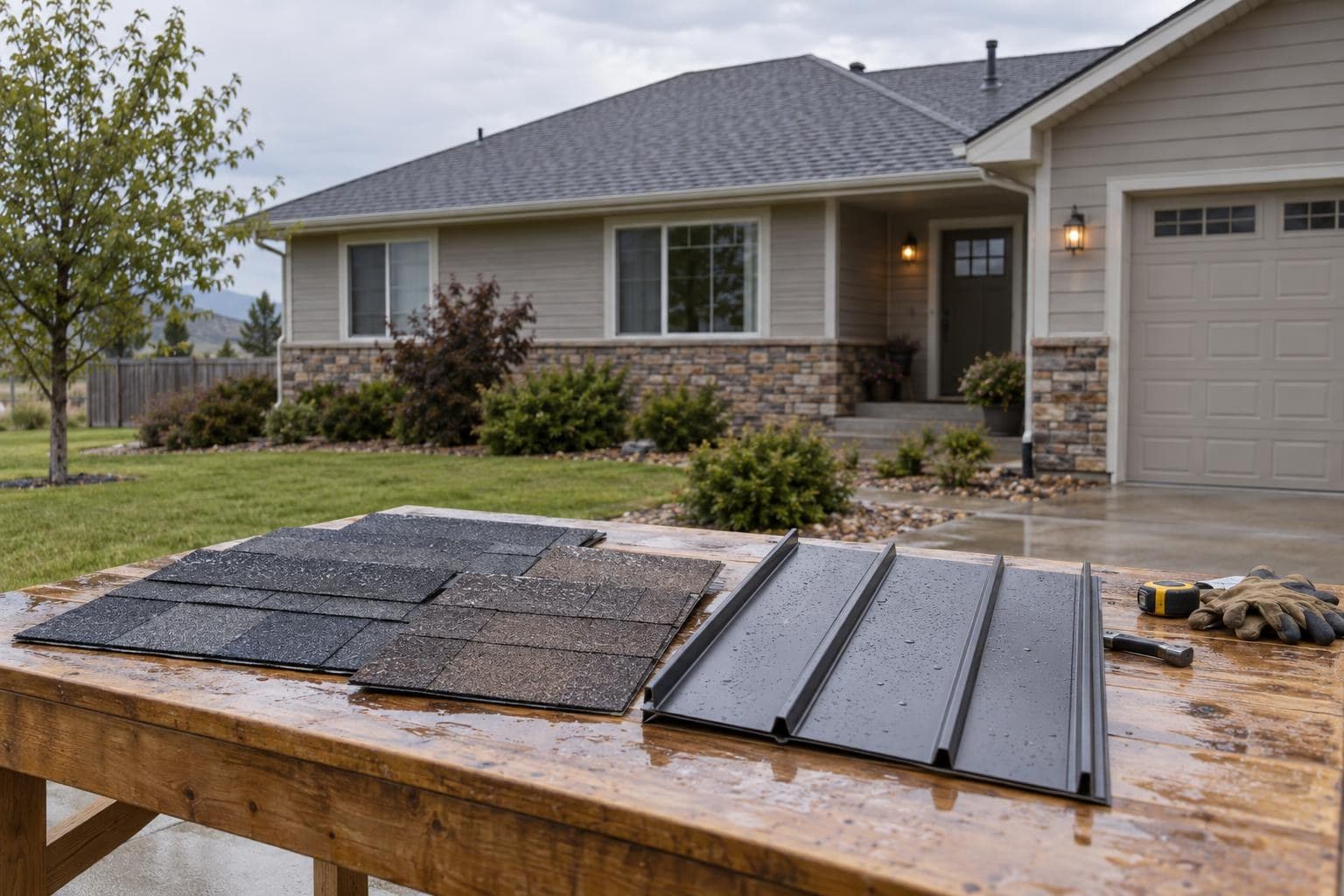
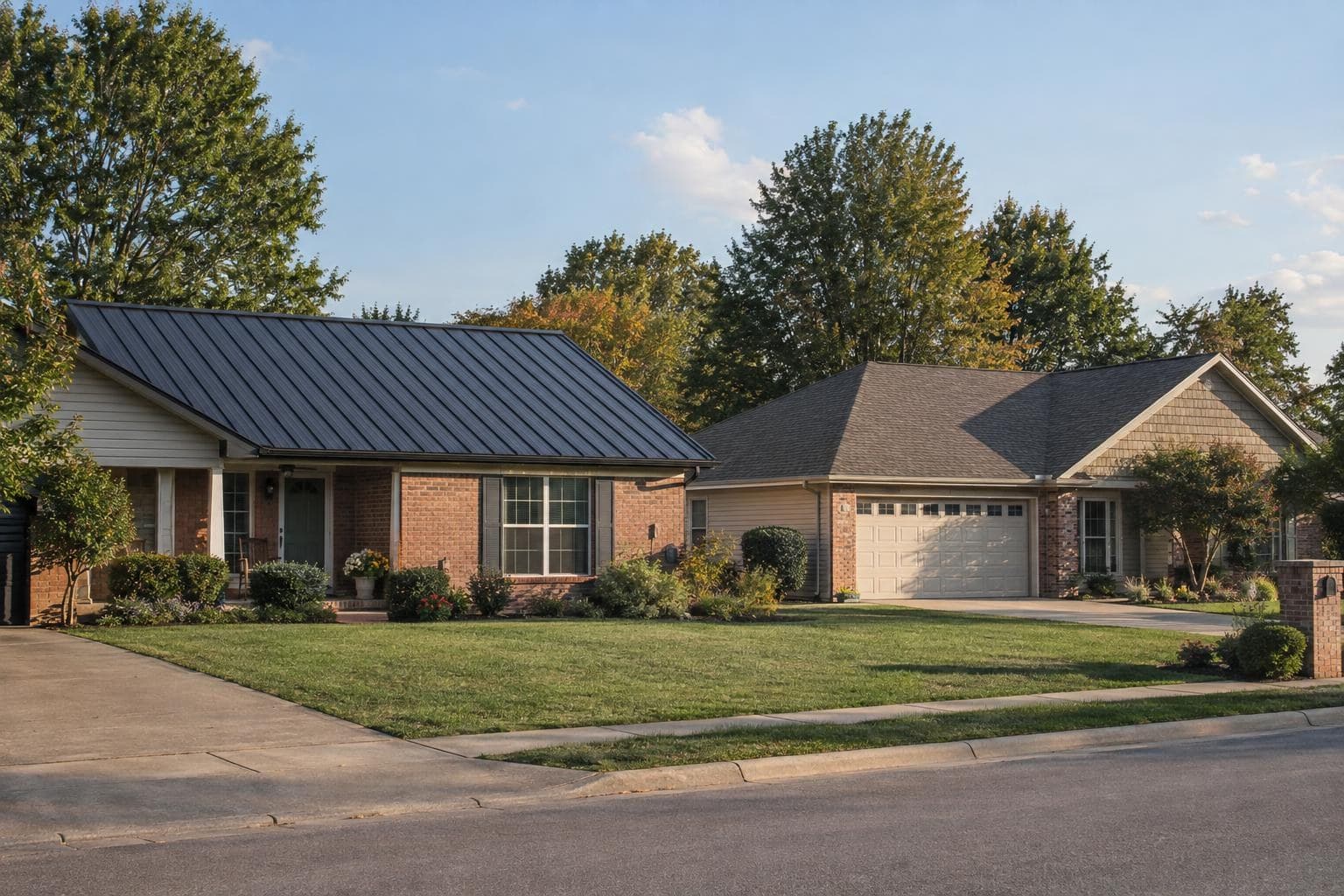
If you are choosing between metal and shingles in Kentucky, shingles usually win on upfront cost, and standing seam metal usually wins on long-term durability. Your best pick depends on how long you plan to keep the home, how much cash you want to put into the roof now, and whether possible insurance savings on Class 4 shingles matter to you.
How much does a metal roof cost vs shingles in Kentucky?
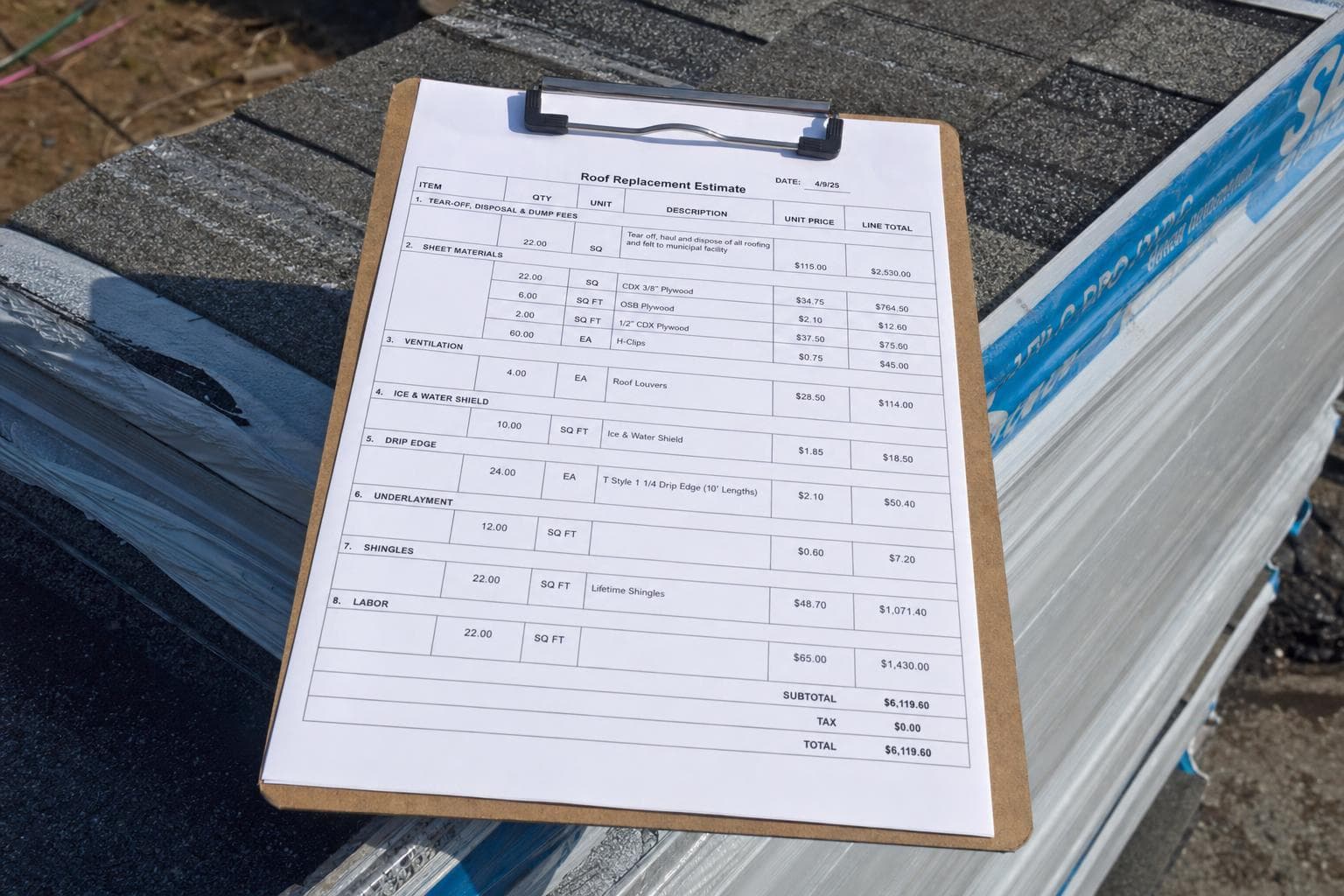
Shingles cost much less upfront, and that is the main reason many Kentucky homeowners choose them. For current Kentucky planning prices related to metal vs shingle roof, use the cost guide and calculator, then compare the contractor's property-specific written scope. For metal vs shingle roof in Kentucky, treat a steep or difficult-to-access roof as a scope variable that the contractor should measure and price explicitly.
Which roof is cheaper to own if you only plan to stay a few years?
For a shorter ownership horizon, shingles usually make more sense. In plain terms, shingles let you solve the roof problem for far less money today. That matters if you are protecting cash flow, preparing to sell, or just do not expect to be around long enough to fully benefit from metal's longer service life.
Which roof makes more sense if you plan to stay long term?
For a long ownership horizon, metal becomes more attractive because the higher upfront cost can be easier to justify over more years of use. Kentucky roofs have to deal with severe weather, including tornado events called out by the state, along with the normal cycle of wind, rain, hail, and temperature swings that wear shingles, flashing, and roof penetrations over time. If you plan to stay put and want a roof system built around long-term durability, standing seam metal deserves a serious look. If you want to control cost while still aiming for better hail resistance than a standard shingle, Class 4 can be a strong middle ground.
Talk to a roofer today
Planning ranges, scope details, and a direct path to request a roofing quote.
Are Class 4 shingles the sweet spot between price and protection?
Often, yes. Class 4 shingles can be the practical middle option for Kentucky homeowners who want more impact resistance without jumping all the way to standing seam pricing. For metal vs shingle roof in Kentucky, any insurance credit depends on the carrier, policy, address, and exact product; get the amount and documentation requirements from the insurer in writing. That does not mean every policy will save the same amount, and discounts, if any, are set by the carrier. If you are considering a Class 4 impact-resistant shingle, ask your insurer whether it offers a homeowners insurance discount for that roofing material.
What matters most in Kentucky weather, price or durability?
Durability matters, but only if it fits your budget and plans. Kentucky weather puts roofs through wind, rain, hail, temperature swings, and in some cases tornado-related storm damage. That can wear shingles, flashing, and roof penetrations over time. For some owners, the smartest move is a lower-cost shingle roof installed well, especially if the home may be sold sooner rather than later. For others, paying more for standing seam metal or stepping up to Class 4 shingles is worth it because they want stronger storm performance and fewer worries over a longer timeline.
What about repairs and installation time?
Those ranges help with planning, but they do not settle the metal-versus-shingle question by themselves. What they do tell you is that even a good roof can need repair after a storm, and speed matters when your home is exposed. After major storms, the bigger risk is often rushed hiring and temporary repairs that eat into your claim funds before permanent work is planned well. That is one more reason to slow down, compare options, and choose the material that fits your real ownership horizon instead of making a panicked decision.
What should you watch for after a Kentucky storm?
The biggest thing to watch for is pressure. The state tells storm victims not to pay upfront. On the Kentucky Department of Insurance tornado relief guidance, consumers are told: "DO NOT PAY UPFRONT - do not pay out any funds until the work has been completed and meets your standards of satisfaction." The same guidance also says to insist on a written contract that includes a description of the work, total cost and completion date. Kentucky also gives you a complaint path if claim handling goes sideways. Kentucky's Division of Consumer Protection handles consumer complaints against homeowners insurance and also takes complaints regarding the actions of an agent or agency. If you run into claim handling problems, you have a state complaint path.
How do you choose the right roofer without getting rushed?
- Get written estimates from at least three contractors.
- Ask for past customer references.
- Make sure the roofer comes to your home to assess the job.
- Insist on a written, detailed contract covering the work, materials, payment terms, start date, and approximate completion date.
- Be wary of large deposits, door-to-door pitches, pressure to sign on the spot, requests to sign over insurance checks, or documents that give the contractor rights to your insurance claim.
- After major storms, some Kentucky communities may run emergency contractor registration programs, and the Attorney General says you can check with the local registration office if you have questions about a contractor's registration status.
- Ask for proof of coverage when money and jobsite risk are involved, because Kentucky consumer guidance tells homeowners to ask for proof of general liability and workers' compensation insurance.
- Remember that subcontractors or material suppliers may be able to collect from you or place a lien on your property if they are not paid, even if you already paid the contractor. The office recommends getting lien waivers and being careful with advance payments for materials.
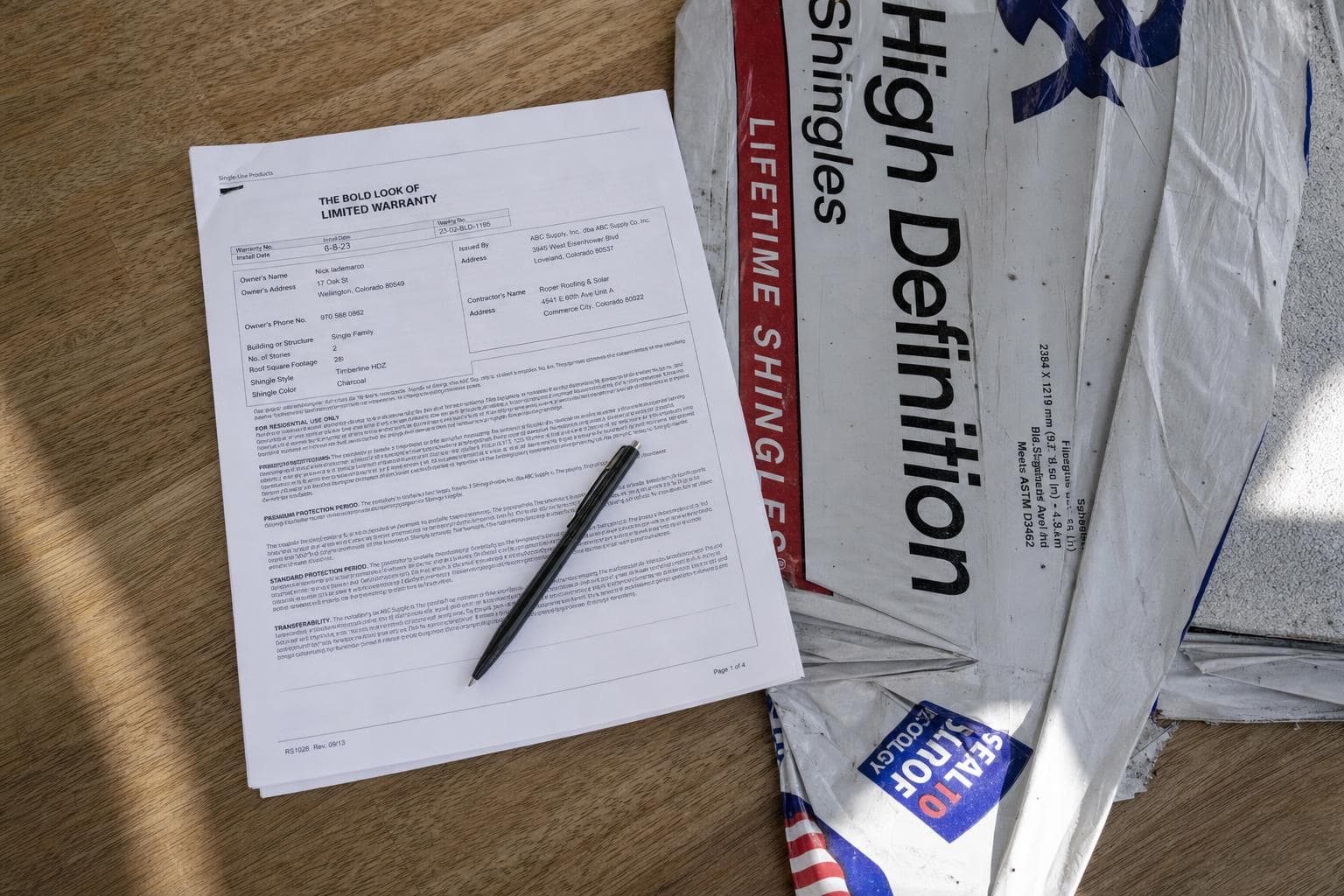
- If a home repair contract came from a door-to-door sale of an amount that must be confirmed for the written scope or more and/or results in a lien against the home, you may have "three business days to cancel contracts which result from a home solicitation (door-to-door) sale of an amount that must be confirmed for the written scope or more and/or which result in a lien against the home unless the work is done on an emergency basis."
So, which roof wins for your ownership horizon?
If you want the clearest answer, here it is. Choose Class 3 shingles if your main goal is the lowest upfront cost. Choose Class 4 shingles if you want a more storm-aware option at a price that is still much lower than standing seam metal, and you want to check whether your carrier offers a discount on the wind/hail premium portion. Choose standing seam metal if you expect to stay long term and you are comfortable paying much more now for a roof many owners choose for long-run durability. If you are still comparing numbers, check the Kentucky cost page and the calculator for local pricing context, then talk with a roofing contractor you are considering about your roof shape, slope, and storm exposure.
Kentucky roofing costs
Sources reviewed
- Kentucky Attorney General, Contractor Registration Program
- Kentucky Attorney General, Home Repair and Improvement
- UL Solutions: UL Solutions and IBHS Drive Trust in Residential Roofing Shingles
- Asphalt Roofing Manufacturers Association: Residential Asphalt Roofing Manual: Ventilation Best Practices
- Insurance Institute for Business & Home Safety: Natural Weathering and Hazard Exposure
Related services
Updated July 27, 2026
3D Roofs Editorial Team
Editorial Standards