Updated July 27, 2026

3D Roofs Editorial Team
Editorial Standards
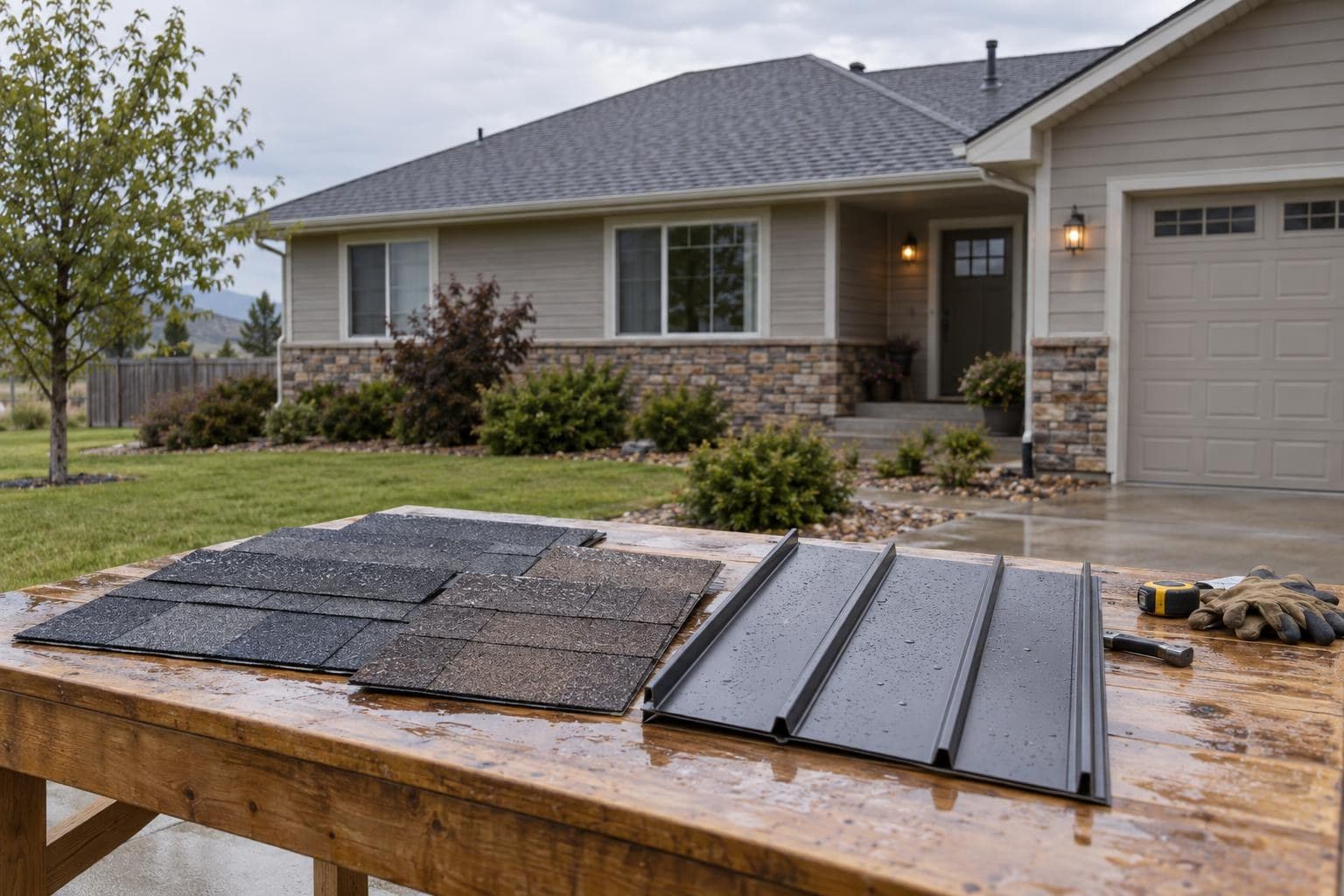
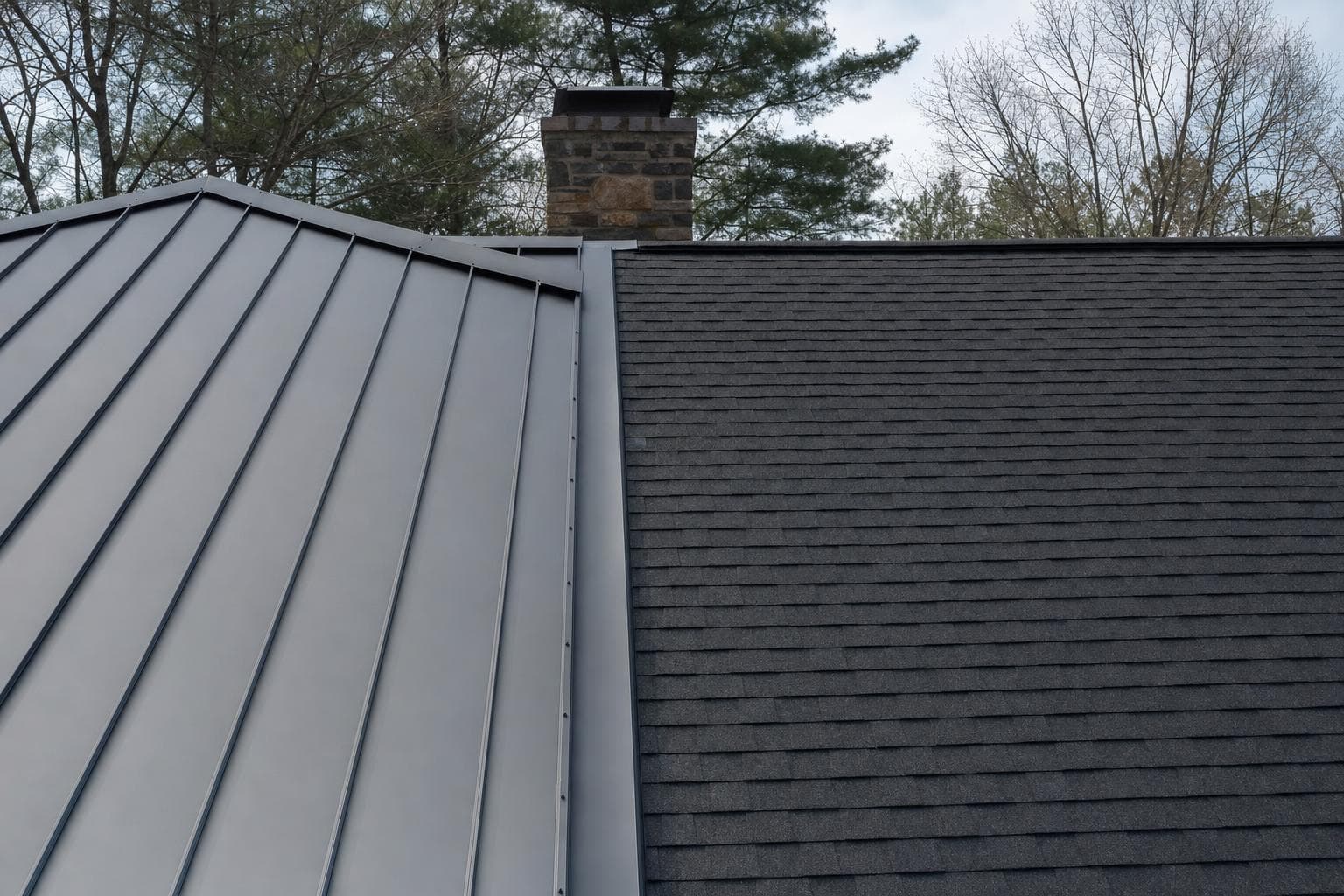
If you want the short answer, shingles usually win on upfront cost, and standing seam metal usually wins for owners planning to stay put for the long haul. In North Carolina, that choice gets more specific because the coast, Piedmont, foothills, and mountains do not punish roofs in the same way. Wind uplift and wind-driven rain matter more on the coast. Inland, hail and thunderstorm winds can be the bigger issue. Add heat, humidity, algae streaking, and occasional winter freeze-thaw swings, and the best roof is the one that matches your part of the state and how long you expect to own the house.
What does a metal roof cost vs shingles in North Carolina?
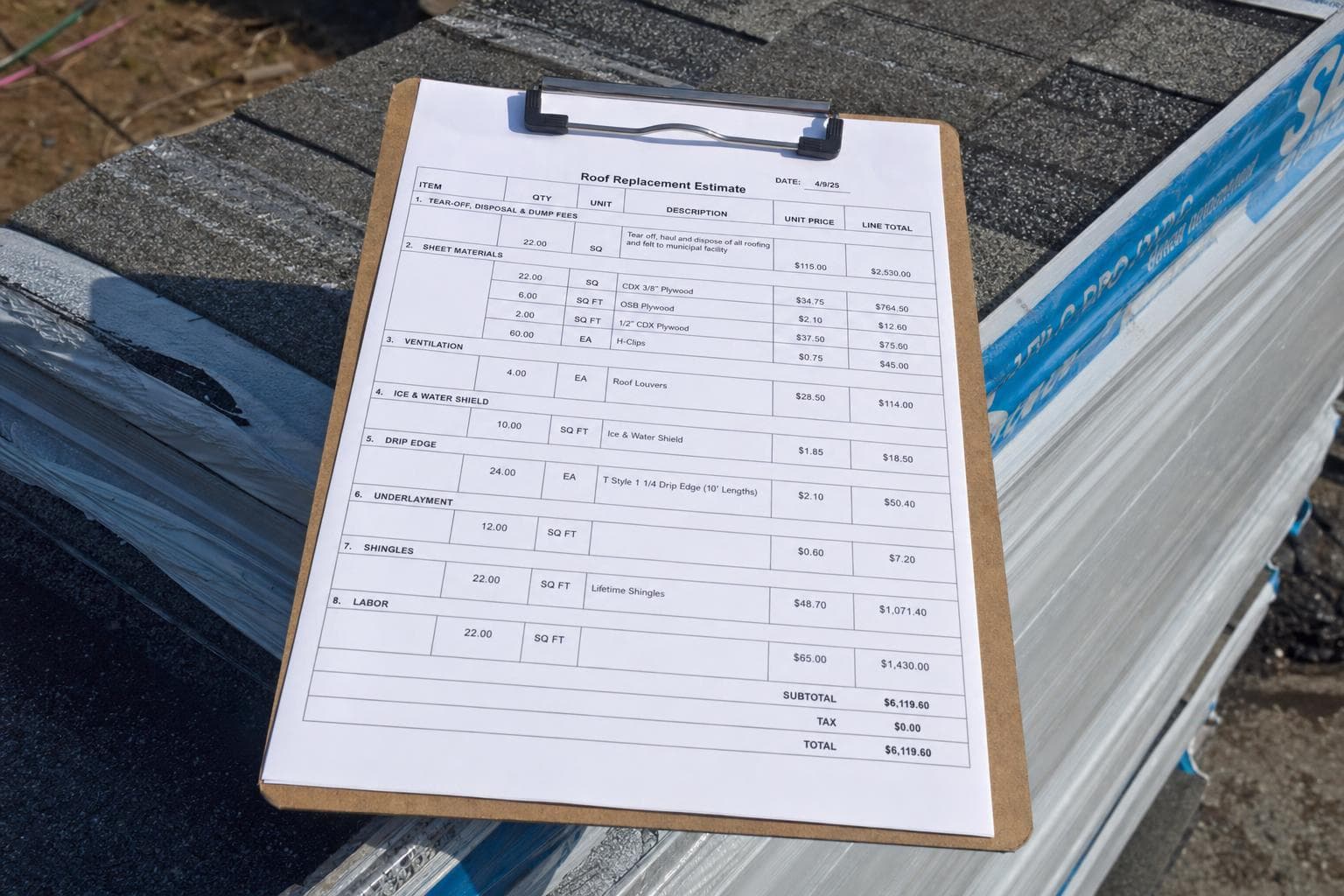
The direct answer is that shingles cost far less upfront than standing seam metal based on 2026 market pricing. For current North Carolina planning prices related to metal vs shingle roof, use the cost guide and calculator, then compare the contractor's property-specific written scope. For metal vs shingle roof in North Carolina, treat a steep or difficult-to-access roof as a scope variable that the contractor should measure and price explicitly. For metal vs shingle roof in North Carolina, ask the contractor to put the expected working days and weather plan in writing; timing depends on roof size, material, access, crew scheduling, and conditions found after tear-off. If you want a deeper local breakdown, full pricing lives on the North Carolina cost page and the calculator.
Which roof is the better value if you plan to move sooner?
If you expect to move in the near to mid term, shingles usually make more sense because they keep your upfront spend lower. For many owners, that means metal only pays off if you expect to stay long enough to value the longer service life, lower maintenance risk, or storm performance in your specific area. If your goal is solid protection without tying up as much cash, Class 3 is the budget play and Class 4 is the upgrade play.
Which roof makes more sense if you plan to stay for a long time?
If this is your long-term house, standing seam metal deserves a serious look, but only if the higher upfront price fits your budget. The reason is simple: long-term owners are the ones most likely to benefit from a roof system that can better justify a bigger day-one investment. That does not mean metal wins for every home. In North Carolina, details like wind exposure, roof shape, flashing quality, and attic ventilation can matter as much as the material itself. Still, for owners with a long horizon, metal is easier to justify than it is for someone planning to sell sooner.
Talk to a roofer today
Planning ranges, scope details, and a direct path to request a roofing quote.
Are Class 4 shingles worth it in North Carolina?
Yes, Class 4 shingles are worth comparing where hail exposure is a real concern, especially inland across the Piedmont and foothills where spring and summer storms can bruise shingles and break their factory seals. For metal vs shingle roof in North Carolina, any insurance credit depends on the carrier, policy, address, and exact product; get the amount and documentation requirements from the insurer in writing. You should verify the exact product and ask your carrier in writing whether it qualifies for a credit and what documentation is required.
Does metal win on the North Carolina coast?
Not automatically. On the coast and the Outer Banks, hurricanes and tropical storms push wind uplift and wind-driven rain into every weak point, so installation details can matter more than the material label alone. On coastal homes, wind attachment, roof-to-wall connections, sealed roof-deck details, product approvals, and the property's insurance market can matter more than impact classification by itself. That means a well-specified shingle roof can beat a poorly detailed metal roof, and vice versa. If you are near the coast, focus on the exact assembly your roofer is proposing, not just whether it is metal or shingle.
What are the biggest performance tradeoffs between metal and shingles?
- Class 4 shingles are the middle ground if hail resistance is a priority and you want to stay well below metal pricing.
- On the coast, water management and wind detailing matter heavily no matter which material you choose.
- In humid parts of the state, ventilation and moisture control matter because trapped moisture can rot decking and feed algae streaking.
How should you choose based on where you live in North Carolina?
The answer is to match the roof to the weather your area actually sees. On the coast, prioritize wind resistance, water shedding, and the full roof system details. In the Piedmont and foothills, Class 4 shingles are often the most practical upgrade to compare because hail and damaging thunderstorm winds are common concerns. In humid areas statewide, ask how your roofer will handle ventilation and moisture. In the mountains and colder pockets, ask how the roof system handles occasional ice and freeze-thaw swings. The best material on paper can still underperform if the assembly does not fit the local weather.
What insurance and legal issues should you know before you sign?
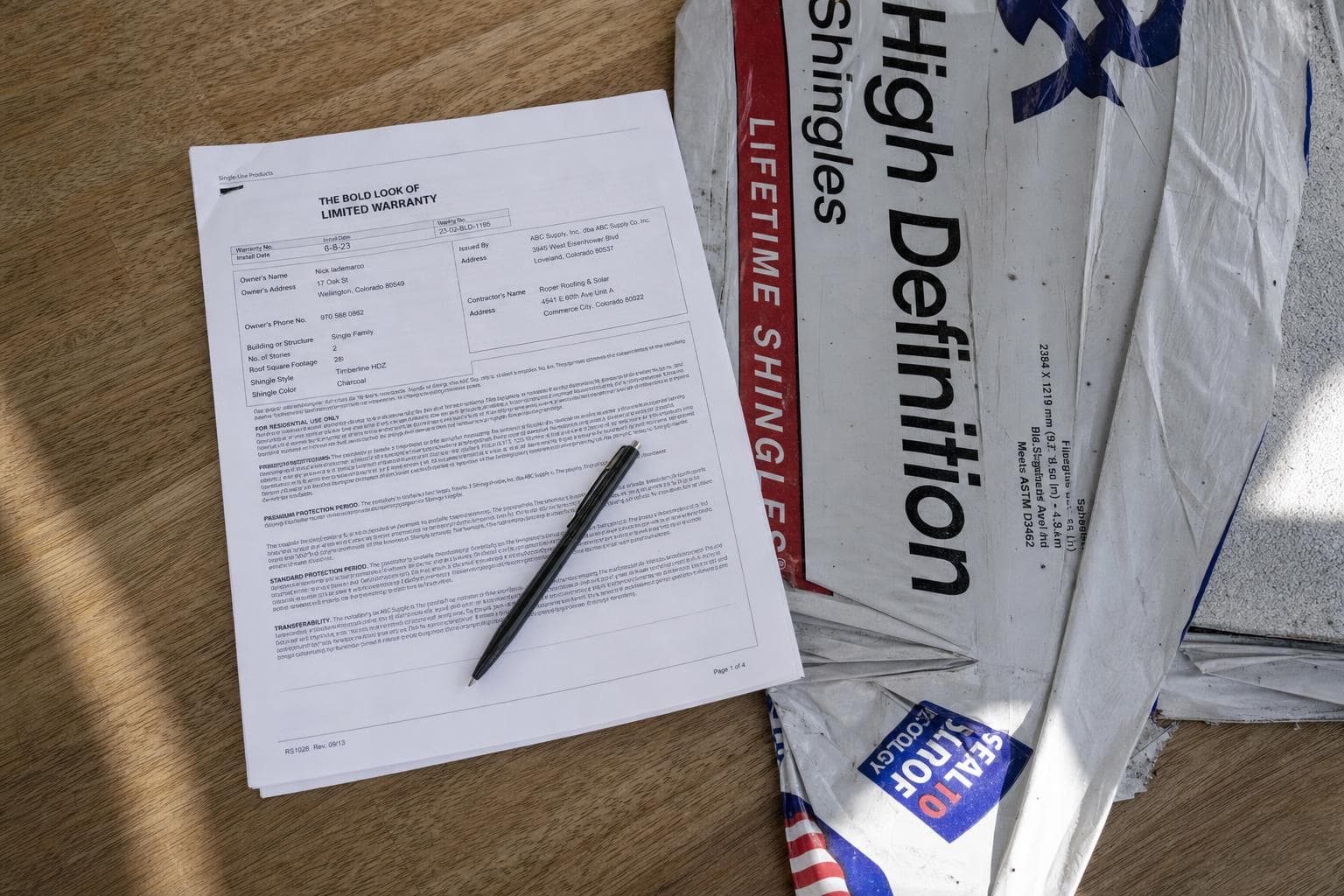
The short answer is that you should understand both your coverage and who is allowed to handle your job before work starts. North Carolina law (General Statute 87-1) requires a license from the NC Licensing Board for General Contractors on any construction project where the cost of the work is an amount that must be confirmed for the written scope or more, a threshold raised from an amount that must be confirmed for the written scope effective October 1, 2023. Because many replacements sit near that line, ask your roofer whether your job needs a licensed GC, and verify the license on the Board's site before you sign. Also, your deductible is your responsibility. In North Carolina, a contractor cannot legally pay, waive, rebate, or absorb it. If someone offers a free roof by eating your deductible, treat that pitch as a reason to walk away, not a deal. Near the coast, know that windstorm and hail coverage may be separate from your standard homeowners policy and may carry a percentage deductible or a named-storm deductible.
So, who wins: metal or shingles?
Shingles win for most budget-focused owners and for many people who do not plan to stay in the home for decades. Class 3 wins on lowest upfront cost. Class 4 wins when you want a stronger case for hail resistance without jumping to metal pricing. Standing seam metal wins for some long-term owners, especially when the higher upfront cost fits the budget and the home's exposure justifies it. In North Carolina, there is no one-size-fits-all winner. Your real decision is owner horizon plus local weather plus the exact roof system your roofer will install. If you want to pressure-test the numbers for your home, compare your options on the North Carolina cost page and the calculator, then have a roofing contractor you are considering walk you through the scope in plain English.
Sources reviewed
- NC Dept. of Insurance (windstorm & hail / NCIUA Beach Plan)
- NC Dept. of Justice (roofers & storm-chaser consumer warnings)
- UL Solutions: UL Solutions and IBHS Drive Trust in Residential Roofing Shingles
- Asphalt Roofing Manufacturers Association: Residential Asphalt Roofing Manual: Ventilation Best Practices
- Insurance Institute for Business & Home Safety: Natural Weathering and Hazard Exposure
Plan with current pricing
Related services
Updated July 27, 2026
3D Roofs Editorial Team
Editorial Standards