Updated July 27, 2026

3D Roofs Editorial Team
Editorial Standards
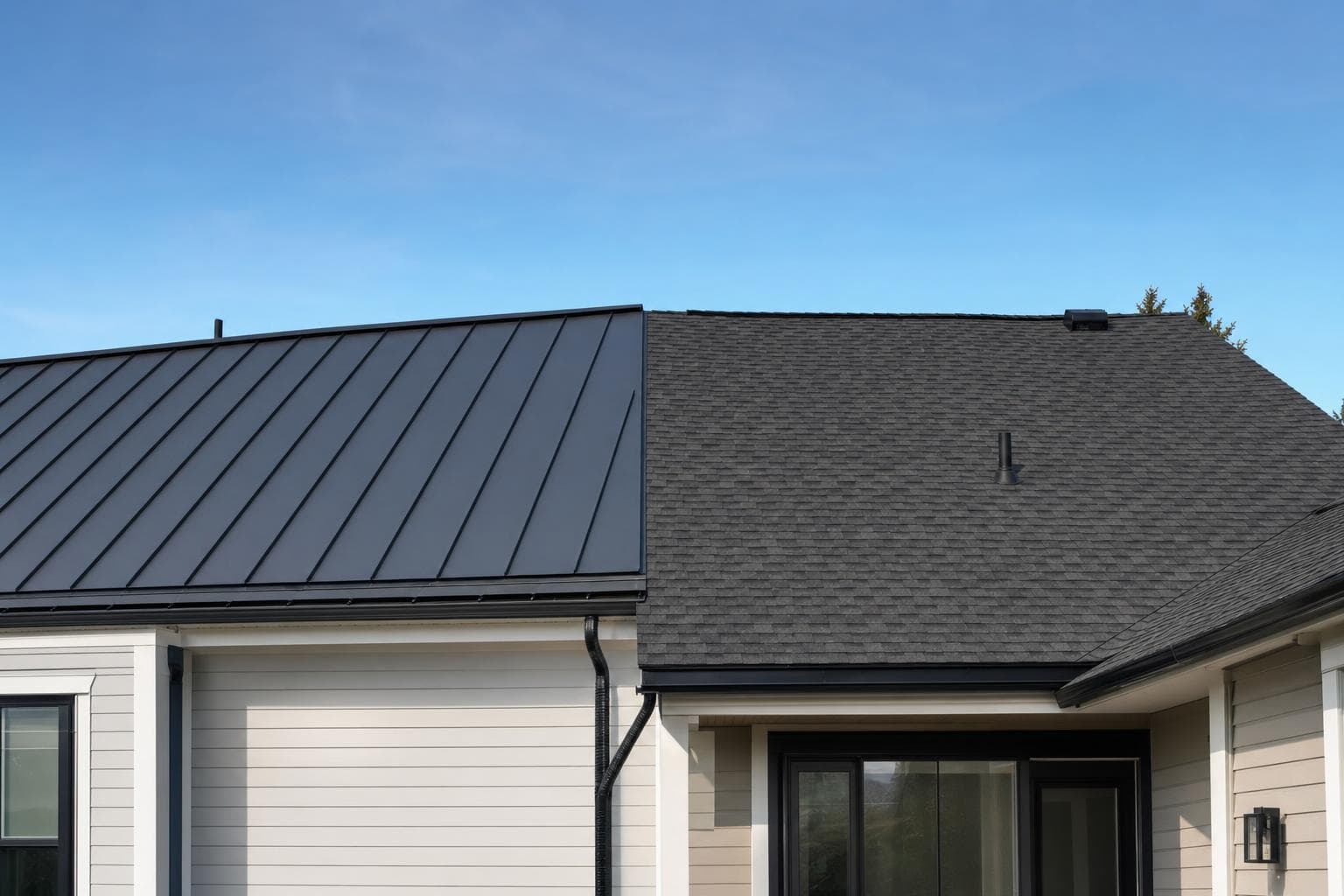
If you own in Ohio, shingles usually win on upfront cost, while metal can win if you plan to stay long enough to value durability over lower entry price. For current Ohio planning prices related to metal vs shingle roof, use the cost guide and calculator, then compare the contractor's property-specific written scope. That gap is the whole decision for most homeowners: pay less now, or pay more for a roof built to take more abuse from hail, wind, snow, ice, and freeze-thaw cycling.
What costs less in Ohio, metal or shingles?
Shingles cost less up front, by a wide margin. If your budget is the main driver, shingles are the easier yes. If your budget can stretch and you want to buy for a longer ownership horizon, metal enters the conversation.
Which roof handles Ohio weather better?
For raw toughness, metal and Class 4 shingles both make strong cases, but they do it in different ways. Ohio roofs are exposed to both ends of the calendar. Warm-season thunderstorms drive hail that bruises shingles and strips granules, plus straight-line and derecho winds strong enough to lift shingles and tear edges. Come winter, heavy snow load, ice dams along the eaves, and repeated freeze-thaw cycling work loose fasteners, flashing, and seams. Humid summers add the heat and moisture that age shingles and grow algae. The specification should address the exposures documented for the property instead of assuming one material solves every condition.
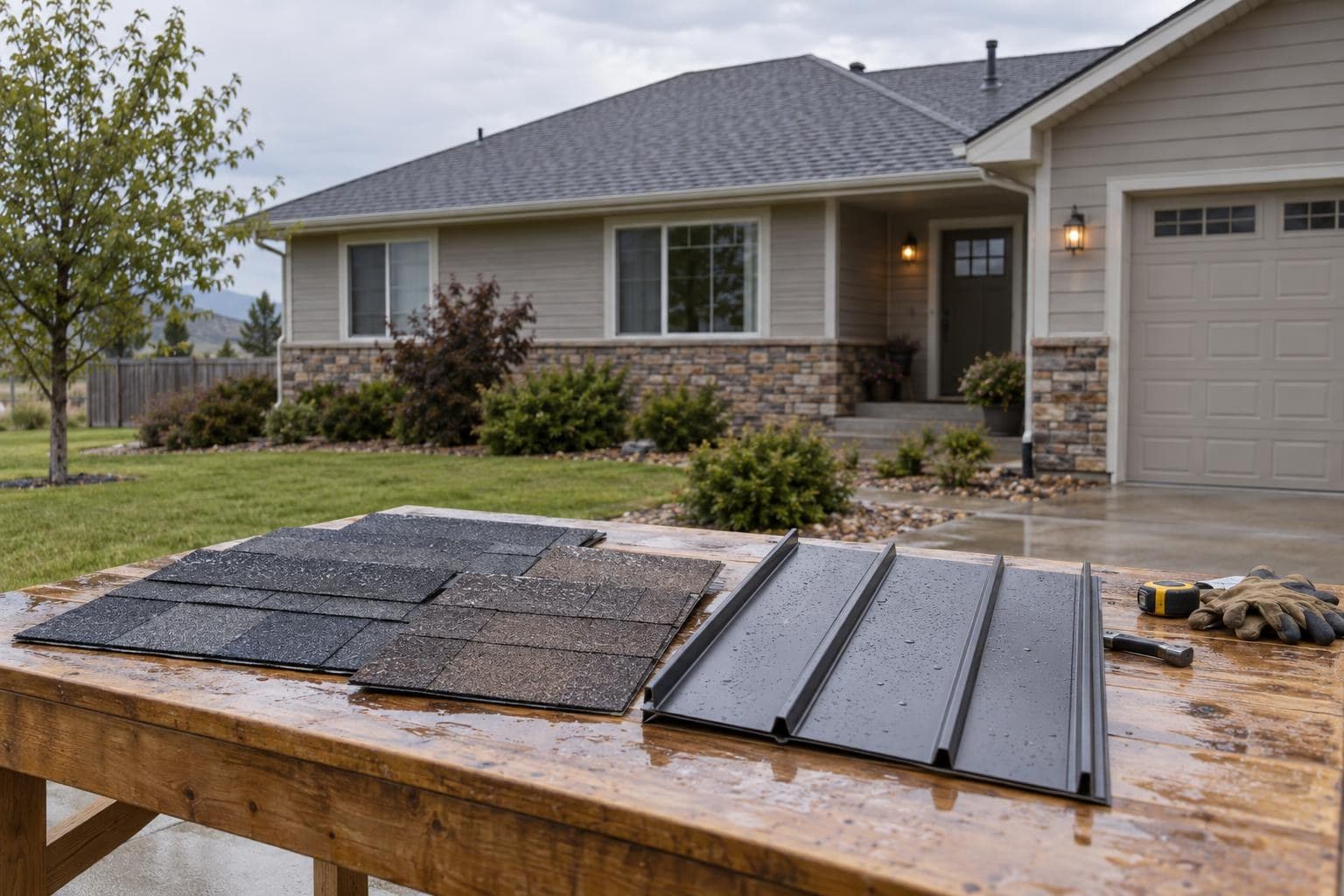
In that mix, standard Class 3 shingles are the budget play. Class 4 shingles give you more impact resistance against hail. Standing seam metal is a different kind of upgrade, with a much higher upfront price but a roof system many owners choose for long-term durability and storm performance. No roofing material is damage proof, though. For metal vs shingle roof in Ohio, treat Class 4 as a laboratory impact classification for the exact product, not a promise that the installed roof will resist every hail event or avoid damage. Metal can also show cosmetic damage depending on the strike and panel profile.
Are Class 4 shingles the smart middle ground?
Yes, for many Ohio homeowners, Class 4 shingles are the middle path that makes the most sense. You get a step up from Class 3 on impact resistance without jumping all the way to standing seam pricing.
There is also an insurance angle worth checking before you decide. For metal vs shingle roof in Ohio, any insurance credit depends on the carrier, policy, address, and exact product; get the amount and documentation requirements from the insurer in writing. The key word is commonly. The credit is not automatic, and each insurer sets its own discount. Ask your carrier in writing whether they offer one, then submit the manufacturer's certificate after the install if needed to claim it. If you want better hail resistance without metal pricing, Class 4 is often the best-value option.
Talk to a roofer today
Planning ranges, scope details, and a direct path to request a roofing quote.
Which roof wins if you plan to move soon?
If you expect to move in the near term, shingles usually win because they keep your upfront spend lower. A roof is still a major selling point, but many owners do not stay long enough to personally benefit from paying roughly double for standing seam metal versus Class 4 shingles. If your goal is to solve a current roofing problem, protect the house, and avoid overspending before a move, Class 3 or Class 4 shingles usually fit better.
Which roof wins if you plan to stay for the long haul?
If this is your long-term house and you want fewer worries about repeated storm wear, metal becomes easier to justify. Ohio weather is hard on roofs year after year, not just during one big storm season. Owners who plan to stay put often care less about the lowest initial bill and more about how the roof holds up through hail, wind, snow load, ice dams, and freeze-thaw cycles. That is the ownership horizon where standing seam metal tends to make the most sense, assuming the higher upfront cost fits your budget.
What repair and install differences should you expect?
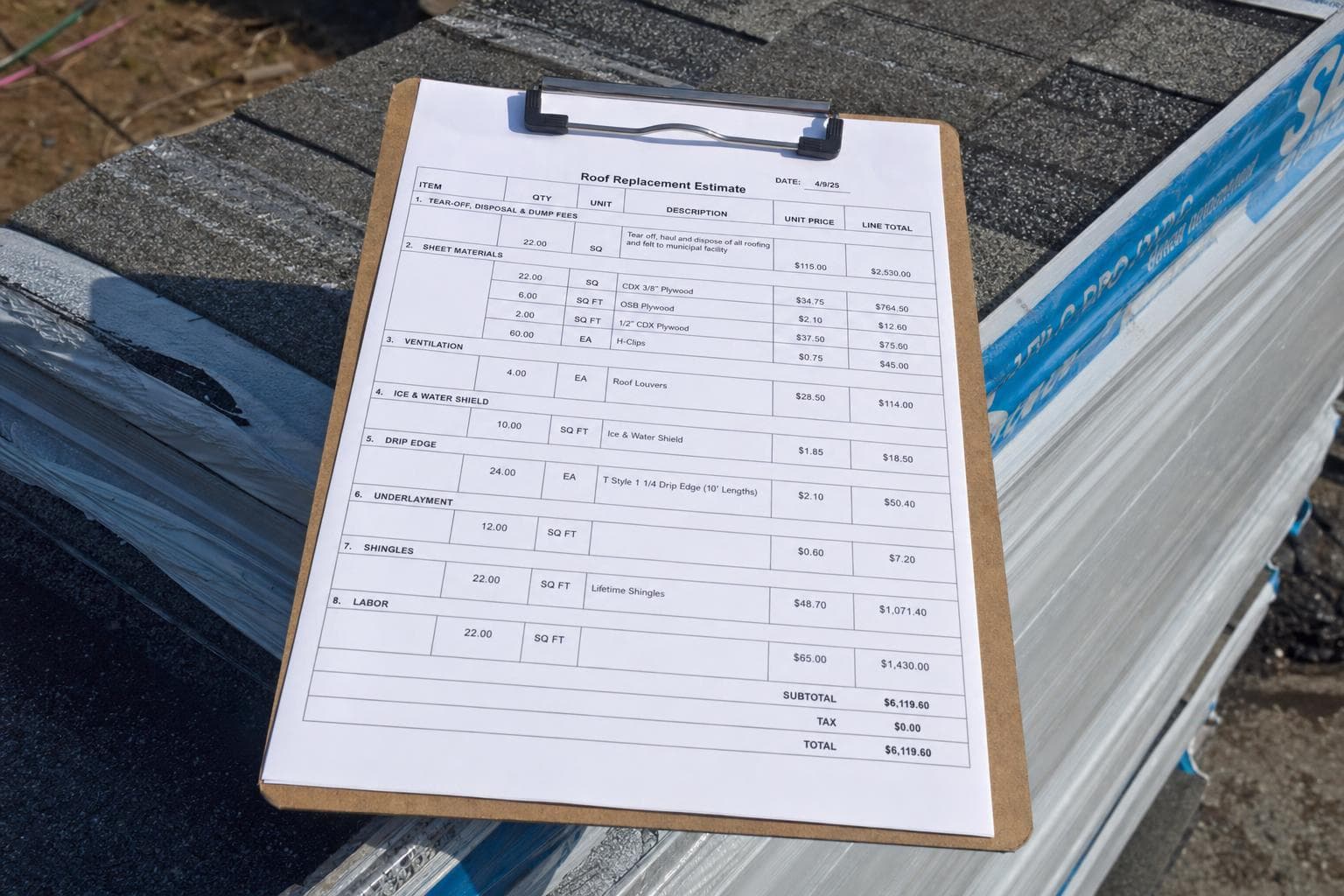
For metal vs shingle roof in Ohio, treat a steep or difficult-to-access roof as a scope variable that the contractor should measure and price explicitly. Those are useful planning numbers whether you choose shingles or metal. The bigger difference is usually what kind of damage you are trying to avoid. Shingles are more likely to lose granules, crease, or lift in wind events. Metal systems may avoid some of that wear pattern, but they are not immune to storm damage or installation mistakes. In either case, details like flashing, underlayment, ventilation, and edge work matter as much as the material itself.
What should you know before signing with an Ohio roofer?
In Ohio, you need to verify local compliance, not rely on a statewide credential. Ohio does not license or register roofing contractors at the state level. Instead, licensing, registration, and permits are handled locally, and the requirements vary by city. Columbus, Cincinnati, and Cleveland each require contractors to register and carry insurance before doing residential work, for example, while smaller towns may require only a permit. Because there is no state credential to lean on, confirm a roofer is registered and permitted in your specific city or county before you sign.
- A roofer can't pay or waive your deductible, and offering to is fraud. For metal vs shingle roof in Ohio, do not assume a contractor can remove or hide the deductible required by the policy. Verify current state law and the written proposal with the insurer or state insurance regulator before signing.
- You get three business days to cancel a contract signed at your door. Under Ohio's Home Solicitation Sales Act (Ohio Revised Code 1345.21 to 1345.23), if a salesperson comes to your home and you sign a contract of an amount that must be confirmed for the written scope or more there, you can cancel until midnight of the third business day after signing.
- Because Ohio issues no statewide roofing license, confirm current registration and a pulled permit in your city or county before work starts. Also ask for a written scope that spells out tear-off, decking, underlayment, flashing, ventilation, and cleanup.
So, which roof should you choose in Ohio?
Choose Class 3 shingles if your top priority is the lowest upfront cost. Choose Class 4 shingles if you want a stronger hail option and a possible insurance credit without making the jump to metal pricing.
If you are still deciding, start with your ownership horizon and budget, then compare local scope and material options side by side. Full local pricing lives on the Ohio cost page, and you can pressure-test your numbers with the calculator. When you are ready, a roofing contractor you are considering can walk your roof, explain the tradeoffs, and help you choose the option that fits how long you plan to own the home.
Sources reviewed
- Ohio Attorney General (door-to-door sales & 3-day right to cancel)
- Ohio Attorney General (storm-chaser home-improvement fraud)
- UL Solutions: UL Solutions and IBHS Drive Trust in Residential Roofing Shingles
- Asphalt Roofing Manufacturers Association: Residential Asphalt Roofing Manual: Ventilation Best Practices
- Insurance Institute for Business & Home Safety: Natural Weathering and Hazard Exposure
Plan with current pricing
Related services
Updated July 27, 2026
3D Roofs Editorial Team
Editorial Standards