Updated July 27, 2026

3D Roofs Editorial Team
Editorial Standards
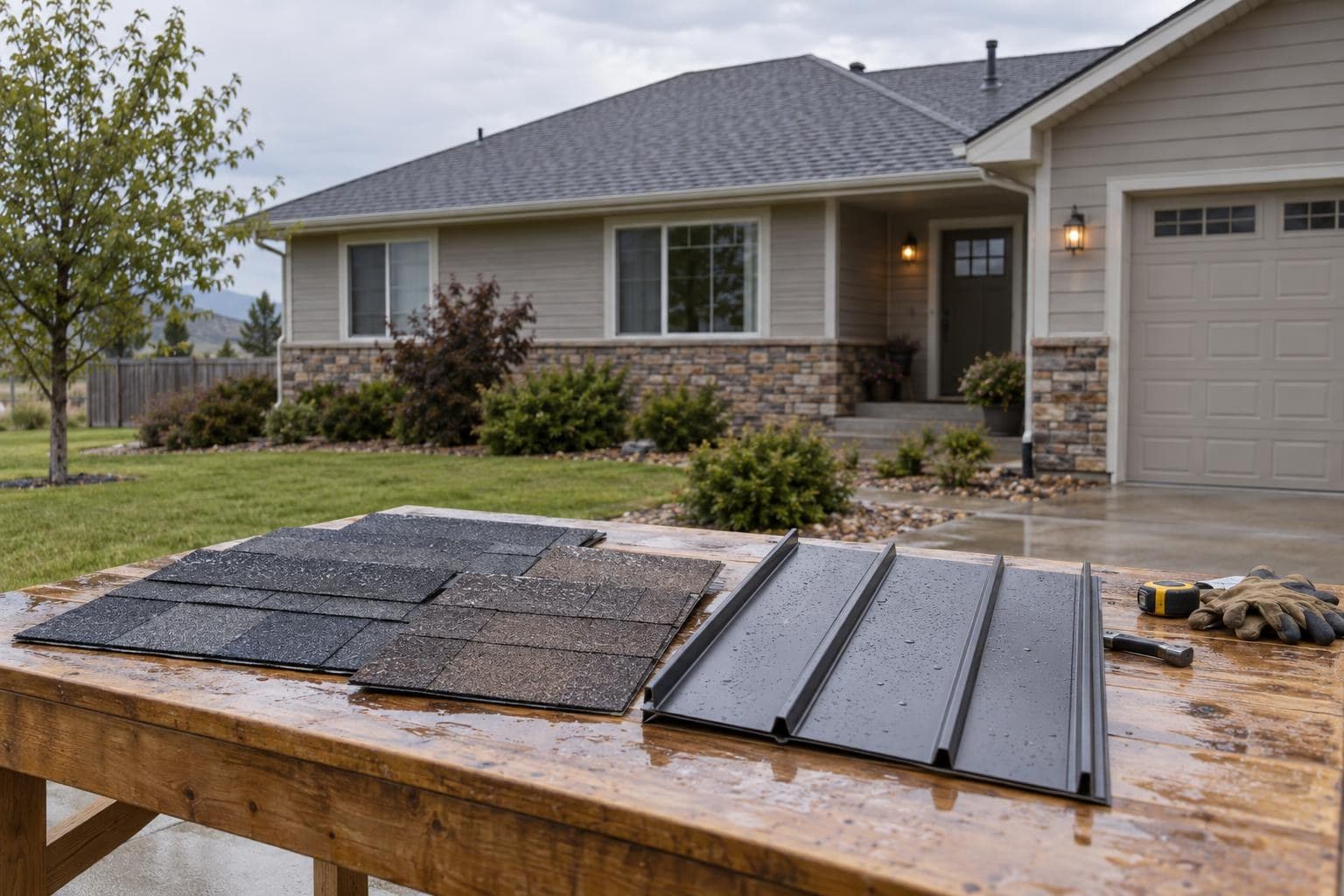
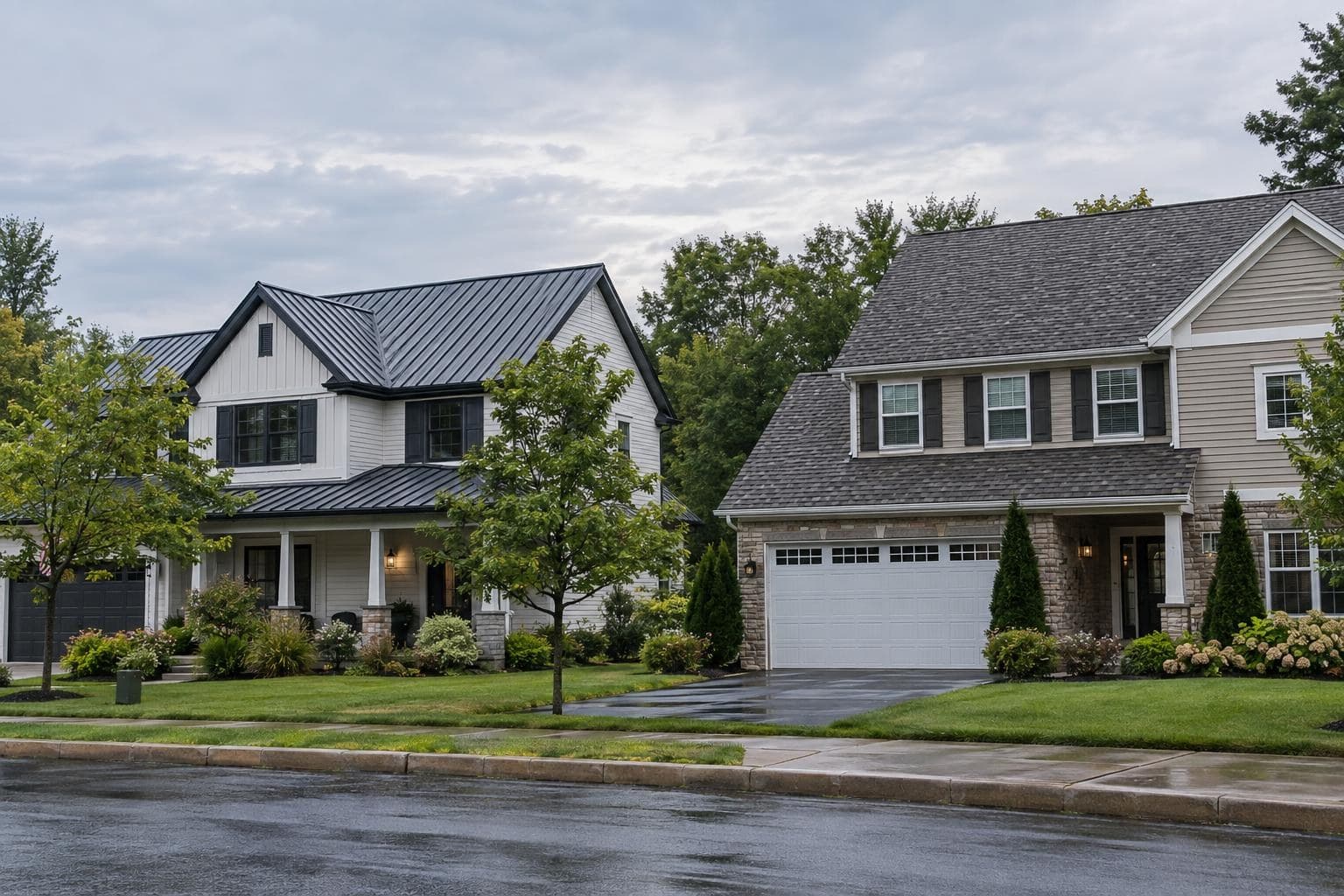
If you are choosing between a metal roof and shingles in Pennsylvania, shingles usually win on upfront cost, and metal usually wins for a longer ownership horizon. For current Pennsylvania planning prices related to metal vs shingle roof, use the cost guide and calculator, then compare the contractor's property-specific written scope. That gap is big, so your best pick depends less on hype and more on how long you expect to own the home, how much storm exposure your roof gets, and whether you want the lower entry price or the longer-play option.
Which roof is cheaper in Pennsylvania?
Shingles are cheaper upfront, by a wide margin. If your main goal is keeping your replacement cost lower today, shingles are the clear winner.
That does not mean metal is overpriced. It means metal asks you to spend more now in exchange for a different long-term value story. If you are stretching to replace a roof after storm damage, selling soon, or trying to keep monthly financing pressure down, shingles usually make more sense. If you are planning around decades instead of years, the higher metal price can be easier to justify.
Which roof makes more sense if you plan to stay in the home for only a few years?
Shingles usually make more sense for a shorter ownership horizon. If you expect to move in the near future, the lower upfront cost often matters more than the longer potential service life of metal. You get a fresh roof, lower immediate outlay, and a clean look for resale without paying the much higher cost of standing seam metal.
- Choose Class 3 shingles if your top priority is the lowest replacement cost.
- Choose Class 4 shingles if you want a shingle look but want to step up impact resistance.
- Choose standing seam metal mainly if you expect to hold the home long enough for the higher upfront cost to feel worthwhile.
This is especially true in Pennsylvania, where roofs deal with a little of everything. Pennsylvania's insurance Department says weather here can be unpredictable, from thunderstorms to snowstorms. That mix can mean wind-lifted shingles, water intrusion around flashing and roof penetrations, gutter overflow, and added stress from snow and ice. Tree limbs and outdoor debris can also become a problem during storms. In this kind of climate, roof life often comes down to drainage, attic ventilation, flashing details, and staying ahead of small maintenance issues before the next storm hits. In other words, the material matters, but the installation details and follow-up maintenance matter too.
Does metal win if you plan to own the home for the long haul?
Yes, metal often wins for a long ownership horizon, but only if you are comfortable with the much higher upfront cost. The main reason people choose standing seam in Pennsylvania is not that it is cheap, because it is not. They choose it because they want a roof built around a longer timeline, fewer full replacements over the years, and a different maintenance profile than asphalt shingles.
If you are the kind of owner who wants to replace the roof once and be done with it for a very long time, metal is often the better fit. If you would rather keep more cash in your pocket now and accept that roof decisions may come up again later, shingles are usually the better fit. That is the real tradeoff.
Talk to a roofer today
Planning ranges, scope details, and a direct path to request a roofing quote.
Are Class 4 shingles the middle ground?
Yes, Class 4 shingles are often the best middle-ground option for Pennsylvania homeowners who want stronger impact resistance without jumping all the way to metal pricing.
That middle position matters in a state where storms, debris, snow, and ice can all stress a roof in different ways. If you want better durability potential than a standard architectural shingle, but the cost of metal feels too steep, Class 4 is the option many homeowners should look at first. For metal vs shingle roof in Pennsylvania, any insurance credit depends on the carrier, policy, address, and exact product; get the amount and documentation requirements from the insurer in writing. If you are considering an impact-resistant roof, ask your insurer whether it offers a discount for a Class 4 rated product. Discounts and underwriting rules can vary by carrier, so the key step is to confirm eligibility, required documentation, and whether the carrier recognizes the specific roofing product your roofer proposes.
What repairs and installation timelines should you expect?
For metal vs shingle roof in Pennsylvania, treat a steep or difficult-to-access roof as a scope variable that the contractor should measure and price explicitly. Those numbers matter when you compare metal and shingles, because the real ownership cost is not only the day-one replacement bill. It is also the repair pattern you may face after storms, ice, branch strikes, flashing failures, or aging seal points around penetrations.
Pennsylvania weather makes small roof issues worth fixing quickly. Water intrusion around flashing and penetrations can turn into interior damage fast, especially when one storm is followed by another. Whether you choose metal or shingles, it pays to deal with small problems before they grow.
What should you do if storm damage pushes this decision?
Slow down, document everything, and do not let a storm rush you into the wrong roof choice. Pennsylvania’s insurance guidance says that after a storm, you should take pictures or videos of the damage before you clean up or make repairs. After documenting, make immediate repairs that are necessary to prevent further damage, but do not make permanent repairs until your insurance company approves them. Keep all receipts for any money you spend related to the damage.
The state also tells homeowners to keep their homeowners policy up to date and check with their insurance provider annually to make sure they have the right coverage. It specifically says to ask if damage from floods and wind is covered under your policy. You also do not have to rush a settlement. The state tells homeowners to try to find out the total cost of repairs before agreeing to any settlement. It also says you can negotiate, and if you disagree with the insurance company’s offer, be ready to discuss it further. If your claim is denied, the guidance says to check your policy, appeal to your insurance company’s claim manager, and contact the Consumer Help Center if questions remain.
How do you choose the right roofer in Pennsylvania?
Start with registration, then keep going. In Pennsylvania, a smart first check is contractor registration. The Attorney General says the Home Improvement Consumer Protection Act requires all contractors who perform at least an amount that must be confirmed for the written scope worth of home improvements per year to register with the Attorney General’s Office. The Insurance Department also tells homeowners to ask for the contractor’s Home Improvement Contractor number and verify that information through the Attorney General’s contractor search or by calling 1-888-520-6680.
Just as important, the Attorney General says registration under HICPA is not an endorsement, recommendation or approval of the contractor’s competency or skill. So do not stop at the registration lookup. Get more than one estimate, check references, get the scope and total cost in writing, do not sign blank sections, and do not pay in full before the work is completed. Pennsylvania also warns that natural disasters can attract dishonest solicitors, so be wary of anyone who knocks at your door after a storm. A roofing contractor you are considering should be able to explain your options clearly, put the scope in writing, and help you compare metal, Class 3, and Class 4 without pressure.
So, which roof wins in Pennsylvania?
Shingles win for lower upfront cost. Metal wins for homeowners planning around a much longer horizon. Class 4 shingles often win the middle. If you want the most budget-friendly replacement, Class 3 shingles are the simple answer. If you want a stronger shingle option and may be eligible for an insurance discount, Class 4 deserves a close look. If you expect to stay put for the long term and want to make one bigger investment now instead of prioritizing a lower replacement bill today, standing seam metal is the long-horizon choice.
For most Pennsylvania homeowners, the best choice is the one that matches your timeline, not the one with the biggest sales pitch. Compare the 2026 market pricing, think honestly about how long you will own the home, and pay attention to drainage, ventilation, flashing, and maintenance. Those details often decide how happy you are with the roof years from now, no matter which material you choose.
Pennsylvania roofing costs
Sources reviewed
- Pennsylvania Insurance Department, Natural Disaster Insurance Guide
- Pennsylvania Office of Attorney General, Home Improvement Contractor Registration
- UL Solutions: UL Solutions and IBHS Drive Trust in Residential Roofing Shingles
- Asphalt Roofing Manufacturers Association: Residential Asphalt Roofing Manual: Ventilation Best Practices
- Insurance Institute for Business & Home Safety: Natural Weathering and Hazard Exposure
Related services
Updated July 27, 2026
3D Roofs Editorial Team
Editorial Standards