Updated July 10, 2026

3D Roofs Editorial Team
Editorial Standards
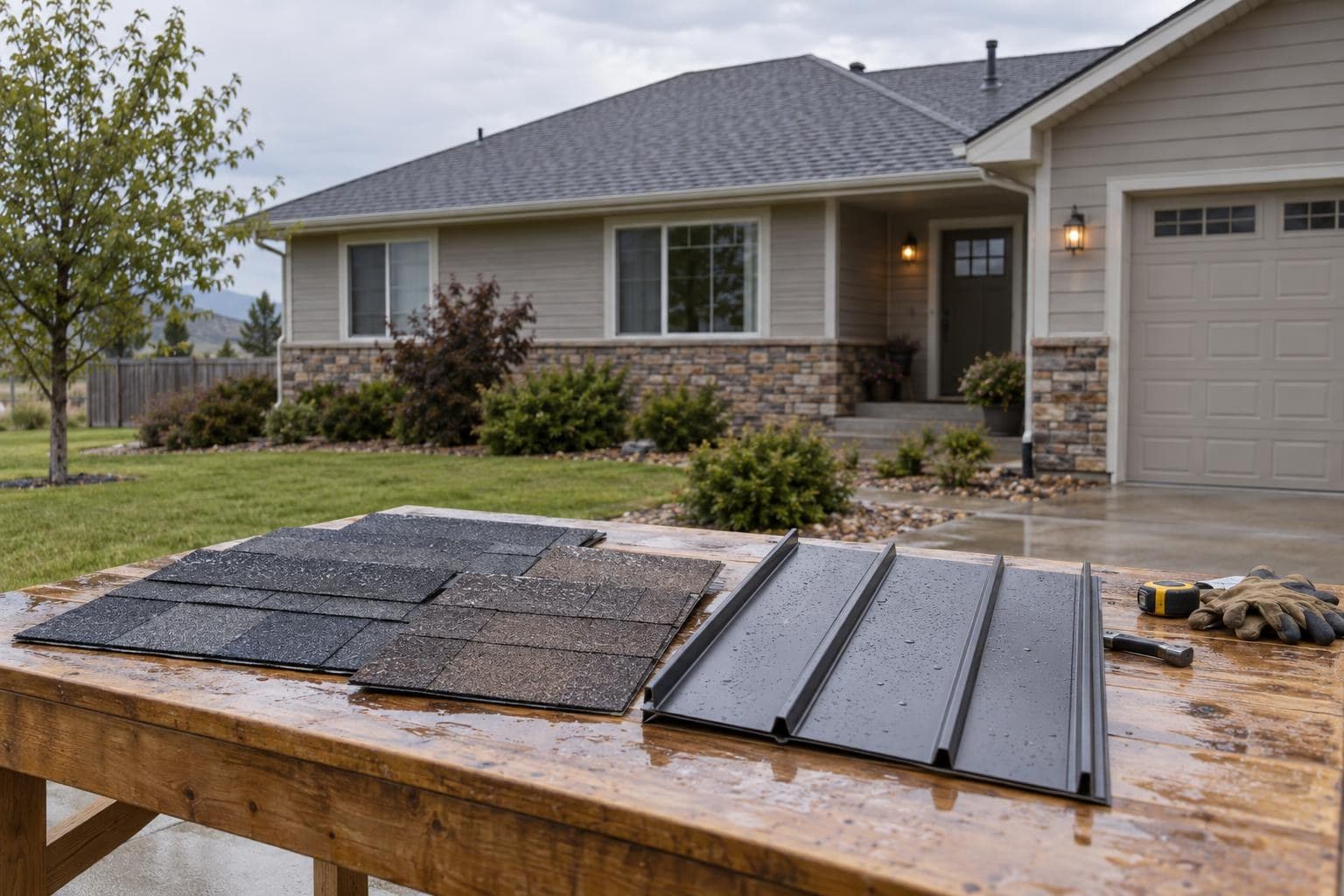
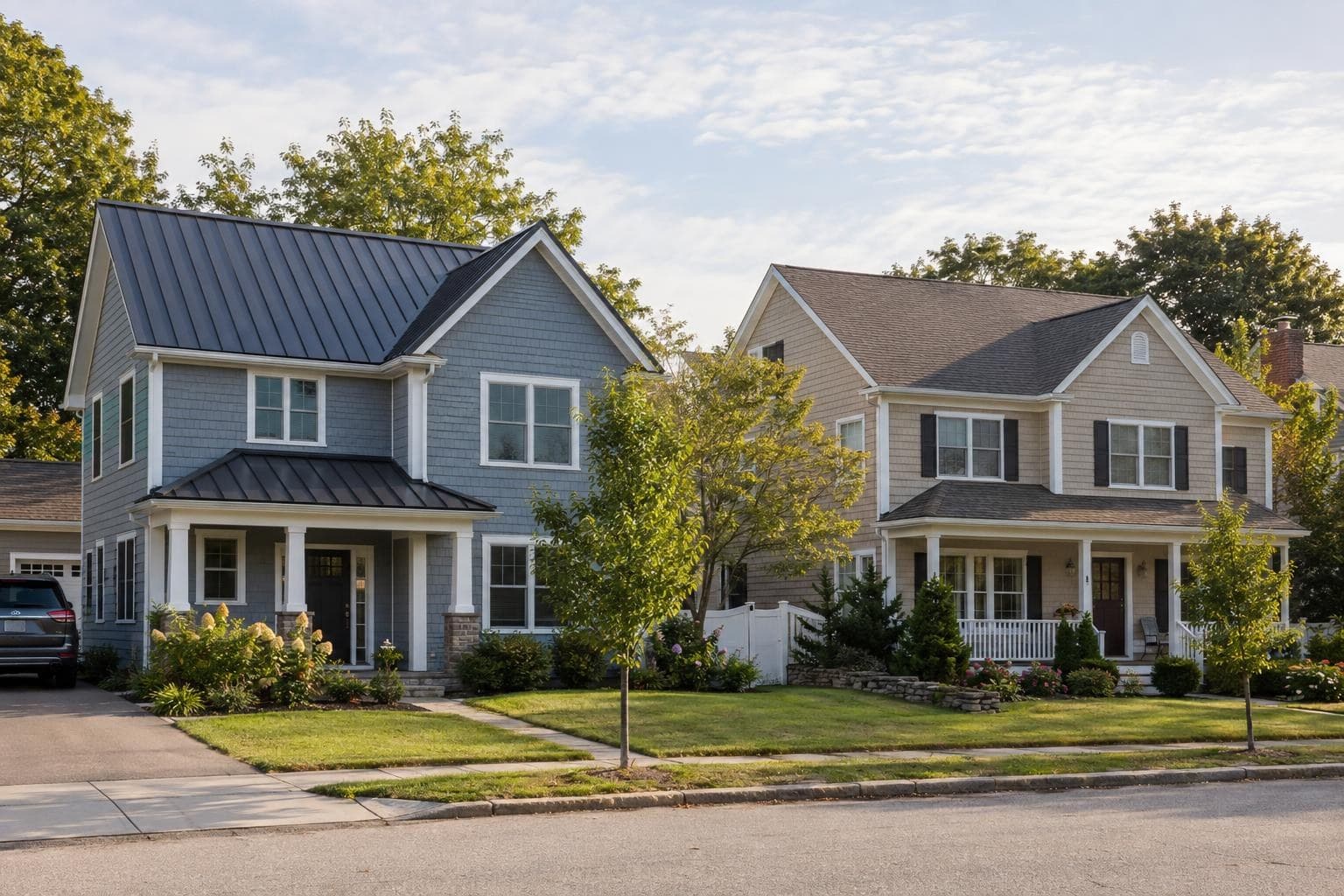
For most Rhode Island homeowners, shingles win on upfront cost and metal wins on long-term durability. Your best choice depends on your ownership horizon. If you want the lower entry price, architectural shingles are usually the practical move. If you plan to stay a long time and want fewer material-related tradeoffs, standing seam metal is the premium option. In Rhode Island, that decision matters because your roof has to handle year-round moisture, wind-driven rain, winter weather, and temperature swings.
Compare measured metal and shingle scopes in Rhode Island
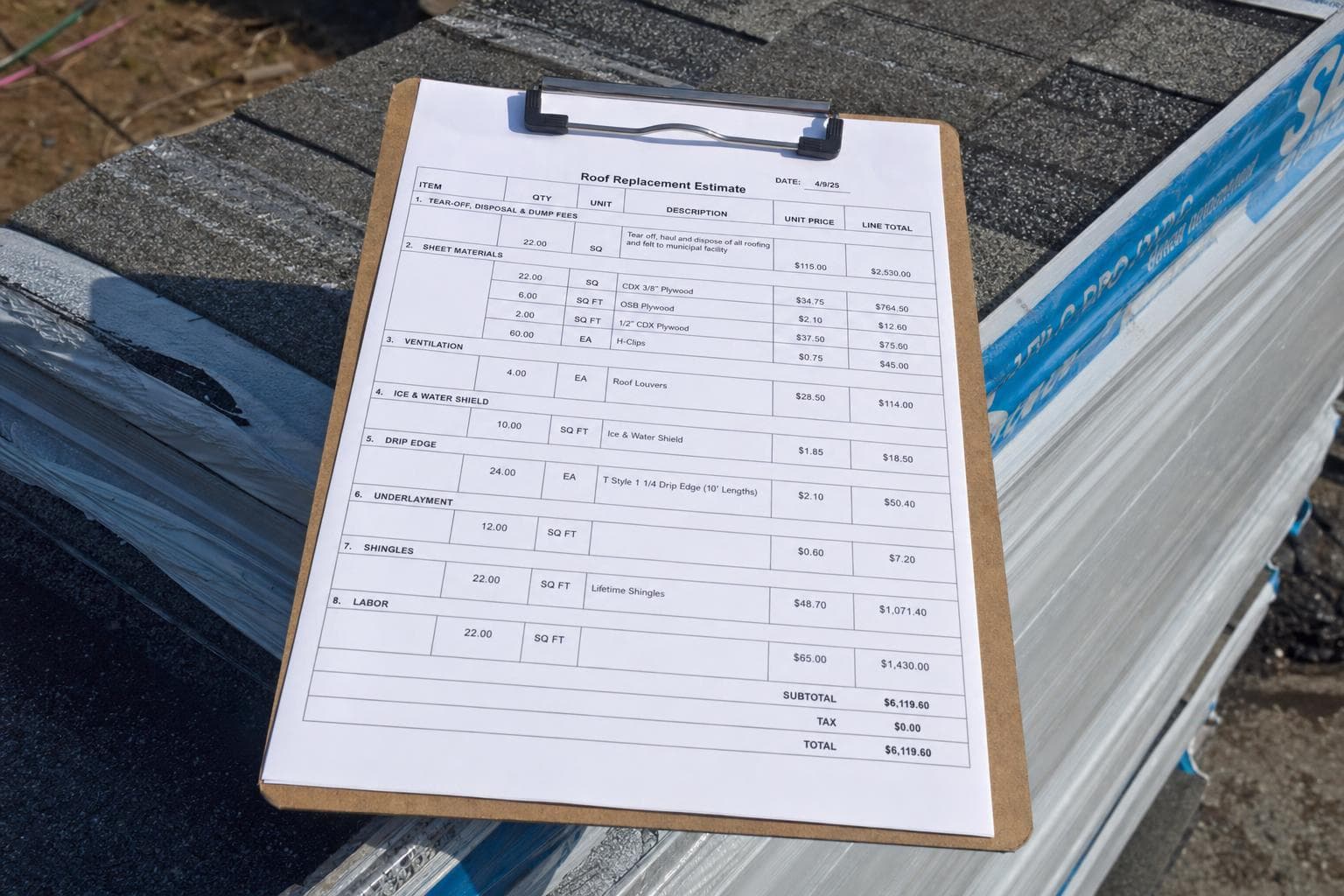
Metal costs much more up front than shingles in current Rhode Island cost data. The numbers are straightforward on a typical 2,000 sq ft roof. For a metal-versus-shingle comparison in Rhode Island, start with current Rhode Island cost data, then test the planning range against a measured proposal that names the complete roof assembly. For a metal-versus-shingle comparison in Rhode Island, require the written schedule to account for roof geometry, access, weather protection, material handling, inspections, and possible deck work.
When lower initial disruption matters to the owner
Shingles are usually the better fit if you expect to move in the near to mid term. The reason is simple: you spend much less up front, and you still get a roof system that can protect the home well when it is installed correctly with the right flashing details. In Rhode Island, common trouble spots are shingle wear, flashing problems, leaks around roof penetrations, ice-related edge damage, and faster aging near the coast where salt air can be harder on exterior materials. Installed price differences for a metal-versus-shingle comparison in Rhode Island vary with roof geometry, assembly details, access, and local labor, so compare complete measured proposals instead of assuming a fixed multiple.
When a serviceable metal system may fit the ownership plan
Metal is often the better fit for a long ownership horizon because it shifts more of your cost to the front end in exchange for fewer replacement-cycle worries. That does not mean metal is the right answer for every house or every budget. It means that if you expect to stay put and you want to make one larger decision instead of a lower-cost decision now, standing seam metal deserves a serious look. In Rhode Island, where wind-driven rain, winter weather, and coastal exposure can wear on roofing materials, that longer-view mindset can make sense.
Talk to a roofer today
Planning ranges, scope details, and a direct path to request a roofing quote.
Where impact-rated shingles fit between the two systems
Yes, for many homeowners, Class 4 shingles are the middle path. They cost more than Class 3, but far less than standing seam metal. They may also help on insurance, depending on your carrier. For a metal-versus-shingle comparison in Rhode Island, treat any impact-resistant roof credit as unconfirmed until the insurer identifies the eligible product, required documentation, premium portion, and amount in writing. The practical move is to ask your insurance carrier whether it offers a discount for a Class 4 rated roof covering, what documentation it wants before you replace the roof, and then confirm your roofer can provide the product information your carrier requires. If you want stronger impact resistance without jumping to metal pricing, Class 4 is often the most balanced option.
What roof problems matter most in Rhode Island?
The biggest issue is not picking a trendy material. It is picking a roof system that holds up to Rhode Island conditions and getting the details right. You need a roof system that can handle year-round moisture, wind-driven rain, winter weather, and temperature swings. After storms, it helps to check for missing shingles, lifted edges, damaged flashing, and water intrusion in the attic or ceilings before small problems spread. Around the coast, salt air can be harder on exterior materials, so faster aging is part of the decision. That matters whether you choose shingles or metal.
What if you are deciding based on repair risk and upkeep?
If you want the lower-cost path when problems are still small, shingles can be easier to live with from a budgeting standpoint. Those facts do not mean every issue is minor, and they do not make one material maintenance-free. They do show why many homeowners stay with shingles. You can often address wear, flashing issues, or storm-related damage before it turns into a full replacement conversation. Metal can still be the stronger long-term choice, but the upfront spend is much higher.
Will insurance cover roof damage in Rhode Island?
Insurance may cover the damage if the cause is a covered peril, but it does not cover every cause of loss. Rhode Island explains that homeowners insurance pays for losses and damages to your home if it is damaged or destroyed by fire, weather, theft, or another covered disaster. State guidance also says you are only covered for a loss caused by a peril your policy covers, and you should review your policy limits and exclusions to understand what damage is excluded. Rhode Island also says, plainly, that homeowners insurance is not flood insurance and does not cover losses from flood. There is no state law in Rhode Island that requires you to purchase flood insurance, but if you have a mortgage, your lender will usually require flood insurance.
How do you choose the right roofer for a Rhode Island roof replacement?
Start by confirming your roofer is properly registered for residential construction work and by getting a clear written scope. Rhode Island draws a line between commercial and residential roofing, and the state's materials explain that residential roofing work falls under contractor registration for residential construction work. A smart first step is to look up your roofer through the state's Search a Registrant/Licensee tools. You can also ask who will perform the work, whether any subcontractors will be used, and for written details on materials, flashing, and cleanup so you can compare one proposal to another clearly.
Build the final Rhode Island decision from two complete scopes
If you want the simplest answer, shingles usually win for shorter ownership horizons and tighter budgets, Class 4 shingles win for many homeowners who want a stronger middle option, and standing seam metal wins for owners who expect to stay long term and are comfortable with a much higher upfront investment. That is the real Rhode Island comparison. It is less about one material being universally better, and more about matching your roof choice to how long you plan to own the home, how much you want to spend now, and how much future replacement risk you want to take on. If you are comparing real numbers for your home, the best next step is to review the Rhode Island cost page and the calculator, then talk with a local roofer you have vetted about slope, flashing details, coastal exposure, and the ownership timeline that makes the math work for you.
Sources
Reviewed technical references for Rhode Island
Related Rhode Island roofing guides
Related services
Updated July 10, 2026
3D Roofs Editorial Team
Editorial Standards