Updated July 10, 2026

3D Roofs Editorial Team
Editorial Standards
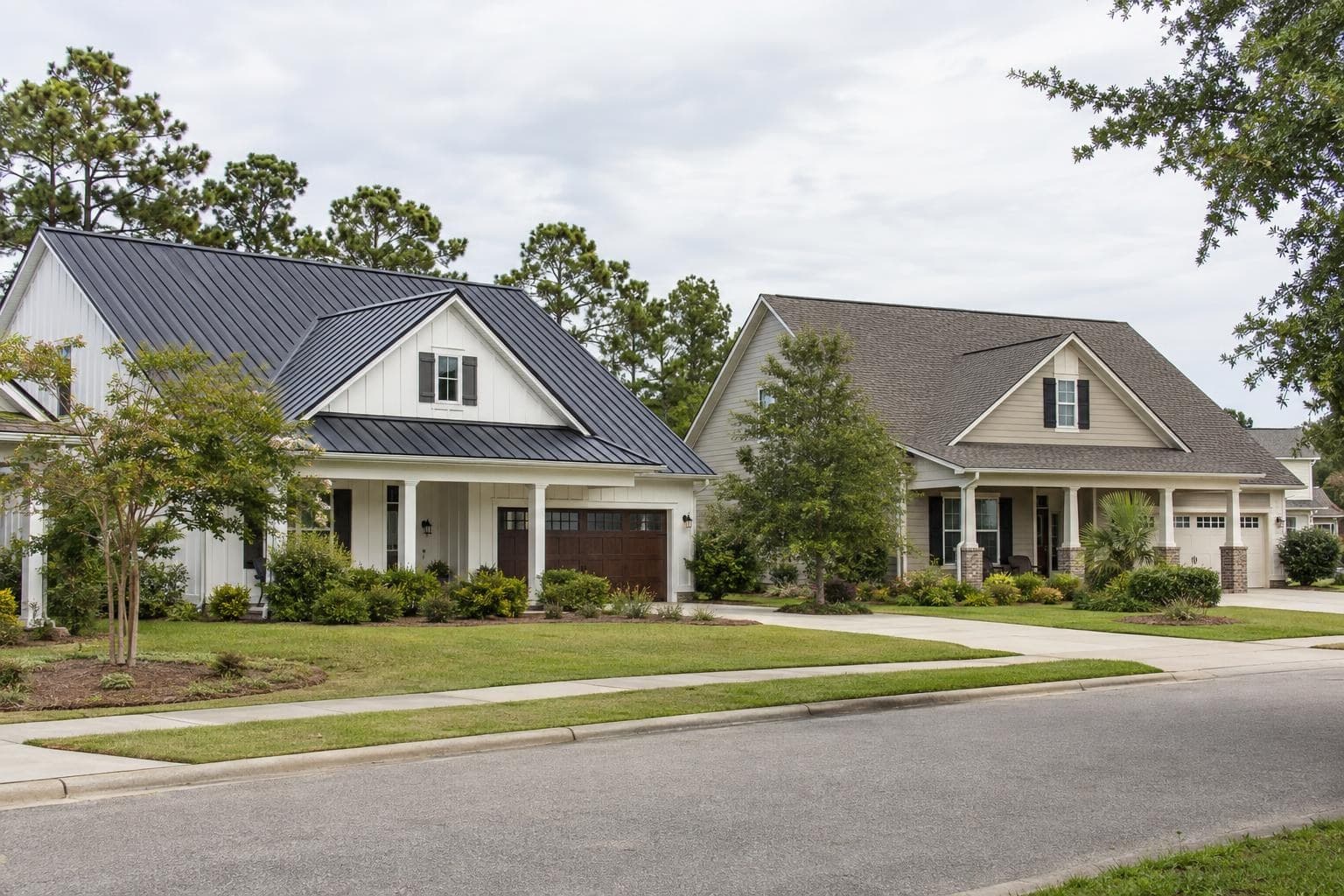
South Carolina's metal-versus-shingle choice changes between exposed coastal properties, inland roofs beneath mature trees, and homes with mixed slopes or complicated drainage. The regional label is only a starting point. Map wind exposure, salt, roof geometry, deck, attic, valleys, penetrations, and previous failures, then compare two complete systems on one measured scope.
The inspection should distinguish the condition of the covering from the condition of flashings, underlayment, deck, attic, and drainage. Record which findings are functional, cosmetic, or still uncertain and identify what must be opened during construction. That baseline gives both contractors the same problem to solve and gives the owner a record for future maintenance or storm inspections.
Translate coast or inland into property details
At the coast, identify open corners, overhangs, salt exposure, roof height, surrounding terrain, and wind-driven-rain paths. Inland, map tree cover, branch risk, debris-filled valleys, and thunderstorm exposure. In either location, ask the contractor to connect the recommended assembly to the specific edges, openings, and drainage paths on the roof.
A proposal should identify the local permit path and the exact installation documents used. If one material requires different substrate, low-slope work, coastal components, or equipment removal, separate those items before comparing the covering totals.
Shingle performance begins with starter and ridge
A shingle system should name the field product, starter, hip and ridge products, underlayment, flashing, edge metal, fasteners, sealant requirements, and ventilation design. Coastal wind claims are incomplete when starter, rakes, hips, and ridges are unspecified. Inland repairs are easier only when matching field and ridge material remains available.
If impact testing matters, ask for the exact UL 2218 product and records. Architectural does not describe an impact class, and Class 4 does not promise no damage. Confirm the carrier's treatment of the exact product before assigning value to a possible credit.
Metal needs salt, movement, and fastener answers
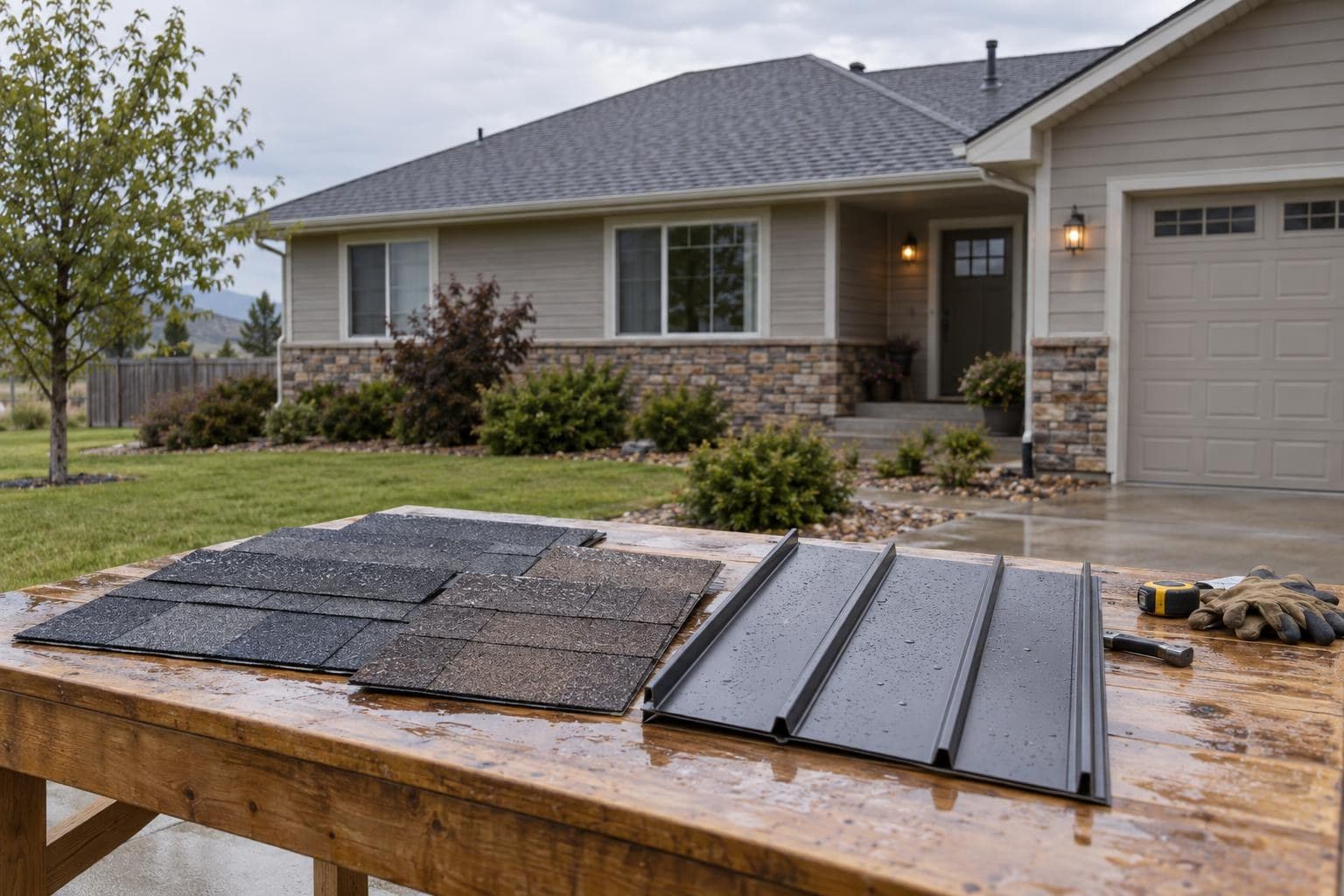
A metal bid should identify panel profile, base metal, thickness or gauge, finish, substrate, underlayment, clips or exposed fasteners, fixed points, seams, edges, penetrations, and thermal movement. Standing-seam and exposed-fastener systems do not share one maintenance plan.
Near salt exposure, obtain written compatibility for panels, fasteners, clips, flashings, cut edges, sealants, and accessories. Inland, tree impacts and complicated geometry may matter more than corrosion. In both settings, ask how one panel is replaced and where matching material is sourced.
Impact and appearance also need separate expectations. Metal may remain watertight while showing dents or finish changes, and shingles can show granule displacement without a confirmed opening. Ask how the contractor documents seams, flashings, fasteners, and the surrounding roof after an impact. Review cosmetic-damage language in the policy and finish warranty before the choice is made, not after a disputed storm inspection.
Talk to a roofer today
Planning ranges, scope details, and a direct path to request a roofing quote.
Wind-driven rain tests layers below either surface
Compare underlayment or membrane, deck preparation, valleys, wall flashings, edges, vents, skylights, and low-slope transitions. The outer covering sheds most water, but the dry-in and flashings control water pushed toward openings or beneath a damaged area.
Require both bidders to trace water from ridge to gutter or drain. Pay special attention to dead valleys, roof-to-wall transitions, porch roofs, parapets, and equipment curbs. A new material cannot compensate for a drainage path that remains unresolved.
Where a porch or addition falls below the permitted slope for the main covering, specify a separate low-slope assembly. Document substrate, insulation, drainage, seams, terminations, and the transition to the steep roof. If the area ponds or contains wet material, require a testing and removal plan instead of treating a new coating as the entire repair.
Compare ownership obligations, not a lifespan slogan
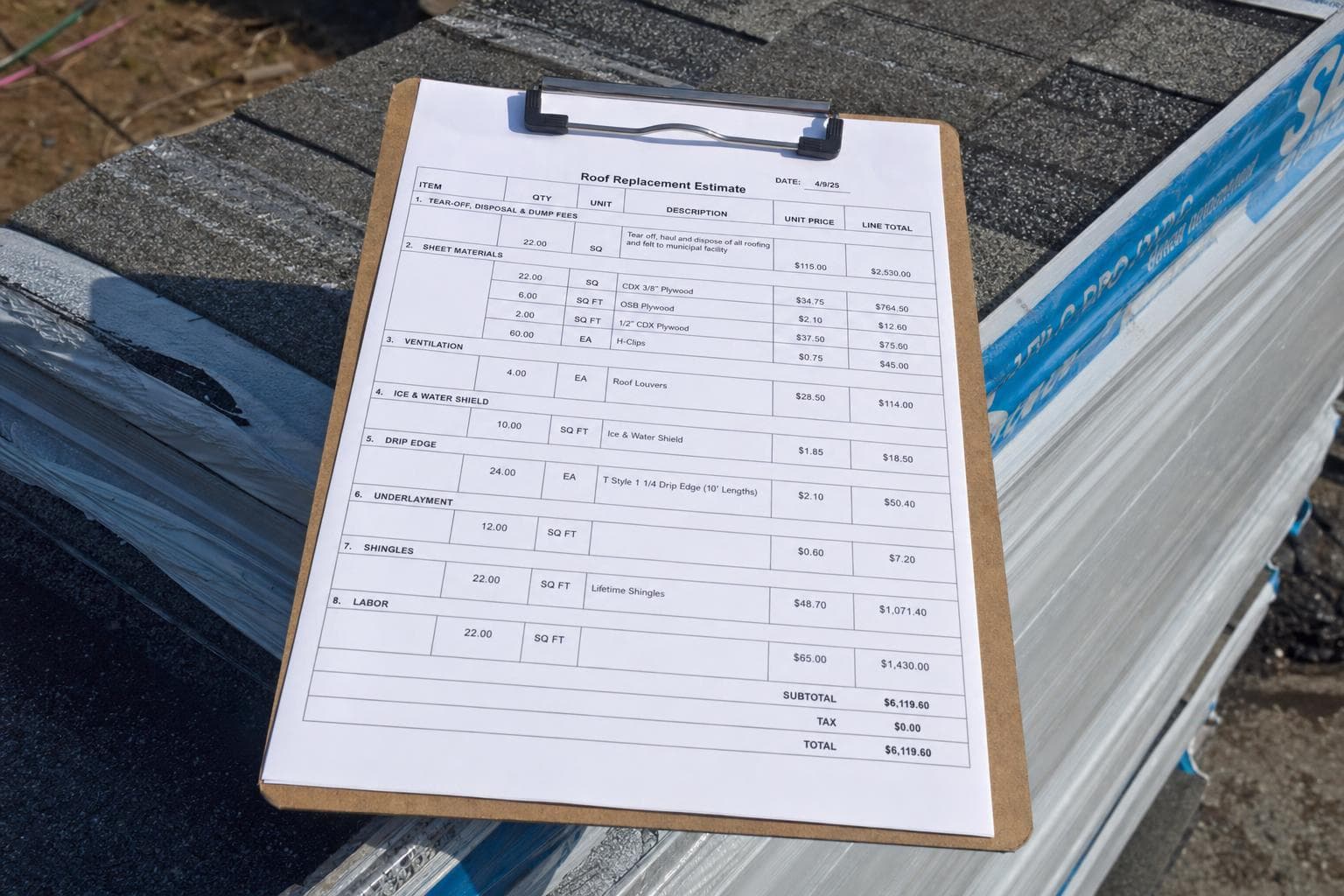
Normalize the measurements, tear-off, deck work, flashings, low slopes, ventilation, permits, disposal, and site protection. Then compare financing, inspections, tree and gutter maintenance, fastener or sealant service, replacement-stock risk, and the owner's likely time in the property. A higher metal total or lower shingle total is only useful after the included work is equal.
Avoid assuming either material follows a fixed replacement interval. Service depends on the installed assembly, exposure, maintenance, repair access, and future storm damage. Ask how a small leak, branch strike, solar addition, or discontinued product would change each roof. These scenarios reveal practical cost more clearly than multiplying an advertised lifespan by a generic price.
Humidity and attic conditions need a separate scope
Inspect ceiling air leakage, insulation, intake and exhaust paths, bath exhaust, ducts, HVAC equipment, and deck staining. Reflective metal and algae-resistant shingles address different limited concerns. Neither proves how the attic moves heat and moisture or where a ceiling stain began.
For a conventional vented attic, require measured intake and exhaust rather than a generic ridge-vent allowance. Unvented or spray-foam assemblies need a different analysis. Identify which enclosure work is included and which requires another trade.
Repairability changes with geometry and storm demand
Shingles can often be opened in a contained area, while long metal panels may require access from an edge or ridge. Upper walls, multiple levels, chimneys, and solar can widen the repair. Ask each bidder to describe a permanent repair and temporary dry-in at the hardest location.
After a regional storm, local stock and crew availability matter. Confirm replacement shingles, ridge products, panel profiles, coils, finishes, fasteners, and sealants. Include tree maintenance, gutter cleaning, approved walking methods, and future equipment work in the ownership comparison.
Insurance and warranties should not be blended
The South Carolina Department of Insurance publishes severe-weather recovery guidance. The carrier and policy decide coverage, deductibles, credits, cosmetic-damage treatment, and claims. The contractor documents roof conditions and prices construction. Keep each answer in its proper document.
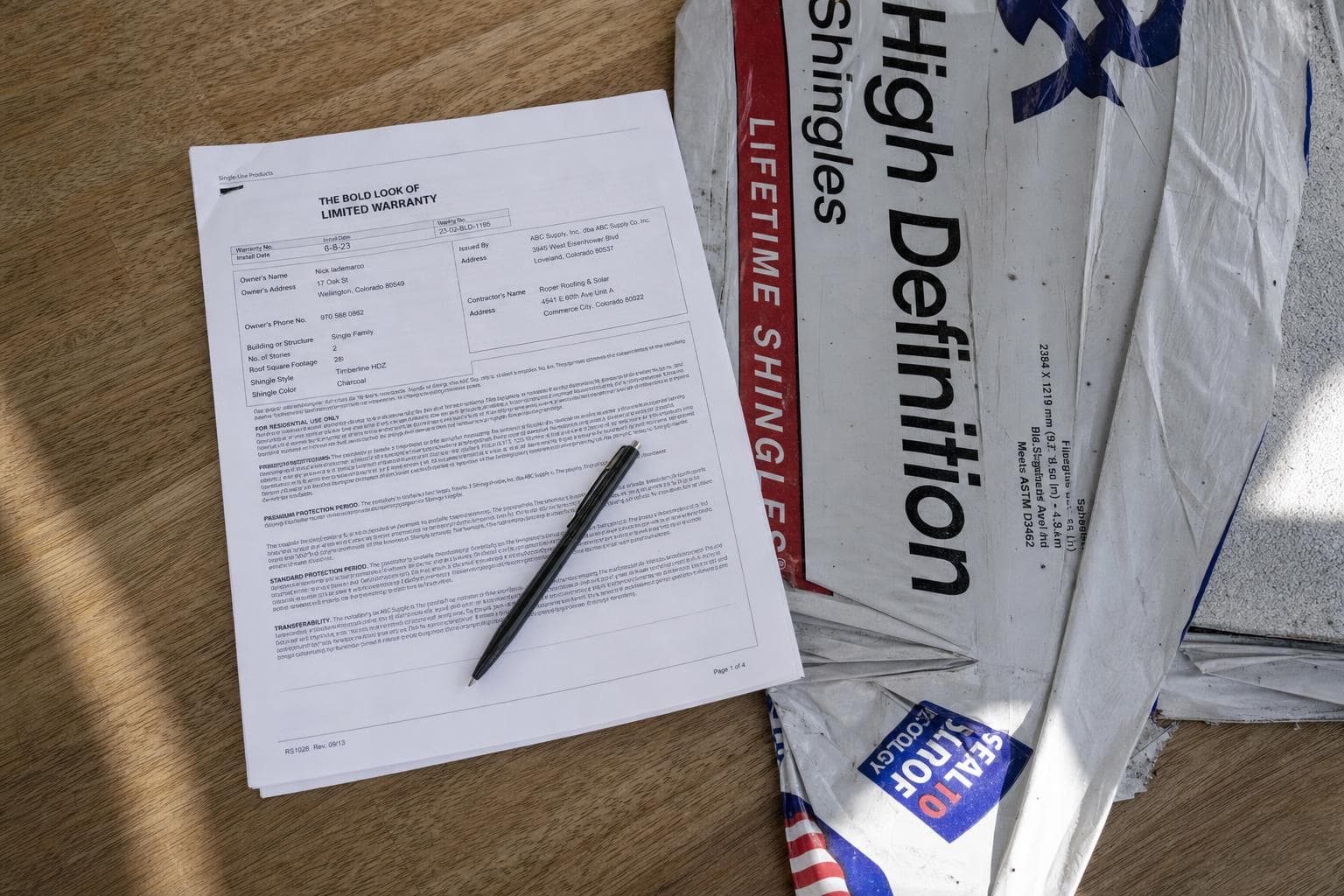
Compare shingle material, wind, algae, and workmanship terms separately from metal panel, finish, weathertightness if offered, fastener, sealant, and workmanship terms. Record maintenance, labor, disposal, transfer, registration, foot-traffic, coastal, and unauthorized-repair exclusions.
Verify registration and normalize the South Carolina bids
South Carolina's Residential Builders Commission publishes residential specialty-contractor registration information. Verify the credential and business that apply, then confirm local permits and inspections. Compare only after both proposals disclose the same roof areas and assumptions.
- Name the shingle or panel, companion products, dry-in, flashings, edges, attachment, and finish.
- Use equal measurements, tear-off, deck repairs, low slopes, ventilation, permits, disposal, and protection.
- Map coastal perimeters, salt components, inland trees, valleys, penetrations, and future repairs.
- Document local stock, impact labels, insurer records, inspection stages, and maintenance.
- Separate product, finish, system, workmanship, and policy documents with all exclusions.
- List registration, change orders, payment terms, completion records, and warranty requirements.
South Carolina does not need one statewide winner. It needs a roof whose components and repair plan fit the property's actual coast or inland exposure.
South Carolina registration and insurance resources
Technical references
- Insurance Institute for Business & Home Safety: Roof 101
- Insurance Institute for Business & Home Safety: RICOWI Roof Guide
- UL Solutions: UL Solutions and IBHS Drive Trust in Residential Roofing Shingles
- Asphalt Roofing Manufacturers Association: Residential Asphalt Roofing Manual: Ventilation Best Practices
- Metal Construction Association: Standing Seam Best Practices: Clips
Related services
Updated July 10, 2026
3D Roofs Editorial Team
Editorial Standards