Updated July 27, 2026

3D Roofs Editorial Team
Editorial Standards
If you are choosing between metal and shingles in Texas, start with your ownership timeline. For many homeowners, shingles win on upfront cost. Metal can make sense if you plan to stay longer and want a different tradeoff on durability and maintenance. In Texas, that decision matters more because roofs here take hard hits from hail, heat, UV, coastal wind, and wind-driven rain, depending on where you live.
Is metal or shingles better for a Texas roof?
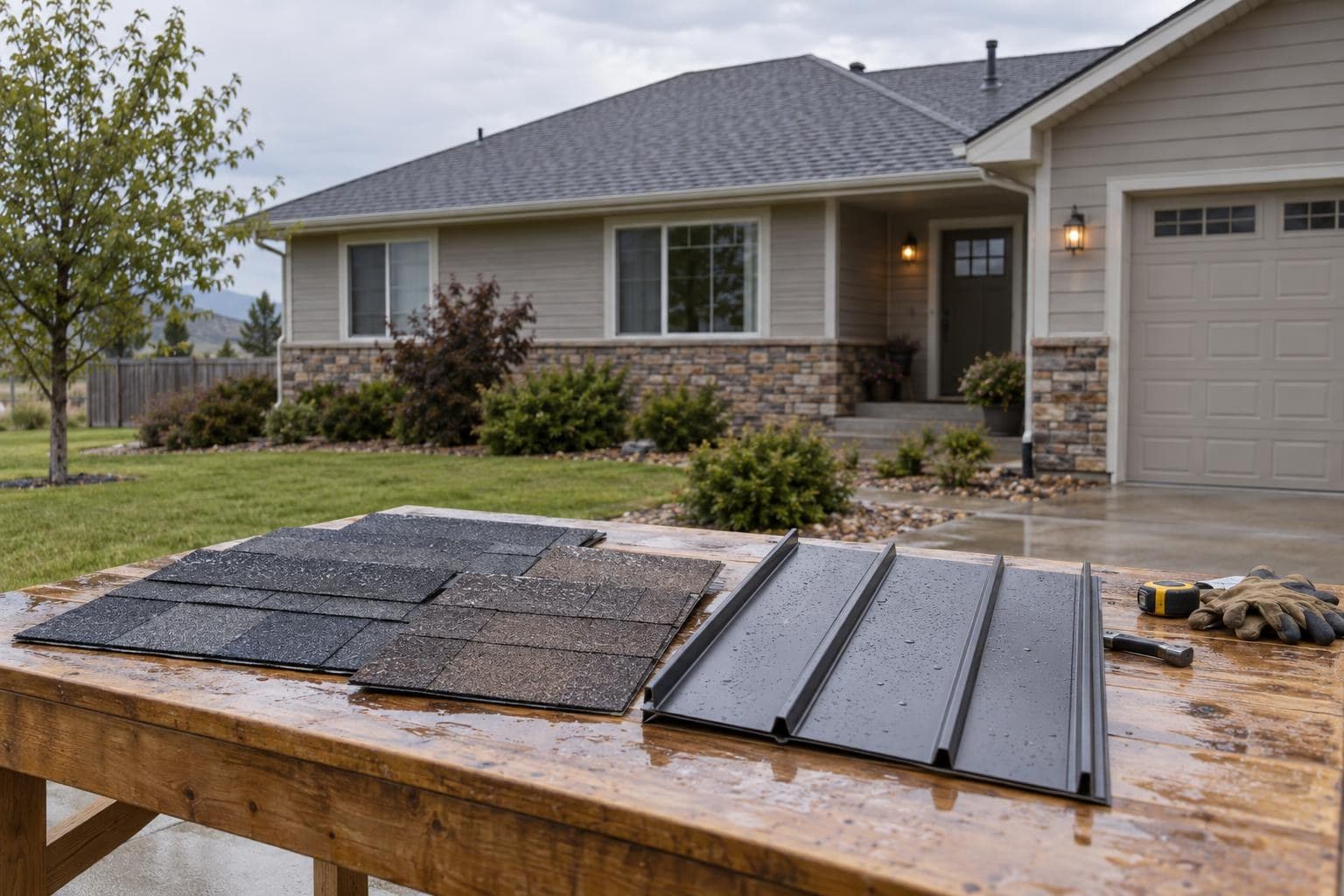
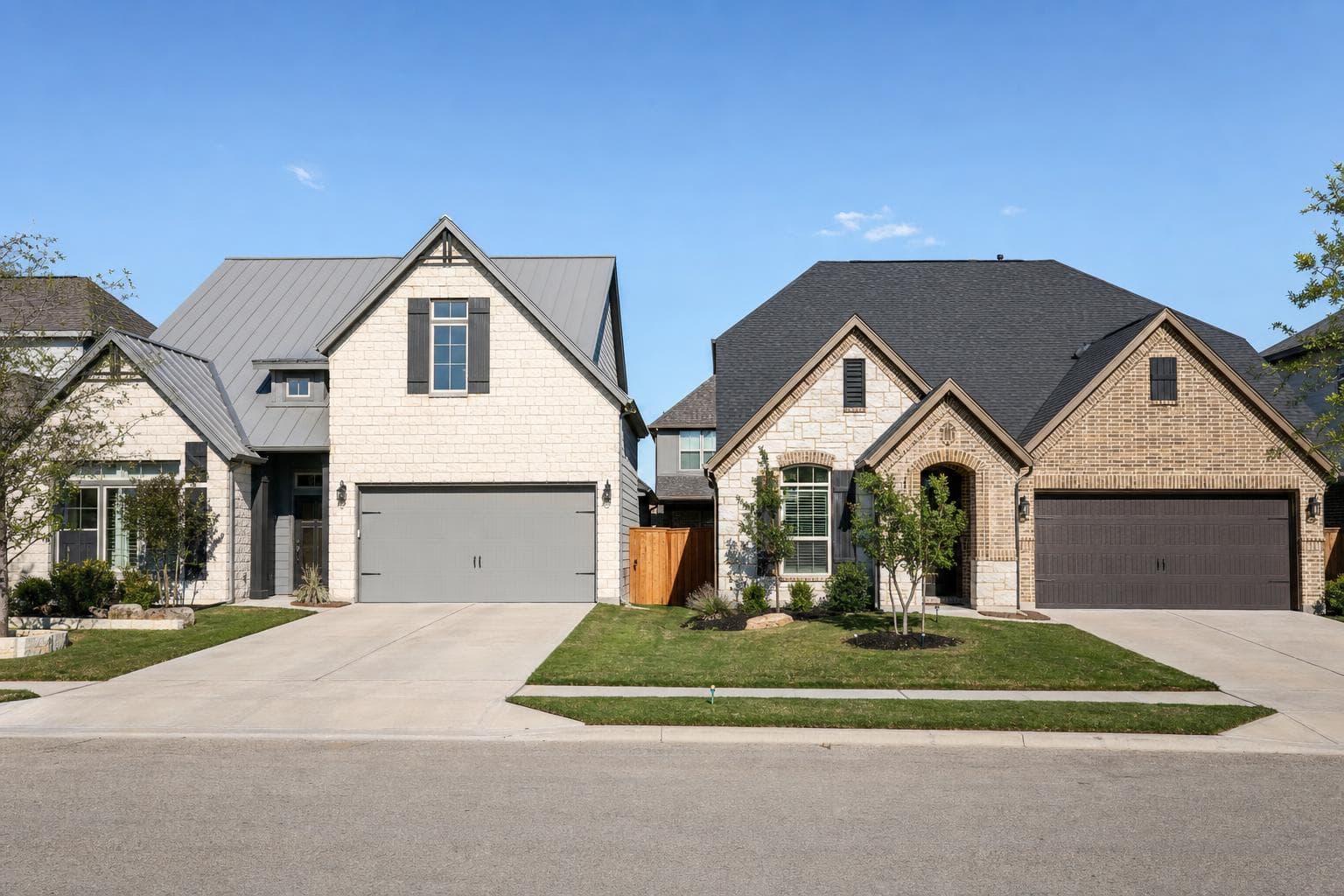
The better roof in Texas is the one that fits your weather and how long you will own the home. In North and Central Texas, hail is often the deciding factor, which is why Class 4 shingles are worth a close look. Across the state, heat and UV age shingles faster than in cooler climates. Along the Gulf coast, wind uplift and wind-driven rain matter just as much as hail. If you want the lower entry price, shingles usually win. If you want to pay more now for a different long-term ownership profile, standing seam metal is the main comparison.
What does a metal roof cost vs shingles in Texas?
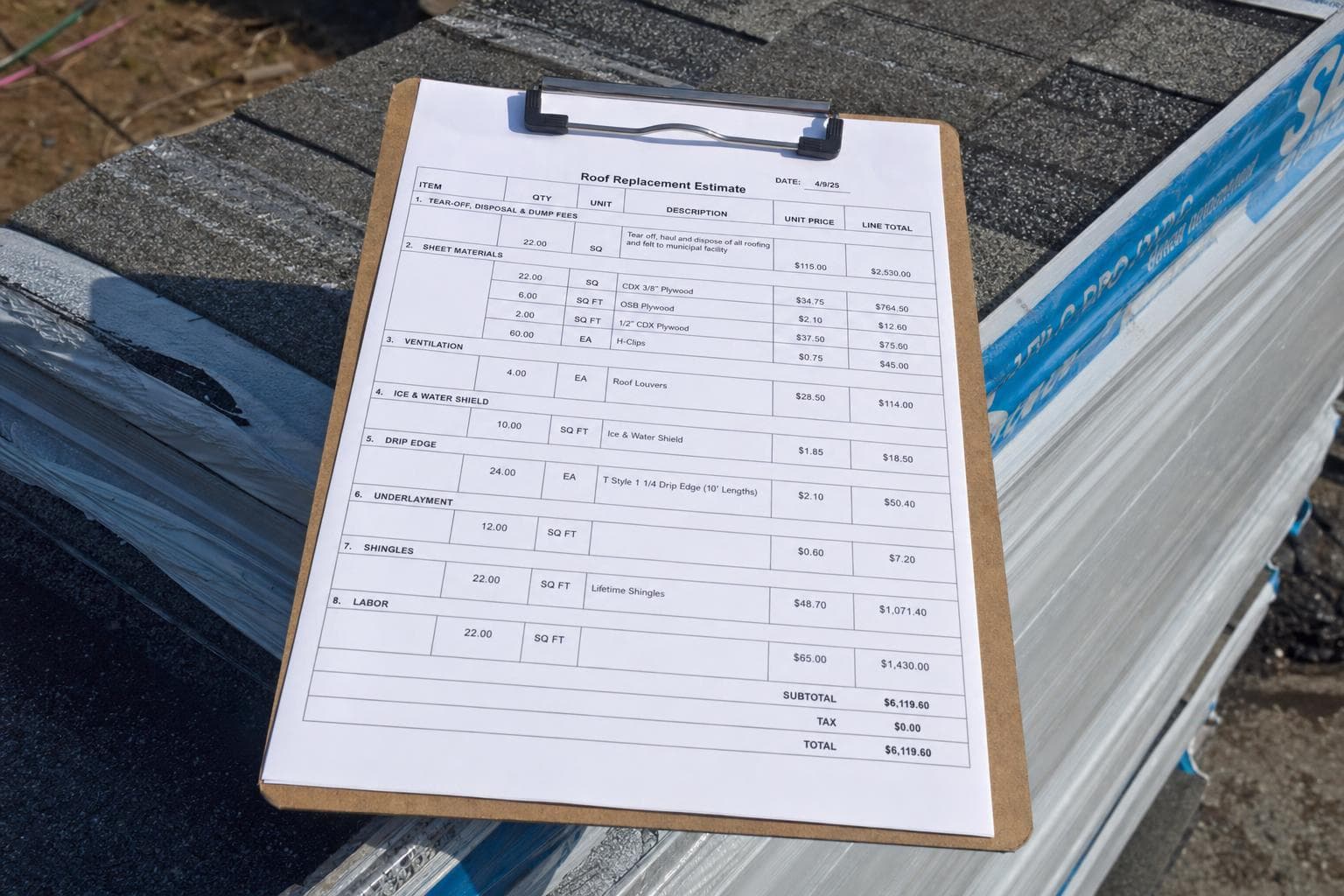
For current Texas planning prices related to metal vs shingle roof, use the cost guide and calculator, then compare the contractor's property-specific written scope. That means metal is a much bigger upfront investment than either shingle option. For metal vs shingle roof in Texas, treat a steep or difficult-to-access roof as a scope variable that the contractor should measure and price explicitly. If you want a wider local view, full pricing lives on the Texas cost page and the calculator.
Which roof is cheaper to own in Texas?
Shingles are cheaper to buy, while metal may be easier to justify only if you expect to own the home long enough for the higher upfront cost to matter less. That means many homeowners still choose shingles because the purchase price gap is so large. The real question is not only which roof costs less today, but which roof fits your storm risk and how often you are willing to deal with repairs or replacement.
Talk to a roofer today
Planning ranges, scope details, and a direct path to request a roofing quote.
Are Class 4 shingles the smart middle ground in Texas?
Yes, for many Texas homeowners, Class 4 shingles are the middle path. They cost more than Class 3, but far less than standing seam metal. They are especially worth comparing if your home has meaningful hail exposure. UL 2218 Class 4 is the highest classification in that impact test, but it does not make a roof damage-proof or establish how a policy treats cosmetic damage. Ask your carrier in writing whether the exact product qualifies for a credit, which part of the premium is affected, and what documentation it requires.
For metal vs shingle roof in Texas, any insurance credit depends on the carrier, policy, address, and exact product; get the amount and documentation requirements from the insurer in writing. That does not mean every policy will, and Texas does not set one statewide credit amount. Even so, for a lot of owners in hail country, Class 4 is where price and protection line up best.
How does Texas weather change the metal vs shingle decision?
Texas weather should drive the choice. North and Central Texas sit in hail country, where spring storms drive granule loss and bruising. Statewide, roofs take a heavy UV and heat load, which ages shingles faster than in cooler climates. Along the Gulf coast, hurricanes and tropical systems add wind uplift and wind-driven rain on top of hail risk. The right roof for your home depends on which of these your area actually sees. If hail is your main threat, compare Class 4 shingles closely. If coastal wind exposure is a major concern, talk through attachment details and system choice with your roofer.
Which roof wins if you plan to move soon?
If you expect to move in the near term, shingles usually win. The reason is simple: the upfront spread between shingles and standing seam metal is large. If your current roof is storm-worn and you need a practical replacement without stretching the budget, shingles are often the cleaner answer.
Which roof wins if you plan to stay a long time?
If you plan to stay for many years, the answer depends on your budget and what headaches you want to avoid. Standing seam metal can make sense for long-term owners who are comfortable with the higher upfront cost and want a different ownership profile than shingles. But in Texas, long-term owners should not skip Class 4 just because metal is available. For many households, Class 4 is still the better balance between initial cost and storm readiness.
What should you know about insurance claims and roof sales in Texas?
Two sales pitches should put you on guard right away. First, your roofer cannot pay your deductible, and should not offer to. In Texas it is a crime for a contractor to waive, rebate, or absorb your insurance deductible (Business and Commerce Code Sec. 27.02). Texas insurance-claim roofing contracts must state in writing that you are responsible for paying the deductible. A roofer pitching a free roof by eating your deductible is breaking the law.
Second, the roofer doing the work cannot also be your claims adjuster. Texas law (Insurance Code Sec. 4102.163) bars a contractor from acting as a public adjuster, negotiating or settling your claim, on a job they are also doing. The Texas Supreme Court upheld this in 2024. If a roofer offers to handle the whole claim with your insurance company, that crosses a legal line. Your insurer is also on a clock. Hail and wind claims fall under Insurance Code Chapter 542A (from HB 1774). Your insurer generally has to accept or reject the claim within 15 business days of getting everything it needs to finalize the loss, with a possible extension, and a little more time after a declared catastrophe. If a weather claim ever heads to court, you have to give the insurer written notice at least 61 days first.
How do you choose the right roofer for a metal or shingle roof in Texas?
Focus on what you can actually verify. Texas does not issue a statewide roofing license, so licensed roofer means little here on its own. Ask for a written scope that spells out tear-off, decking, underlayment, flashing, ventilation, and cleanup. Look for a real local track record and references, plus manufacturer certifications. When you are comparing bids, make sure both systems are being quoted with clear scope details so you are not comparing a complete roof on one estimate against missing line items on another.
So, should you choose metal or shingles in Texas?
For most Texas homeowners, the answer is shingles first, then decide whether Class 3 or Class 4 fits your weather and budget. Class 3 is the lower-cost path. Standing seam metal is the premium option, and it fits best if you plan to stay long term and are comfortable with the much higher upfront cost. If you want to compare your home more closely, check the Texas cost page for local pricing and use the calculator to pressure-test the numbers for your roof.
Sources reviewed
- Texas Dept. of Insurance (impact-resistant roof discounts)
- Texas Department of Insurance: Roofing and Insurance: Know the Law
- UL Solutions: UL Solutions and IBHS Drive Trust in Residential Roofing Shingles
- Asphalt Roofing Manufacturers Association: Residential Asphalt Roofing Manual: Ventilation Best Practices
- Insurance Institute for Business & Home Safety: Natural Weathering and Hazard Exposure
Plan with current pricing
Related services
Updated July 27, 2026
3D Roofs Editorial Team
Editorial Standards