Updated July 10, 2026

3D Roofs Editorial Team
Editorial Standards
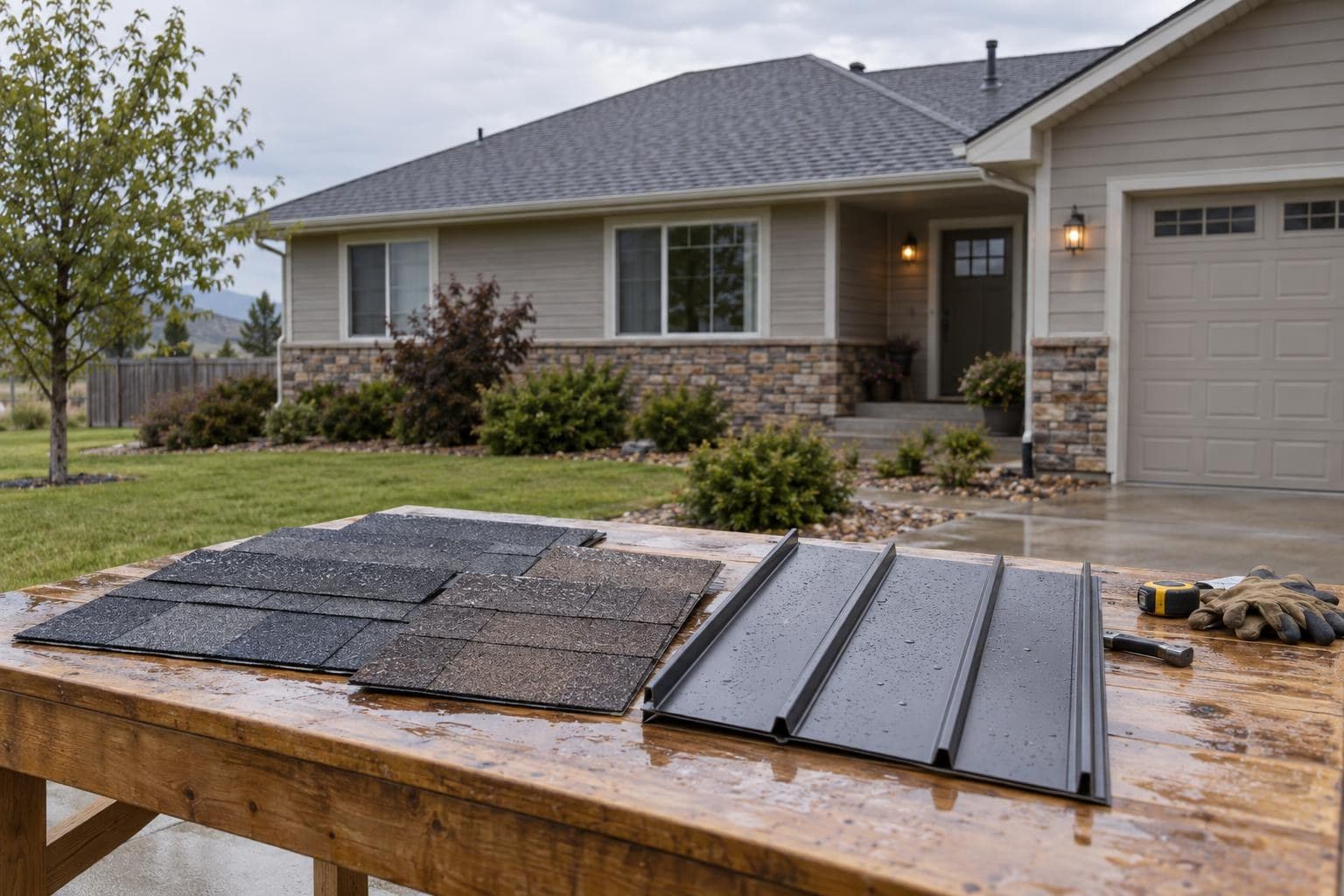
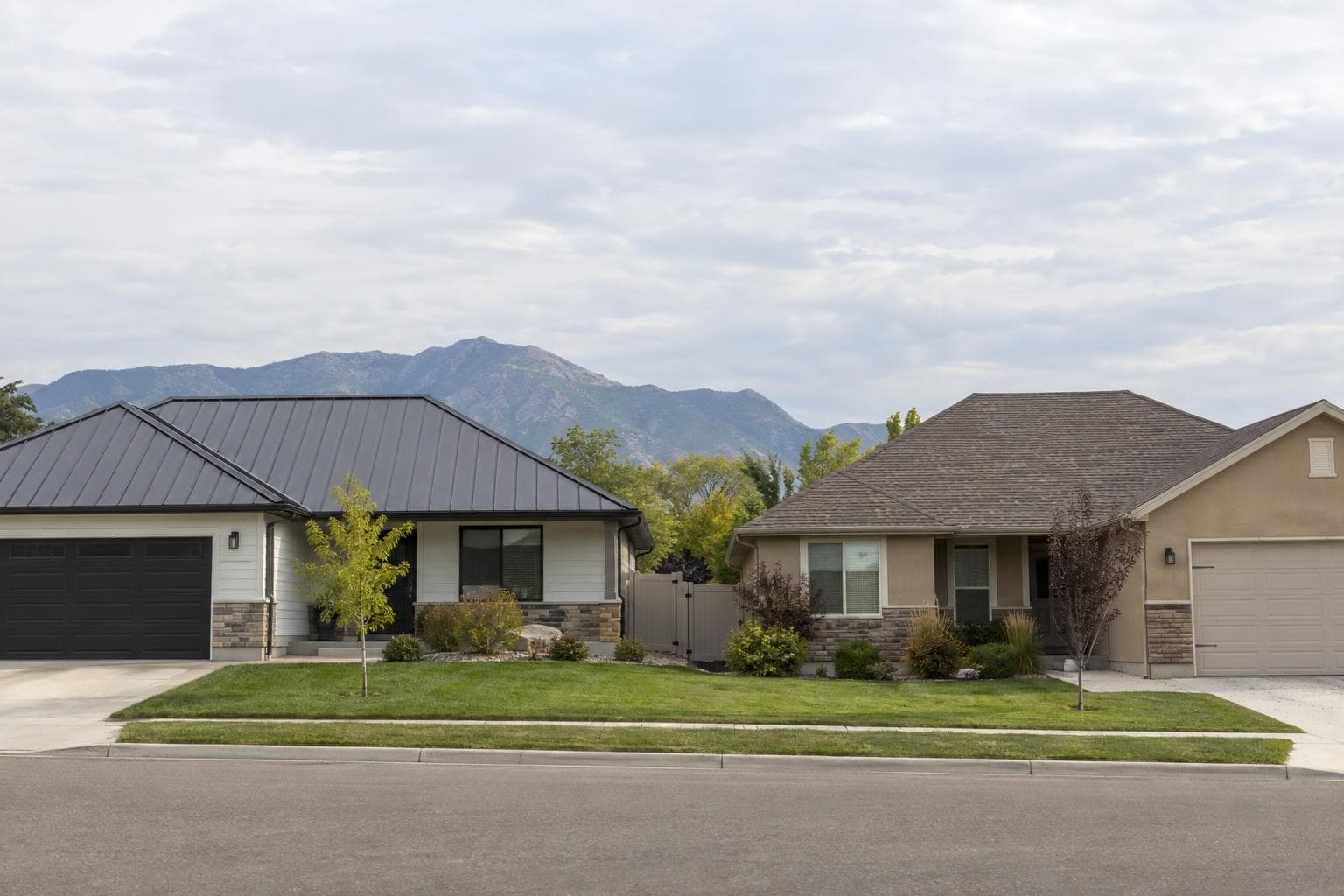
If you want the short answer, shingles usually win on upfront cost, while metal can make sense if you plan to stay long term and want a premium roof system. For an early budget on a metal-versus-shingle comparison in Utah, compare the Utah cost page with a proposal that identifies measurements, products, accessories, and exclusions. For many homeowners, the real choice is not just metal vs shingles. It is often Class 3 vs Class 4 shingles vs standing seam, based on your budget, storm concerns, and owner horizon.
Compare measured metal and shingle scopes in Utah
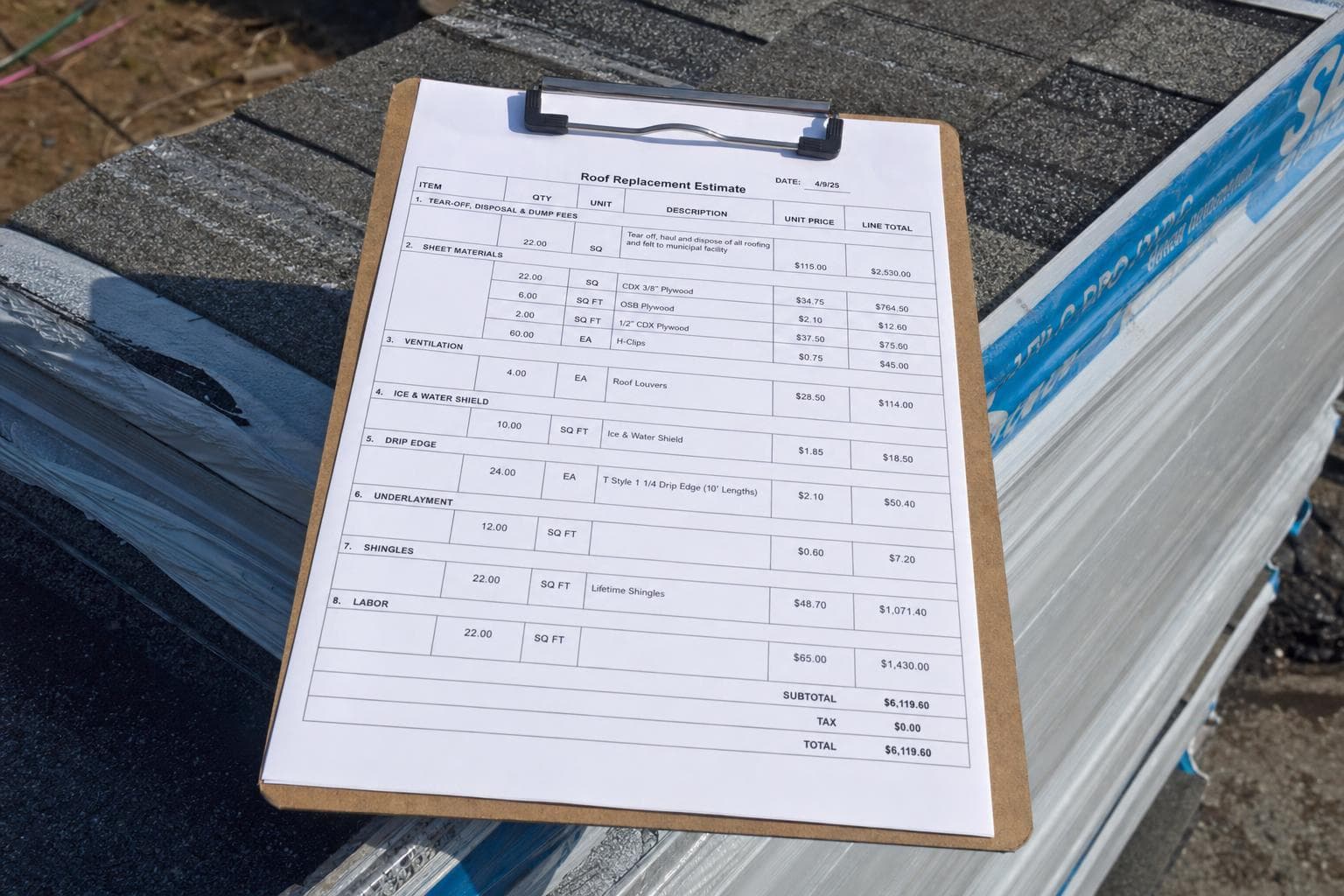
Metal costs much more upfront in Utah. Installed price differences for a metal-versus-shingle comparison in Utah vary with roof geometry, assembly details, access, and local labor, so compare complete measured proposals instead of assuming a fixed multiple. The proposal for a metal-versus-shingle comparison in Utah should price steep-slope access and slower material handling directly instead of hiding them in a standard percentage. If you want deeper local pricing detail by roof size and material, check the Utah cost page and the calculator.
Which roof gives you the better value in Utah?
For most homeowners, Class 4 shingles give the best balance of price and protection. They cost more than Class 3, but the jump is still far smaller than moving to standing seam metal. In Utah, your roof can take stress from wind, wind-driven rain, falling branches or trees, heavy snow weight, ice, freeze-thaw cycles, and long periods of sun exposure. Because of that mix, many homeowners look at impact resistance first, then compare whether the added cost of metal really matches how long they expect to own the home.
Is metal roofing worth it if you only plan to stay a few years?
Usually, no. If you expect to move in the near to mid term, the lower upfront cost of shingles is often the more practical choice. Class 3 keeps your replacement cost down the most. Class 4 can be the smarter middle ground if you want stronger impact resistance and may qualify for an insurance discount. When comparing a metal-versus-shingle comparison in Utah, use a written insurer response rather than a sales estimate for any impact-resistant roof credit. In Utah, the key step is to ask your insurer whether it offers a discount for a Class 4 impact-resistant roof, and confirm your exact product paperwork before you count on any savings.
Talk to a roofer today
Planning ranges, scope details, and a direct path to request a roofing quote.
When a serviceable metal system may fit the ownership plan
It can be, if you are comfortable with the upfront spend. A long owner horizon is where standing seam starts to make more sense, because you are more likely to value the longer service life tradeoff and the premium finish over time. If that spread would strain your budget, Class 4 shingles are often the more realistic long-term choice because they give you upgraded impact resistance without pushing you into metal pricing.
What roof handles Utah weather better?
The best answer depends on which threat worries you most. Utah roofs can face wind, wind-driven rain, heavy snow weight, ice, freeze-thaw cycles, falling branches or trees, and long sun exposure. Class 4 shingles are built for stronger impact resistance than Class 3, which is why they are worth a close look in storm-prone areas. Standing seam metal is also a strong premium option, but it comes with a much higher entry cost. If you want the best value against Utah weather without paying metal prices, Class 4 is often the practical answer.
What should you know about insurance claims and repairs in Utah?
Document damage fast, make temporary repairs to prevent more damage, and wait on permanent repairs until inspection and agreement. The Utah Insurance Department says home claims information for Utah includes laws on "Timely payment of claims" and "Unfair claim settlement practices." It also lists Rule R590-190, "Unfair Property, Liability and Title Claims Settlement Practices," and says this includes homeowner policies. If your claim starts to stall or the handling seems off, you have state-backed standards to point to and you can contact the Utah Insurance Department for assistance. The department also tells homeowners to make repairs necessary to prevent further damage, such as covering broken windows, leaking roofs, and damaged walls. It also says, "Do not have permanent repairs made until your insurance company has inspected the property and you have reached an agreement on the cost of repairs." Save receipts, including temporary repair receipts covered by your policy.
Can Utah homeowners get premium protection if a claim goes sideways?
Yes, Utah does list claim-related protections homeowners should know about. The Utah Insurance Department lists "31A-19a-212 Premium increases prohibited for certain claims or inquiries" as part of its home claims information for Utah. That means Utah identifies protections tied to certain claims or inquiries, even though the page says the listed laws are not meant to be inclusive of all claims-related statutes. If you have a dispute with your insurer about the amount or terms of the claim settlement, the Utah Insurance Department says you can contact the department for assistance. The department also says it does not have the authority of a court to settle disputes of unwilling parties, or to order or enforce payment of individual claims, but that many problems are successfully resolved during its regulatory investigation.
How do you choose the right roofer in Utah after storm damage?
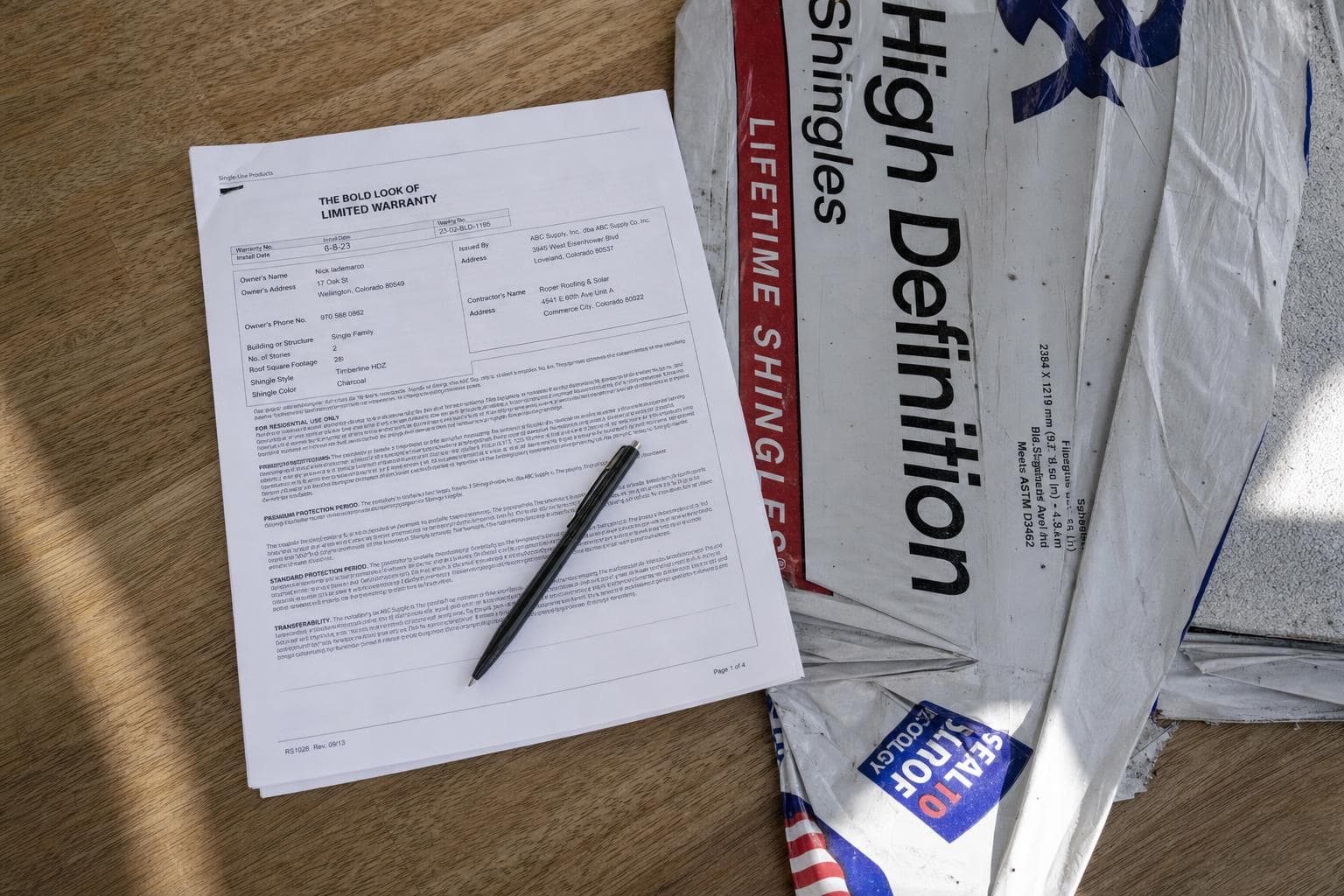
Start with the basics and slow the process down. In Utah, start by confirming your roofer holds the right Utah contractor license and use the state verify-a-license tool. Then compare written estimates and read every document before you sign. The Utah Insurance Department warns you to be wary of door-to-door roof inspection offers after a storm, out-of-state contractors approaching you after disasters, pressure to quickly sign electronic documents, especially Assignment of Benefit forms, and requests for upfront payment. It also tells homeowners to get at least three written estimates, work with the insurer, and require copies of invoices sent to the insurer. The schedule for a metal-versus-shingle comparison in Utah should explain access, material staging, weather protection, inspections, and the process for discovered deck work.
Build the final Utah decision from two complete scopes
- Choose Class 4 shingles if you want the strongest value for many Utah homeowners: better impact resistance than basic shingles, a smaller jump in price than metal, and a possible policy-specific premium credit.
- Choose caution after storms no matter which material you have: document damage, do temporary dry-in work, save receipts, and wait on permanent repairs until your insurer inspects and you reach agreement on cost.
- Choose your roofer carefully: verify Utah license status, compare at least three written estimates, and read everything before you sign.
If you are still deciding, the simplest rule is this: short horizon usually points to shingles, long horizon can justify metal, and the middle ground often belongs to Class 4. For many Utah homeowners, that middle option is the one that best matches the climate, the price gap, and the insurance angle. For a closer material-by-material comparison for your home, use the calculator and review the full local pricing on the Utah cost page.
Sources
Reviewed technical references for Utah
Related Utah roofing guides
Related services
Updated July 10, 2026
3D Roofs Editorial Team
Editorial Standards