Updated July 27, 2026

3D Roofs Editorial Team
Editorial Standards
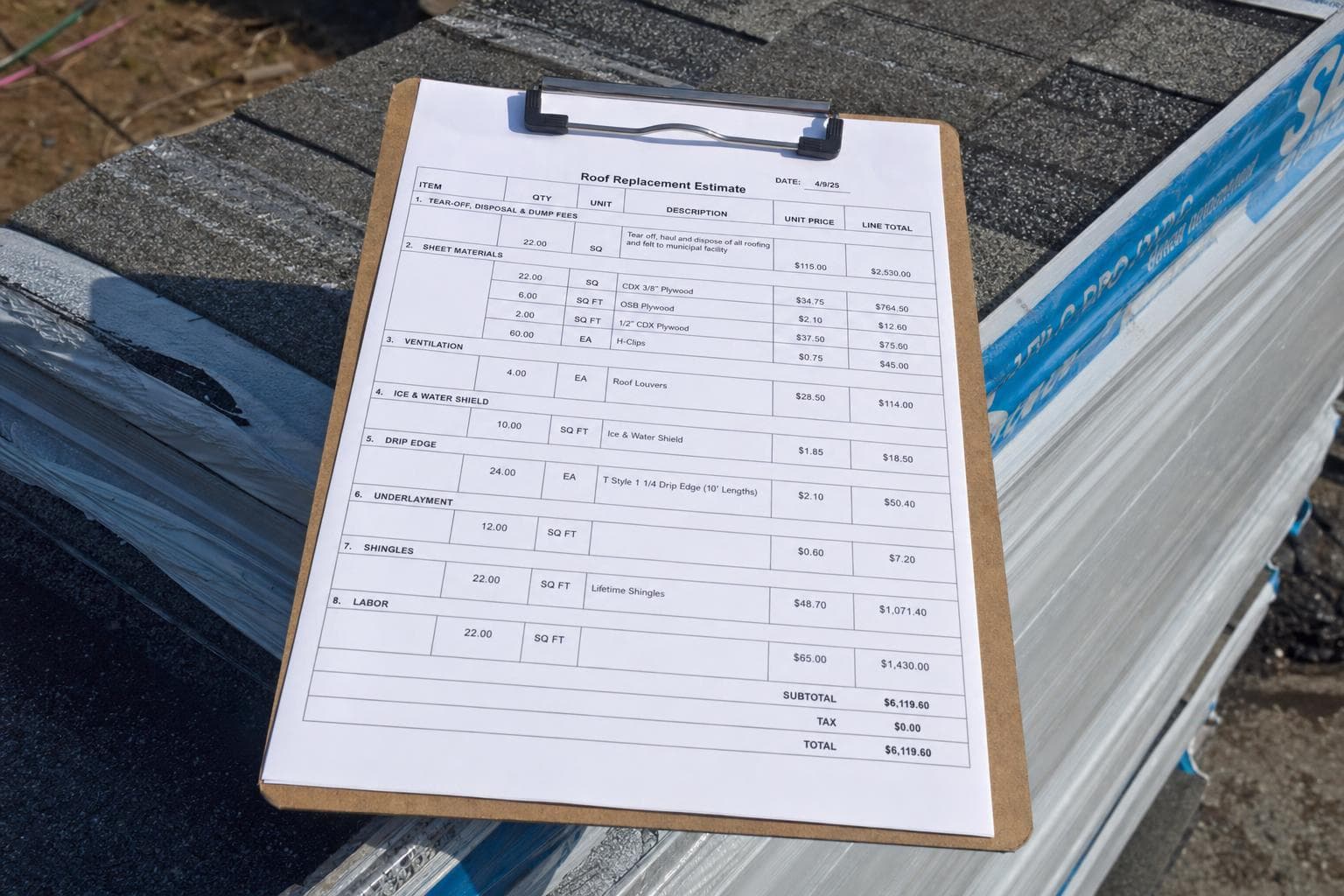
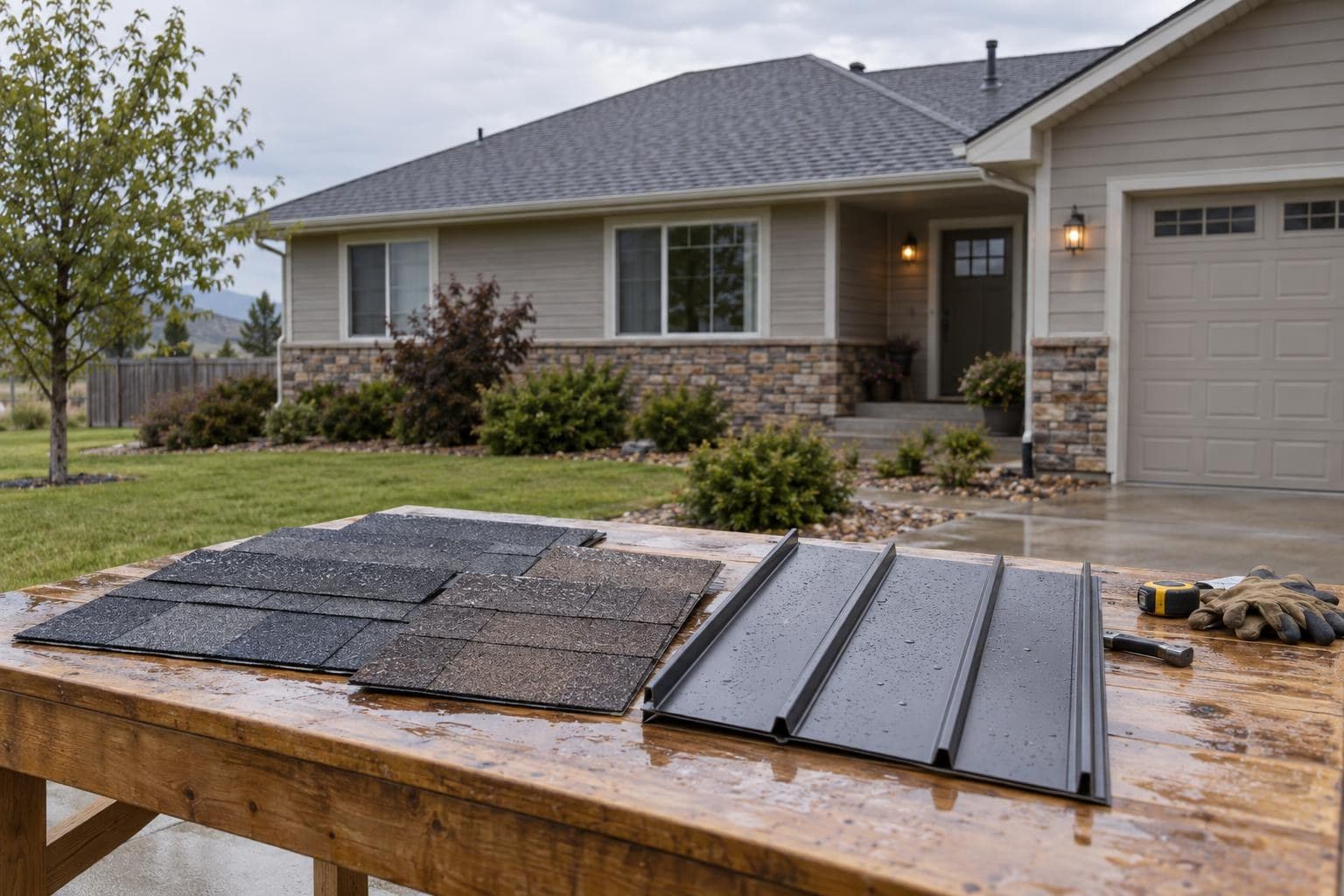
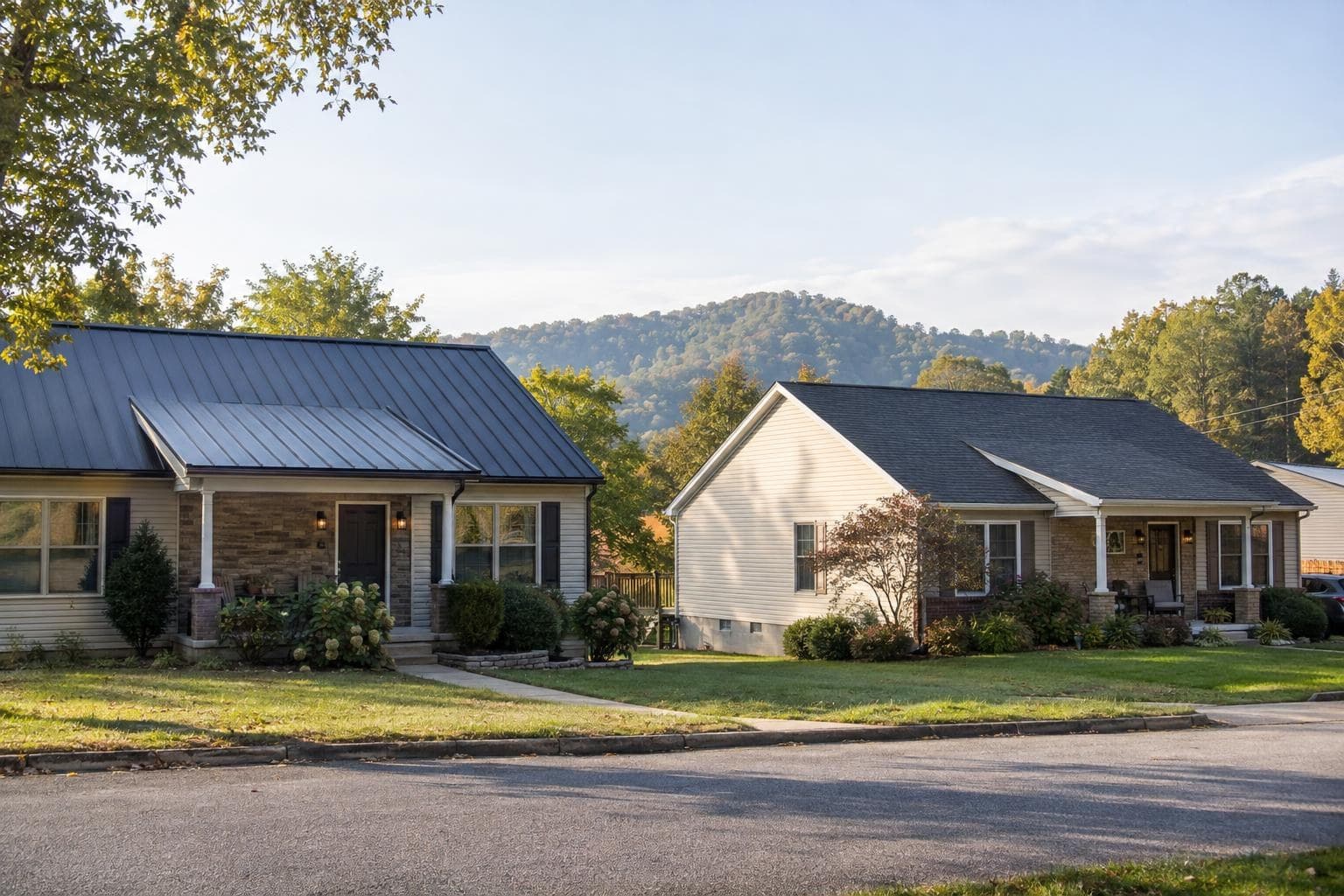
If you want the short answer, shingles usually win on upfront cost, and metal usually wins on long-term ownership. Check current West Virginia cost data for a metal-versus-shingle comparison in West Virginia, then replace the range with an assembly-specific proposal based on measured conditions. That means metal costs far more at the start, while upgraded shingles can give you a middle ground if you want better impact resistance without jumping all the way to standing seam.
Compare measured metal and shingle scopes in West Virginia
A lot more, and that price gap is the first filter for most homeowners. Before approving a metal-versus-shingle comparison in West Virginia, have the bidder connect timing to roof complexity, crew access, material handling, weather, inspections, and concealed conditions. If you are trying to keep the project affordable now, shingles are the easier path. If you are comparing full local numbers by roof size and material, the West Virginia cost page and the calculator are the best places to keep digging.
Which roof handles West Virginia weather better?
For raw durability, metal has the edge, but the best value answer is more nuanced. Your roof in West Virginia has to handle frequent moisture, freeze-thaw cycles, snow load in winter, and wind-driven rain during storms. Those conditions can show up as lifted shingles, granule loss, flashing leaks, ice-related damage around eaves, and faster wear around chimneys, valleys, and vents. In lower-slope or shaded areas, lingering moisture can also make drainage and ventilation more important. Standing seam metal generally gives you a tougher surface against moisture and weather exposure. Still, Class 4 shingles can be a strong fit if you want added impact resistance and a lower entry price than metal.
Where impact-rated shingles fit between the two systems
Yes, for many owners, Class 4 shingles are the practical middle option. They cost more than Class 3, but much less than standing seam metal. In many cases, that upgrade buys you a roof that may better fit storm-focused buyers who want stronger impact resistance without doubling the project cost. A Class 4 rating does not establish a policy credit in West Virginia; the carrier and policy determine eligibility, documentation, and savings. If you are considering impact-resistant shingles, ask your carrier whether it offers a discount for a Class 4 rated roof and what documentation it requires. Discounts and underwriting rules are set by the carrier, so you should confirm eligibility before you buy. If you move forward, your roofer can help you gather the product information your carrier asks for.
Talk to a roofer today
Planning ranges, scope details, and a direct path to request a roofing quote.
When lower initial disruption matters to the owner
Shingles usually make more sense if your ownership horizon is short. A new shingle roof can solve the immediate problem, improve appearance, and avoid overcommitting cash to a house you may not keep long. If you want a stronger resale story than basic shingles, Class 4 can be the smarter short-to-medium-term play.
When a serviceable metal system may fit the ownership plan
Metal usually wins if you plan to stay put for a long time and you can handle the higher upfront cost. West Virginia weather is hard on roofs, especially where moisture lingers or winter conditions stress eaves, valleys, and flashing details. Over a longer ownership horizon, many homeowners prefer paying more once for a roofing system built around durability. If your budget does not stretch that far, Class 4 shingles are the next-best fit for many long-term owners because they improve the roof without pushing the price into metal territory.
What about repairs, maintenance, and disruption?
That matters if your current roof still has some life left and you are deciding whether to repair now or replace now. If the roof has isolated trouble spots, a repair may buy time. If you already have widespread wear, repeated leaks, or storm-related damage in multiple areas, replacement may be the cleaner financial move. Material choice matters here too: if you are replacing because West Virginia conditions keep exposing weak points, it may be worth stepping up from basic shingles to Class 4 or metal.
Does insurance change the metal vs. shingle decision?
Yes, especially if you are weighing Class 4 shingles. Just confirm the details before you buy. If you run into claim handling problems, West Virginia's Property and Casualty Consumer Services Unit helps consumers with homeowners insurance questions and concerns. The office says it can help with insurance complaints involving sales and policyholder services, premium rates and refunds, cancellations and non-renewals, and claim delays and denials. If you file a complaint, state guidance says you will receive an acknowledgement letter with the file number and the name of your complaint specialist, and the complaint will be forwarded to the appropriate parties. Check the current complaint instructions and processing information with the West Virginia Offices of the Insurance Commissioner before relying on a timeline.
What should you do before hiring a roofer in West Virginia?
Start by confirming the exact business name your roofer uses for state records, then check the public contractor license search and keep copies of the contract, scope, and any claim correspondence. If a dispute comes up over contractor conduct, you can use the Contractor Licensing Board complaint process. If the dispute is with your homeowners carrier, use the insurance complaint process through the state insurance office. If you cannot secure property insurance in the voluntary market, state guidance says the West Virginia FAIR Plan began operating in 1986 to make basic property insurance available to persons with an insurable interest in real or tangible personal property located in West Virginia who have been unable to secure such insurance from the voluntary insurance market.
Build the final West Virginia decision from two complete scopes
- Choose Class 3 shingles if your main goal is the lowest upfront cost.
- Choose Class 4 shingles if you want a stronger balance of price and storm-focused performance, and you want to ask your carrier about possible premium discounts.
- Choose standing seam metal if this is your long-term house, you want a more durable system for West Virginia weather, and the upfront price fits your budget.
- If you are still comparing roof sizes, pitches, and material costs, check the West Virginia cost page and the calculator for the full local pricing view.
Sources
Reviewed technical references for West Virginia
Related West Virginia roofing guides
Related services
Updated July 27, 2026
3D Roofs Editorial Team
Editorial Standards