Updated July 10, 2026

3D Roofs Editorial Team
Editorial Standards
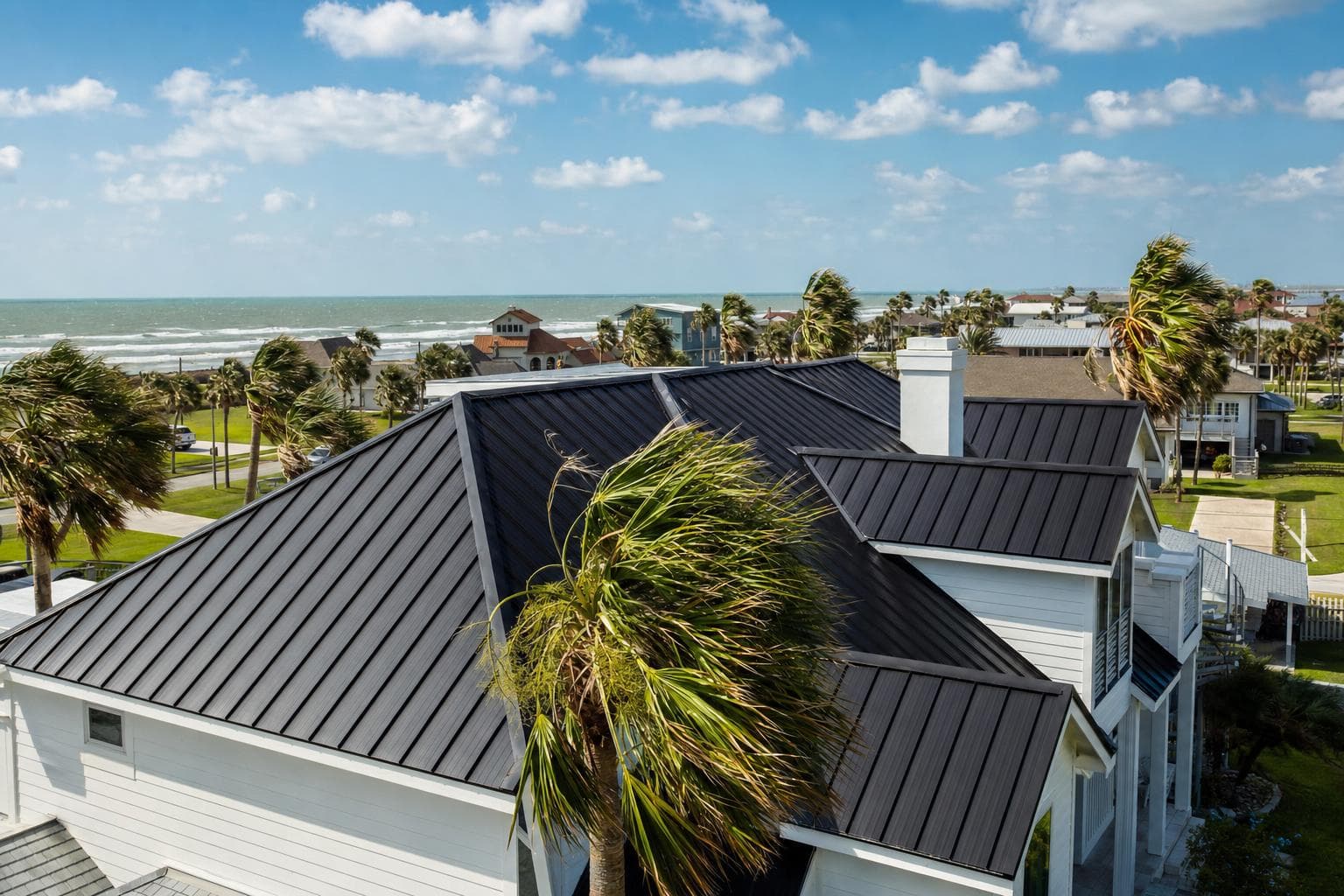
If you own a home on the Texas coast, you have probably heard a roofer or insurer say 'WPI-8.' It sounds like bureaucratic alphabet soup, but for coastal homeowners it is the difference between keeping and losing your windstorm coverage after a re-roof. Here is what it actually is.
What a WPI-8 certificate is
A WPI-8 is a Certificate of Compliance issued through the Texas windstorm inspection program. It confirms that a structure, or in this case a new roof, was inspected and meets the state's windstorm building requirements for the coast. Think of it as proof your roof was built to stand up to coastal wind.
Why it matters for TWIA coverage
In the 14 first-tier coastal counties, wind and hail are often insured through the Texas Windstorm Insurance Association (TWIA), the insurer of last resort for the coast. To keep that TWIA wind and hail coverage, a re-roof or roof repair generally has to be inspected and certified with a WPI-8. Skip it, and your wind and hail coverage can be at risk exactly when you need it most.
TWIA covers wind and hail only
One thing coastal homeowners miss: TWIA is not a full homeowners policy. It covers wind and hail. You still need a separate homeowners policy for everything else, and near the water you also need flood insurance, which neither TWIA nor a standard homeowners policy includes.
Talk to a roofer today
Planning ranges, scope details, and a direct path to request a roofing quote.
What coastal homeowners should do
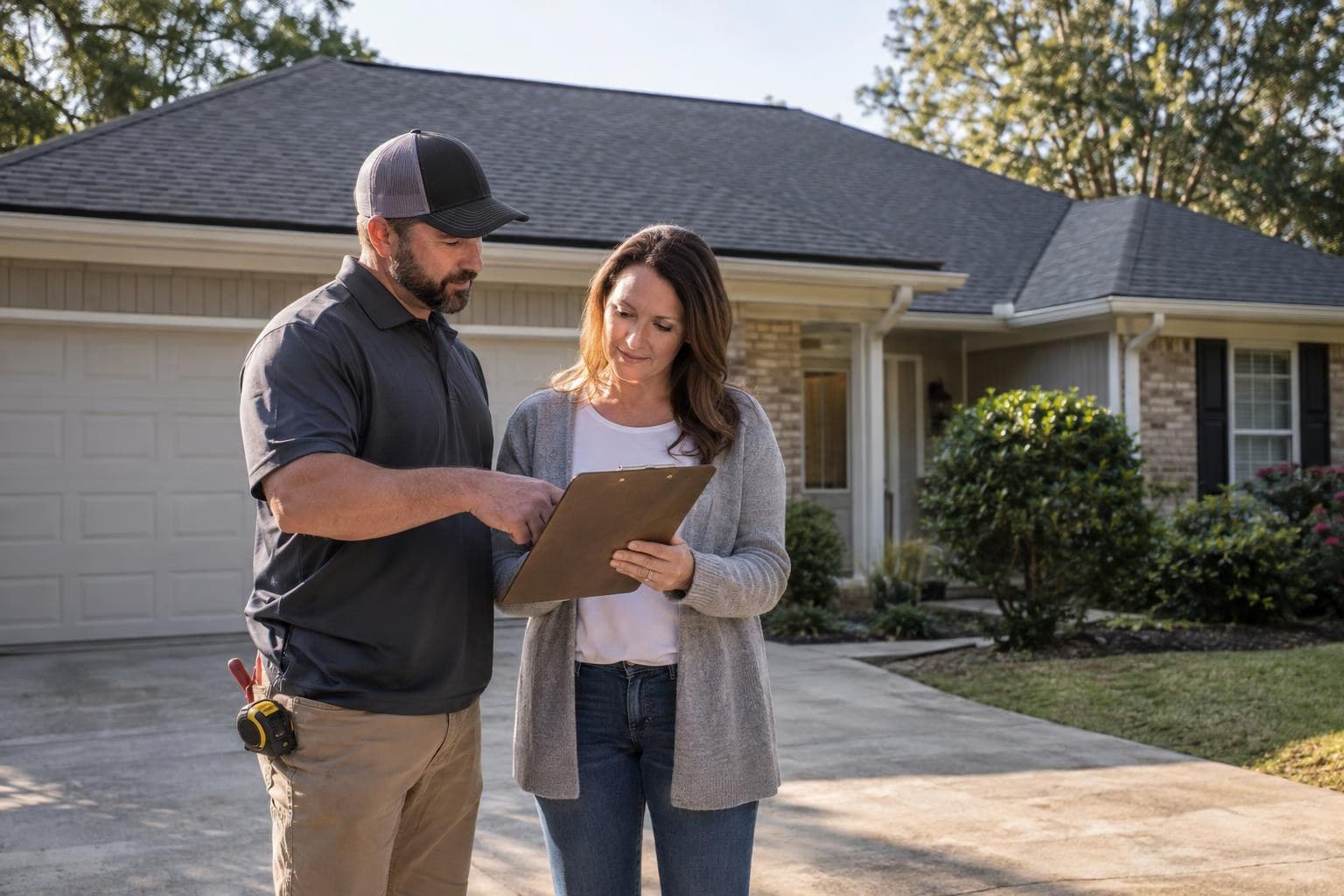
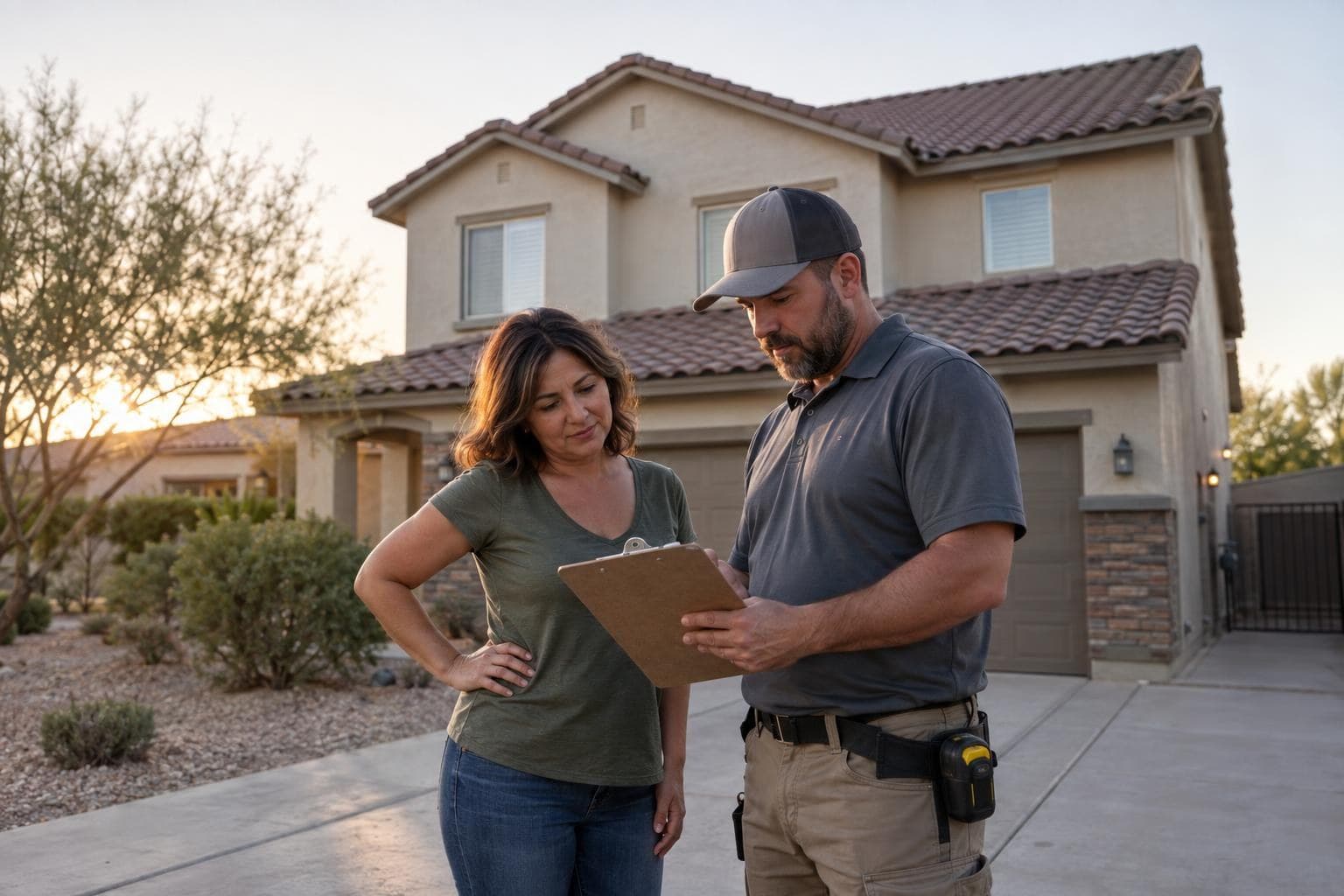
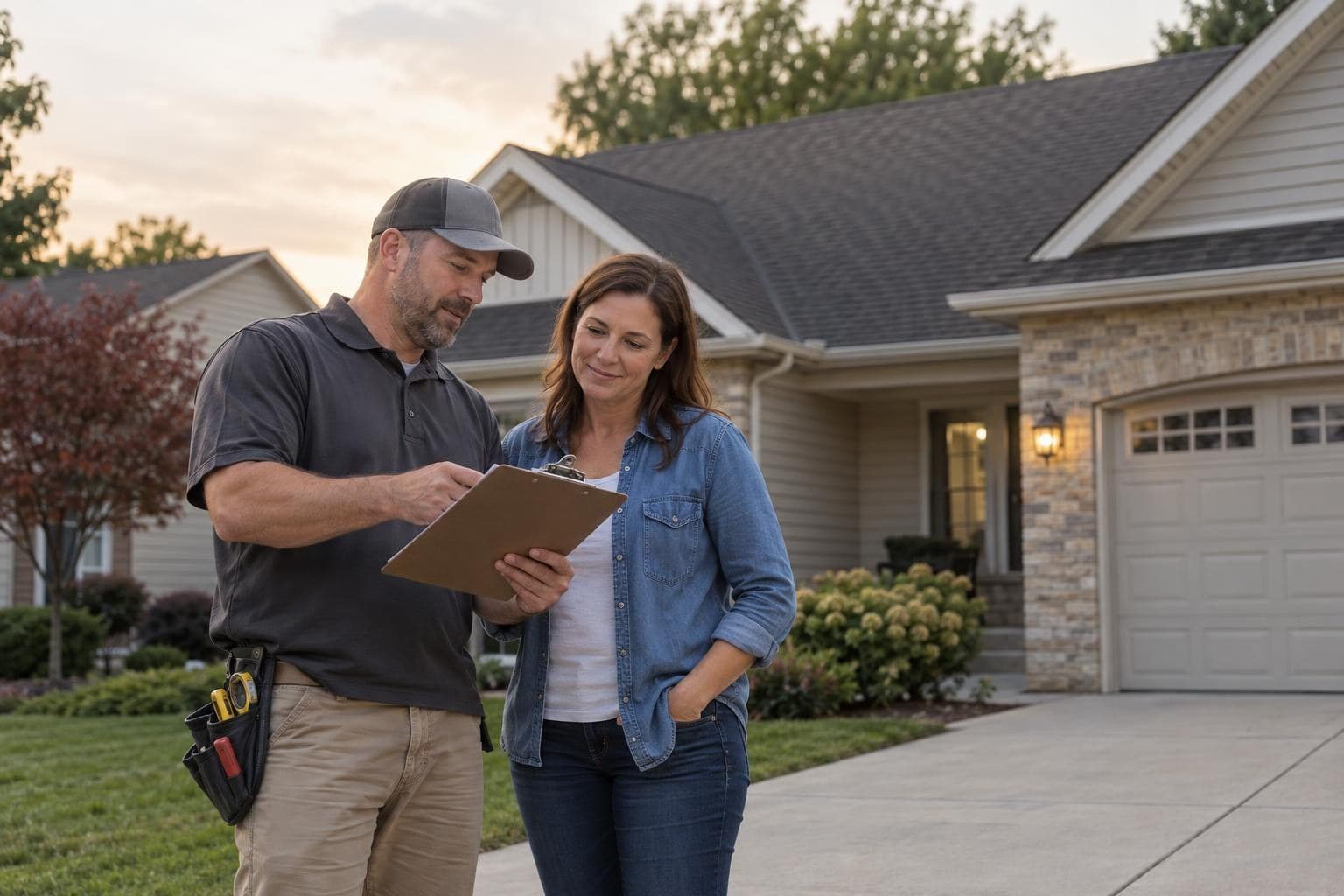
Make sure your coastal roofer pulls the windstorm inspection, not just a city permit, and that the WPI-8 actually gets filed. Confirm the certificate is in hand before final payment. A roofer who works the coast regularly will treat this as routine; one who shrugs at WPI-8 is not the roofer for a coastal job.
Build certification into the project schedule
A coastal Texas reroof should not treat windstorm certification as paperwork to chase after completion. Before materials are ordered, confirm whether the property and scope require the TDI windstorm process, who will arrange the inspections, which product approvals and installation details apply, and what must remain visible for inspection. Put that responsibility and any inspection hold points in the roofing contract.
- Search the official TDI system for existing WPI-8 or WPI-8E records before assuming what the property already has.
- Confirm whether the planned roof repair or replacement needs an inspection or completed-construction certification path.
- Name the person responsible for applications, inspection requests, product documentation, corrections, and final certificate follow-up.
- Do not cover attachment or other required details until the appropriate inspection step is complete.
- Keep the certificate, product approvals, permit records, photos, contract, and final invoice with the property records.
Verify the certificate instead of accepting a promise
Texas Department of Insurance provides an official certificate search and explains that coastal properties must meet applicable building standards to obtain windstorm insurance. Ask for the application or inspection identifier during the job, then look for the completed certificate in the official system. A city permit and a verbal statement from the roofer are not substitutes for confirming the windstorm record that applies to the property. Resolve missing records before the next insurance deadline or property transaction puts the question on someone else's schedule.
Sources
On the Texas coast, a re-roof without a WPI-8 can quietly cost you your windstorm coverage. Get the inspection, not just the permit.
Related reading and source material
Start with the Texas loss facts and policy
Coverage depends on the documented cause of loss and the policy language, not roof age or the contractor's preferred project. Record when the condition appeared, the affected roof area, relevant weather, temporary work, and interior evidence. Then review deductibles, exclusions, roof endorsements, valuation terms, duties after loss, and reporting deadlines with the insurer. For a Texas property, use the property's terrain, roof shape, tree cover, and actual storm evidence instead of treating the state as one roofing climate. For a WPI-8 certification plan in Texas, use the linked Texas Department of Insurance: Roofing and Insurance: Know the Law reference as the state-reference checkpoint and test the recommendation against the address's heavy-rain drainage, heat, warm-season wind or impact, tree cover, and any coastal exposure.
Separate damage evidence from replacement scope in Texas
A covered event may support repair, replacement of one roof area, or a larger project depending on distribution, tie-in feasibility, code, and policy terms. The contractor should show cause, consequence, distribution, and uncertainty. The insurer decides coverage; the local building official decides code questions; neither decision should be replaced by a sales statement. For a Texas property, evaluate heavy rain paths, warm-season wind and impact, tree exposure, heat, and any coastal conditions that apply to the address. For a WPI-8 certification plan in Texas, check the linked Texas Dept. of Insurance (impact-resistant roof discounts) reference for the state-level question while the property inspection addresses heavy-rain drainage, heat, warm-season wind or impact, tree cover, and any coastal exposure.
Preserve temporary and permanent records in Texas
Photograph conditions before emergency protection when safe, keep receipts, and avoid discarding removed material until the insurer's process allows it. Temporary dry-in should be authorized separately from permanent construction when practical. Keep overview photographs that locate close-ups so the Texas record remains understandable after the roof is covered. For a WPI-8 certification plan in Texas, separate the documented cause and roof-area evidence from the insurer's coverage and valuation decision.
Compare the construction contract after coverage is known in Texas
The insurer estimate is not automatically a construction scope, and the contractor proposal is not a coverage decision. Reconcile quantities and work items, identify owner upgrades and uncovered work, and build a payment schedule from confirmed obligations. The deductible, supplements, depreciation, and change orders should each remain visible. For a WPI-8 certification plan in Texas, preserve temporary-work records and reconcile the insurer estimate with the contractor's measured construction scope.
What to confirm before finalizing a WPI-8 certification plan in Texas
Use the property's terrain, roof shape, tree cover, and actual storm evidence instead of treating the state as one roofing climate. For a WPI-8 certification plan in Texas, use the reviewed state resources linked on this page, including Texas Department of Insurance and Texas Dept. of Insurance, to verify current credentials, insurance boundaries, contract terms, or consumer requirements that apply. Confirm permits and inspections locally, and keep the property evidence separate from any policy or sales promise.
- Locate the affected Texas roof area and preserve overview photographs, close-ups, temporary-work records, and receipts.
- Read the declarations, roof endorsements, deductible, valuation terms, exclusions, duties after loss, and payment letter together.
- Keep the contractor's construction scope separate from the insurer's coverage and claim decisions.
- Confirm the Texas permit and inspection path with the local building department before work begins.
- Keep the Texas photographs, contract, approved changes, invoices, payments, product records, and warranties together.
- Reconcile issued funds, homeowner payments, depreciation, supplements, upgrades, and the final invoice for the WPI-8 certification plan.
Before committing to a WPI-8 certification plan in Texas, require one final written reconciliation of roof measurements, known base work, concealed-work pricing, state and local responsibilities, product records, inspections, payment milestones, exclusions, and completion documents. The recommendation should identify what remains in service, what risk the owner accepts, and which new finding would change the scope.
Reviewed technical references for Texas
Related services
Updated July 10, 2026
3D Roofs Editorial Team
Editorial Standards