Updated July 27, 2026

3D Roofs Editorial Team
Editorial Standards
If you're replacing a roof in a hail-prone area, impact resistance belongs beside price, installation details, and warranty terms in the decision. Class 3 and Class 4 are laboratory impact-resistance classifications, with Class 4 representing the higher test level. The rating can help you compare products, but it does not make a roof hail-proof or predict how a particular storm will affect an installed roof. Here is how to evaluate the upgrade cost without assuming a guaranteed performance or insurance result.
What the classes actually mean
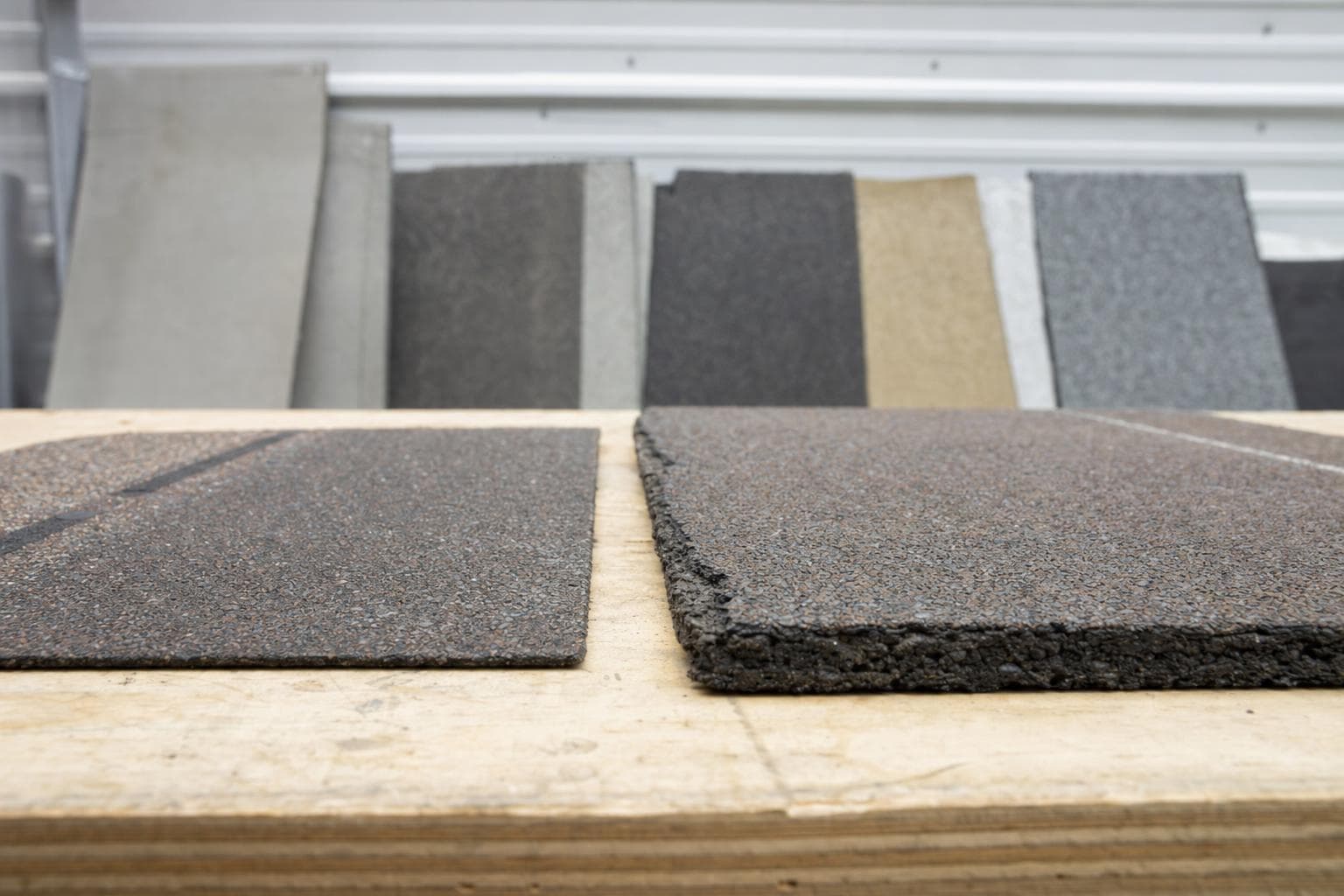
UL 2218 rates roof-covering impact resistance from Class 1 to Class 4 under controlled laboratory conditions. Products may reach a higher class through different constructions, including modified asphalt or reinforcement. Compare the exact product documentation rather than assuming every architectural shingle carries the same rating. A Class 4 label describes test performance; it does not guarantee that hail will leave only cosmetic marks or that an insurer will approve a claim.
The real cost difference
For an impact-resistant shingle decision, start with current cost data, then test the planning range against a measured proposal that names the complete roof assembly. Materials and standard installation included, typical current local pricing for your area.
How a policy-specific insurer credit changes the comparison
Some insurers may offer a credit for a qualifying impact-resistant roof, but the product, paperwork, covered premium portion, eligibility, and amount are policy-specific. Two caveats: confirm your carrier's specific discount before you count the savings, and get the certification documented at install, no paperwork, no discount.
Talk to a roofer today
Planning ranges, scope details, and a direct path to request a roofing quote.
What the impact rating can and cannot tell you
UL 2218 is a product impact test, not a promise that a finished roof cannot be damaged. A Class 4 listing tells you that the named product met the highest classification in that test method. It does not grade the deck, flashing, fastener placement, ventilation, or workmanship, and it does not decide whether an insurer will cover cosmetic marks or offer a credit. Ask for the exact manufacturer and product line so you can verify the listing instead of accepting 'Class 4' as a generic sales label. For the Class 3-versus-Class 4 comparison, verify the named product and written insurer answer together; neither a generic rating nor an assumed credit completes the decision.
- Put the exact shingle manufacturer, product line, color, and impact classification in the proposal.
- Compare the required nail pattern, starter, hip and ridge products, underlayment, and deck repairs as one installed system.
- Ask your insurer in writing whether this exact product qualifies for a credit and what documentation must be submitted.
- Read the policy and product warranty for cosmetic-damage language, exclusions, transfer rules, and required maintenance.
- Confirm local availability for future repairs; a discontinued or hard-to-match shingle can turn a small repair into a larger decision.
- For the Class 3-versus-Class 4 comparison, attach the exact certification and the insurer's written eligibility answer to the bid comparison.
How to decide whether the upgrade fits a your area roof
The useful comparison starts with the roof's actual exposure, geometry, deck, attic assembly, drainage paths, and repair history rather than a national average alone. Compare the verified upgrade price with the roof's current condition, your likely ownership horizon, product availability, and any insurer credit you have actually been quoted. If the deck, flashing, ventilation, or installation plan is weak, spending more on the surface product will not correct those weaknesses. The useful question is not whether Class 4 is always worth it; it is whether this tested product improves the complete scope for this roof at a price you understand.
Sources
When Class 4 is worth it, and when it isn't
- Evaluate the upgrade using the installed price difference, a written insurer response, expected ownership period, repairability, and warranty terms instead of assuming it will recover its cost on a fixed timeline.
- Worth it: your carrier offers a real discount and your wind/hail premium keeps climbing.
- Compare now: if the roof is already being replaced, ask for the installed price difference while the same tear-off and setup are in scope.
- Skip it: you're selling within a couple of years and your market doesn't price roofs into offers.
- Question the upgrade: compare local exposure, product availability, repairability, ownership plans, and the verified price rather than assuming the higher class is necessary.
Class 4 isn't an upsell in hail country. Do not price the upgrade around an assumed insurance credit. Ask the insurer whether the exact product is eligible and what documentation and premium portion apply.
Related reading and source material
Compare the complete assembly rather than the product label: Class 3 vs. class 4 shingles
Review slope, deck, underlayment, attachment, flashings, edges, penetrations, ventilation or unvented design, drainage, maintenance, local stock, repair access, and warranties. A surface product cannot correct an incomplete water-control path. Apply that record to the class 3 vs. class 4 shingles decision and identify which property finding or written term would change the answer.
Additional reviewed references
Related roofing resources
Updated July 27, 2026
3D Roofs Editorial Team
Editorial Standards