Updated July 27, 2026

3D Roofs Editorial Team
Editorial Standards
A hail inspection should answer four separate questions: was there evidence of a recent event at the property, what changed on each roof area, what caused each observed condition, and can the affected material be repaired. A dent in a gutter may support the event history without proving shingle damage. A dark mark on a shingle may require closer examination without proving hail caused it. Good documentation preserves those distinctions instead of turning every mark into the same conclusion.
Start safely and preserve the event record
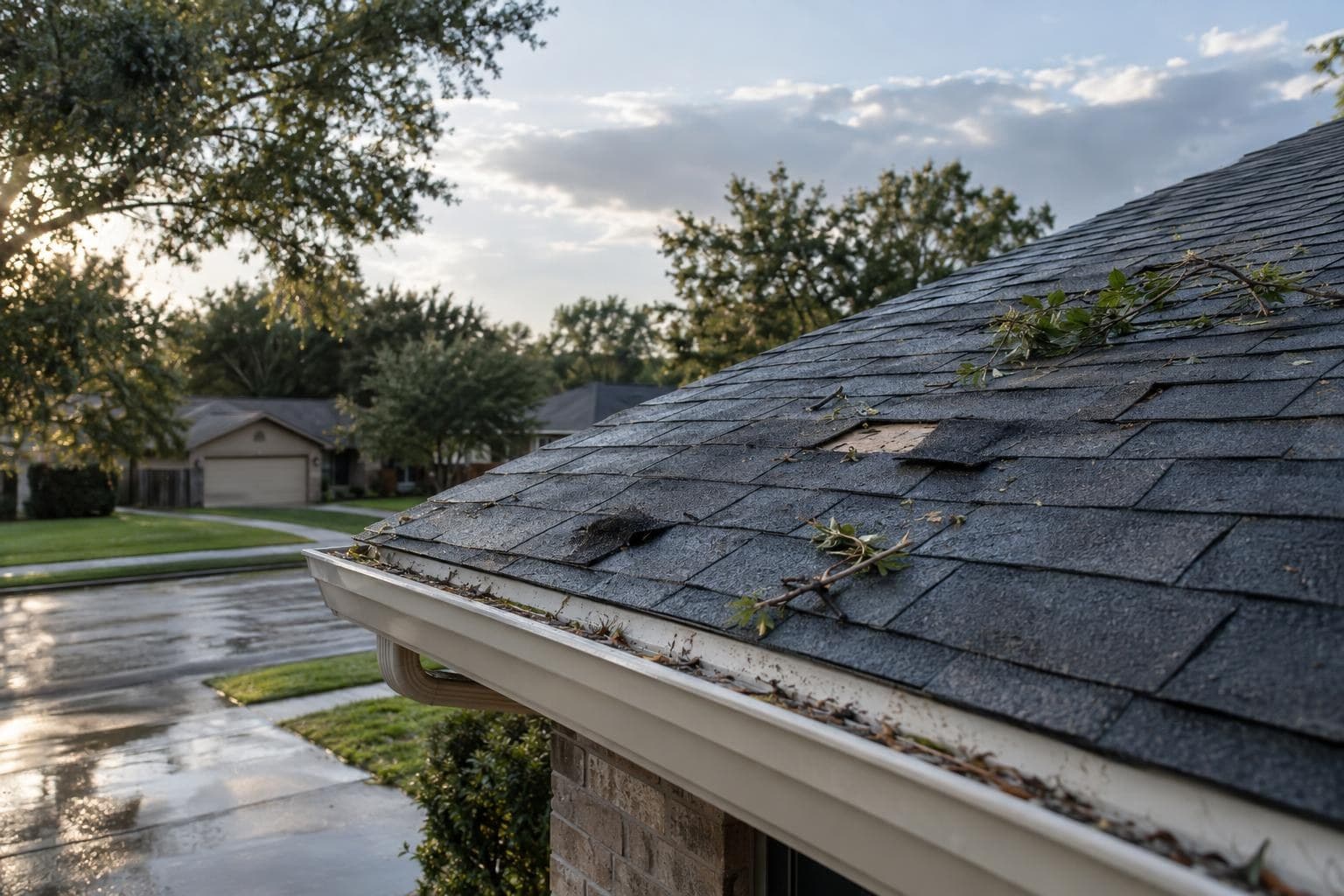
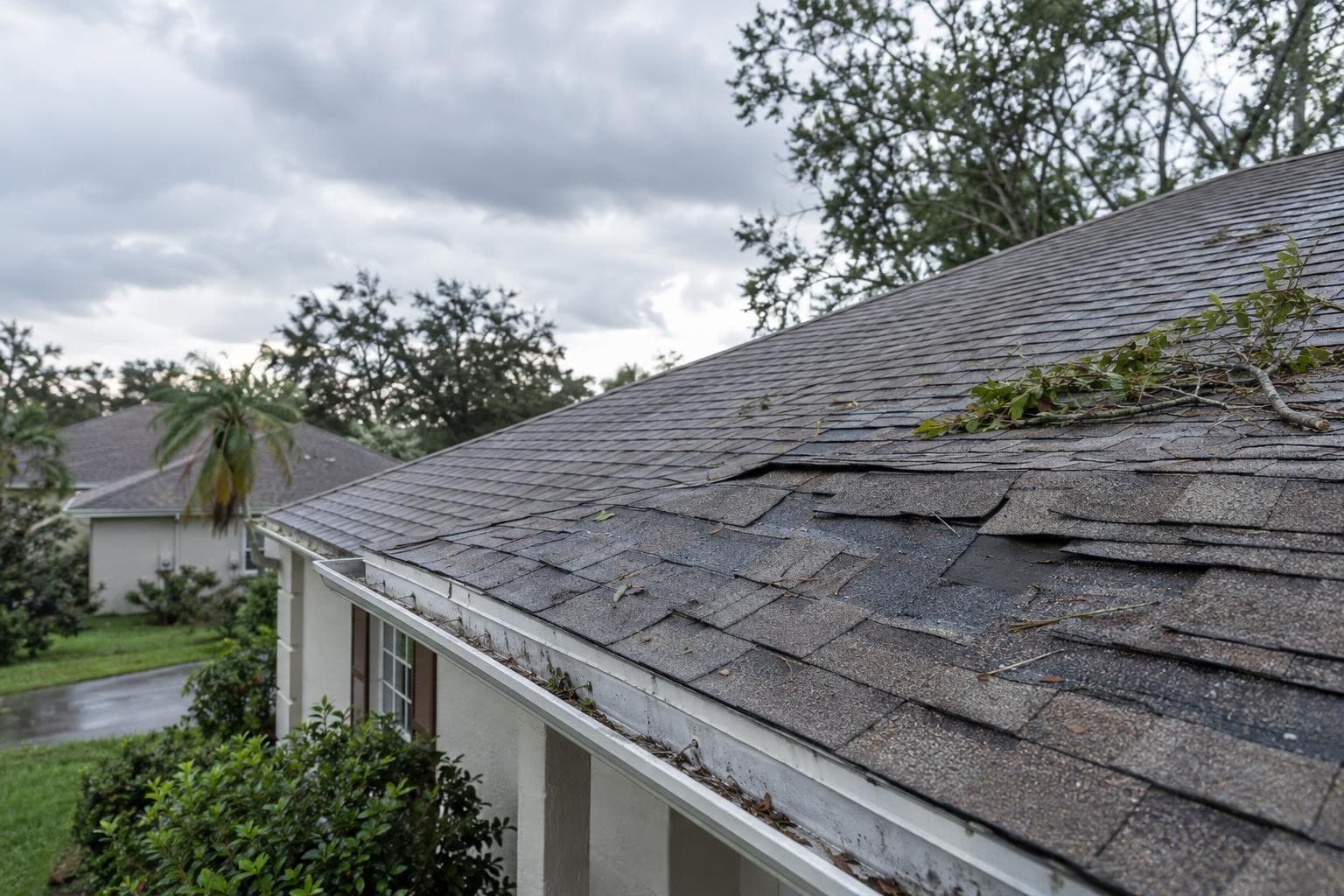
Do not climb onto a wet, steep, high, fragile, or unfamiliar roof. Walking can cause a fall, disturb evidence, and damage coverings that are brittle or not intended for foot traffic. Begin from the ground and accessible interior areas. If water is entering, use reasonable temporary protection and save receipts, but do not cover or discard damaged material until it has been photographed when it is safe to do so.
- 1Record the date and approximate time of the weather, along with the source of any alert, report, photograph, or video you save.
- 2Photograph every side of the building from a safe position before debris is moved or temporary work begins.
- 3Note active leaks, power hazards, broken glass, fallen branches, loose materials, and areas that people should avoid.
- 4Save contractor, emergency-service, material, and lodging receipts that may be relevant, without assuming a policy will reimburse them.
- 5Notify the insurer according to the policy and ask what documentation or inspection access it requires before permanent work.
What can ground-level dents tell you?
Fresh marks on gutters, downspouts, metal wraps, screens, outdoor equipment, fences, vehicles, or plants can help establish event context and direction. Photograph the whole component first, then the individual mark with location and scale. Avoid saying those observations prove the roof covering is damaged or reveal the exact hail size. Materials respond differently based on thickness, support, shape, age, orientation, and prior condition.
Mechanical damage, corrosion, installation marks, prior storms, and ordinary wear can also affect exterior components. A useful report describes the observation and why it appears recent or relevant, while preserving uncertainty where the evidence does not support a stronger conclusion. This makes ground documentation more credible than a collection of unlabeled close-ups.
Inspect and report by roof area
A professional inspection should divide the roof into understandable areas or slopes and identify orientation, material, accessories, and relevant details. Each photograph should show enough context to locate the finding, followed by a closer view when needed. The report should also identify areas that were inaccessible, obscured, unsafe, or not examined. Without that map, a homeowner cannot tell whether a condition is isolated or distributed.
- Field covering: record material-specific fractures, displacement, loss, puncture, deformation, or surface changes without using one checklist for every product.
- Hips and ridges: inspect caps, seams, attachment, exposed edges, and accessories that may differ from the field covering.
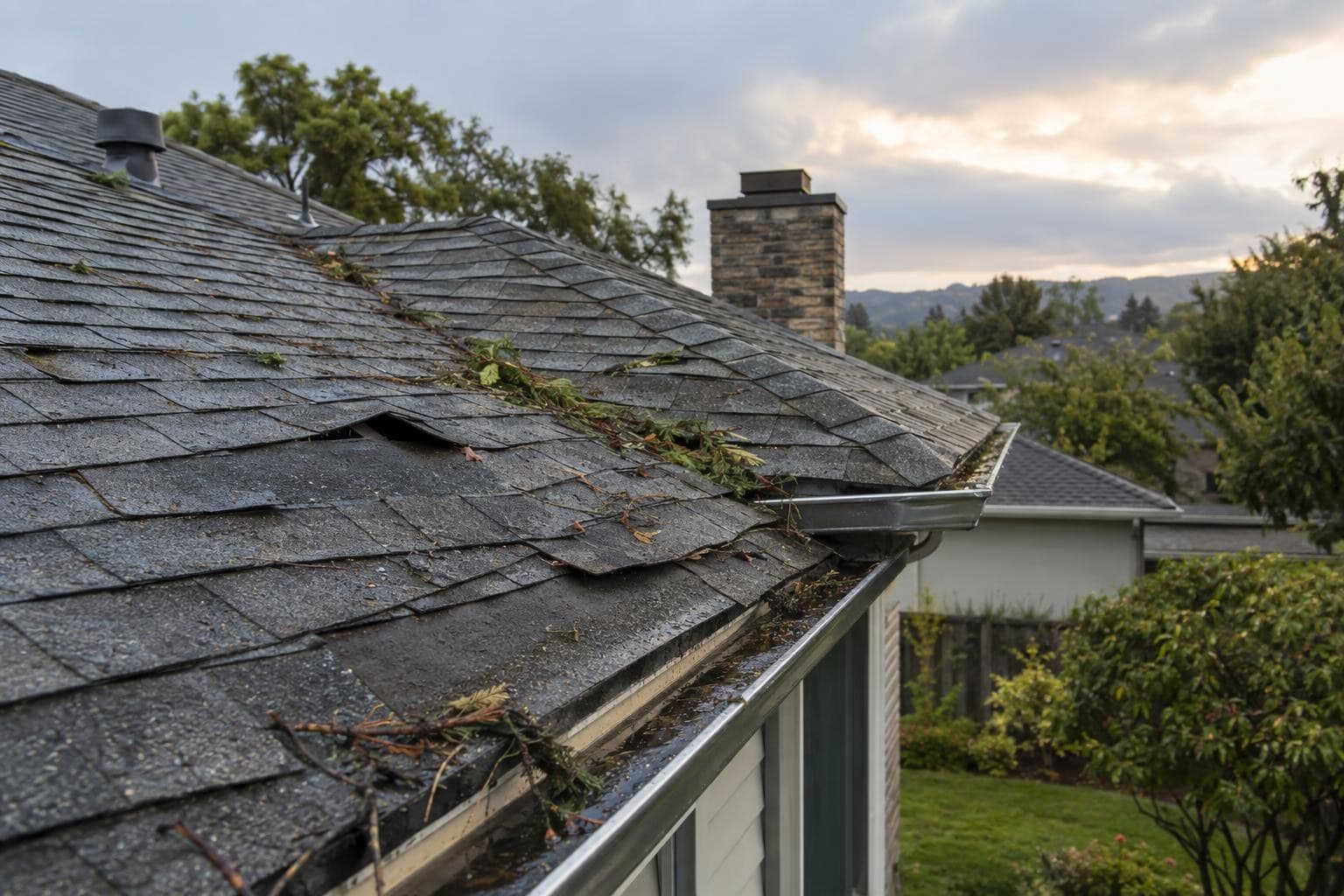
- Penetrations and flashing: review vents, boots, skylights, chimneys, walls, valleys, and transitions for impact, displacement, seal failure, and water paths.
- Edges and drainage: review eaves, rakes, gutters, scuppers, drains, downspouts, and debris that can change where water goes.
- Interior and attic: relate new stains, wet insulation, damaged decking, or daylight to exterior roof features while considering non-roof moisture sources.
Talk to a roofer today
Planning ranges, scope details, and a direct path to request a roofing quote.
What does hail damage look like on asphalt shingles?
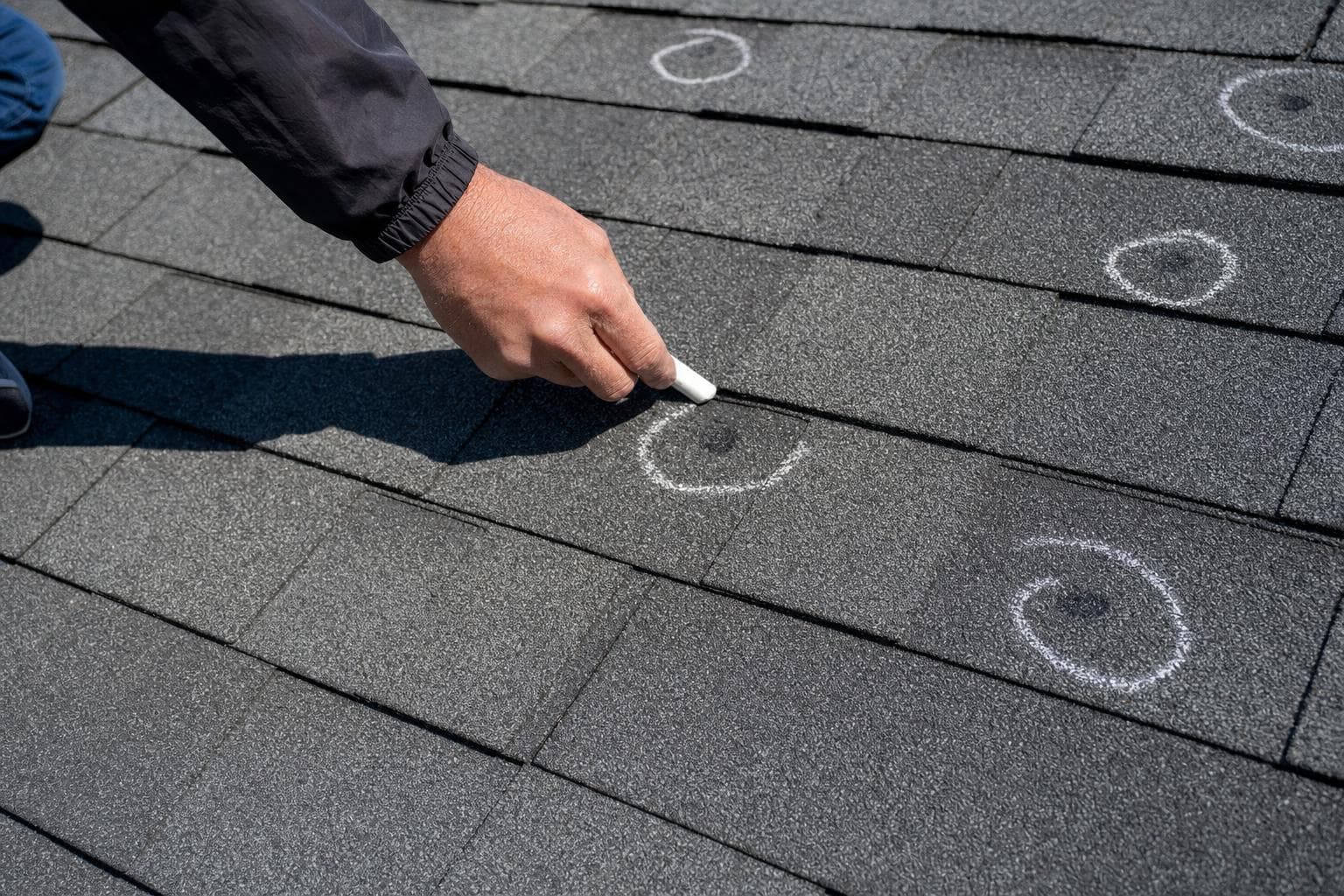
Asphalt-shingle evaluation can include surface disruption, localized granule displacement, exposed asphalt, coating or reinforcement effects, cracking, tearing, edge damage, and changes in surrounding material. The inspector should consider manufacturing features, blisters, foot traffic, tools, branches, installation damage, aging, and prior repairs as possible alternatives. Color alone is not a diagnosis, and pressing a suspected mark with a thumb is not a reliable homeowner test and may alter the material.
UL 2218 classifications describe performance under a defined impact test, but UL Solutions notes that the standard does not account for every field effect such as denting or granule loss. A Class 4 shingle still needs inspection after severe weather. Conversely, a shingle without that classification should not be called failed merely because hail was reported nearby. Condition, distribution, and material response must be documented on the roof.
How do metal, tile, and other coverings change the checklist?
Metal evaluation should distinguish appearance changes from puncture, split seams, opened laps, damaged coatings, displaced fasteners, compromised flashing, and loss of water shedding. Tile and slate evaluation includes broken, cracked, displaced, or loosened units; attachment; flashing; and the concealed water-shedding layers below. Low-slope membranes require attention to cuts, punctures, displaced surfacing, seams, flashings, drains, and substrate response. The inspector should use the product and assembly, not an asphalt-shingle template.
Separate event evidence, damage, cause, and consequence
- Event evidence answers whether weather consistent with hail affected the property or nearby components.
- Damage documentation identifies a physical change to a specific roof component and its location.
- Cause analysis explains why hail is or is not the most supportable explanation compared with wear, installation, traffic, debris, or prior events.
- Performance analysis explains whether the condition affects water shedding, attachment, serviceability, appearance, or another function.
- Scope analysis explains the smallest work boundary that can reach sound material and restore the affected component.
These questions can lead to different answers. Hail can occur without damaging a particular roof covering. A roof can have real defects unrelated to that hail. A visible change can matter to appearance without requiring the same construction as a split, puncture, or failed tie-in. The report should preserve those differences so a contractor can price the work and an insurer can make its own policy decision from clear facts.
What should the final hail report include?
- 1Property, inspection date, weather context, inspector identity, methods, safety limits, and areas not inspected.
- 2A roof diagram or organized area list that connects every material finding to a location.
- 3Overview and detail photographs with captions that state observation rather than unsupported coverage conclusions.
- 4Interior, attic, drainage, and exterior collateral observations relevant to water entry or event context.
- 5A cause discussion that considers alternative explanations and distinguishes recent findings from older or uncertain conditions.
- 6Repairability analysis, proposed work boundary, further investigation needs, temporary measures, and maintenance items.
- 7Separate construction estimates or options that identify what each scope solves and what it leaves in place.
Does hail damage mean the roof needs replacement?
Not automatically. The answer depends on the affected component, distribution, surrounding condition, access, matching or compatible material, and whether new work can tie into sound roofing. A focused repair may address a contained failure. Sectional work may fit one distinct roof area. Replacement becomes a construction conclusion only when the evidence shows a smaller boundary cannot reliably restore the affected system or leaves broadly distributed failures unresolved.
If material upgrades are considered during replacement, compare the exact product, complete assembly, installed price difference, repair availability, warranty terms, and written insurer response. For hail damage roof inspection checklist in your area, treat Class 4 as a laboratory impact classification for the exact product, not a promise that the installed roof will resist every hail event or avoid damage. Upgrade value is a separate decision from the scope needed to correct the present condition.
How does the checklist support an insurance claim?
The checklist creates an organized condition record; it does not decide coverage. The insurer applies the policy, deductible, valuation, exclusions, endorsements, and claim process. The roofer or inspector should avoid promising approval or labeling every recommended item covered. Provide the insurer requested access and documents, keep communications and receipts, and ask for coverage or scope decisions in writing so disagreements can be addressed specifically.
A credible hail report shows where each finding is, what material changed, why the proposed cause fits, and how that finding changes the construction decision.
Related reading and sources
- Hail damage roofing, inspection and next steps
- How to file a roof insurance claim
- Class 4 shingles cost guide
- Insurance Institute for Business & Home Safety: RICOWI Roof Guide
- Insurance Institute for Business & Home Safety: Natural Weathering and Hazard Exposure
- UL Solutions: UL Solutions and IBHS Drive Trust in Residential Roofing Shingles
- National Association of Insurance Commissioners: What You Need to Know When Filing a Homeowners Claim
Related roofing resources
Updated July 27, 2026
3D Roofs Editorial Team
Editorial Standards