Updated July 27, 2026

3D Roofs Editorial Team
Editorial Standards
Yes, Class 4 shingles can be worth it in Connecticut, but only if the extra upfront cost lines up with your storm exposure, your insurance policy, and how long you plan to stay in the home. Use the current Connecticut cost page and calculator to plan an impact-resistant shingle decision in Connecticut, then require the measured scope to explain any meaningful difference. If your insurer offers a discount for Class 4, and if your roof sees regular wind, tree debris, or occasional hail, that added cost can be easier to justify.
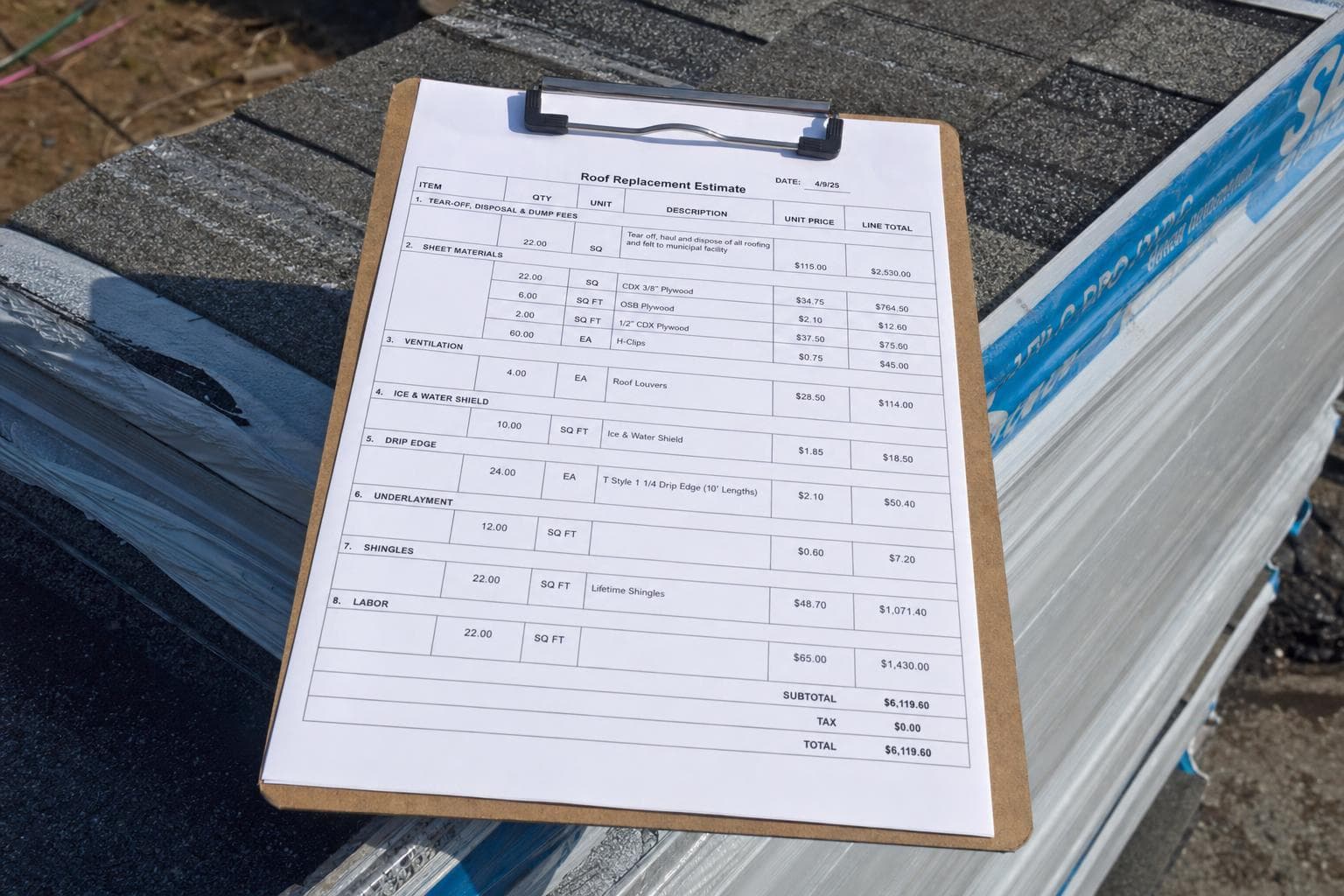
How much more do Class 4 shingles cost in Connecticut?
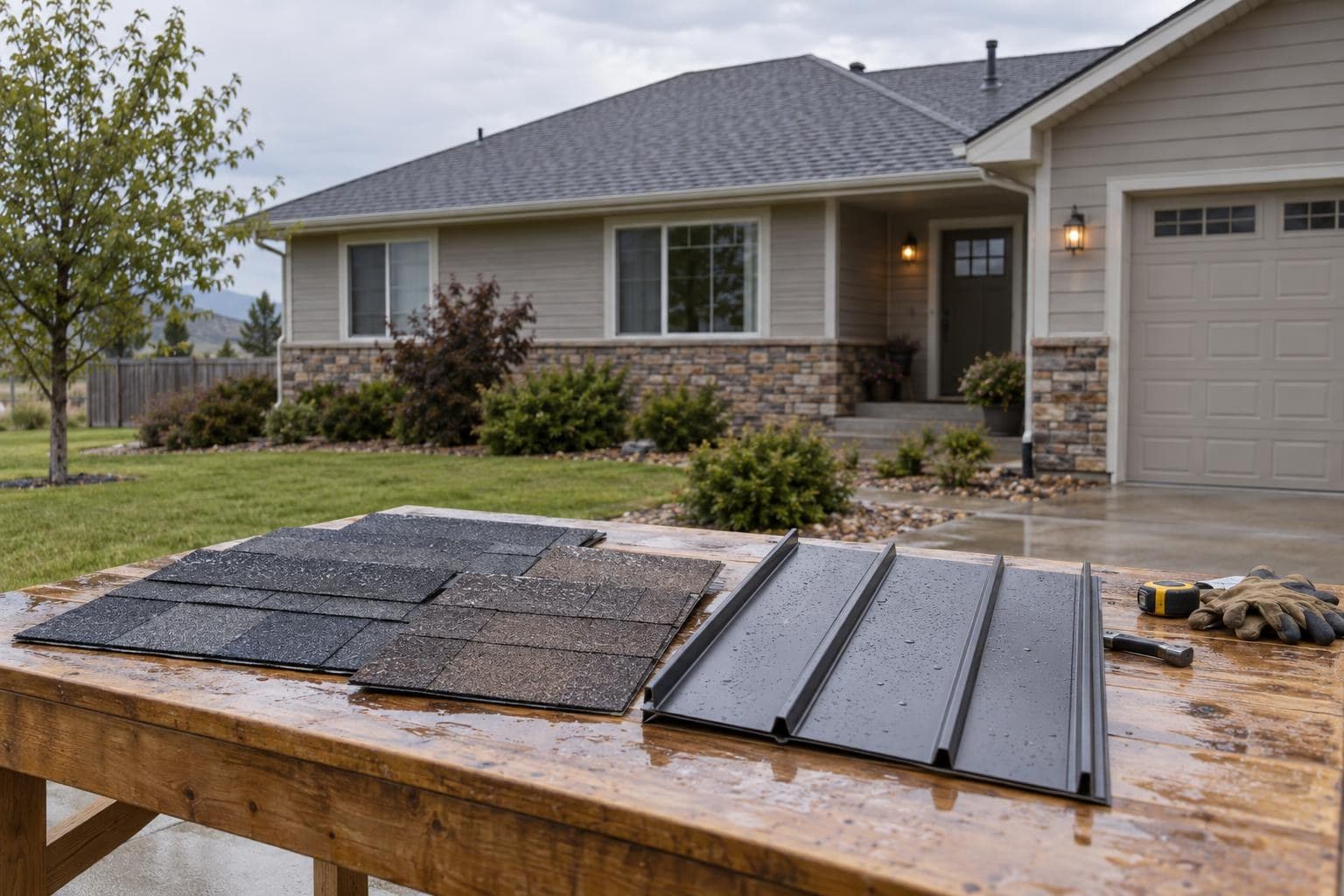
In plain terms, Class 4 is a meaningful upgrade over standard architectural shingles, but it is still far below the cost of standing seam metal.
Do Class 4 shingles help enough with Connecticut weather to justify the upgrade?
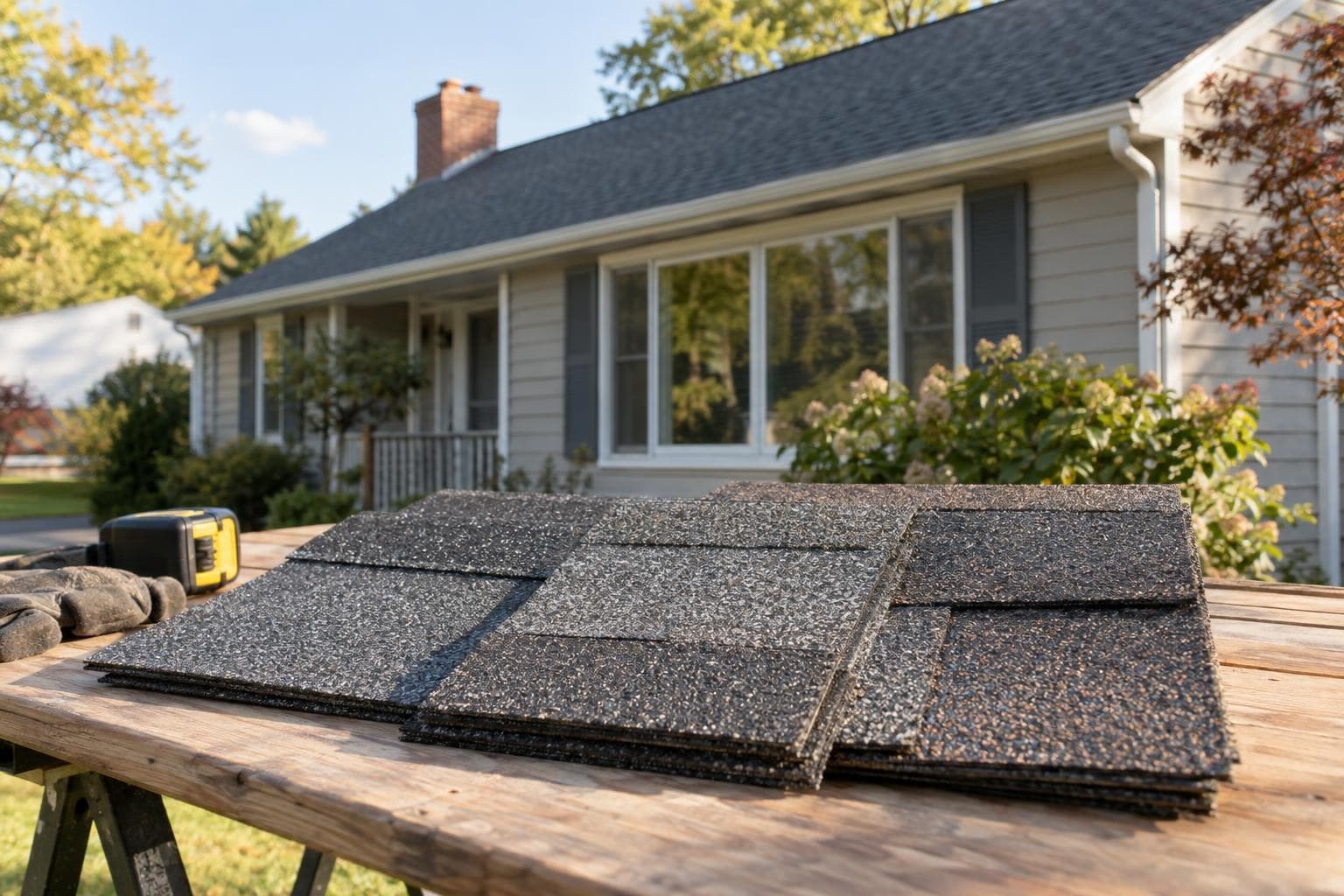
For many homes, yes, because Connecticut roofs deal with more than one kind of stress. Your roof in Connecticut has to handle snow, ice, wind, rain, and coastal storm conditions. Winter weather can push water back under shingles when ice builds up along eaves. Wind-driven rain can test flashing, ridge details, and older seal strips. In warmer months, storm seasons and humid weather can expose weak spots around penetrations, valleys, and roof-to-wall transitions. Near the shoreline, hurricane-related deductibles and coastal exposure can matter more, so material choice and installation details become even more important. Class 4 shingles are mainly about impact resistance, not solving every roofing problem, but they can be a smart upgrade if you want a tougher shingle while staying in an asphalt system.
Is hail exposure in Connecticut high enough to care about Class 4 shingles?
It can be, even if hail is not the only thing you worry about. In Connecticut, wind and coastal storms usually drive more roofing decisions than hail alone, but hail still matters because even smaller impacts can shorten a roof's life or create repair issues that are easy to miss from the ground. Class 4 shingles are worth a look if you have mature trees, a more exposed lot, or a roof that already faces fast-moving storms. If your main concern is broad storm durability, the better question is not just whether hail is common, but whether you want more impact resistance built into your next roof system.
Talk to a roofer today
Planning ranges, scope details, and a direct path to request a roofing quote.
Will your insurance company give you a discount for Class 4 shingles in Connecticut?
Possibly, yes, but you need to ask your own carrier. In Connecticut, if you are considering a Class 4 impact-resistant shingle, ask your insurer whether it offers a premium discount and what documentation it requires. Discounts are set by individual carriers, not by a single statewide rule, so the savings and eligibility can vary by policy. Do not assume a statewide Class 4 credit in Connecticut; ask the carrier to verify eligibility and paperwork for the exact product and policy. It applies only to the wind/hail portion, and some carriers may offer nothing at all. That is why the real answer starts with your declarations page and a call to your insurer before you pick materials.
Do Connecticut insurance rules make Class 4 shingles more appealing?
In some cases, yes, because they help you think more clearly about what your policy actually does and does not cover. The Connecticut Insurance Department says homeowners policies cover damage caused by windstorm even when the cause is described as an "Act of God." It also says homeowners coverage applies regardless of how the windstorm is classified, including hurricane or tornado. For you, that means the label used for the storm does not by itself take wind coverage away. The Department also says insurance companies may offer a windstorm or hail deductible, and consumers may choose it in place of an overall policy deductible. It also says windstorm or hail deductibles may not be mandated by insurers in Connecticut. If your policy uses one, check the declarations page so you know whether it is a flat dollar amount or a percentage deductible.
There is another piece to review if you live near the shore. The Connecticut Insurance Department says a hurricane deductible may be imposed only under specific circumstances related to the storm, and that if your policy contains one, its application must comply with Connecticut law. The Department also says the percentage and dollar amount of the hurricane deductible will be listed on the declarations page if it applies to the policy. For you, the practical step is simple: review that page before storm season so you know what deductible would apply. If a stronger shingle helps lower claim risk or improves your comfort level during storm season, that can add to the value even when the insurance discount is modest.
Can Class 4 shingles prevent most roof repairs in Connecticut?
No, not most repairs. They can reduce some impact-related damage, but they do not fix bad flashing, poor ventilation, ice dam issues, or worn seal strips. A tougher shingle can help with certain storm hits, but your result still depends on the full roof system and the installation details. Ask how pitch changes fall protection, staging, access, and production for an impact-resistant shingle decision in Connecticut; the adjustment should come from the job plan, not a universal percentage.
How long does it take to replace a roof with Class 4 shingles?
Usually about the same time as a standard asphalt roof. When planning an impact-resistant shingle decision in Connecticut, ask how roof shape, staging, weather, inspections, and concealed deck conditions affect both duration and labor. The material upgrade does not usually change the job length much by itself. What changes timing more often is roof size, weather, tear-off condition, complexity around chimneys and valleys, and whether your roof has a steep pitch. If you are comparing options, Class 4 gives you a tougher asphalt roof without pushing you into the higher cost and different look of standing seam metal.
Who should pay extra for Class 4 shingles in Connecticut?
When are Class 4 shingles probably not worth it?
What should you check before you choose Class 4 shingles in Connecticut?
Start with three things: your policy, your roof design, and your roofer. Ask your insurer if it offers a Class 4 discount and what proof it needs. Review your declarations page for any windstorm, hail, or hurricane deductible details. Remember that flood damage is treated differently. The Connecticut Insurance Department says damage from flooding is excluded from homeowners insurance, and separate flood policies can be purchased. It also says there is a 30-day waiting period before a flood insurance policy take effect. If roof leaks are tied to wind damage, that is one issue. If water enters because of flooding or overflow, that is treated differently under insurance.
Then make sure your installation details are right for the home. Connecticut weather puts stress on eaves, flashing, valleys, ridges, and roof-to-wall transitions, so material choice is only part of the decision. You should also check state registration before hiring. The Department of Consumer Protection says all Home Improvement Contractors, New Home Construction Contractors, and Home Improvement Salespeople must be registered with the Department of Consumer Protection, and it tells consumers to verify licenses and registrations before hiring. The same source also says contractors are required to be registered before advertising or beginning home improvement work. For you, that means you should check state registration, ask for references, ask about experience with the kind of roofing work you need, and keep copies of contracts, receipts, permits, and written communication.
Sources
Reviewed technical references for Connecticut
Related Connecticut roofing guides
Related services
Updated July 27, 2026
3D Roofs Editorial Team
Editorial Standards