Updated July 10, 2026

3D Roofs Editorial Team
Editorial Standards
Yes, Class 4 shingles can be worth it in Delaware if you want more impact resistance, you expect to keep the home for a while, or your insurance carrier offers a discount that helps offset the upgrade. The key is to compare the real price gap, ask your carrier about the discount before you buy, and make sure the roof system and installation details fit Delaware weather.
How much more do Class 4 shingles cost in Delaware?
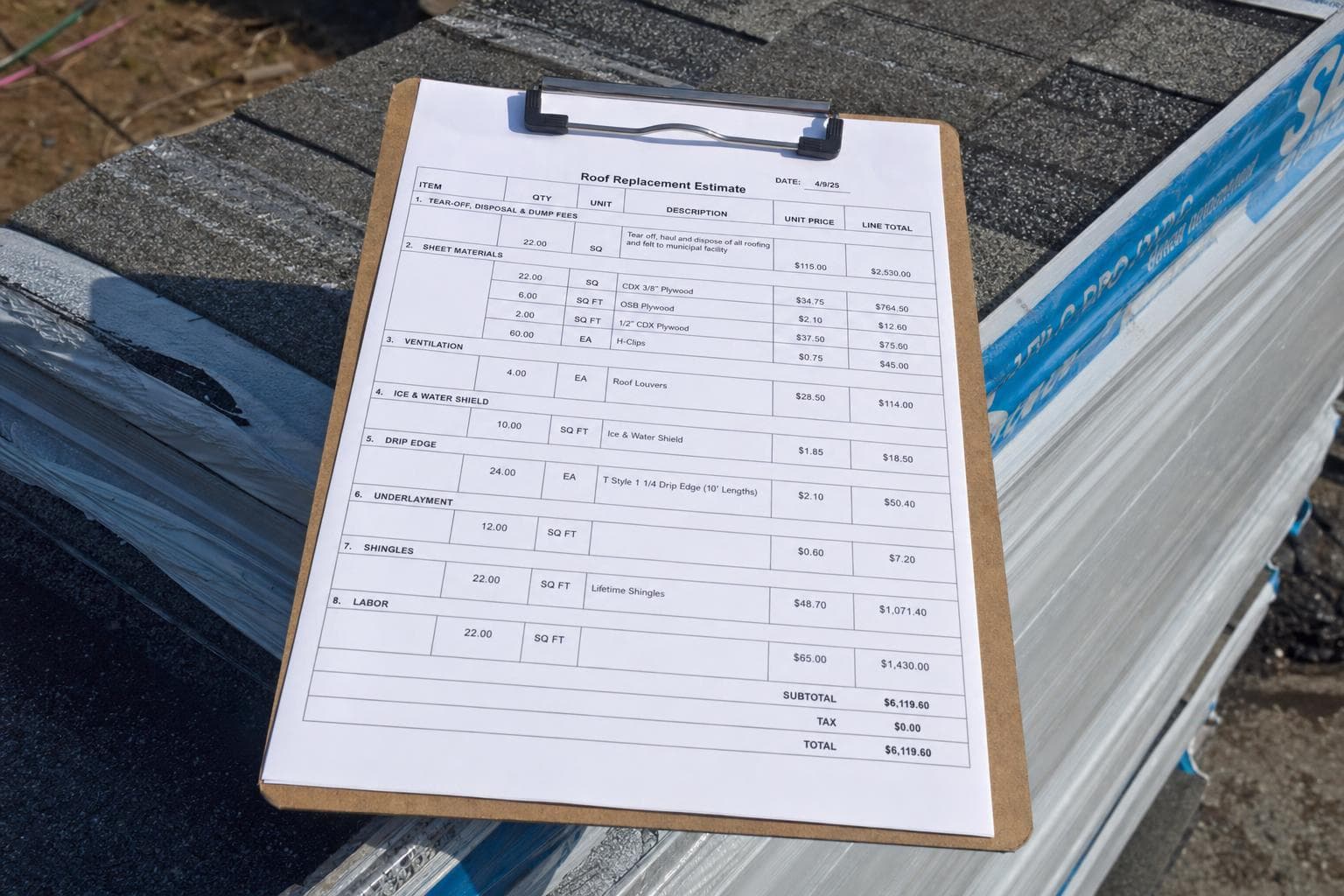
The upgrade cost is real, but it is not always huge. Use the current Delaware cost page and calculator to plan an impact-resistant shingle decision in Delaware, then require the measured scope to explain any meaningful difference.
That price gap matters because it changes the decision. If you already need a replacement, moving from Class 3 to Class 4 may be easier to justify than jumping to standing seam. If your roof has a steep pitch, expect cost to rise, because steep pitches add about 10 percent.
Do Class 4 shingles make sense for Delaware weather?
Yes, they often do, because Delaware roofs take a mix of weather stress. Hurricanes, coastal storms, heavy rain, and strong wind can lift shingles, drive water under roof coverings, and turn small flashing problems into leaks. Humidity can keep roof surfaces damp longer, which can shorten the life of aging materials and encourage staining or deterioration around vulnerable areas. Storm prep matters here, especially securing loose shingles, keeping temporary protection materials on hand, and dealing with damage quickly so water does not spread deeper into the home.
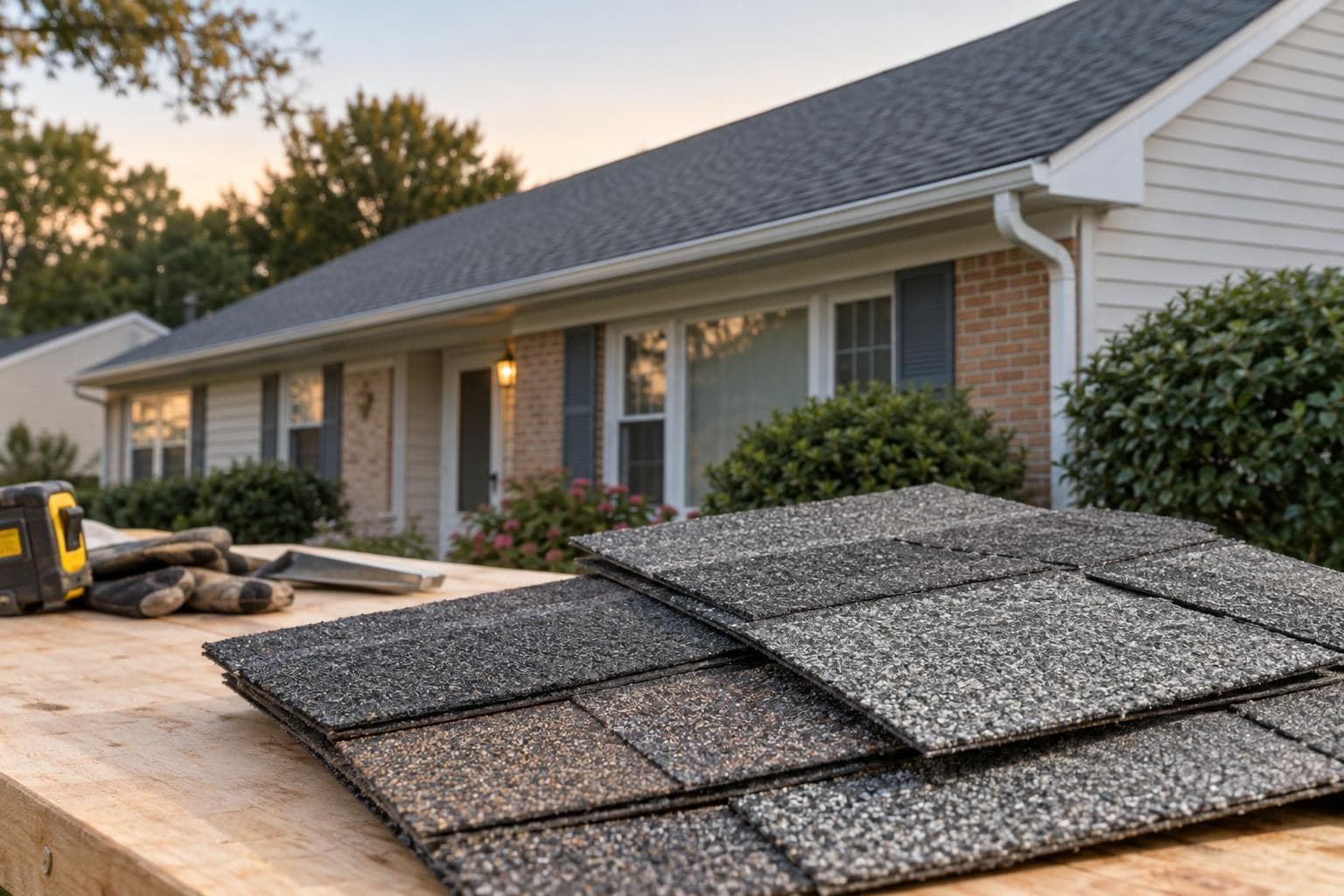
Class 4 shingles are mainly about impact resistance, but that can still fit Delaware conditions. The value is less about one perfect material for every risk, and more about building a roof that handles repeated weather stress with fewer weak points. If your area gets storm activity that can bruise or damage shingles, a tougher shingle can be a practical upgrade, especially when paired with good flashing, clean roof penetrations, and prompt repair after storms.
Will your insurance company give you a discount for Class 4 shingles?
Maybe, and you should ask before you replace the roof. Do not assume a statewide Class 4 credit in Delaware; ask the carrier to verify eligibility and paperwork for the exact product and policy. That does not mean every policy gets a discount, and it does not mean the discount applies to your full premium. Discounts are set by each insurance company, and the available savings, if any, can vary by policy and home.
- Ask your carrier whether they offer a discount for Class 4 rated shingles
- Confirm the exact product rating before installation
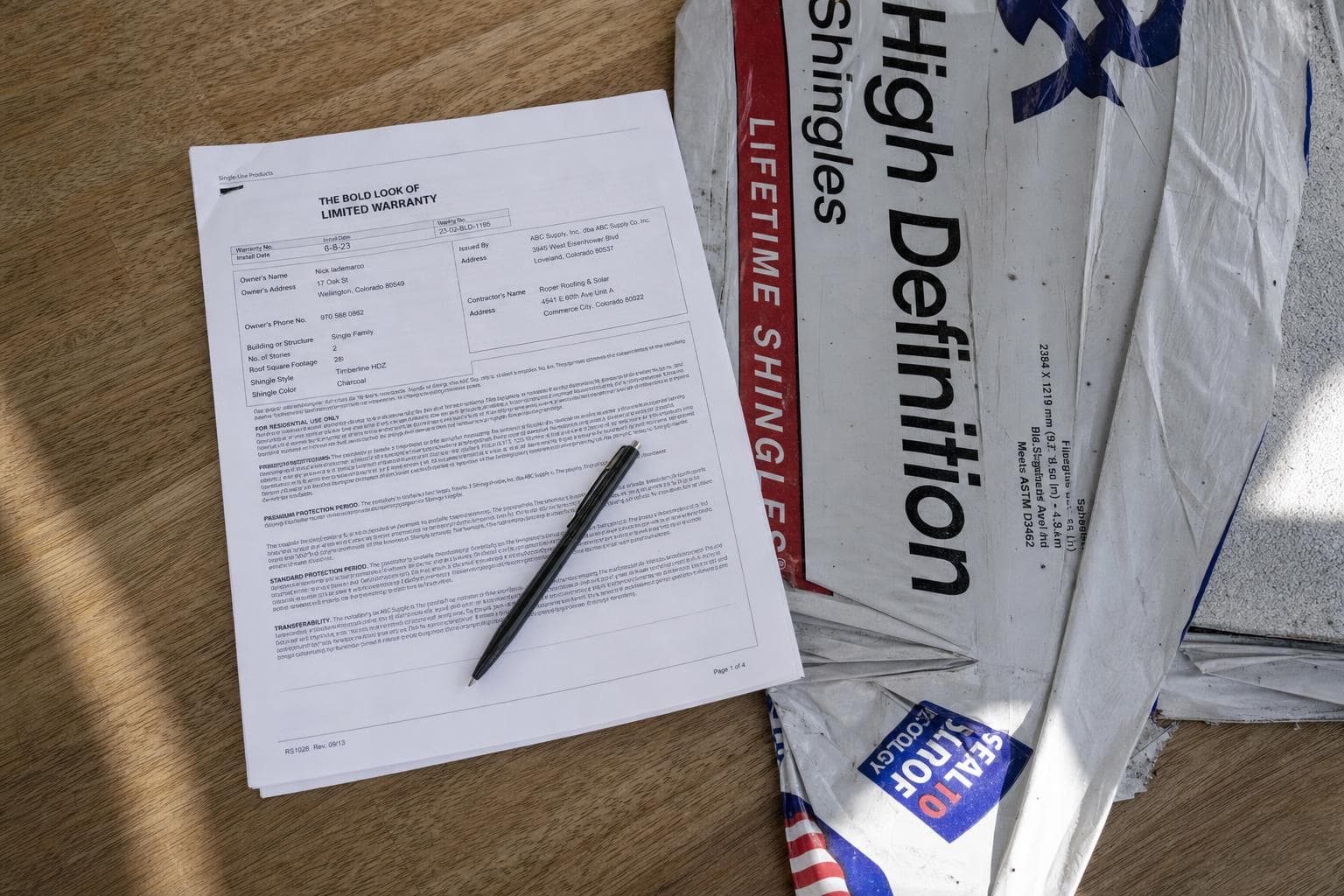
- Keep the product paperwork after the job is complete
- Ask your carrier what documentation they want before you replace the roof
That last step is important. You do not want to pay for an upgrade and then learn your carrier needs a specific document you did not save. If you can confirm the discount up front, it becomes much easier to judge whether the added cost makes sense for your budget.
Talk to a roofer today
Planning ranges, scope details, and a direct path to request a roofing quote.
When are Class 4 shingles worth the extra money?
They are usually worth the extra money when you are already replacing the roof, the upgrade gap fits your budget, and you want a stronger shingle than standard architectural options.
- You plan to stay in the home long enough to value the added durability
- Your carrier confirms a Class 4 discount on the wind/hail premium portion
- Your current roof is already due for replacement, so the upgrade is part of a project you need anyway
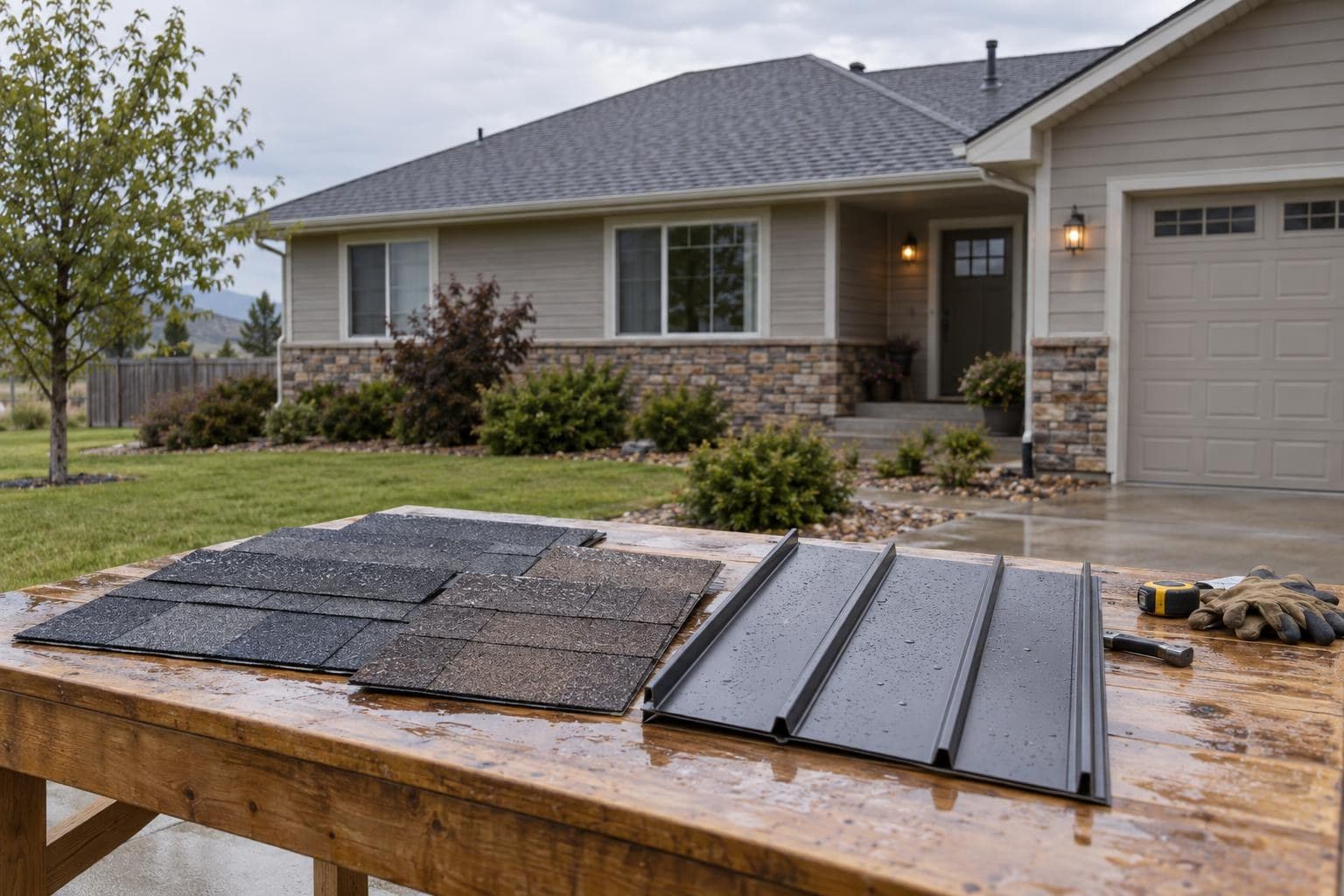
- You want a middle-ground option between standard shingles and standing seam metal
- Your roof has a history of storm wear, missing shingles, or recurring repair calls
When are Class 4 shingles not worth it?
They may not be worth it if you are moving soon, your carrier offers no discount, or the roof problem is really about poor flashing, ventilation, or installation details rather than shingle toughness. A stronger shingle does not fix every roof issue. If leaks are coming from penetrations, wall flashing, valleys, or storm-torn accessories, you still need those details addressed correctly.
They may also be harder to justify if your roof only needs a limited repair. If the rest of the roof is in good shape, a focused repair may be the better move for now. On the other hand, if repair costs keep piling up or storm damage is spread across many slopes, replacement can become the cleaner long-term decision.
What should you do after a Delaware storm if your roof is damaged?
Start with temporary protection and documentation, then slow down before signing a full repair contract. Delaware's storm preparedness guidance says, "The policy requires the policyholder to protect the property from further damage." After a storm, that means you may need to arrange temporary steps like covering roof openings and keeping records of what you spent.
State guidance says you may need to make immediate temporary repairs after a storm, keep all bills and receipts, and "Do not contract for repairs, other than temporary repairs, prior to agreement with the claim adjuster or agent." It also says, "Do not be rushed into signing repair contracts." Delaware also tells homeowners to photograph damage, keep receipts and old records, and make a list of damaged items and structural issues, including missing roof tiles and other visible building damage. The same guidance says the more information you have, the faster your claim generally can be settled.
If the home is unsafe or not livable, say that clearly when you report the claim. Delaware's storm guidance says people whose homes are not livable or have severe structural damage will be given first priority in having claims handled, with less severe and minor damage following after that.
How do you choose a roofer for a Class 4 upgrade in Delaware?
Keep it simple and verify the basics before work starts. In Delaware, roofing falls under construction services, and state guidance says businesses that perform construction services must be registered with the Delaware Department of Labor's Office of Contractor Registration before work begins in the state. State guidance also says contractors conducting business activity in Delaware are required to register with and obtain a business license from the Delaware Division of Revenue.
Ask your local roofing contractor you have vetted for the exact business name they use for registration, confirm they appear in the state's contractor registry, and confirm they hold a Delaware business license. You should also review the written scope, materials, cleanup terms, and payment terms before signing. After storm damage, Delaware's insurance guidance also says it is best to deal with local, reputable contractors and not to be rushed into signing repair contracts.
So, are Class 4 shingles worth it in Delaware?
Yes, for many homeowners they are, especially if you are already replacing the roof and your carrier offers a discount on the wind/hail premium portion. Delaware roofs face strong wind, heavy rain, coastal storms, and moisture that can turn small roof problems into bigger leaks. Class 4 shingles will not solve every roofing problem, but they can be a smart upgrade when you want more impact resistance without jumping all the way to standing seam pricing.
Your best next step is to compare the upgrade cost on your roof, ask your carrier about Class 4 paperwork and discount rules, and review the full local numbers on the Delaware cost page and the calculator. If the price gap fits your budget and the discount is real on your policy, Class 4 is often a practical Delaware upgrade.
Sources
Reviewed technical references for Delaware
Related Delaware roofing guides
Related services
Updated July 10, 2026
3D Roofs Editorial Team
Editorial Standards