Updated July 27, 2026

3D Roofs Editorial Team
Editorial Standards
Yes, Class 4 shingles can be worth it in Montana, especially if you want more impact resistance in a state where hail is a standout risk. The tradeoff is simple: you pay more up front than Class 3 shingles, and in return you may get a tougher roof covering and, in some cases, an insurance discount. Whether that is worth it for your home comes down to your budget, your roof condition, your carrier's rules, and how long you plan to stay in the house.
How much more do Class 4 shingles cost in Montana?
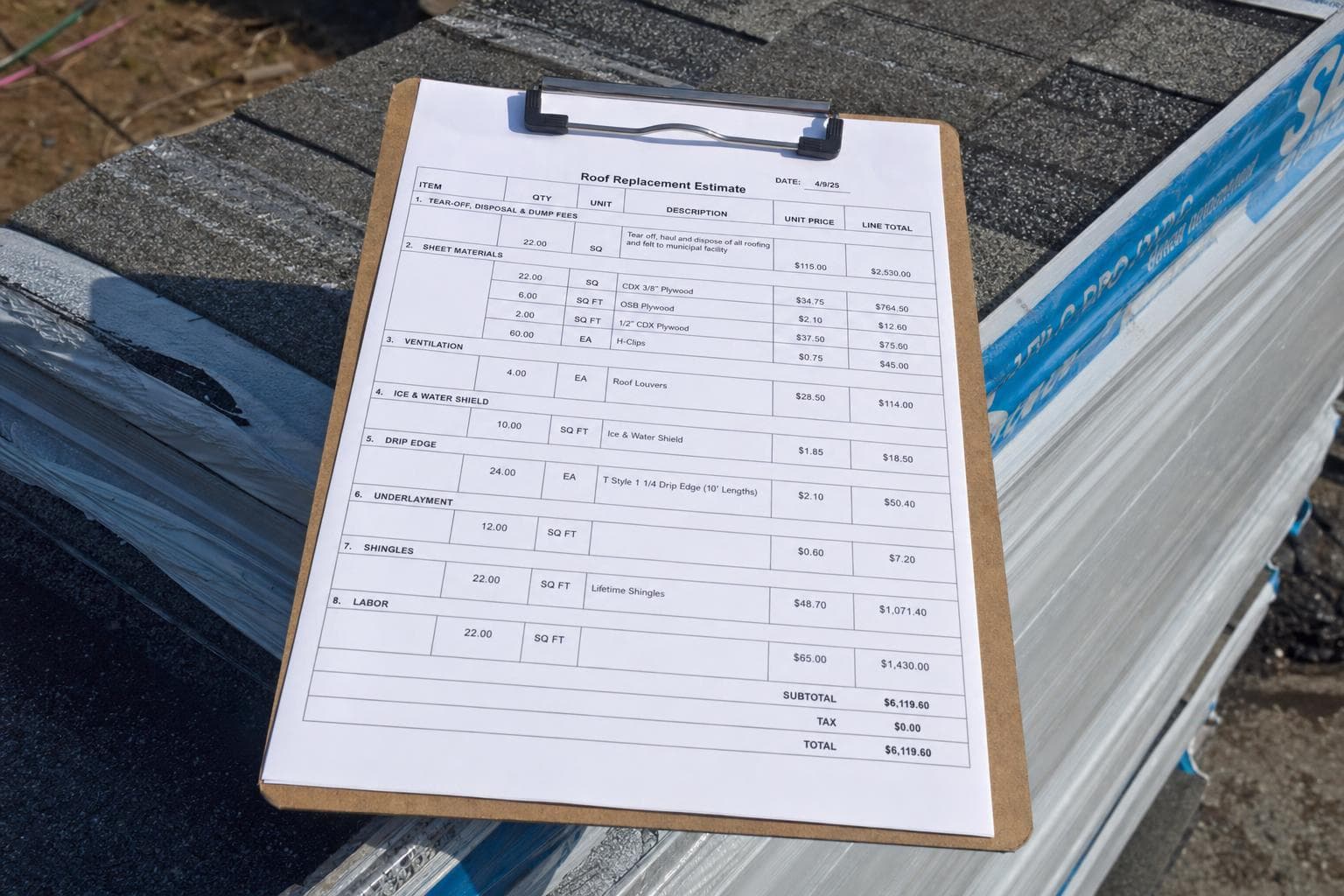
The upgrade cost is clear in the latest local cost data. For an early budget on an impact-resistant shingle decision in Montana, compare the Montana cost page with a proposal that identifies measurements, products, accessories, and exclusions. The schedule for an impact-resistant shingle decision in Montana should explain access, material staging, weather protection, inspections, and the process for discovered deck work.
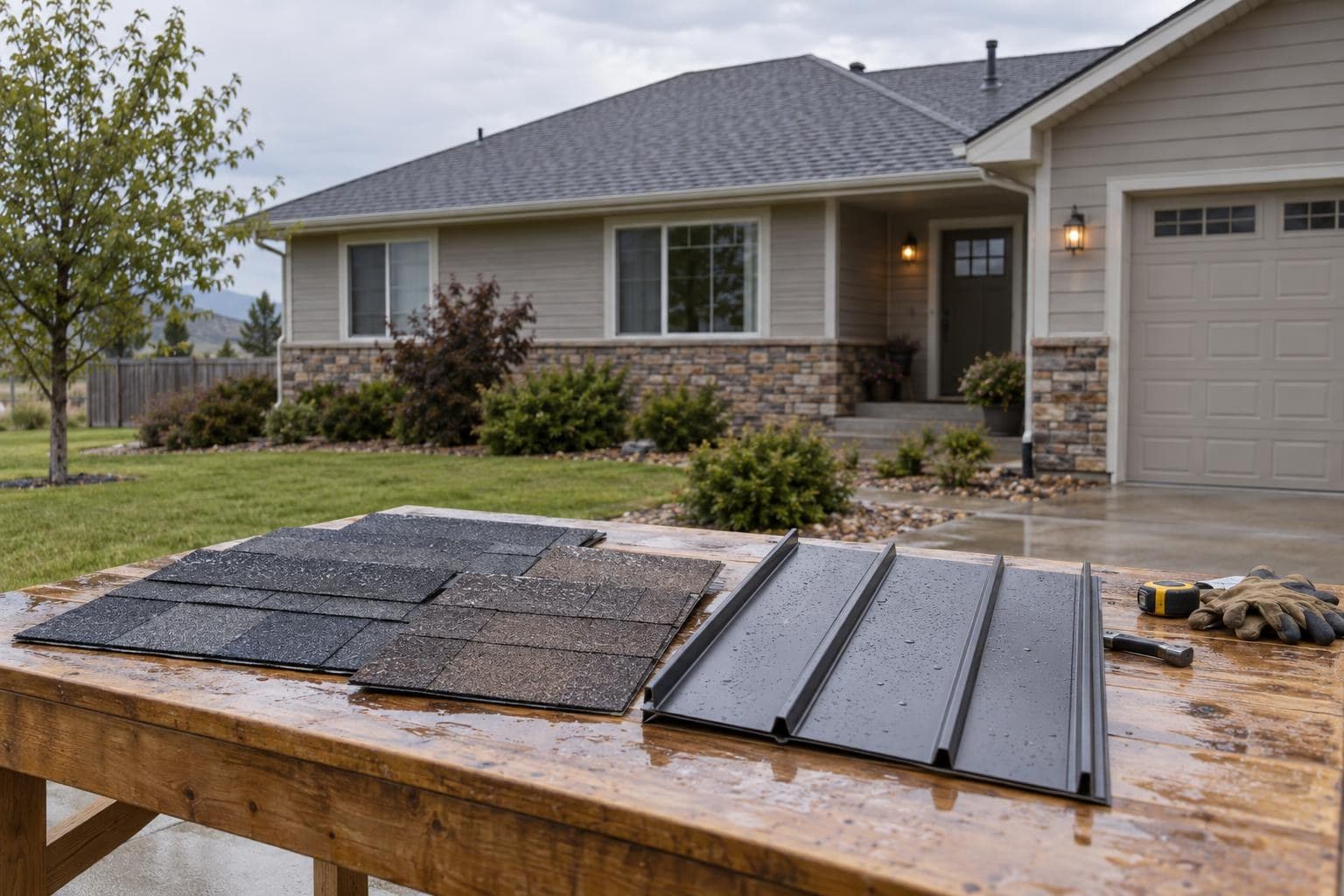
For many homeowners, that means Class 4 sits in the middle. It costs more than a standard architectural shingle upgrade, but far less than standing seam metal. If you want better hail resistance without jumping to a much higher roofing budget, that middle ground is the main reason Class 4 gets serious attention in Montana.
Do Class 4 shingles help with hail in Montana?
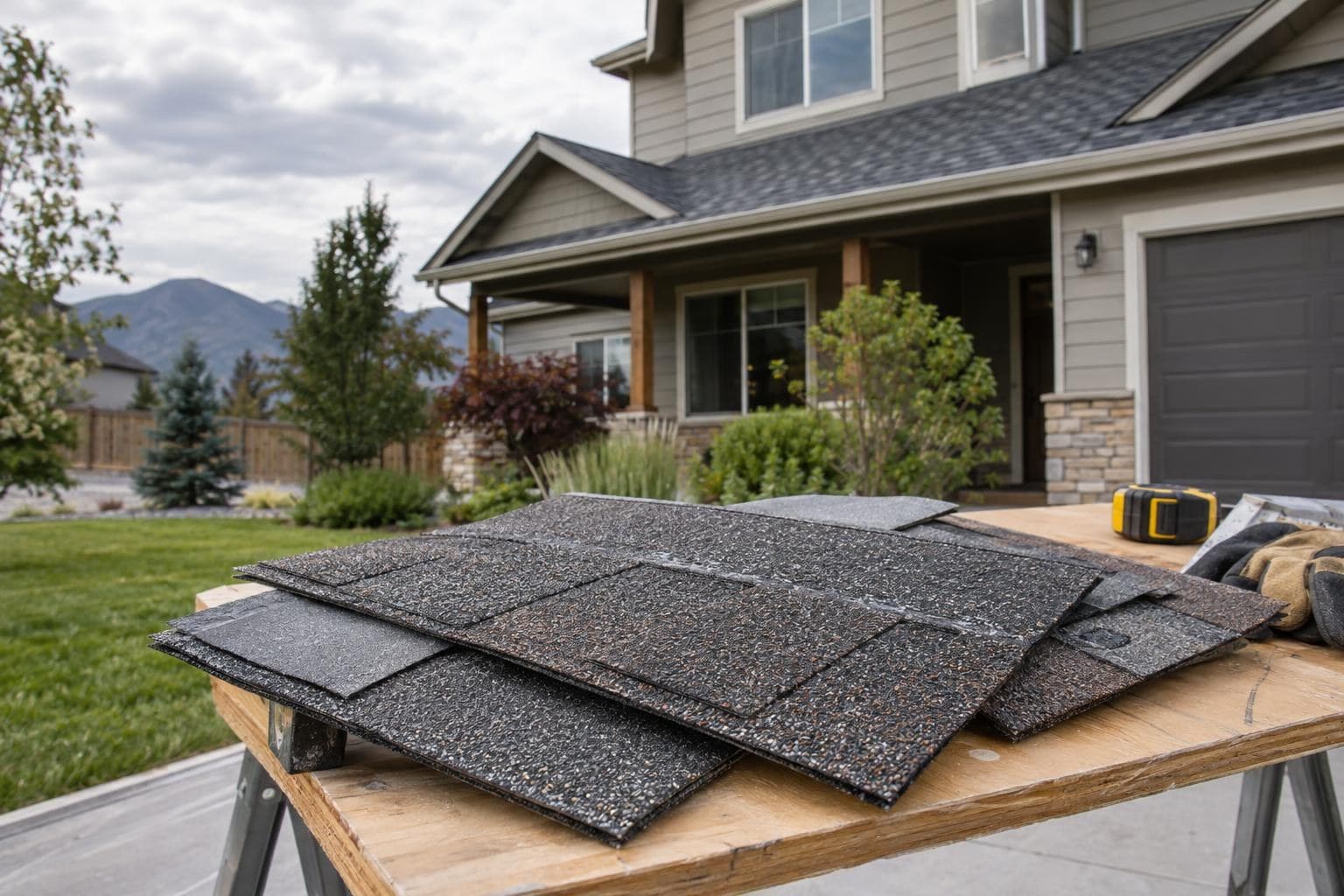
Yes, that is the main reason to consider them. your roof in Montana can be exposed to hail, wind-driven rain, and fast-moving storms. Hail is a standout risk in the state guidance, and even when damage looks minor from the ground, it can leave bruising, punctures, lifted roofing materials, and openings that let water in later. For class 4 shingles in Montana, treat Class 4 as a laboratory impact classification for the exact product, not a promise that the installed roof will resist every hail event or avoid damage.
That does not mean a Class 4 roof is damage-proof. A severe storm can still damage any roofing material. What Class 4 changes is the risk profile. If your area sees repeated hail and hard weather swings, paying more now may help you avoid some repair headaches later.
Will your insurance company give you a discount for Class 4 shingles?
Maybe, and you need to confirm it with your carrier before you replace the roof. When comparing an impact-resistant shingle decision in Montana, use a written insurer response rather than a sales estimate for any impact-resistant roof credit. That is not a statewide guarantee, and it is not a flat discount on your whole policy. Carriers set their own rules, and the state guidance here does not give one standard Montana discount for every insurer.
The practical move is to ask your carrier two questions before you sign anything: does it offer a discount for a Class 4 roof covering, and what documentation does it need? You should also confirm that the exact shingle product you are considering qualifies. That way you can compare the upgrade cost against the actual discount available to you, instead of assuming the savings will be there later.
Talk to a roofer today
Planning ranges, scope details, and a direct path to request a roofing quote.
When does the Class 4 upgrade make financial sense?
It makes the most sense when you have meaningful hail exposure, plan to keep the home long enough to benefit from the roof, and can capture an insurer discount that helps offset the added cost. Some homeowners are comfortable paying that premium for better impact resistance alone. Others want the added protection plus an insurance discount before the numbers feel right.
- Choose Class 4 if hail worries you more than the added upfront cost.
- Choose Class 4 if your carrier confirms a discount and tells you exactly what proof it wants.
- Choose Class 3 if budget is tight and you need to control replacement cost now.
- Compare standing seam if you are already considering a major step up in budget and want to weigh a very different material option.
What should you do after a Montana hailstorm if you think the roof is damaged?
Start by documenting the damage, then protect the house from further damage, and contact your insurer to begin the claim. Montana's insurance regulator says you should take photos and document damage before you begin to clean up or repair. It also says you should take steps to prevent further destruction of the property, including covering broken windows and holes in roofs and placing coverings over areas that could get water or wind damage.
That matters because hail damage is not always obvious from the yard. What looks minor can still create bruising, punctures, lifted materials, and future leaks. If your roof has openings, act quickly on temporary protection while preserving good records. Then review your policy so you understand your deductible, what is and is not covered, and your responsibilities before you decide on repair versus replacement.
How do you avoid bad roofing decisions after a storm?
Slow the process down and stick to written proof. State guidance says you should contact your insurance company and get the claims process started, then review your policy to understand your deductible, what is and is not covered, and your responsibilities. Montana also warns homeowners to beware of high-pressure sales tactics, "storm chasers," and unsolicited offers from contractors. The guidance says not to feel rushed to sign a repair contract, to get multiple bids, to check references, and to choose a contractor who will work with you and your insurance adjuster to assess damage and repair costs.
You should also insist on written bids and a written contract. State guidance says to always get written bids before authorizing work to begin, get a written contract, and never pay in full for work before it is completed. It also says to pay with a check or credit card, never cash, and not to pay for work that has not yet been completed. A local contractor whose credentials you verified should be able to explain the scope, materials, timing, and payment schedule in plain language.
How do you check a roofer in Montana before replacing with Class 4?
Ask for proof of current Montana standing, verify it through the state, get references, and insist on a written contract. Montana's contractor registration rules matter, but they do not replace your own homework. The Montana Department of Labor and Industry says all construction contractors with employees must register, and it tells homeowners to ask for proof of a contractor's CR and verify it is in good standing. The same source also says the CR certificate is not a license and does not ensure quality of work.
There is also a program change to know about. Beginning January 1, 2026, Montana Contractor's registration program will transition to a license administered by the Montana Department of Labor and Industry. For you, the takeaway is simple: verify current Montana standing, get multiple bids, check references, and make sure the contract spells out scope, materials, timing, payment tied to completed work, and responsibility if the job is not finished.
How long does a Class 4 roof replacement take in Montana?
Those resources can help you line up Class 3, Class 4, and standing seam numbers for your roof size before you talk with your carrier and your roofer.
So, are Class 4 shingles worth it for your Montana home?
For many Montana homeowners, yes. If you want stronger hail resistance, are comfortable with the added upfront cost, and your carrier offers a discount on the wind/hail premium portion, Class 4 shingles are often a smart middle-ground upgrade. If your main goal is the lowest replacement cost today, Class 3 may be the better fit. The right move is to compare the current planning prices, verify the insurance discount with your carrier, and get written bids from a roofer whose credentials and written scope you checked before you decide.
Sources
- UL Solutions: UL Solutions and IBHS Drive Trust in Residential Roofing Shingles
- Insurance Institute for Business & Home Safety: Natural Weathering and Hazard Exposure
- Montana Commissioner of Securities and Insurance, Hail consumer guidance
- Montana Department of Labor and Industry, Construction Contractor Registration
Reviewed technical references for Montana
Related Montana roofing guides
Related services
Updated July 27, 2026
3D Roofs Editorial Team
Editorial Standards