Updated July 27, 2026

3D Roofs Editorial Team
Editorial Standards
Yes, Class 4 shingles can be worth it in New Hampshire if you want more impact resistance, plan to stay in the home, and your insurer offers a meaningful discount. The upgrade is not automatic for every home, though. You need to compare the added current local cost ranges with the weather your roof sees, the age and condition of your current roof, and whether your carrier offers a Class 4 benefit. In New Hampshire, roofs deal with snow, ice, wind, heavy rain, and seasonal temperature swings, so durability matters. The key is to buy the upgrade for the right reasons, not just because it sounds tougher.
Are Class 4 shingles worth the extra cost in New Hampshire?
Usually, yes, if you want a stronger asphalt roof without jumping all the way to metal. For an impact-resistant shingle decision in New Hampshire, start with current New Hampshire cost data, then test the planning range against a measured proposal that names the complete roof assembly. If you like the price range and look of shingles but want more impact resistance, Class 4 sits in the middle. For many homeowners, that makes it the practical upgrade, not the cheapest option and not the highest-cost option either.
What weather does a New Hampshire roof need to handle?
A New Hampshire roof needs to handle a lot, and that is one reason Class 4 gets serious attention here. New Hampshire roofs deal with snow, ice, wind, heavy rain, and seasonal temperature swings. Those conditions can stress shingles, flashing, roof penetrations, and attic ventilation over time. Wind can damage roof coverings, and water can become a bigger problem when it gets past aging materials or vulnerable details. That does not mean every home needs a Class 4 roof, but it does mean durability upgrades are easier to justify in this climate than in a milder one. If your home is exposed to open wind, tree debris, or repeated freeze-thaw cycles, the value case gets stronger.
Do Class 4 shingles help with hail and impact damage?
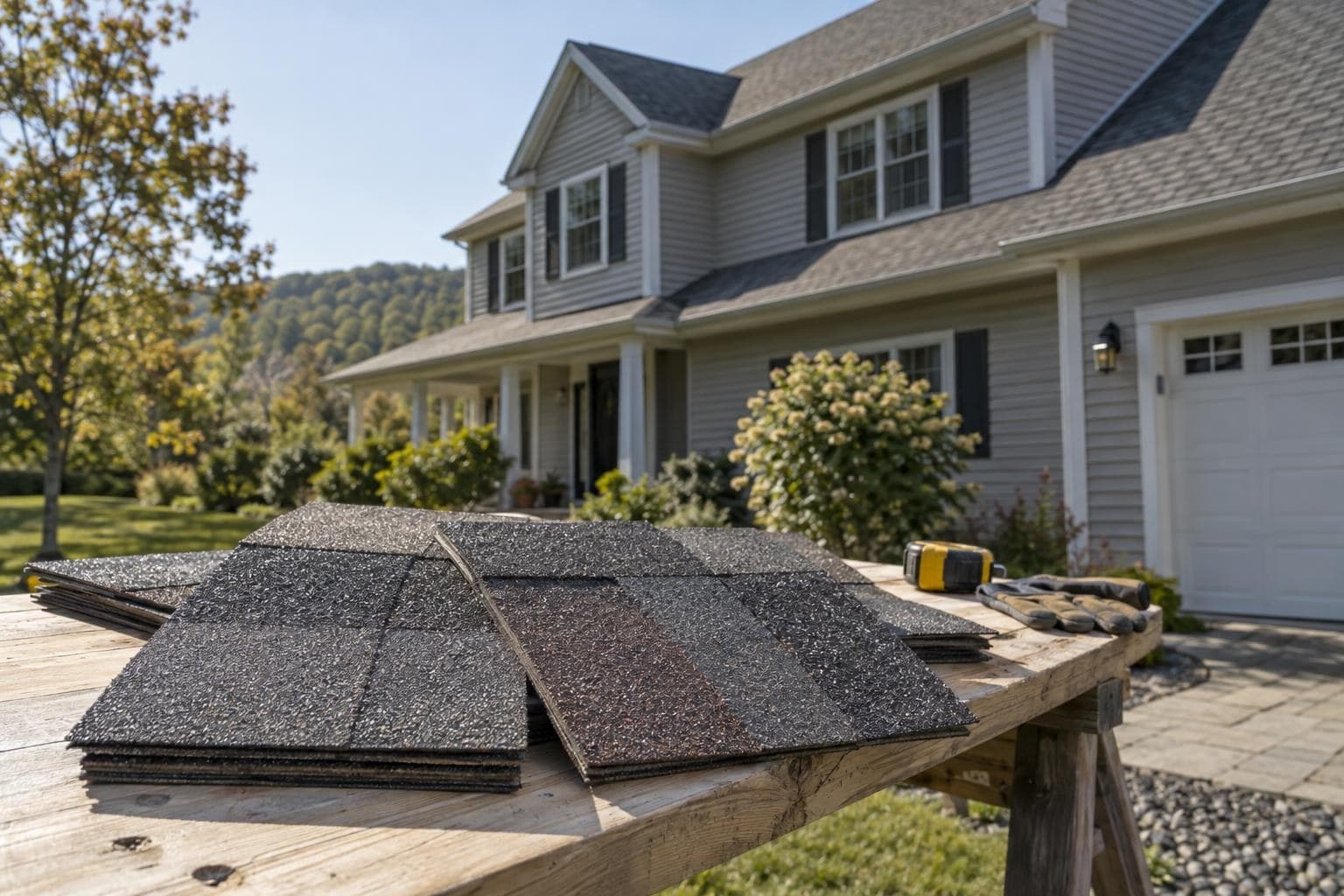
Yes, that is the main reason to consider them. Class 4 shingles are built for stronger impact resistance than standard shingles, so they are often chosen by homeowners who want more protection from hail and debris strikes. In New Hampshire, hail may not be the only concern, but impact resistance still matters because roofing materials are not just dealing with one type of stress. Wind-driven debris, branch strikes, and repeated weather wear can all add up. Class 4 will not stop every kind of roof problem, and it will not fix weak flashing or bad ventilation, but it can be a smart step if impact resistance is high on your list.
Talk to a roofer today
Planning ranges, scope details, and a direct path to request a roofing quote.
How much more do Class 4 shingles cost than standard shingles?
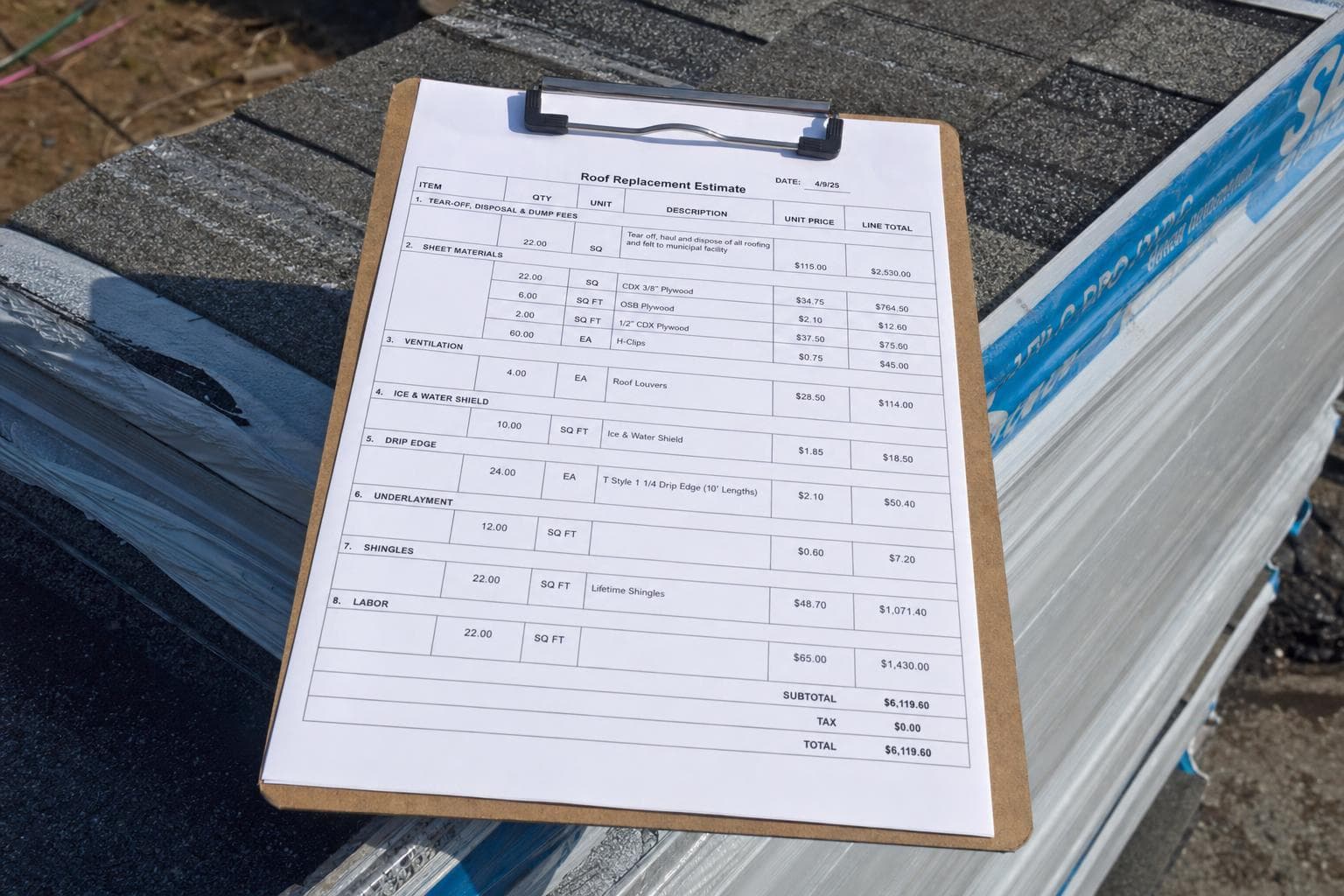
On a typical 2,000 sq ft roof, the difference is straightforward. For an impact-resistant shingle decision in New Hampshire, steep or complex areas should be priced from measured geometry, safety setup, staging, labor, and material handling rather than a flat surcharge. For an impact-resistant shingle decision in New Hampshire, require the written schedule to account for roof geometry, access, weather protection, material handling, inspections, and possible deck work.
Will your insurance company give you a discount for Class 4 shingles?
Maybe, and you need to ask before you buy. For an impact-resistant shingle decision in New Hampshire, treat any impact-resistant roof credit as unconfirmed until the insurer identifies the eligible product, required documentation, premium portion, and amount in writing. That means you should confirm the details with your insurer before you commit to the upgrade. Some homeowners assume every policy will give the same break, and that is not how it works. Ask whether the material qualifies, what documentation is needed, and whether the discount applies right away or at renewal. The savings can help offset the added roof cost, but only your insurer can tell you what your policy actually allows.
What should you know about New Hampshire roof insurance claims?
For class 4 shingles in New Hampshire, coverage depends on the policy language, cause of loss, exclusions, and the insurer's decision; verify those terms in your own documents. The New Hampshire Insurance Department says most homeowner policies cover damages to the dwelling caused by tornadoes or other wind damage. The department also says an insurer is only obligated to pay the cost of repairing the part of your roof that was damaged by a covered peril. If the entire roof needs replacing because of normal wear and tear, you will be responsible for paying the additional cost. The department also says the nonrenewal of a homeowner's insurance policy is not allowed if the nonrenewal is based solely on the insured having filed a single valid claim within any one previous or current policy term.
Does Class 4 make more sense than metal for most homes?
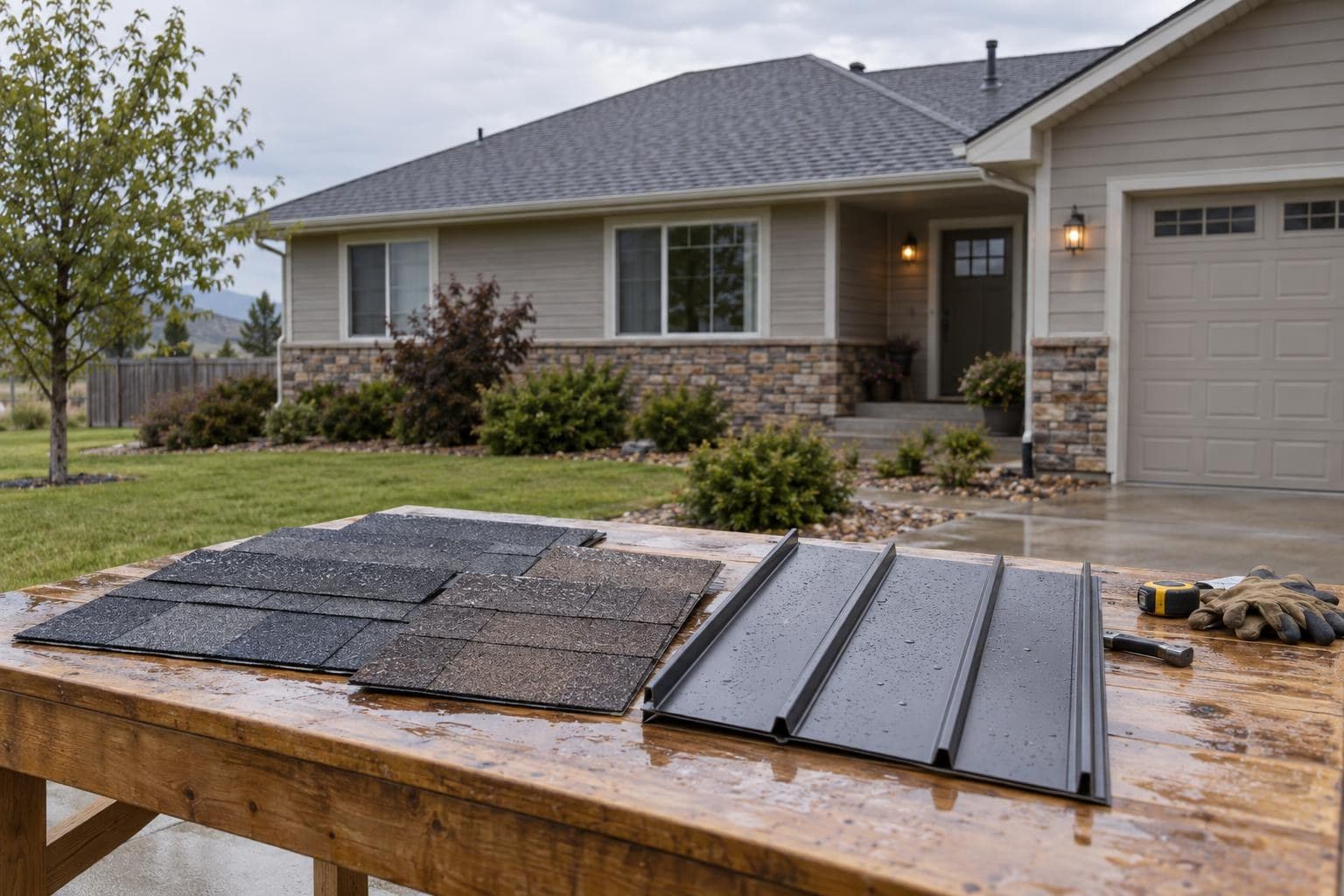
For many homes, yes, if you want a more durable shingle roof without paying standing seam pricing. That is a major difference. Metal can still be the right fit for some homes, but if your goal is a step up from standard shingles at a more manageable price, Class 4 is often the more realistic move. It gives you an upgrade path without doubling your roofing budget.
How do you decide if the upgrade pays off for your home?
Start with three questions: how long you plan to stay, how exposed your roof is, and what your insurer will do. If you expect to stay in the home for years, have a roof that takes weather from multiple directions, or can get a real discount on the wind/hail premium portion, the math gets better. If you are selling soon, have limited storm exposure, or your carrier offers no benefit, the case is weaker. You should also look at the current roof condition. If age, worn details, or leaks are already the bigger issue, buying better shingles alone may not solve the real problem. A roof system is only as strong as its weak points.
What should you ask before hiring a roofer in New Hampshire?
- Get at least three written, itemized estimates.
- Ask for references from past jobs and suppliers.
- Ask for proof of insurance.
- Check the roofer's address and phone number.
- Make sure you have a written contract before work starts or money changes hands.
- Confirm the contract includes the scope of work, materials, total price, and payment schedule.
- Be cautious if someone shows up door to door, pushes you to sign right away, asks for a large deposit upfront, wants full payment before completion, insists on cash or electronic payment apps like Zelle or Venmo, or gives a vague proposal.
This step matters in New Hampshire because, according to the New Hampshire Department of Justice, contractors do not need to be licensed in the state. That is why you need to slow down and compare details, not just prices. If you also have flood exposure, keep that separate from your roof decision. The New Hampshire Insurance Department says homeowners policies do not cover most flooding, and that you need a separate flood insurance policy to protect your home and belongings against flood damage. If claim handling becomes a problem after storm damage, the department says complaints should be submitted in writing to the department, and that staff can answer insurance-related questions and provide guidance and information. Check your policy first, compare the roof system as a whole, and use the New Hampshire cost page and the calculator to size up your next step.
Sources
Reviewed technical references for New Hampshire
Related New Hampshire roofing guides
Related services
Updated July 27, 2026
3D Roofs Editorial Team
Editorial Standards