Updated July 27, 2026

3D Roofs Editorial Team
Editorial Standards
Yes, Class 4 shingles can be worth it in New Jersey, but mainly when you want stronger impact resistance, expect to stay in the home, and may qualify for an insurer discount. The tradeoff is simple: you pay more up front for a tougher shingle, and the value depends on your storm exposure, your policy details, and how long you plan to keep the roof.
Are Class 4 shingles worth the extra cost in New Jersey?
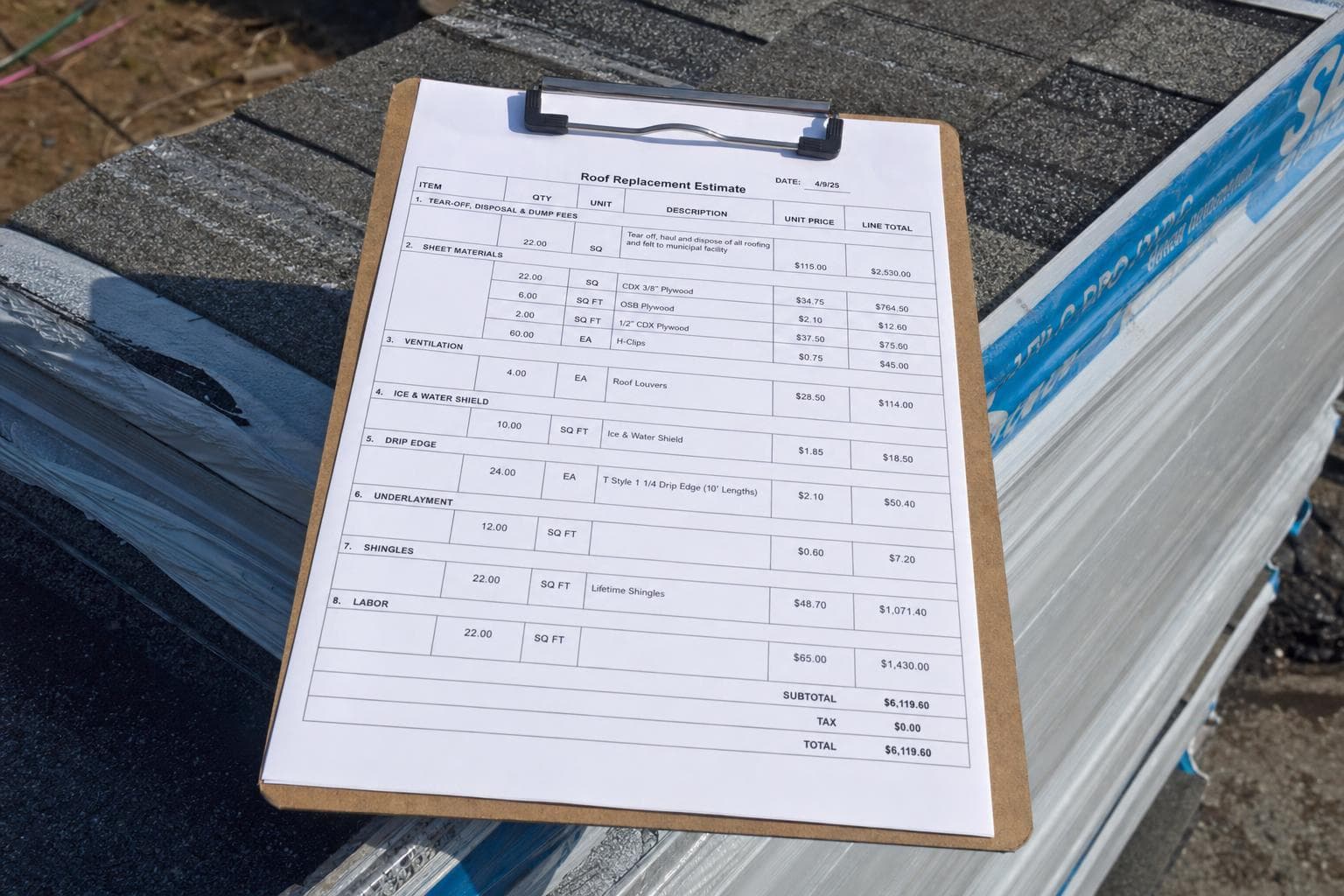
Often, yes, if you are comparing them against a standard architectural upgrade and you care about hail and storm durability. Check current New Jersey cost data for an impact-resistant shingle decision in New Jersey, then replace the range with an assembly-specific proposal based on measured conditions. Before approving an impact-resistant shingle decision in New Jersey, have the bidder connect timing to roof complexity, crew access, material handling, weather, inspections, and concealed conditions.
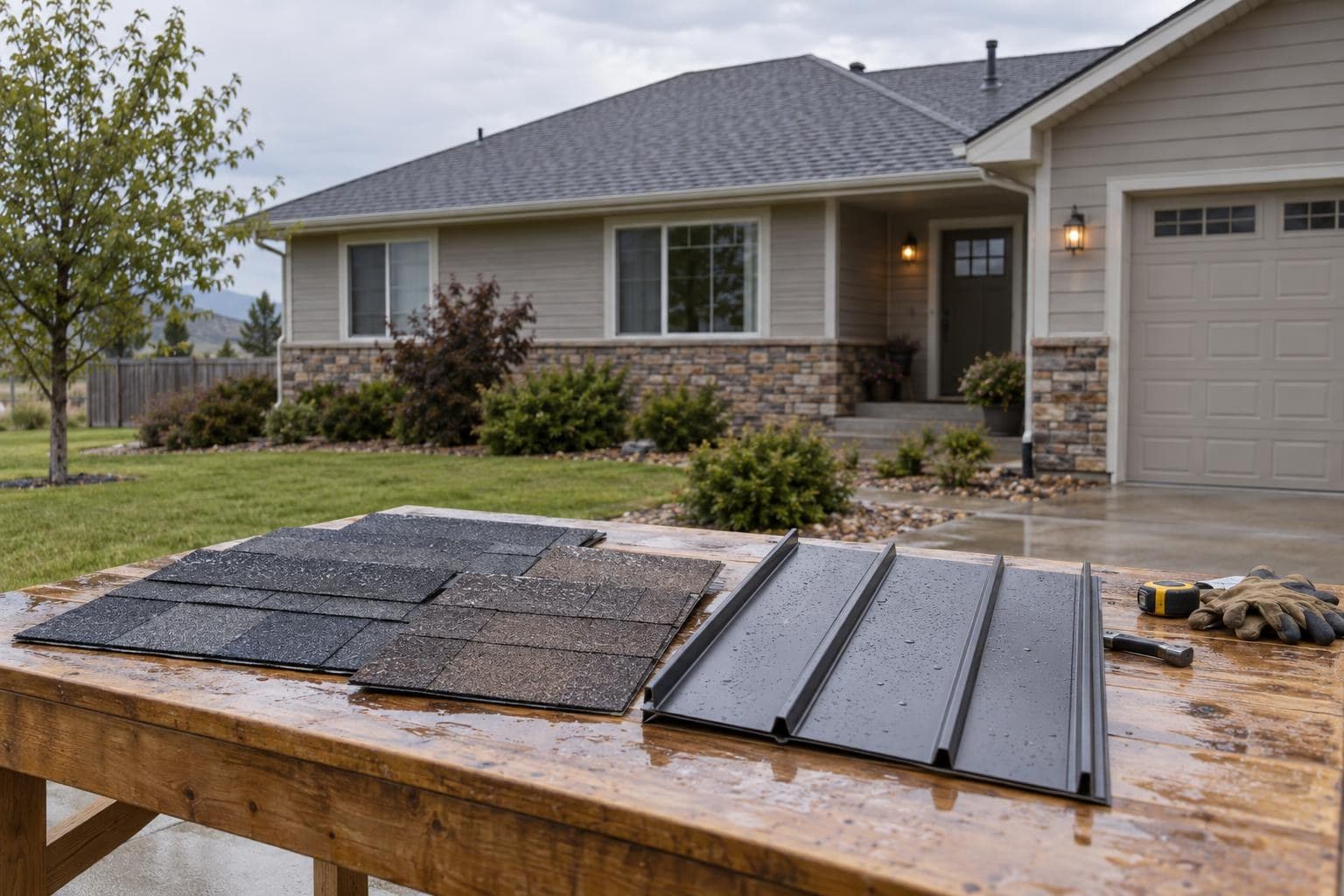
That price gap is meaningful, but it is not the same jump you would see moving to standing seam metal. So for many homeowners, Class 4 sits in the middle: more protection than a Class 3 shingle, without jumping all the way to metal pricing.
What do Class 4 shingles actually help with in New Jersey weather?
They mainly help with impact resistance, and that matters because New Jersey roofs take wear from wind-driven rain, storm gusts, hail, and seasonal temperature swings. Near the shore, storms can push wind and water hard against roof edges, flashing, and penetrations. Inland, repeated wet weather can expose weak spots around valleys, chimneys, and older shingles. A Class 4 shingle does not stop every kind of roof damage, but it can make your roof less vulnerable to impact-related wear than a lower-rated option.
That matters most when your current concern is storm resilience, not just appearance. If your area gets hit with hail or repeated strong storms, paying more for a tougher shingle can be easier to justify. If your roof problems are more about age, bad flashing, or ongoing leak points, the bigger value may come from making sure the replacement scope is solid, including how flashing and ventilation are handled.
How much can insurance discounts change the math?
They can help, but you should treat them as a possible bonus, not a guarantee. A Class 4 rating does not establish a policy credit in New Jersey; the carrier and policy determine eligibility, documentation, and savings. It applies to the wind/hail portion, and carriers set their own discounts and eligibility rules.
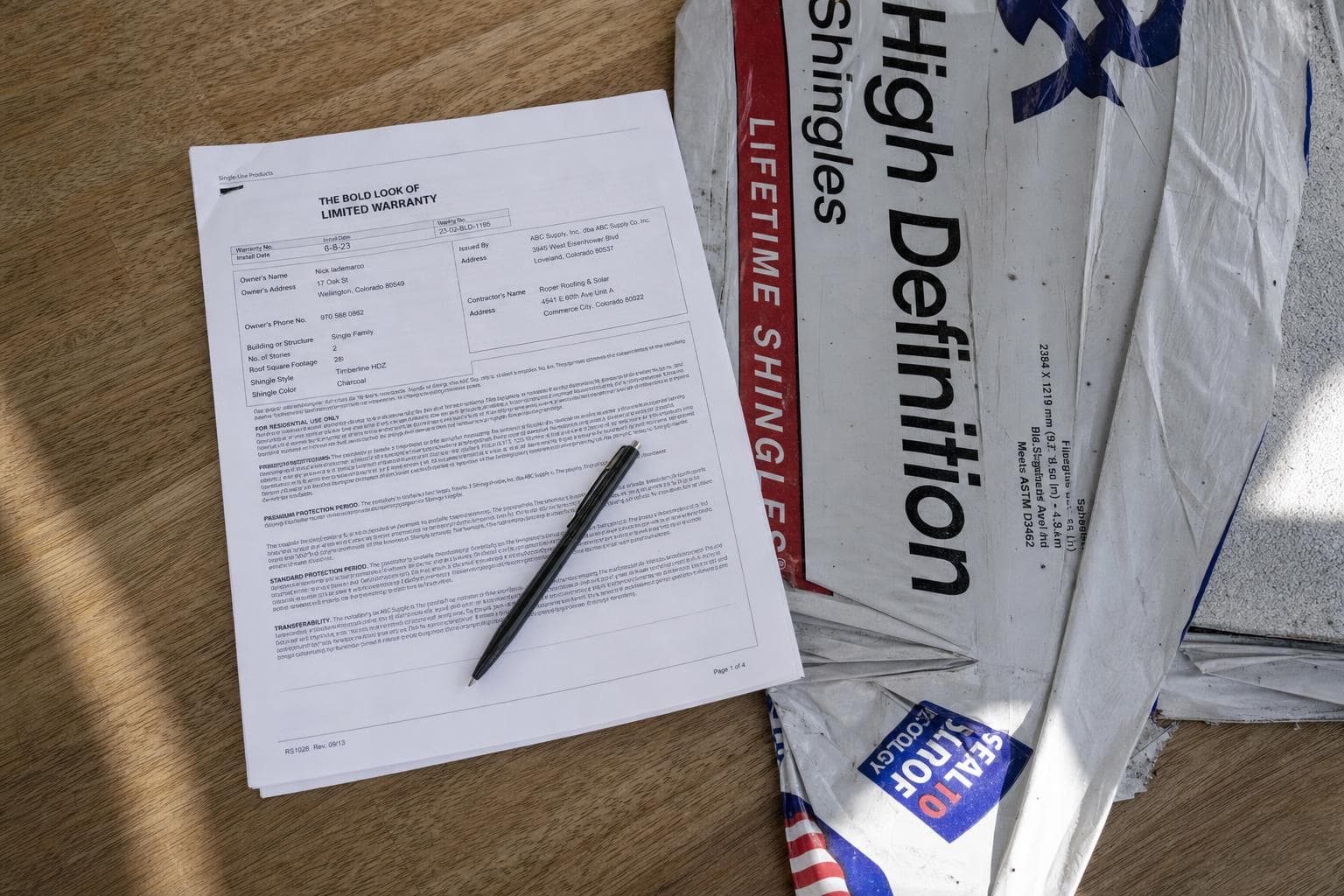
In New Jersey, the smart move is to ask your carrier whether it offers a discount for a Class 4 impact-resistant shingle, and what documentation it wants. Your savings, if any, depend on your policy and underwriting. a roofer whose credentials and written scope you checked can help you compare product options and gather the product documentation your carrier may ask for.
Talk to a roofer today
Planning ranges, scope details, and a direct path to request a roofing quote.
Does New Jersey insurance make roof upgrades more important?
Yes, because your coverage and deductible details can change what a storm actually costs you. State guidance says most standard homeowners insurance policies cover losses caused by fire and lightning, smoke, windstorms or hail, but some policies may include a separate, optional wind/hail deductible, and/or a mandatory or optional hurricane deductible. For class 4 shingles in New Jersey, coverage depends on the policy language, cause of loss, exclusions, and the insurer's decision; verify those terms in your own documents.
That means a stronger roof can matter even if you have insurance. If your policy has a wind or hail deductible that is higher than you expected, avoiding damage in the first place becomes more valuable. It also means you should not assume every storm-related water problem is handled the same way. State guidance says homeowners insurance policies exclude water damage caused by flood. It also says flooding is not covered under standard homeowners policies, and homeowners policies do not cover damage from flooding that accompanies a hurricane. If flood exposure is part of your risk, you may need separate flood insurance.
When does a Class 4 roof make the most sense for your home?
- It makes the most sense if you plan to stay in the home long enough to benefit from the added durability and any carrier discount.
- It makes sense if your roof sees frequent storm exposure, especially hail, gusty weather, or shore-driven wind and rain.
- It makes sense if you are already replacing the roof, because adding impact resistance during a full replacement is easier than second-guessing the choice after the next storm.
- It may be less compelling if you expect to move soon, or if your main roof issues are poor details around flashing, valleys, or penetrations rather than shingle impact performance.
What if you are deciding between repair and replacement?
If the roof still has life left and the damage is limited, repair may be enough. But if your shingles are older, storm-worn, or failing in multiple areas, replacement is usually the point where Class 4 becomes a real consideration.
A good way to frame it is this: a repair solves today’s problem, while a Class 4 replacement can reduce your risk of repeat impact damage later. The right answer depends on the roof condition, not just the product label.
What should you ask before choosing Class 4 shingles?
Ask for the full scope in writing, and keep the conversation practical. You want to know what gets replaced, how flashing and ventilation will be handled, what cleanup is included, and who is responsible for protecting the home if weather hits during the job. If there is storm damage, keep photos, receipts, and a written record of any temporary repairs. State guidance says to report the loss immediately, take pictures of the damage, make a reasonable attempt to protect your property from further loss or damage, and keep receipts for any repairs.
You should also ask your carrier about deductible details before you spend extra for impact resistance. A discount can help, but the bigger insurance question is whether your policy has a separate wind/hail or hurricane deductible. If standard coverage is hard to obtain, state guidance says consumers who are unsuccessful in obtaining coverage through a standard company may apply to the New Jersey Insurance Underwriting Association, known as the FAIR Plan. It says the FAIR Plan provides basic property coverage, but does not provide theft or personal liability coverage. State guidance also says you should consider the FAIR Plan only if you cannot obtain insurance from any other source.
So, should you upgrade to Class 4 shingles in New Jersey?
Yes, if you want a tougher asphalt roof and the extra cost fits your budget. If your home sees hail, strong storms, or shore exposure, and your carrier offers a Class 4 discount, the case gets stronger.
If you are comparing options now, check the full local pricing on the New Jersey cost page and use the calculator to pressure-test your budget. Then talk with a local roofer you have vetted about your roof condition, storm exposure, and the documentation your carrier may require. That is usually the fastest way to decide whether Class 4 is worth it for your house, not just in general.
Sources
Reviewed technical references for New Jersey
Related New Jersey roofing guides
Related services
Updated July 27, 2026
3D Roofs Editorial Team
Editorial Standards