Updated July 27, 2026

3D Roofs Editorial Team
Editorial Standards
Yes, Class 4 shingles can be worth it in South Carolina if you want more impact resistance in a storm-heavy climate and you are willing to pay more upfront for the upgrade. Use the current South Carolina cost page and calculator to plan an impact-resistant shingle decision in South Carolina, then require the measured scope to explain any meaningful difference. That means you are paying more at install, but you may get better resistance to hail impact and you may qualify for an insurance discount, depending on your carrier. If you want the short version, Class 4 is usually worth a serious look in South Carolina because roofs here deal with severe storms, wind-driven rain, and long periods of heat and humidity.
How much more do Class 4 shingles cost in South Carolina?
So for most homeowners, the real decision is not Class 4 versus metal. It is whether the extra cost from Class 3 to Class 4 makes sense for your home, your insurance, and your storm exposure.
Do Class 4 shingles make sense for South Carolina weather?
Yes, they often do, because South Carolina roofs face demanding exposure. South Carolina roofs have to handle severe storms, wind-driven rain, and long periods of heat and humidity. In practical terms, that can mean lifted shingles, flashing problems, leaks that spread quickly if they are not covered, and moisture-related wear that builds over time. For you, that means regular roof checks matter, especially after major weather. Class 4 shingles are designed for better impact resistance, so they are especially relevant if you are worried about hail or storm debris. They are not a cure-all for every roofing problem, but they can be a practical upgrade when storm durability is a top priority.
Will your insurance company give you a discount for Class 4 shingles?
Possibly, and you should confirm it before you choose materials. Do not assume a statewide Class 4 credit in South Carolina; ask the carrier to verify eligibility and paperwork for the exact product and policy. That is the key point: the discount is commonly tied to the wind/hail portion, not necessarily your full premium, and carriers set their own rules. If you are considering an impact-resistant roof, ask your carrier whether it offers a discount for a Class 4 rated product. Discounts and underwriting rules can vary by carrier, so you should confirm the product requirements and any savings directly with your insurer before you choose materials.
Talk to a roofer today
Planning ranges, scope details, and a direct path to request a roofing quote.
How do you decide if the upgrade is worth it for your home?
The simplest way is to compare the added upfront cost with the value you expect over time. If your home is in an area where storms and hail are a recurring concern, that extra cost may feel reasonable for added peace of mind and a possible policy-specific premium credit. If your budget is tight and you are already stretching to cover a replacement, Class 3 may still be the better fit. Your best move is to compare your material options side by side and check what your carrier actually recognizes for a discount. You can also review broader local numbers on the South Carolina cost page and use the calculator to compare roof sizes and material choices more closely.
What if your roof has storm damage right now?
Start documenting it right away and take steps to stop further damage. The South Carolina Department of Insurance says that after a storm, if the area is safe, you should take photos of the damage and then take steps to mitigate any further damage. The example it gives is covering a hole in your roof with a tarp to help prevent more interior damage. It also says to immediately file a claim with your insurance company. It also says to keep all photos and receipts because they will be useful in processing your claim.
- Take photos if the area is safe
- Tarp or otherwise cover openings to help prevent more interior damage
- File your claim right away
- Keep your photos and receipts
- Ask your carrier whether a Class 4 replacement would qualify for any discount
How much does repair versus replacement usually cost?
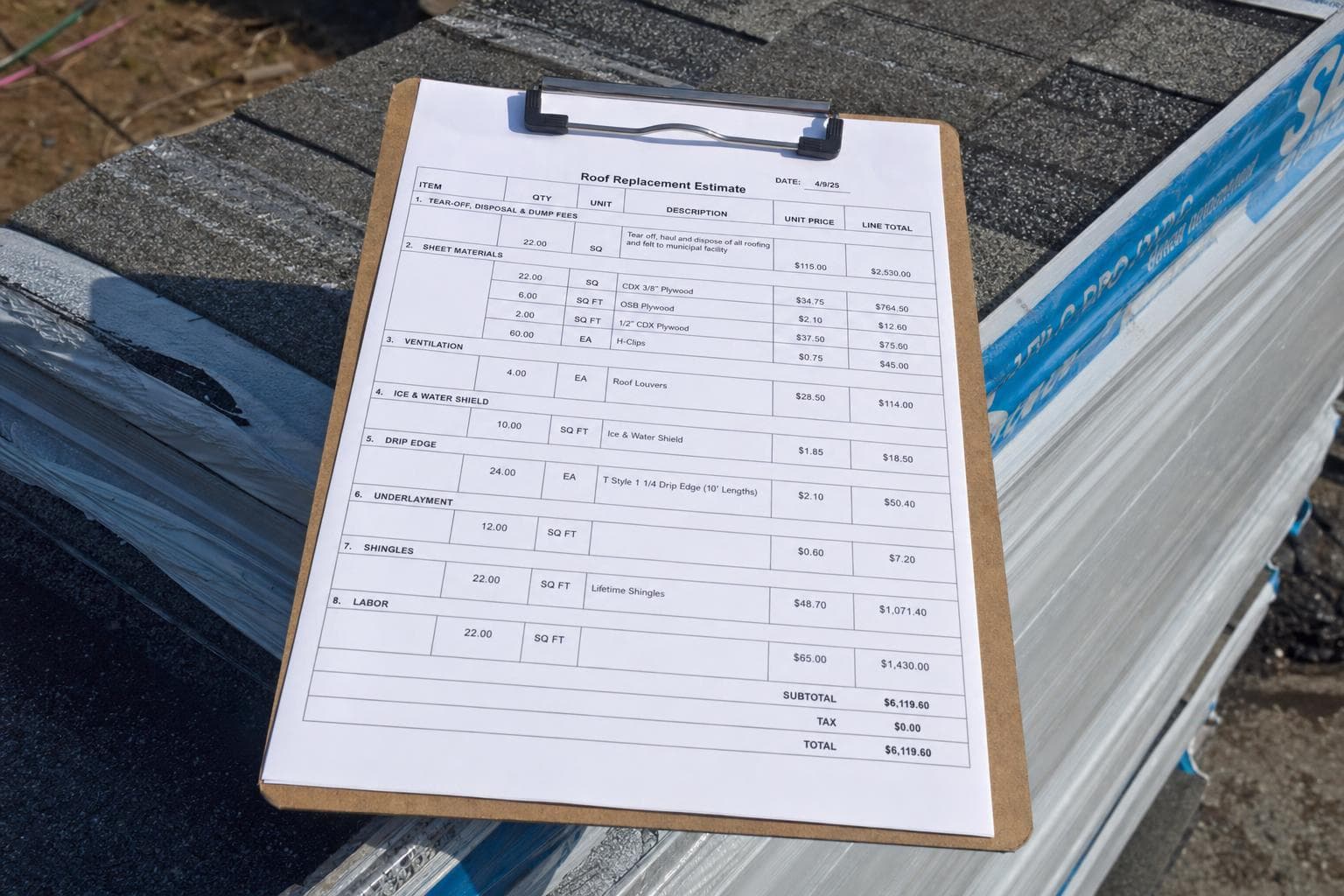
If damage is isolated, a repair may be enough. If your roof has widespread storm damage, repeated leaks, or aging materials, replacement may make more sense. When planning an impact-resistant shingle decision in South Carolina, ask how roof shape, staging, weather, inspections, and concealed deck conditions affect both duration and labor. If you are trying to decide between patching a roof now or upgrading to Class 4, think about whether you are solving a one-off problem or buying a more durable system for the next round of storms.
How do you choose the right roofer for a Class 4 installation?
Choose a qualified local roofing contractor and confirm the work matches the roofing scope you need. South Carolina has a residential specialty contractor registration category for roofers. The South Carolina Department of Insurance says a residential specialty contractor includes roofers doing the installation, alteration, and repair of materials that form a watertight, weather resistant surface for roofs and decks, including accessories, flashing, valleys, gravel stops, and roof insulation panels above the roof deck. The South Carolina Department of Insurance also says this registration applies when undertakings exceed five hundred dollars (an amount that must be confirmed for the written scope). A smart way to vet your roofer is to confirm they fit the roofing scope you need, check the state's licensee lookup or license verification resources, and make sure the work you are hiring for matches the scope the state describes.
Is Class 4 better than standing seam metal in South Carolina?
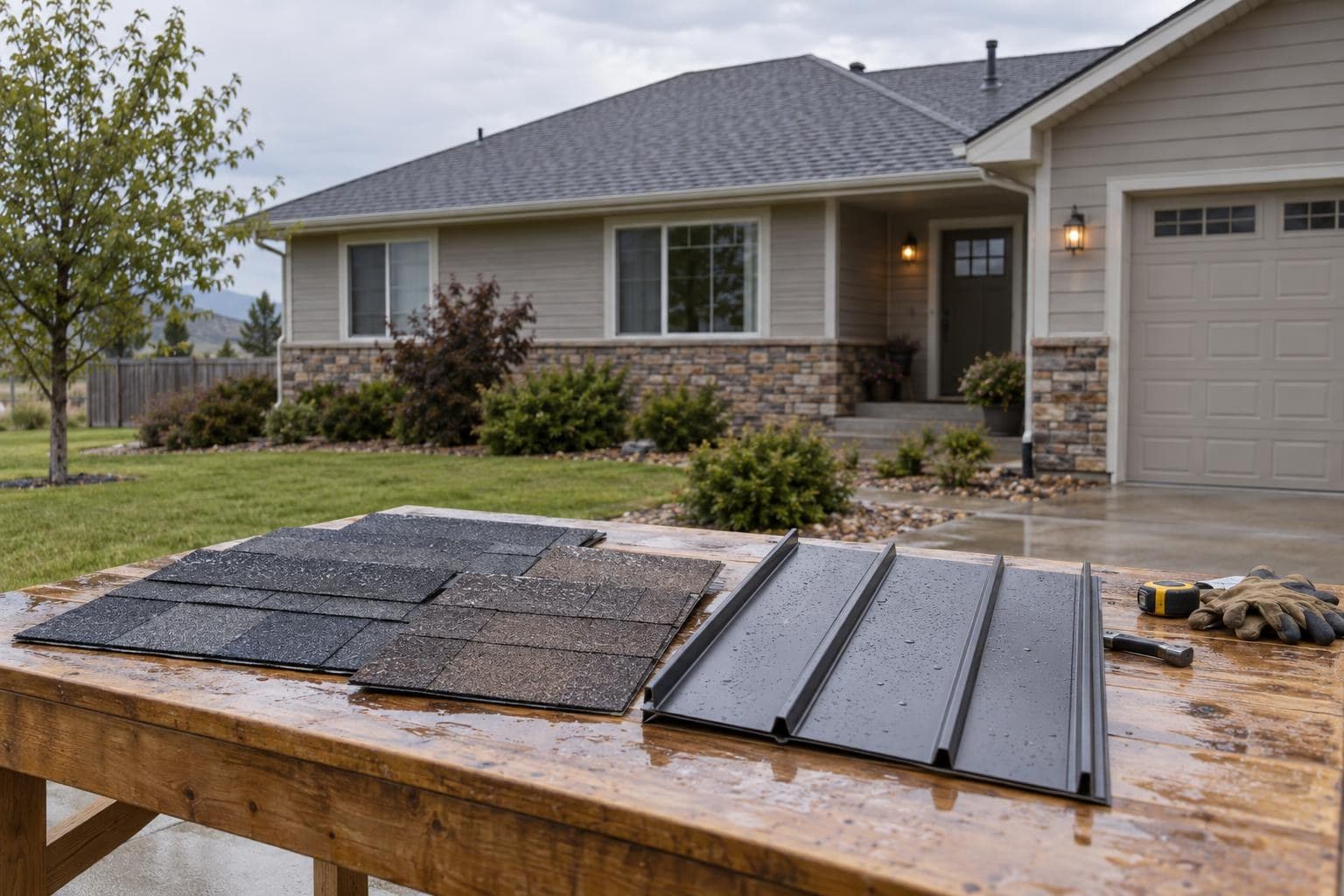
Not automatically. It depends on your budget and what problem you are trying to solve. If you want a meaningful durability upgrade without jumping to metal pricing, Class 4 is often the middle ground. It gives you a stronger impact-resistant asphalt option while keeping your upfront cost much closer to standard shingles than to standing seam.
What should you do next if you are considering Class 4 shingles?
First, check your insurance carrier's exact Class 4 requirements. Second, compare the upgrade cost against your budget and how long you plan to stay in the home. Third, get local pricing for your roof size and complexity. South Carolina weather gives a strong case for choosing tougher materials, but the decision is still personal. If you want the most practical path, look at the full local pricing on the South Carolina cost page, use the calculator to compare materials, and talk with a local contractor whose credentials you verified about whether a Class 4 system fits your roof, your storm risk, and your budget.
Sources
- UL Solutions: UL Solutions and IBHS Drive Trust in Residential Roofing Shingles
- Insurance Institute for Business & Home Safety: Natural Weathering and Hazard Exposure
- South Carolina Department of Insurance, Severe Weather Recovery
- South Carolina Residential Builders Commission, Residential Specialty Contractor Registration
Reviewed technical references for South Carolina
Related South Carolina roofing guides
Related services
Updated July 27, 2026
3D Roofs Editorial Team
Editorial Standards