Updated July 10, 2026

3D Roofs Editorial Team
Editorial Standards
Yes, Class 4 shingles can be worth it in South Dakota if you want better hail resistance and your insurance carrier offers a meaningful discount. Your roof in South Dakota has to handle hail, severe storms, high winds, temperature swings, snow, ice, and strong sun over time. That mix can shorten shingle life, loosen flashing, damage gutters, and turn small leaks into bigger interior problems if repairs wait. If your area gets frequent storm activity, paying more upfront for a tougher shingle can be a practical move.
Are Class 4 shingles worth the extra cost in South Dakota?
Yes, for many homeowners the upgrade is reasonable because the price jump is straightforward. For an impact-resistant shingle decision in South Dakota, start with current South Dakota cost data, then test the planning range against a measured proposal that names the complete roof assembly.
How much more do Class 4 shingles cost than standard shingles?
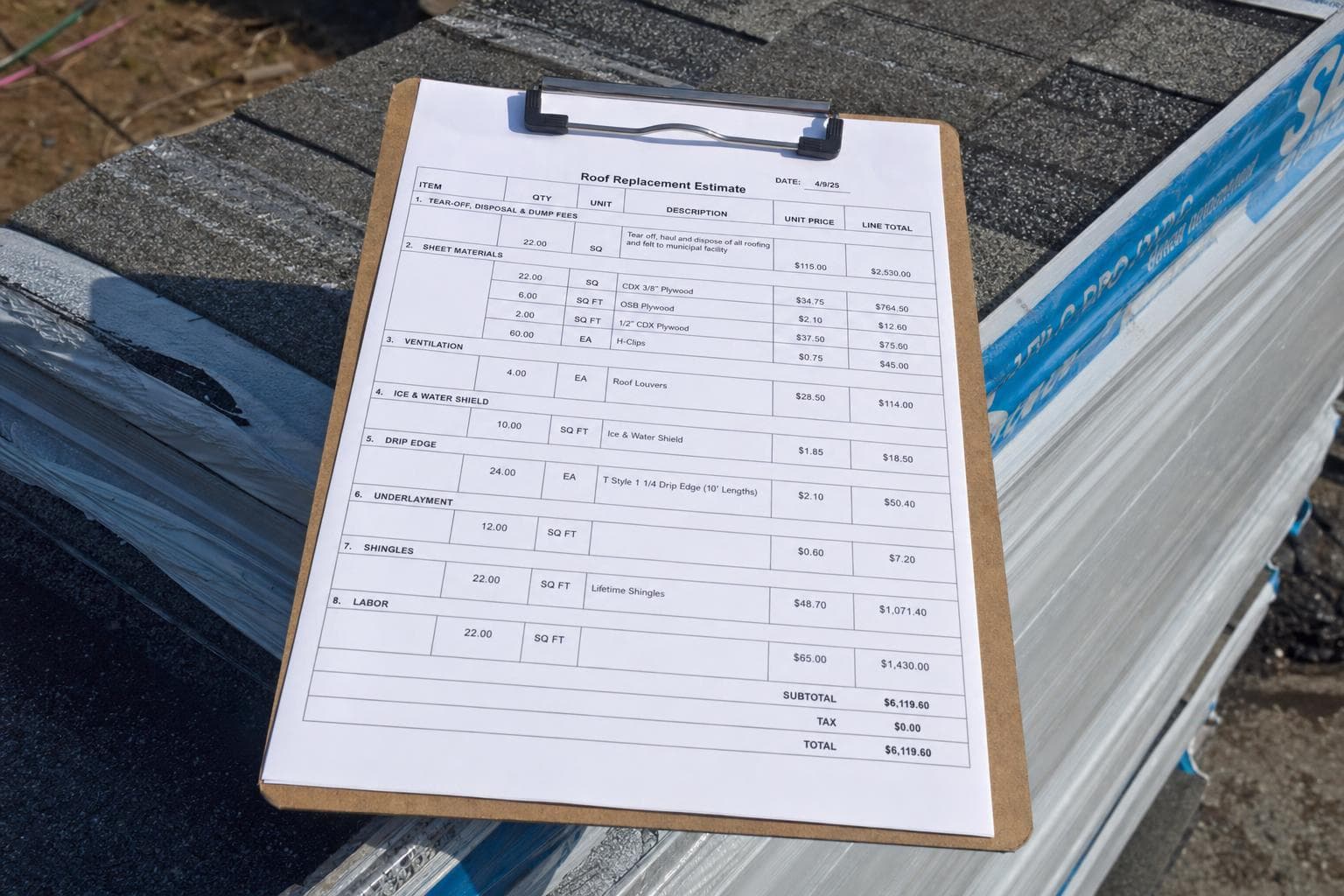
The short answer is that Class 4 shingles cost more, but not by an extreme amount compared with a full roof replacement. For an impact-resistant shingle decision in South Dakota, require the written schedule to account for roof geometry, access, weather protection, material handling, inspections, and possible deck work.
Do Class 4 shingles help with hail damage in South Dakota?
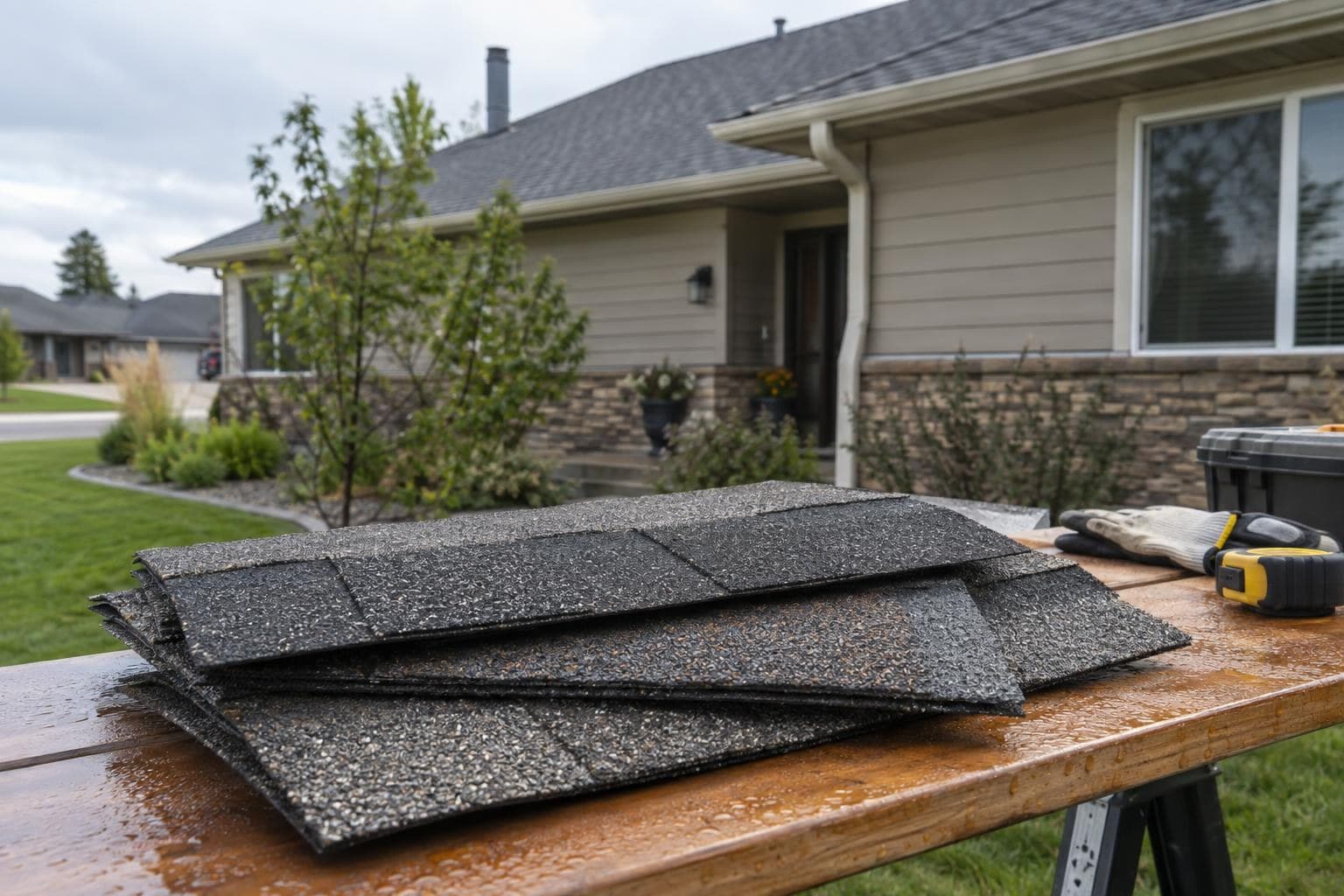
Yes, that is the main reason people choose them. South Dakota weather brings hail, severe storms, high winds, temperature swings, snow, ice, and strong sun over time. In that kind of climate, impact-resistant shingles can be a smart way to reduce the chance that every hail event turns into another repair call or another insurance claim. They will not make your roof damage-proof, and they do not solve poor installation or old flashing, but they are built for homeowners who want more resilience from an asphalt roof.
Talk to a roofer today
Planning ranges, scope details, and a direct path to request a roofing quote.
Can you save money on insurance with Class 4 shingles?
Yes, you might, but you need to confirm the details with your own carrier before you choose materials. For an impact-resistant shingle decision in South Dakota, treat any impact-resistant roof credit as unconfirmed until the insurer identifies the eligible product, required documentation, premium portion, and amount in writing. That is the relevant savings range to ask about, and it is not automatic. Discounts and eligibility are set by the carrier, so you should confirm the details before you choose materials. Ask whether the carrier offers a discount for a Class 4 roof and what documentation it requires. That step matters because the value of the upgrade depends partly on whether your policy actually recognizes it.
When does a Class 4 roof make the most sense?
- It makes the most sense when your home sees repeated hail or severe storm exposure.
- It makes sense when you are already replacing the roof, because the added cost is easier to compare while the crew is already on the job.
- It makes sense when your carrier confirms a Class 4 discount and tells you exactly what proof is needed.
- It makes sense when you plan to stay in the home and want fewer storm-related headaches over time.
Should you repair storm damage or replace with Class 4 shingles?
If damage is limited, a repair may be enough. But if storm hits are becoming a pattern, replacement with Class 4 shingles can be the better long-term move. The bigger question is not just what today’s damage looks like, but how likely your roof is to face the same conditions again.
How do you compare Class 4 shingles with metal roofing?
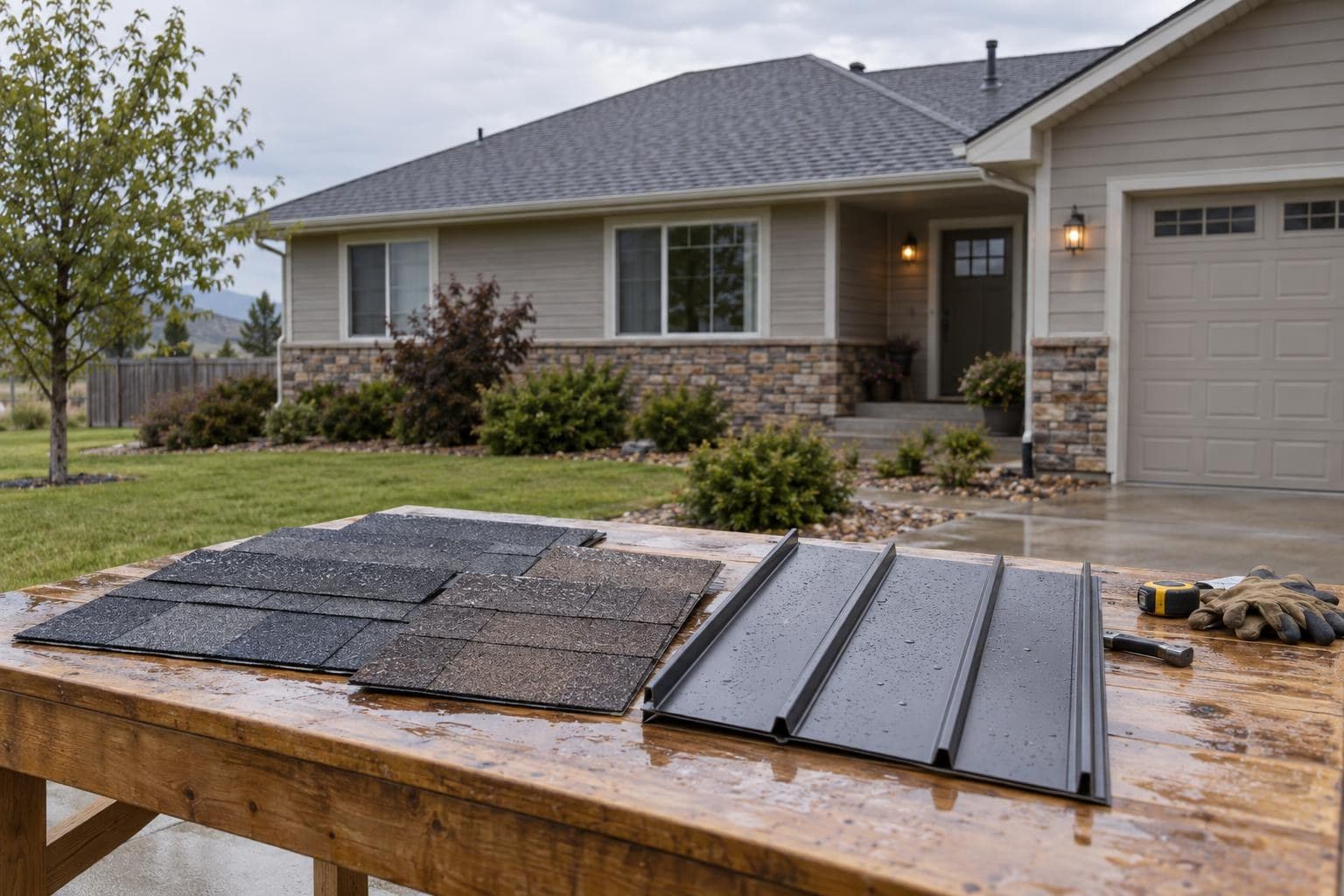
For most homeowners, Class 4 shingles are the middle path between basic architectural shingles and a much larger metal-roof investment. If you want a stronger shingle roof without stepping into a metal budget, Class 4 is often the practical comparison point.
What should you do before signing for a Class 4 roof after a storm?
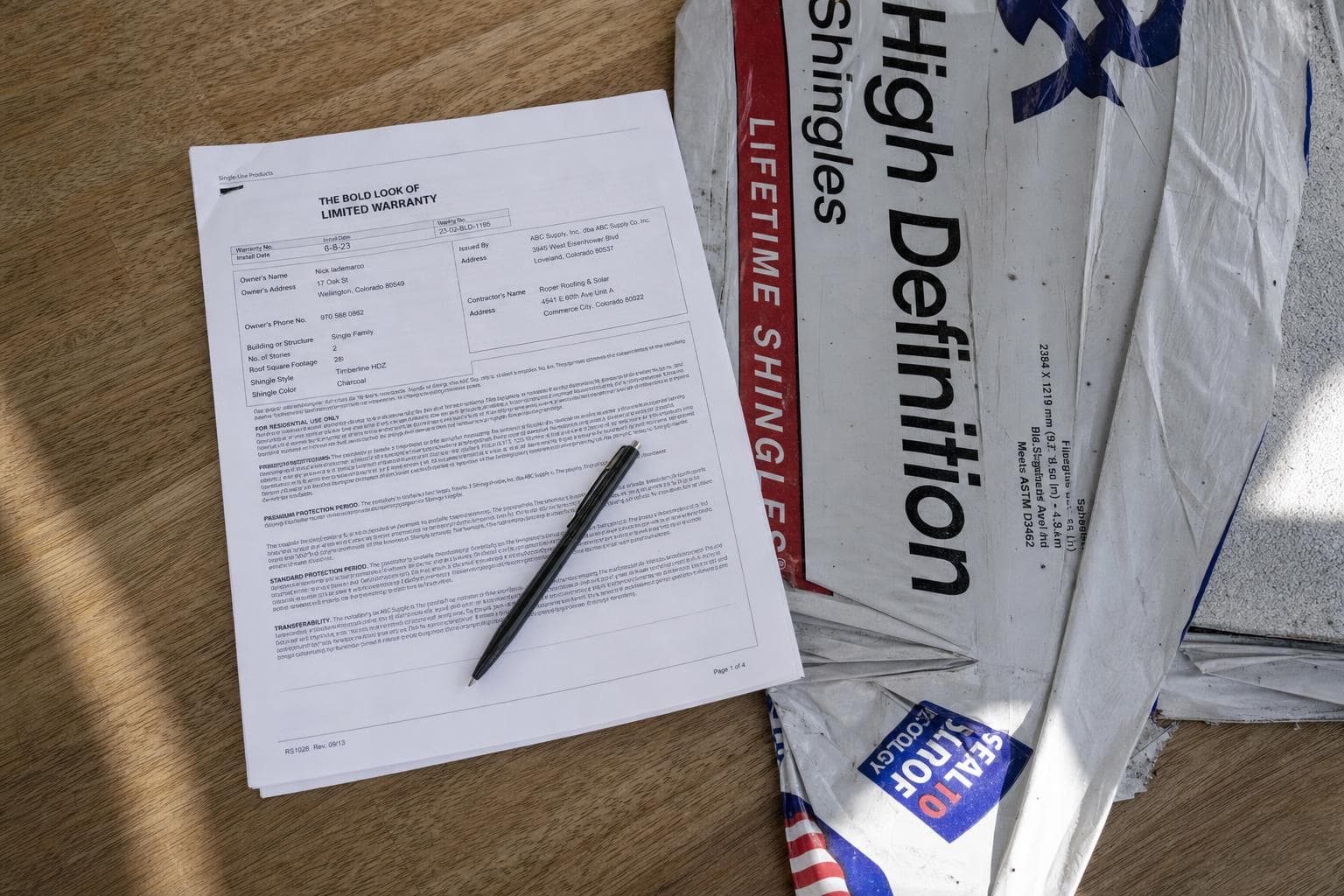
Take your time and get the paperwork right. After storms, the state warns homeowners to watch for contractor scams. South Dakota Consumer Protection says residents should be vigilant of transient contractor scams following severe weather. The state urges you to take your time, do your due diligence, and contact the Division of Consumer Protection when in doubt. State consumer guidance says you should ask for a written estimate and a written contract, keep a copy of the final signed contract, read the contract carefully before signing, and make sure project changes are handled with a Change Order signed by both parties. It also says any guarantees made by the contractor should be written into the contract.
Before work starts, ask your roofer about the contractor’s tax license. The South Dakota Department of Revenue says any person entering into a contract for construction services or engaging in services that include the construction, building, installation, or repair of a fixture to real property must have a South Dakota contractor’s tax license. State consumer guidance also tells homeowners to ask for sales tax license. If a permit is required, make sure it is obtained. Pay by check, keep copies of your paperwork, and do not make final payment until the work is finished to your satisfaction. South Dakota Consumer Protection says you should make final payments only after the work is completed.
How do you decide if Class 4 shingles are right for your home?
Start with three numbers and one phone call. Second, think about your recent hail and storm exposure. Then call your insurance carrier and ask whether it offers a Class 4 discount and what documentation it needs. If the carrier confirms savings and your roof regularly faces hail, Class 4 is often a smart upgrade.
When you are ready to move forward, work with a local roofer you have vetted, get everything in writing, and make sure the material you choose matches both your storm risk and your budget.
Sources
Verify the exact Class 4 product for South Dakota
Class 4 is a product classification under a defined impact test, not a generic description of every architectural shingle. Put the manufacturer, product line, color, field-shingle classification, and compatible hip and ridge products in the South Dakota proposal. Keep package labels or certification records needed by the manufacturer or insurer, and do not treat the rating as a promise that every real storm will leave no cosmetic or functional damage. For a Class 4 shingle option in South Dakota, use the linked South Dakota Consumer Protection, contractor scam alert reference as the state-reference checkpoint and test the recommendation against the address's freeze-thaw cycles, snow or ice at eaves, warm-season wind or impact, tree debris, and attic moisture.
Reviewed technical references for South Dakota
Related South Dakota roofing guides
Related services
Updated July 10, 2026
3D Roofs Editorial Team
Editorial Standards