Updated July 27, 2026

3D Roofs Editorial Team
Editorial Standards
Yes, Class 4 shingles can be worth it in Vermont if you want more impact resistance, may qualify for an insurance discount, and plan to stay in your home long enough for the upgrade to matter. The main tradeoff is simple: you pay more up front. Use the current Vermont cost page and calculator to plan an impact-resistant shingle decision in Vermont, then require the measured scope to explain any meaningful difference.
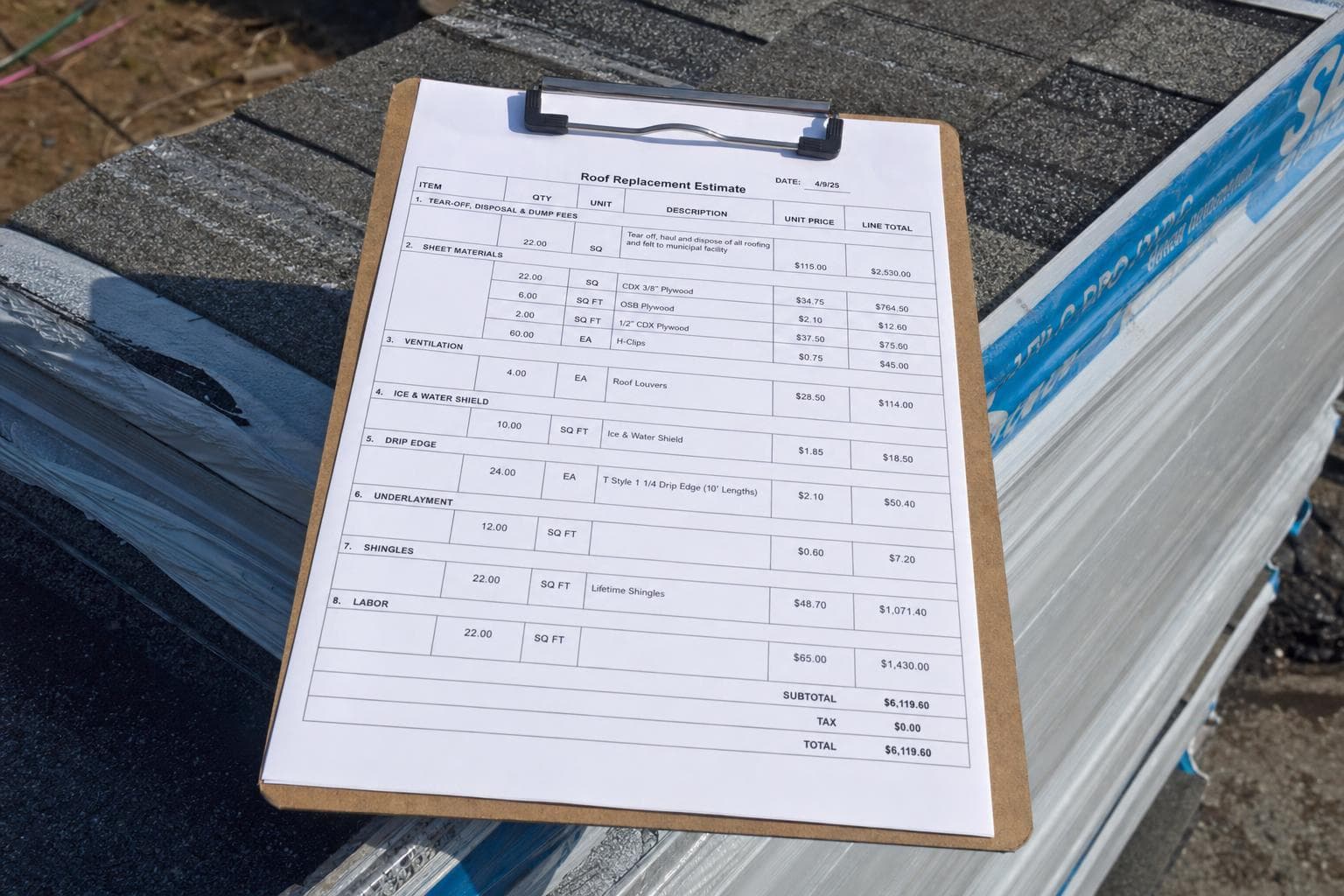
How much more do Class 4 shingles cost in Vermont?
For a lot of homeowners, that means Class 4 sits in the middle: more expensive than a standard architectural upgrade, but far below standing seam.
That extra cost is easier to judge when you compare it to likely repair spending. If your roof has already had repeated shingle damage, or you want more protection before the next storm cycle, paying for the tougher shingle can be easier to justify.
Do Class 4 shingles make sense for Vermont weather?
Yes, they often do, especially if your current roof has taken a beating from winter stress and seasonal storms. Vermont roofs take repeated winter stress. Snow can sit on a roof for long stretches, and freeze-thaw cycles can work water into weak spots around shingles, flashings, valleys, skylights, chimneys, and penetrations. Ice buildup near eaves can back water up under roofing materials. Wind-driven rain and seasonal temperature swings can also shorten the life of older roofs and expose installation problems faster.
That does not mean a Class 4 shingle solves every roofing problem by itself. It means the upgrade can add durability where impact resistance matters, while the rest of the roofing system still has to be done right. When you talk with your roofer, ask how the system will handle ventilation, drainage, flashing transitions, and winter weather. In Vermont, those details matter just as much as the shingle rating.
Will your insurance company give you a discount for Class 4 shingles?
Maybe, and the only way to know is to ask. Do not assume a statewide Class 4 credit in Vermont; ask the carrier to verify eligibility and paperwork for the exact product and policy. But carriers set their own discounts and eligibility rules, so the savings, if any, can vary by policy and property. If you are considering a Class 4 impact-resistant shingle, ask your insurer whether it offers any premium discount or underwriting preference for that material.
- Ask whether your policy offers a Class 4 discount before you sign a contract.
- Ask whether the discount applies to the full premium or only the wind/hail premium portion.
- Ask what proof the insurer needs after installation.
- Ask whether the shingle brand or product line changes eligibility.
- Ask whether your property location or prior claims history affects the discount.
Talk to a roofer today
Planning ranges, scope details, and a direct path to request a roofing quote.
Are Class 4 shingles worth it if Vermont does not get constant hail?
They still can be. Even if hail is not your main concern every year, Class 4 shingles may still appeal if you want a tougher roof system and a better chance at a policy-specific premium credit. The value case in Vermont is usually not about one weather event alone. It is about repeated exposure: winter stress, wind-driven rain, temperature swings, and the possibility of impact damage over time.
If your priority is the lowest up-front cost, Class 3 may be the better fit. If your priority is buying more resilience without jumping all the way to standing seam metal, Class 4 is often the middle-ground option homeowners choose.
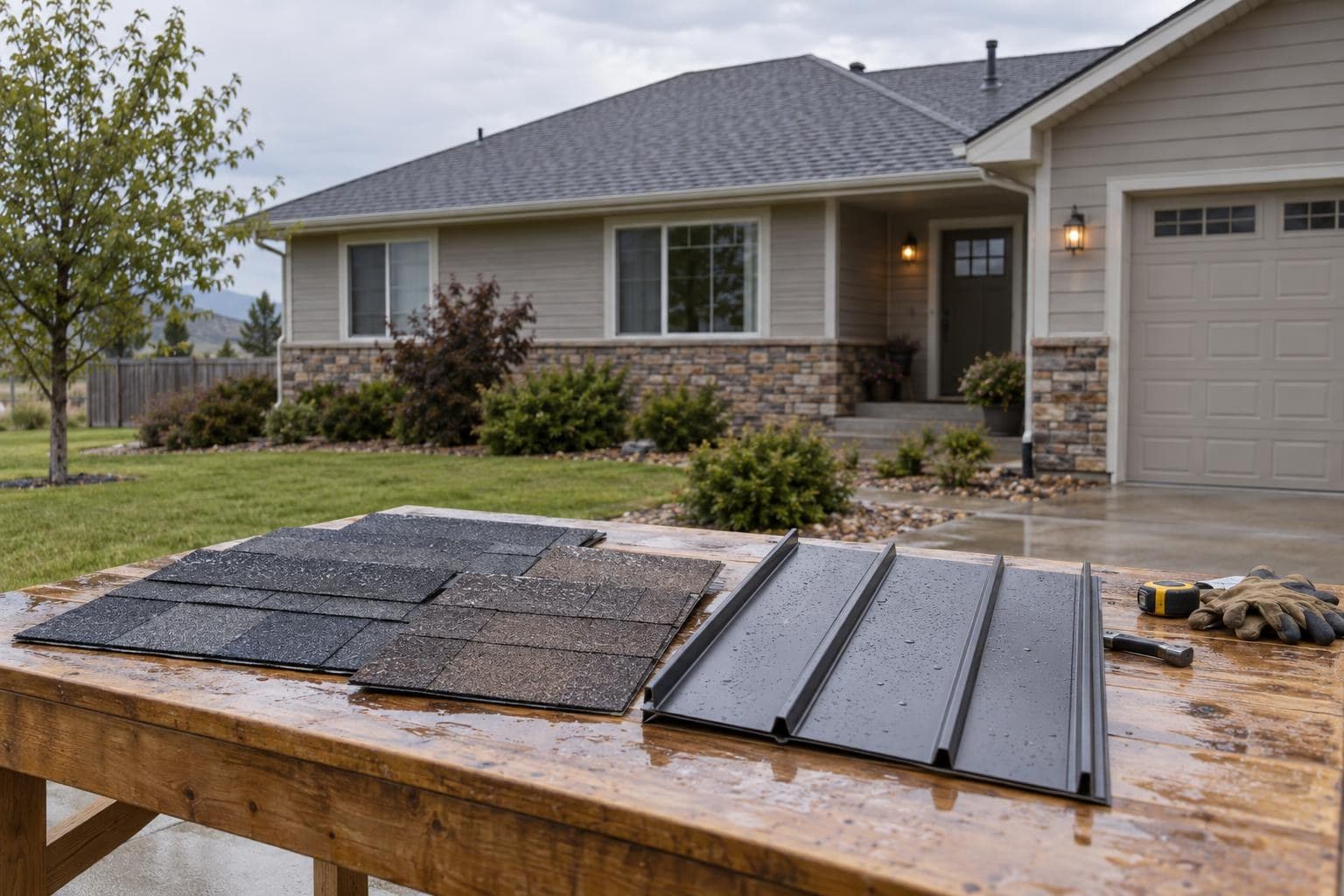
How do Class 4 shingles compare with Class 3 and standing seam?
Class 4 gives you a higher-impact option than Class 3 at a moderate step up in price, while standing seam is a much larger jump. For many homes, that makes the decision less about the absolute best material and more about where you want to land on cost versus durability.
- Choose Class 3 if you want the lower entry price.
- Choose Class 4 if you want more impact resistance and may qualify for an insurer discount.
- Choose standing seam if you are comfortable with a much higher initial investment and want to price metal against shingles on the same roof size.
What else should you check before paying for a Class 4 upgrade?
Check the whole roofing scope, not just the shingle label. A stronger shingle will not fix weak flashing, poor attic ventilation, bad drainage, or sloppy valley details. When planning an impact-resistant shingle decision in Vermont, ask how roof shape, staging, weather, inspections, and concealed deck conditions affect both duration and labor. Ask for a detailed written contract, the full material list, and a clear cleanup and payment schedule before you sign.
You should also look up your roofer in the state's Find a Professional tool to confirm they are registered. Vermont requires residential contractors to register with the state. Registration for Residential Contractors has been required since April 1, 2023, under Act 182, and the Vermont Office of Professional Regulation oversees unlawful and unprofessional conduct by individuals and businesses required to register. The state is also clear that this does not replace your own homework. It does not inspect construction quality for you, so you still want clear paperwork and a full scope before work starts.
What should you know about roof claims in Vermont?
Know what your policy covers before damage happens, and keep records. For class 4 shingles in Vermont, coverage depends on the policy language, cause of loss, exclusions, and the insurer's decision; verify those terms in your own documents. If you want protection from those risks, you need to talk to your insurance agent about separate coverage available in your area.
The Vermont's Department of Financial Regulation also says a home inventory, along with photos and proof of ownership, makes it easier to file an accurate, detailed insurance claim if your home is damaged or destroyed, and it can help determine how much coverage you need. If you are confused about what your homeowners policy covers after roof damage, Vermont's Department of Financial Regulation says you can contact the Vermont Insurance Department directly for help, or file a complaint through the department if you run into a problem with your insurer.
So, are Class 4 shingles worth the money in Vermont?
No, if your main goal is the lowest initial price and you are comfortable staying with Class 3. For a lot of Vermont homeowners, Class 4 is the practical middle option: more protection than Class 3, far less cost than standing seam, and a better fit for people who take long winters and repeat weather exposure seriously.
Sources
- UL Solutions: UL Solutions and IBHS Drive Trust in Residential Roofing Shingles
- Insurance Institute for Business & Home Safety: Natural Weathering and Hazard Exposure
- Vermont Department of Financial Regulation, Home and Renters Insurance
- Vermont Office of Professional Regulation, Residential Contractors
Reviewed technical references for Vermont
Related Vermont roofing guides
Related services
Updated July 27, 2026
3D Roofs Editorial Team
Editorial Standards