Updated July 27, 2026

3D Roofs Editorial Team
Editorial Standards
Yes, Class 4 shingles can be worth it in Wisconsin if you want better impact resistance, you expect to stay in the home for a while, and your insurance carrier offers a discount that helps offset the higher upfront cost. Use the current Wisconsin cost page and calculator to plan an impact-resistant shingle decision in Wisconsin, then require the measured scope to explain any meaningful difference. In a state where roofs deal with freeze-thaw cycles, heavy winter weather, summer storms, wind, snow, ice, and hail, many homeowners see that upgrade as a practical middle ground between standard architectural shingles and a much higher-cost metal roof.
How much more do Class 4 shingles cost in Wisconsin?
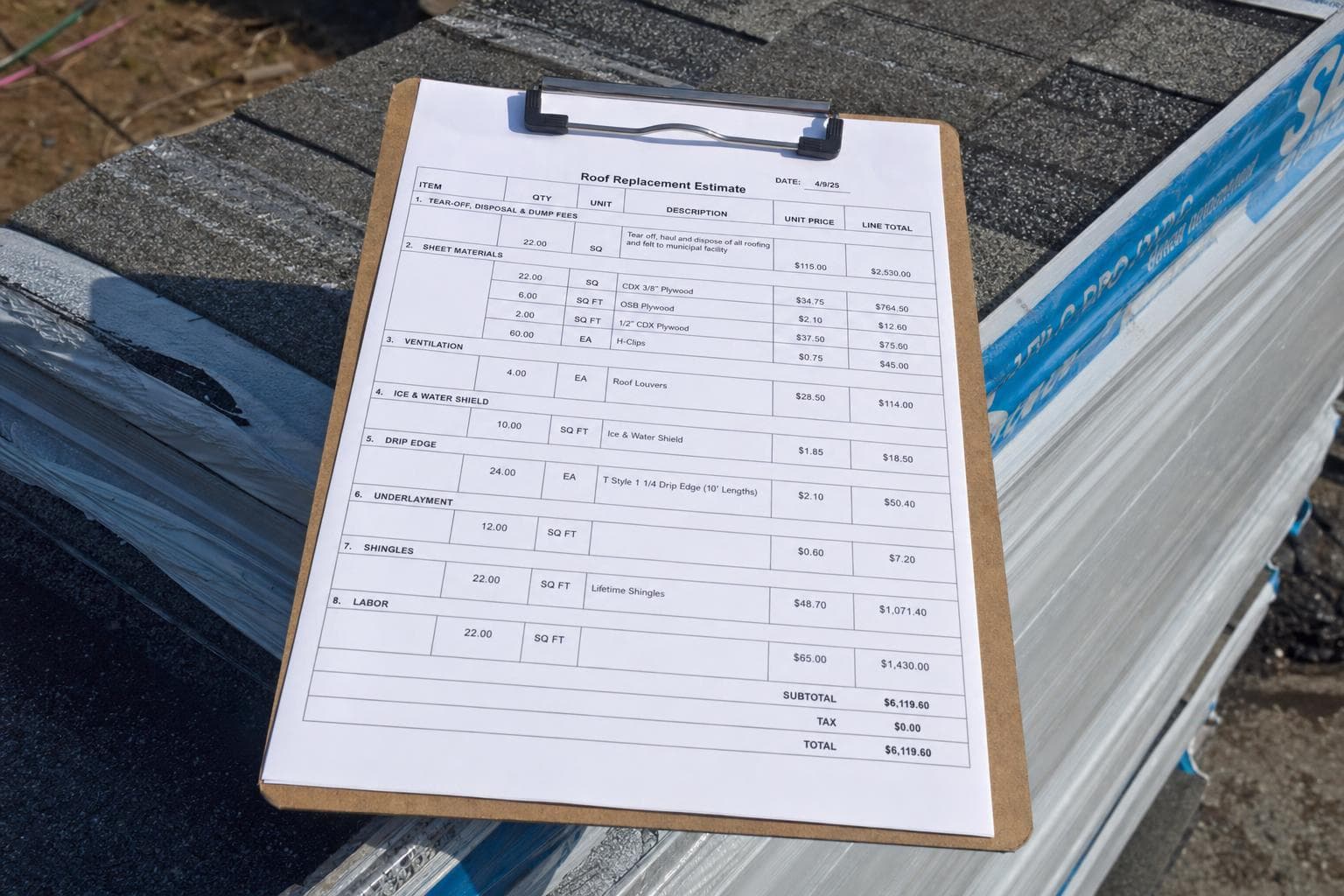
When planning an impact-resistant shingle decision in Wisconsin, ask how roof shape, staging, weather, inspections, and concealed deck conditions affect both duration and labor.
Do Class 4 shingles help enough with hail in Wisconsin?
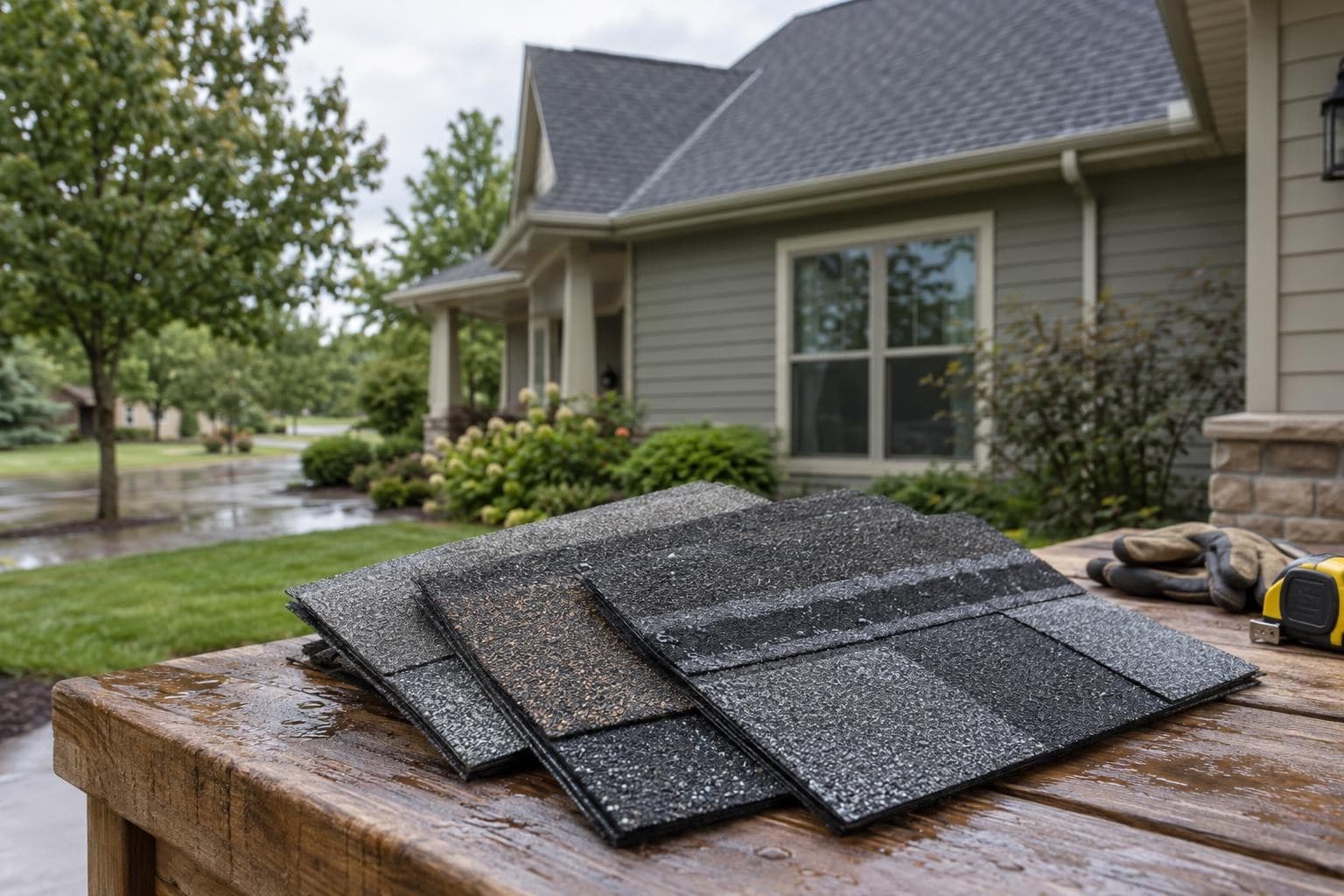
Yes, that is the main reason most homeowners consider them. Wisconsin roofs are exposed to freeze-thaw cycles, heavy winter weather, summer storms, and wind. Snow and ice can stress shingles, flashing, and roof edges. Wind and hail can loosen or remove roofing materials. Rain can then work into those weak spots and turn a small issue into interior damage. In that setting, a Class 4 shingle is usually about reducing the odds of impact damage from hail and storm debris, and reducing how often you deal with repairs after rough weather.
Can insurance discounts make the upgrade pay off?
Often, yes, but you need to confirm the details with your carrier. Do not assume a statewide Class 4 credit in Wisconsin; ask the carrier to verify eligibility and paperwork for the exact product and policy. Discounts are set by the insurance carrier, so you should confirm eligibility, documentation requirements, and how the roof product must be identified on your policy. If your carrier offers a solid discount and you plan to keep the home, that can narrow the gap between Class 3 and Class 4 faster than many homeowners expect.
Talk to a roofer today
Planning ranges, scope details, and a direct path to request a roofing quote.
Are Class 4 shingles a better value than metal in Wisconsin?
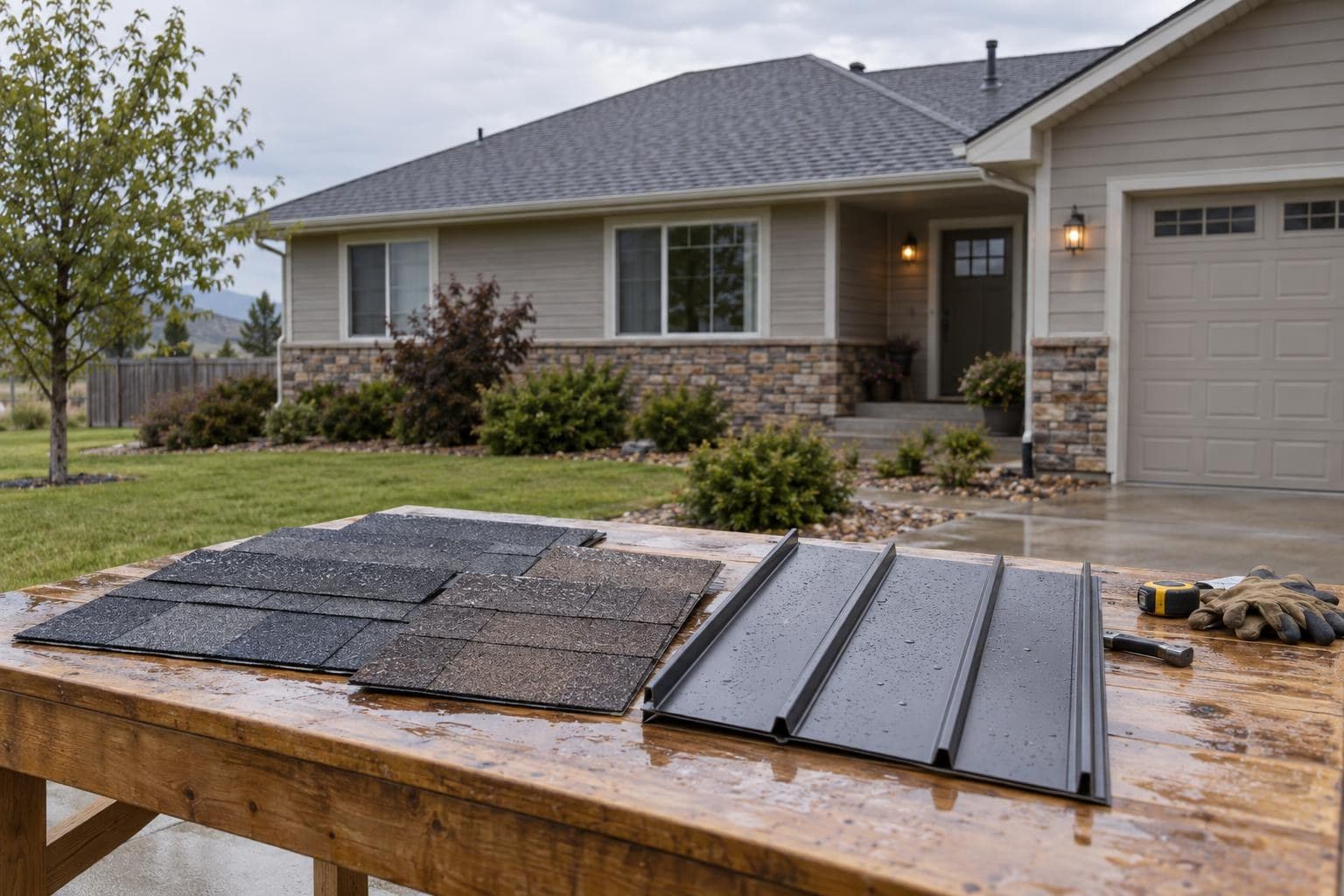
For many homes, yes. If your goal is better storm resistance without jumping to a much larger roofing bill, Class 4 is often the value play. That makes Class 4 a much smaller step up from Class 3, while still targeting the hail and impact concern that pushes many Wisconsin roof replacements. If you want the lower entry cost and familiar look of shingles, but with a stronger storm-focused option, Class 4 is usually the more practical upgrade.
When are Class 4 shingles not worth it?
They may not be worth it if you are moving soon, your carrier offers little or no discount, or your roof risk is driven more by age and installation issues than hail exposure. They can also be harder to justify if your budget is already stretched and the upgrade would force you to delay needed roof work.
How do you compare the real cost of Class 3 vs Class 4?
- Ask your carrier whether it offers a Class 4 discount, and confirm that discounts are set on the wind/hail premium portion, not necessarily your full premium.
- Ask what proof the carrier needs, including product identification on the policy.
- Think about your storm exposure. If your area sees repeated hail and wind events, the upgrade usually deserves a closer look.
- Consider your ownership timeline. The longer you plan to stay, the more time you have to benefit from fewer impact-related problems and any premium savings.
- Factor in roof complexity.
- Use full local pricing from the Wisconsin cost page and the calculator to compare your home more closely.
What should you do after a Wisconsin hail or wind storm?
Start the claim right away and document everything. After a storm, notify your insurance agent or insurance company right away to begin the claim process. Make a list of damaged items for your adjuster, take photographs of the damage, keep swatches of damaged material when possible, and keep all receipts that document repair or replacement costs. You should not throw out damaged property without the claim adjuster’s agreement. If local officials require disposal for safety reasons, photos and swatches can help support your claim.
What insurance limits should Wisconsin homeowners understand?
The big one is that not every water problem is covered the same way. Most homeowners policies do not cover flooding or seepage through the foundation. A separate flood insurance policy is necessary for that coverage. Damage from sewer backup or sump pump overflow is not covered by standard homeowners insurance or flood insurance, and requires a special endorsement on your homeowners policy. If you run into a dispute, state guidance says to refer it first to the insurance company or agent involved. If you do not receive satisfactory answers, you can contact OCI.
How do you hire the right roofer for a Class 4 replacement in Wisconsin?
Take your time and ask direct questions. In Wisconsin, roofing and other residential exterior work often ties into dwelling contractor credential rules. State guidance says no person may obtain a building permit for a one- and two-family dwelling unless that person holds a Dwelling Contractor certification or Dwelling Contractor Restricted certification, and holds or engages a person who holds a Dwelling Contractor Qualifier certification. After a storm, the state also tells you to take your time, step back if you feel pressured to sign quickly, and check for complaints before you hire. When you talk with a qualified local roofing contractor, ask who will pull the permit if one is needed, ask for the business name you should look up with the state, and ask how they handle documentation for your adjuster.
Bottom line: Class 4 shingles are often worth it in Wisconsin when you want better hail resistance without paying standing seam prices. If your home sees frequent storm exposure and you plan to stay put, Class 4 is usually worth serious consideration. If your budget is tight or your carrier offers little benefit, Class 3 may be the better fit right now.
Sources
- UL Solutions: UL Solutions and IBHS Drive Trust in Residential Roofing Shingles
- Insurance Institute for Business & Home Safety: Natural Weathering and Hazard Exposure
- Wisconsin Office of the Commissioner of Insurance, After a Storm Hits
- Wisconsin Department of Safety and Professional Services, Dwelling Contractor
Verify the exact Class 4 product for Wisconsin
Class 4 is a product classification under a defined impact test, not a generic description of every architectural shingle. Put the manufacturer, product line, color, field-shingle classification, and compatible hip and ridge products in the Wisconsin proposal. Keep package labels or certification records needed by the manufacturer or insurer, and do not treat the rating as a promise that every real storm will leave no cosmetic or functional damage. For a Class 4 shingle option in Wisconsin, use the linked Wisconsin Office of the Commissioner of Insurance, After a Storm Hits reference as the state-reference checkpoint and test the recommendation against the address's freeze-thaw cycles, snow or ice at eaves, warm-season wind or impact, tree debris, and attic moisture.
Reviewed technical references for Wisconsin
Related Wisconsin roofing guides
Related services
Updated July 27, 2026
3D Roofs Editorial Team
Editorial Standards