Updated July 10, 2026

3D Roofs Editorial Team
Editorial Standards
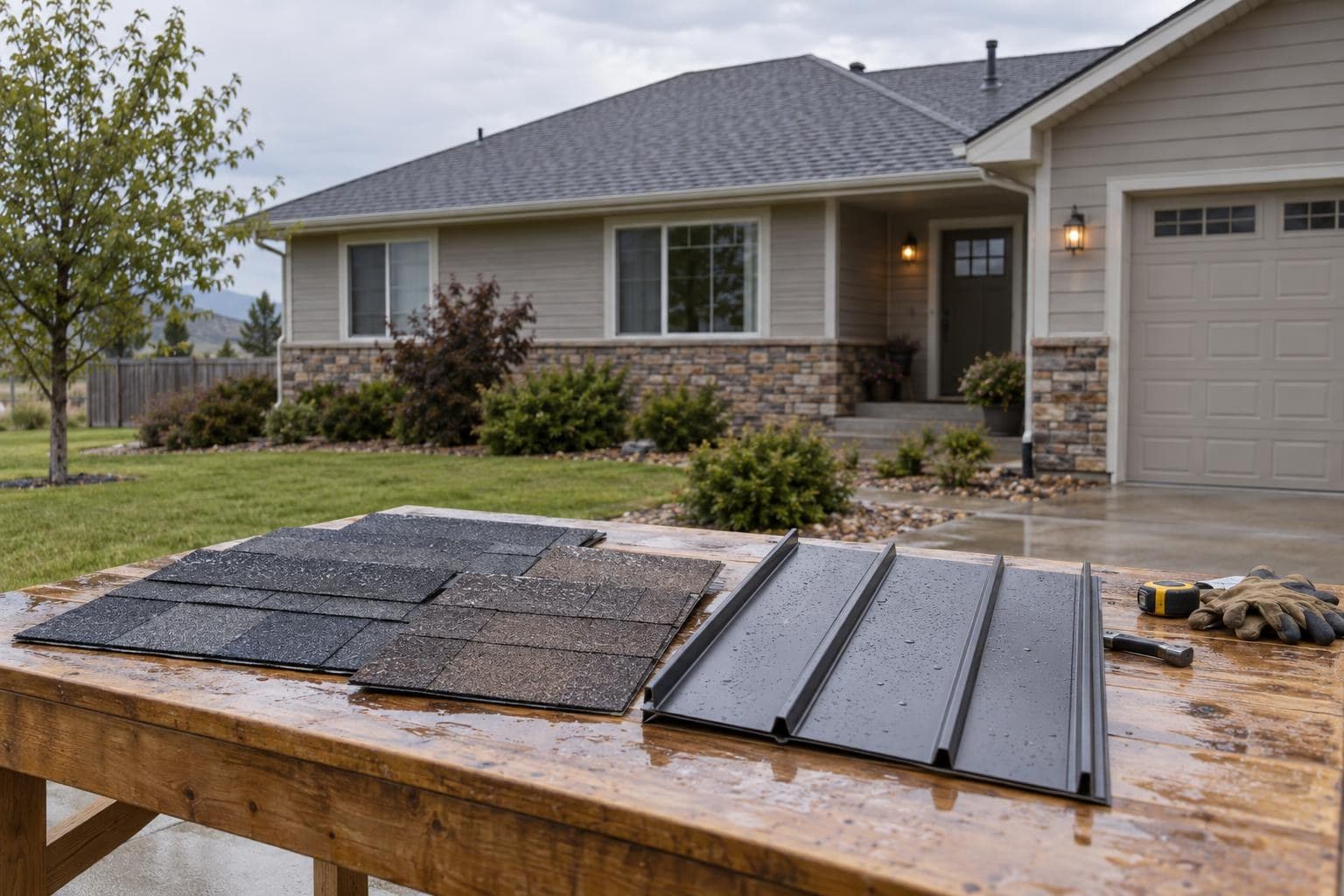
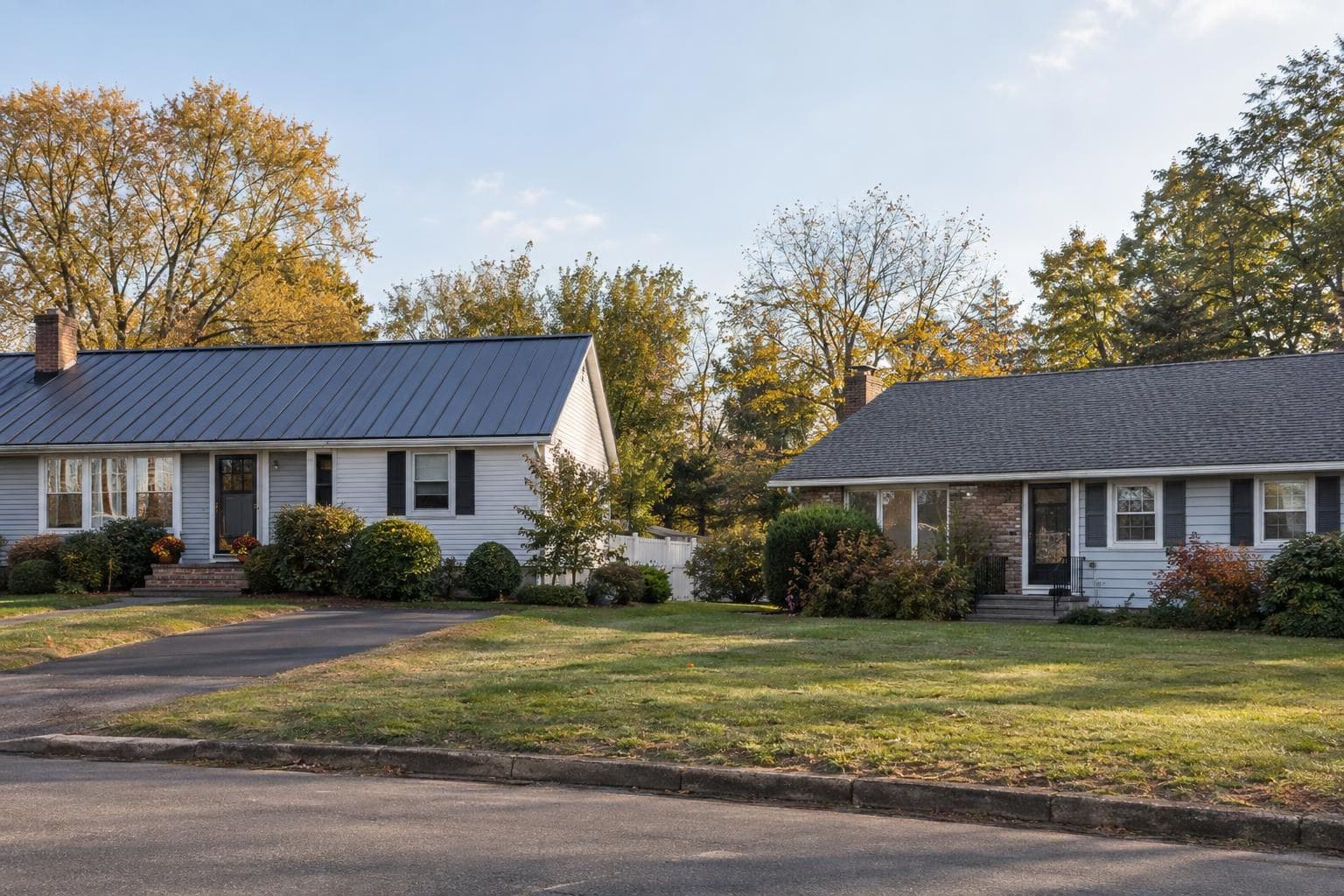
If you are choosing between metal and shingles in Connecticut, shingles usually win on upfront cost, while metal can make more sense if you plan to stay long term and want a tougher roof system. Your decision comes down to your budget today, how long you expect to own the home, and how much value you put on storm durability and lower replacement frequency.
Compare measured metal and shingle scopes in Connecticut
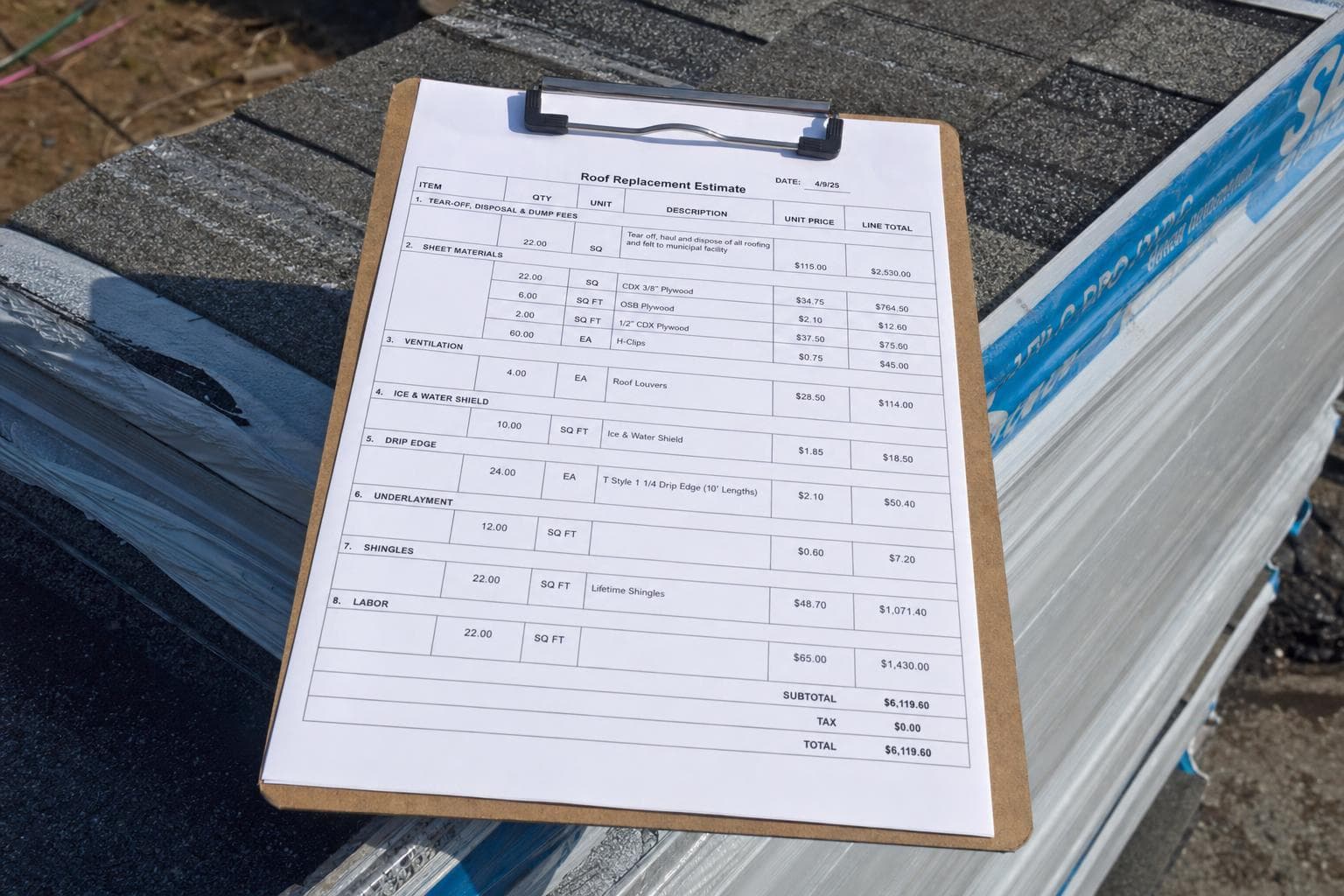
Shingles cost much less upfront, and that is the biggest reason many Connecticut homeowners choose them. Check current Connecticut cost data for a metal-versus-shingle comparison in Connecticut, then replace the range with an assembly-specific proposal based on measured conditions. Installed price differences for a metal-versus-shingle comparison in Connecticut vary with roof geometry, assembly details, access, and local labor, so compare complete measured proposals instead of assuming a fixed multiple. If your main goal is keeping the project cost lower right now, shingles are the clear winner.
When a serviceable metal system may fit the ownership plan
Metal usually wins on lifespan, while shingles win on lower entry cost. That is the core tradeoff. If you expect to stay in your home for many years, paying more now for standing seam metal may be easier to justify because you are buying a roof system that is often chosen for long-term ownership. If you expect to move sooner, shingles often make more financial sense because you avoid the much higher upfront spend. In plain terms, the longer your ownership horizon, the more metal starts to make sense. The shorter your horizon, the more shingles usually win.
Which roof handles Connecticut weather better?
Both can work in Connecticut, but installation details matter just as much as the material. Your roof in Connecticut has to handle snow, ice, wind, rain, and coastal storm conditions. Winter weather can push water back under shingles when ice builds up along eaves. Wind-driven rain can test flashing, ridge details, and older seal strips. In warmer months, storm seasons and humid weather can expose weak spots around penetrations, valleys, and roof-to-wall transitions. Near the shoreline, hurricane-related deductibles and coastal exposure can matter more, so material choice and installation details become even more important. If your home sees frequent wind exposure or coastal conditions, many owners lean toward tougher systems and stronger detail work. If your current concern is replacing an aging roof at a manageable price, quality shingles are still a practical fit.
Talk to a roofer today
Planning ranges, scope details, and a direct path to request a roofing quote.
Where impact-rated shingles fit between the two systems
For most owners, the best choice depends on timeline. Choose Class 3 if you want the lowest upfront cost. Choose Class 4 if you want a middle ground between price and added impact resistance. Choose standing seam metal if you are planning for the longest ownership horizon and can support the higher upfront investment. Class 4 is often the most interesting middle option in Connecticut because it costs less than metal but may offer a better storm-resistance story than standard architectural shingles.
- Class 3: best for lower upfront spend and shorter ownership horizons
- Class 4: best for owners who want upgraded shingle protection without jumping to metal pricing
- Standing seam metal: best for long-term owners who want to invest more now to avoid the usual shingle replacement cycle sooner
Where impact-rated shingles fit between the two systems: 5
Yes, sometimes. A Class 4 rating does not establish a policy credit in Connecticut; the carrier and policy determine eligibility, documentation, and savings. That does not mean every policy gets the same savings. If you are considering a Class 4 impact-resistant shingle, ask your insurer whether it offers a premium discount and what documentation it requires. Discounts are set by individual carriers, not by a single statewide rule, so the savings and eligibility can vary by policy. That possible discount can help narrow the cost gap between Class 3 and Class 4, especially if you plan to keep the home long enough to benefit from the savings over time.
How do Connecticut insurance rules affect the metal versus shingle choice?
They matter most if you live near the coast or want to understand storm deductibles before you buy. The Connecticut Insurance Department says homeowners policies cover damage caused by windstorm even when the cause is described as an "Act of God." It also says homeowners coverage applies regardless of how the windstorm is classified, including hurricane or tornado. The Department also says windstorm or hail deductibles may not be mandated by insurers in Connecticut, though consumers may choose one in place of an overall policy deductible. It also says a hurricane deductible may be imposed only under specific circumstances related to the storm, and if your policy contains one, the percentage and dollar amount will be listed on the declarations page. The practical takeaway is simple: before you choose a roof, review your declarations page so you understand what deductible structure applies to your home and whether a tougher material could matter more for your risk tolerance.
What about repairs, project timing, and roof complexity?
Before approving a metal-versus-shingle comparison in Connecticut, have the bidder connect timing to roof complexity, crew access, material handling, weather, inspections, and concealed conditions. Those points matter because a low upfront material price does not tell the whole story. A simple roof with easy access is different from a steep, cut-up roof with lots of valleys and penetrations. If your roof is steep or complex, the cost gap between options can grow in real dollars. That is one reason it helps to compare material choices against your actual house instead of just looking at square-foot pricing in isolation.
When lower initial disruption matters to the owner
Shingles usually win if your ownership horizon is short. In that situation, a new shingle roof often delivers the practical outcome you need: solid protection, a fresh appearance, and a much lower upfront cost. If you still want a step up from standard shingles, Class 4 can be a smart compromise.
When a serviceable metal system may fit the ownership plan: 9
Metal often wins if you expect this to be your long-term home and you can afford the higher initial cost. That is especially true if you care more about long-run durability, fewer future replacement decisions, and stronger performance in demanding weather. If metal feels too expensive, Class 4 shingles are the next best fit for many long-term owners because they offer an upgrade path without the full jump to standing seam pricing. For many Connecticut homes, the real contest is not standard shingles versus metal. It is Class 4 shingles versus metal.
How should you decide between metal and shingles in Connecticut?
Start with your ownership horizon, then match the material to that plan. If you want the lowest cost now, choose Class 3 shingles. If you want a balanced option with possible insurance upside, look hard at Class 4. If you want to invest for the longest horizon and accept the much higher upfront price, standing seam metal is the premium long-term play. Before you decide, compare your home’s slope, complexity, and exposure, then review your insurance declarations page, especially if you are near the shoreline. For a broader price breakdown, check the Connecticut cost page. If you want to test your roof size and layout against current local cost ranges, use the calculator. When you are ready, a roofer whose credentials and written scope you checked can help you compare the right system for your house, budget, and timeline.
Sources
Reviewed technical references for Connecticut
Related Connecticut roofing guides
Related services
Updated July 10, 2026
3D Roofs Editorial Team
Editorial Standards