Updated July 10, 2026

3D Roofs Editorial Team
Editorial Standards
If you want the short answer, shingles usually win on upfront cost, and metal usually wins on long-term durability. In Delaware, that choice matters because roofs here take a mix of weather stress. Hurricanes, coastal storms, heavy rain, and strong wind can lift shingles, drive water under roof coverings, and turn small flashing problems into leaks. Humidity can keep roof surfaces damp longer, which can shorten the life of aging materials and encourage staining or deterioration around vulnerable areas. That means your best roofing material is not just about looks. It is about how long you plan to own the home, what you want to spend now, and how you want to handle storm risk later.
Compare measured metal and shingle scopes in Delaware
The direct answer is that metal costs much more upfront than shingles in current Delaware cost data. Check current Delaware cost data for a metal-versus-shingle comparison in Delaware, then replace the range with an assembly-specific proposal based on measured conditions. On pure upfront price, shingles are the lower-cost path by a wide margin.
That does not mean metal is overpriced. It means you are paying for a different ownership strategy. A standing seam roof asks for a much bigger investment on day one. Shingles keep your initial project cost lower, which can be the better fit if you need to replace a roof now and want to protect cash flow.
When lower initial disruption matters to the owner
If you expect to move sooner, shingles usually make more sense. The reason is simple: you get the protection of a new roof without taking on the higher upfront cost of standing seam metal.
- Choose Class 3 when your main goal is replacing an aging roof at the lowest of these three price points.
- Choose Class 4 when you want a stronger shingle option and may also want to ask your carrier about a possible discount.
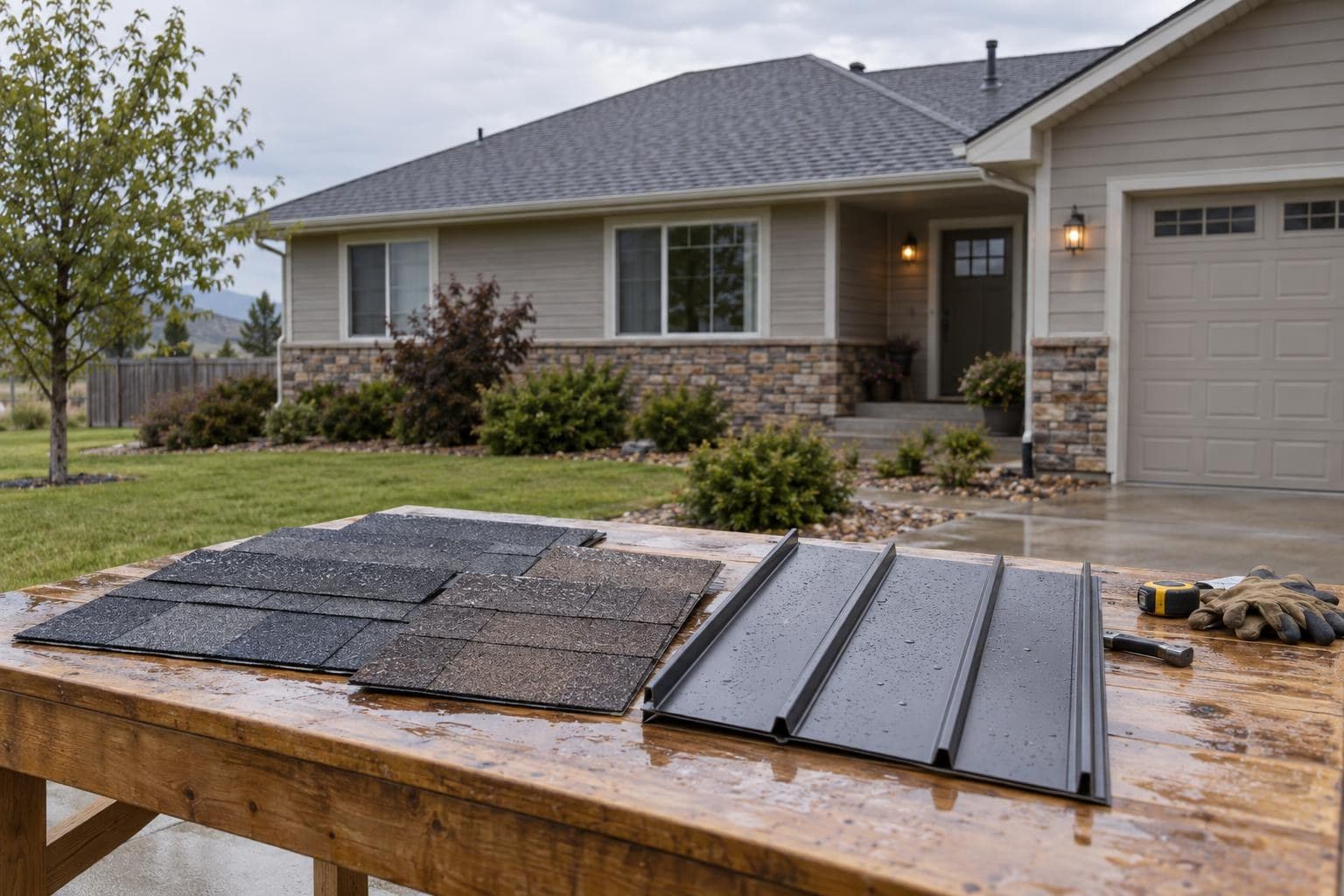
- Choose standing seam metal when you expect to stay long enough for long-term durability to matter more than upfront cost.
When a serviceable metal system may fit the ownership plan
If you plan to stay for many years, metal often becomes the stronger value case, even with the higher starting price. The main tradeoff is simple: shingles are easier on the budget now, while metal is often chosen by owners who want a longer-horizon roof decision. In Delaware, where strong wind, heavy rain, and coastal storm exposure can test roof systems, many long-term owners like the idea of installing one more durable system instead of focusing mostly on the lowest initial bill.
That said, long-term value is not automatic. You still need the right details, especially around flashing, penetrations, and edge conditions. Small weak points can still become leak points in Delaware weather. Before approving a metal-versus-shingle comparison in Delaware, have the bidder connect timing to roof complexity, crew access, material handling, weather, inspections, and concealed conditions.
Talk to a roofer today
Planning ranges, scope details, and a direct path to request a roofing quote.
Where impact-rated shingles fit between the two systems
Yes, for many Delaware homeowners, Class 4 shingles are the middle-ground option. They cost more than Class 3, but far less than standing seam metal. That makes Class 4 a practical option if you want to improve on basic shingle performance without moving all the way to metal pricing.
There can also be an insurance angle. A Class 4 rating does not establish a policy credit in Delaware; the carrier and policy determine eligibility, documentation, and savings. That does not mean every policy will save the same amount, and it does not turn shingles into metal. It does mean Class 4 can be worth a closer look if you want a stronger shingle roof and you plan to ask your carrier what documentation they need. Delaware guidance on impact-resistant roofing says the practical move is to confirm the product rating, keep the product paperwork, and ask your carrier whether they offer a discount for Class 4 rated shingles.
How do Delaware storms affect the metal vs shingle decision?
The answer is that Delaware weather pushes many owners to think beyond initial price. Hurricanes, coastal storms, heavy rain, and strong wind can stress any roof. Shingles can lose tabs or allow water intrusion when wind catches weak areas. Humidity can also keep roof surfaces damp longer, which can speed up aging and staining on older materials. That is why storm prep matters here, especially securing loose shingles, keeping temporary protection materials on hand, and dealing with damage quickly so water does not spread deeper into the home.
If storm damage happens, Delaware's storm preparedness guidance says, "The policy requires the policyholder to protect the property from further damage." It also says you may need to make immediate temporary repairs after a storm, keep all bills and receipts, and "Do not contract for repairs, other than temporary repairs, prior to agreement with the claim adjuster or agent." Just as important, the guidance says, "Do not be rushed into signing repair contracts." Whether you have shingles or metal, acting fast on temporary protection and documenting the damage can help protect your claim.
What repair and replacement realities should you expect?
The direct answer is that most roof issues are smaller than a full replacement, but timing still matters. If you are deciding between metal and shingles because of an active leak, those ranges help frame the next step: a repair may buy time, but an older roof in Delaware weather may still be nearing replacement.
Claims can move better when you document clearly. Delaware tells homeowners to photograph damage, keep receipts and old records, and make a list of damaged items and structural issues, including missing roof tiles and other visible building damage. The same guidance says the more information you have, the faster your claim generally can be settled. It also says homes that are not livable or have severe structural damage may be given first priority, so be clear with your carrier if the home is unsafe or unlivable.
How do you choose the right roofer for a Delaware roof replacement?
The best answer is to keep your screening simple and document everything. In Delaware, roofing falls under construction services, and state guidance says businesses that perform construction services must be registered with the Delaware Department of Labor's Office of Contractor Registration before work begins in the state. State guidance also says contractors conducting business activity in Delaware are required to register with and obtain a business license from the Delaware Division of Revenue. Ask your roofer for the exact business name they use for registration, confirm they appear in the state's contractor registry, and confirm they hold a Delaware business license.
You should also review the written scope, materials, cleanup terms, and payment terms before signing. After storm damage, Delaware's insurance guidance says it is best to deal with local, reputable contractors and not to be rushed into signing repair contracts. That matters whether you choose Class 3, Class 4, or standing seam metal.
Build the final Delaware decision from two complete scopes
If you want the clearest takeaway, Class 3 shingles win for the lowest upfront spend, Class 4 shingles win as the balanced option, and standing seam metal wins for owners focused on the long view. If you may move sooner, shingles usually make the better financial fit. If you want a practical middle ground, Class 4 often stands out because it costs less than metal and may come with a carrier discount on the wind/hail premium portion. If this is your long-term home and you are comfortable with the much higher initial cost, standing seam metal is the option many owners choose for long-horizon durability.
The right answer comes down to your timeline, your budget, and your storm-risk priorities. If you are narrowing down real numbers for your home, use the Delaware cost page and the calculator for full local pricing, then talk with a roofer whose credentials and written scope you checked about your roof shape, slope, and condition.
Sources
Reviewed technical references for Delaware
Related Delaware roofing guides
Related services
Updated July 10, 2026
3D Roofs Editorial Team
Editorial Standards