Updated July 27, 2026

3D Roofs Editorial Team
Editorial Standards
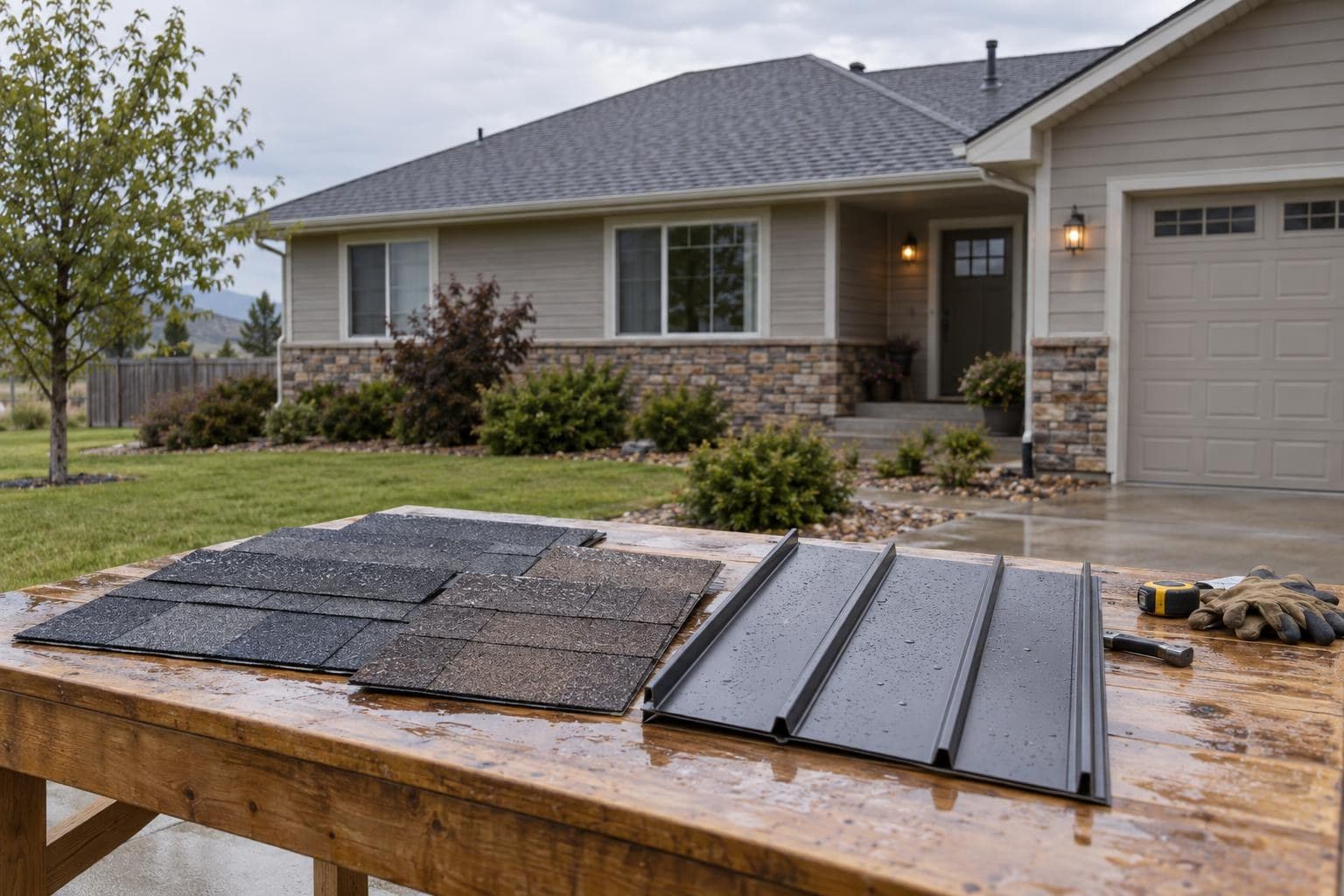
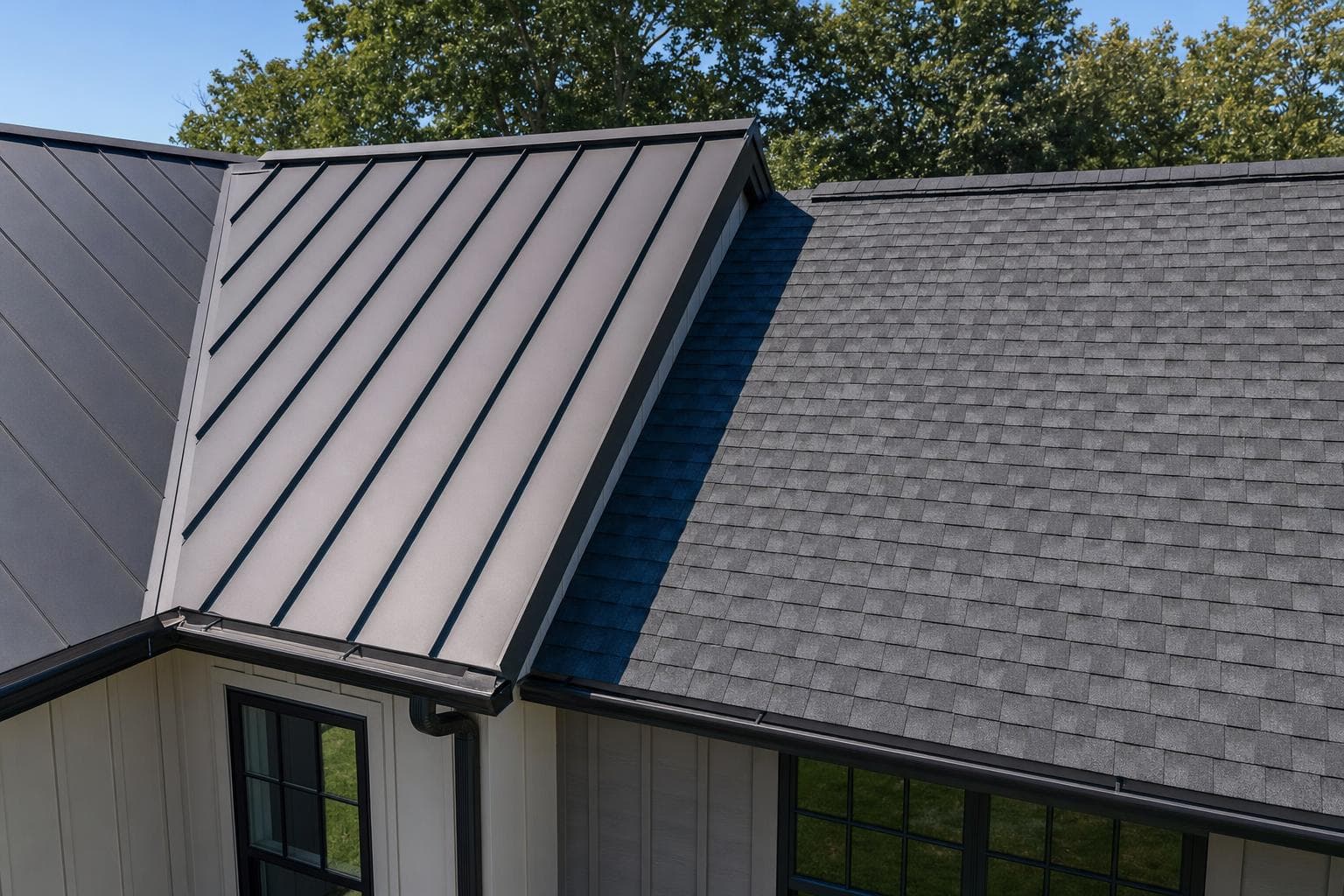
If you are deciding between metal and shingles in Illinois, the short answer is this: shingles usually win on lower upfront cost, while standing seam metal can make more sense if you plan to stay long enough to value the longer service life and lower storm wear. For many homeowners, the middle ground is Class 4 shingles. They cost more than Class 3, but they may make sense in a state where hail, wind, snow, ice dams, and freeze-thaw swings all push a roof hard. Your best choice depends on your budget now, your ownership horizon, and how much storm resilience you want to buy up front.
How much do metal and shingle roofs cost in Illinois?
The direct answer is that shingles cost much less upfront than standing seam metal in 2026 Illinois market pricing. For current Illinois planning prices related to metal vs shingle roof, use the cost guide and calculator, then compare the contractor's property-specific written scope. That means standing seam metal is more than double the Class 3 shingle price on that typical roof, and far above Class 4 as well. If you want a broader view of local numbers, full local pricing lives on the Illinois cost page and the calculator.
Which roof type handles Illinois weather better?
Standing seam metal and Class 4 shingles are usually the better storm-focused choices, but for different reasons. Illinois roofs get worked from both ends of the calendar. Warm-season thunderstorms drive hail and damaging straight-line winds that bruise shingles and strip granules, and the state ranks among the most tornado-prone in the country. Then winter brings heavy snow loads, ice dams along the eaves, and repeated freeze-thaw swings that pry at seams, flashing, and any shingle that is already worn. Humid summers add heat and moisture that age a roof faster, so ventilation and flashing detail matter as much as the material you pick. Metal sheds weather well, while Class 4 shingles are worth comparing on homes with meaningful hail exposure. Class 3 shingles can still be a practical choice, but they usually give you less margin against repeated storm wear.
Are Class 4 shingles the best value for most Illinois homeowners?
For many owners, yes, Class 4 shingles are the value play worth comparing first. The reason is simple: they narrow the durability gap without jumping all the way to standing seam pricing. In exchange, you are buying a product category that is worth comparing on Illinois homes with hail exposure. For metal vs shingle roof in Illinois, any insurance credit depends on the carrier, policy, address, and exact product; get the amount and documentation requirements from the insurer in writing. The rating does not guarantee freedom from all damage or establish a policy credit.
Talk to a roofer today
Planning ranges, scope details, and a direct path to request a roofing quote.
Does metal roofing last long enough to justify the higher price?
It can, but only if your ownership horizon is long enough and you are comfortable with the larger upfront spend. The key tradeoff is not whether metal is durable, it is whether you will own the home long enough to capture that durability yourself. If you expect to stay for many years, want a roof built for repeated Illinois weather cycles, and prefer to invest once rather than think about another replacement sooner, metal becomes easier to defend.
Which roof wins if you plan to move in a few years?
Class 3 or Class 4 shingles usually win for a shorter ownership horizon. The reason is straightforward: you keep your upfront cost lower and avoid tying a large amount of money into a roof you may not benefit from for decades. Between the two shingle options, Class 4 is often the smarter short-to-medium horizon choice if your area sees regular hail activity and your carrier offers a meaningful discount on the wind or hail premium portion. If your budget is tighter, Class 3 still gives you the lowest entry price.
Which roof wins if this is your long-term home?
Standing seam metal often wins for a long-term owner, with Class 4 shingles as the lower-cost alternative. If you plan to stay put, the higher upfront price can be easier to live with because the decision is less about today and more about years of weather, maintenance, and replacement timing. That does not mean metal is automatically right for every long-term owner. Some homeowners would rather spend far less now, choose Class 4 shingles, and accept that shingles are still a wear item in a hard-weather state. But if your goal is to install a premium roof and be done with the decision for a long time, metal deserves a serious look.
What about repairs, maintenance, and installation time?
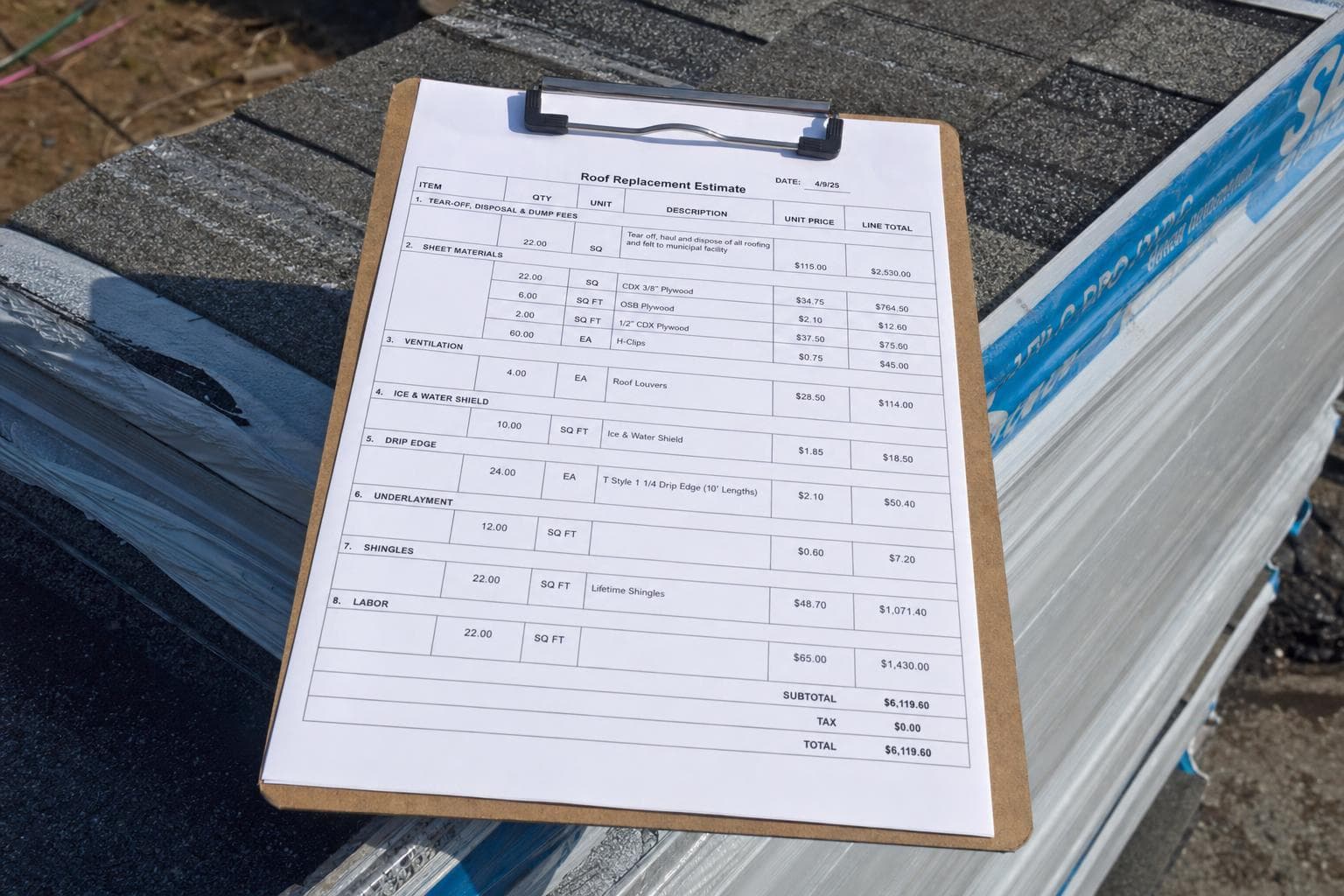
Repairs and roof complexity matter no matter which material you choose. Those generic job factors can shift the math more than many homeowners expect. A simple, walkable roof keeps costs more controlled. A steep or cut-up roof raises labor demands whether you pick shingles or metal. What matters just as much is the scope: tear-off, decking, underlayment, flashing, ventilation, and cleanup should all be spelled out clearly. In Illinois, that detail matters because freeze-thaw cycles and ice dams tend to expose weak flashing and poor edge work fast.
What should you check before you sign with an Illinois roofer?
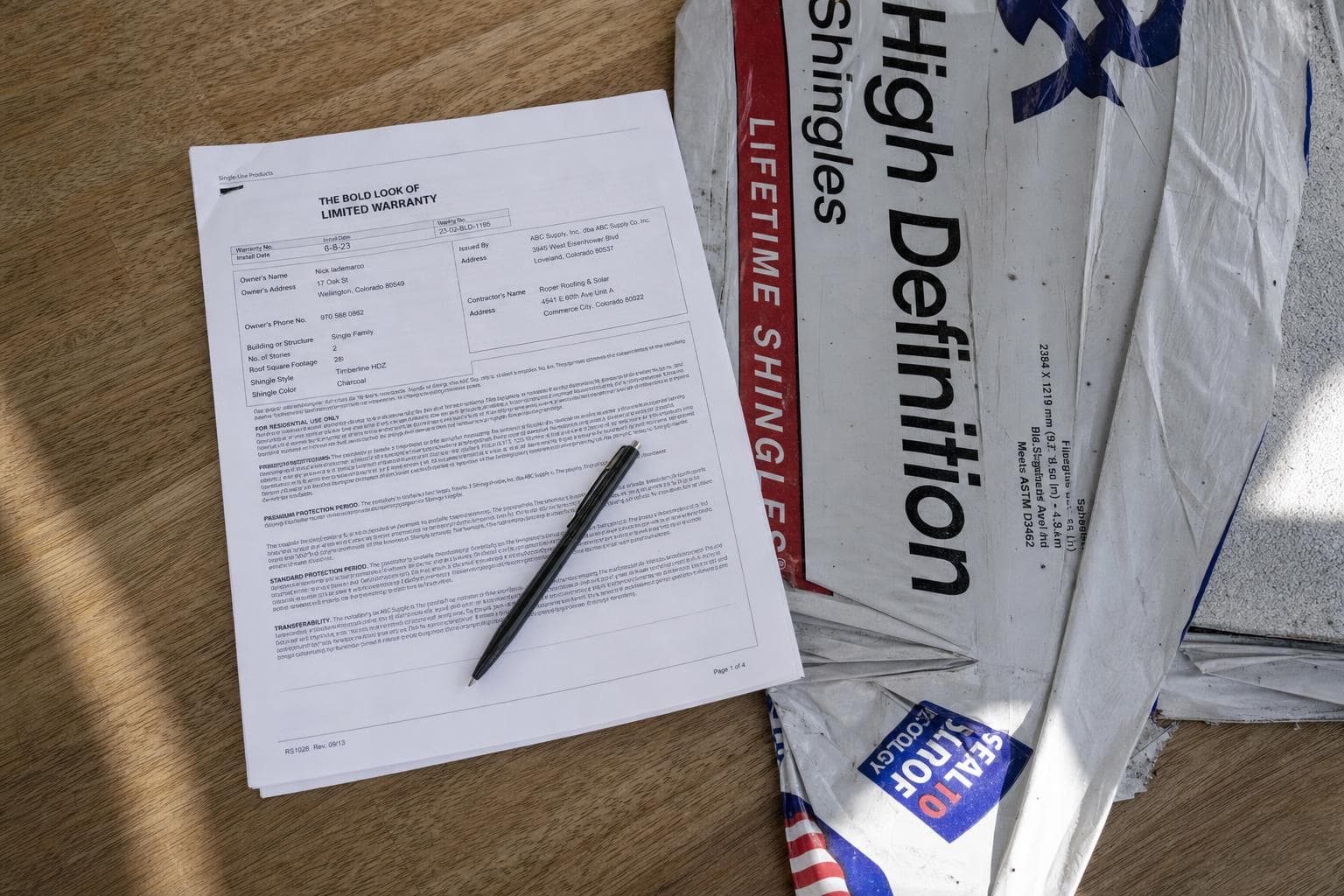
Start with the Illinois license and get the contract in writing. Under the Illinois Roofing Industry Licensing Act (225 ILCS 335), anyone doing roofing work in Illinois must hold a state roofing contractor license issued by the Illinois Department of Financial and Professional Regulation. Licenses come in two flavors: Limited and Unlimited. Working without one is illegal. Because Illinois issues a real state roofing license, your first step is to ask your roofer for the IDFPR roofing contractor license number and verify it yourself on the IDFPR License Lookup. Confirm the status is active and unexpired, the name matches, and there is no disciplinary history, then check that they carry the general-liability and property-damage insurance the state requires. For any home repair or remodeling job over an amount that must be confirmed for the written scope, Illinois requires a written contract spelling out the cost, materials, and the contractor's contact details, plus a signed copy of the state's "Home Repair: Know Your Consumer Rights" brochure.
How do insurance claims affect the metal vs. shingle decision?
Insurance affects the choice most when you are comparing Class 3 and Class 4 shingles. Illinois's Home Repair and Remodeling Act (815 ILCS 513/18) bars a contractor from advertising or promising to pay or rebate any part of your insurance deductible to win the job, and it bars them from representing you on a roofing insurance claim. If someone promises a free roof by eating your deductible, that is against the law. A roofing contractor you are considering can give you an estimate, meet with your adjuster, and walk you through options, but not run your claim for you. For metal vs shingle roof in Illinois, ask the insurer and state insurance regulator for the current notice, proof-of-loss, inspection, acknowledgment, and decision deadlines that apply to the claim. In practical terms, ask your carrier direct questions before upgrading to Class 4 or metal, especially around hail terms, cosmetic damage, and deductibles.
So, which roof should you choose in Illinois?
- No matter which material you choose, verify the Illinois roofing license, get a written scope, and make sure flashing, ventilation, underlayment, tear-off, decking, and cleanup are clearly covered.
- If you want to compare your home more closely, start with the Illinois cost page and the calculator, then talk with a roofing contractor you are considering about the roof shape, slope, and storm exposure on your specific house.
Sources reviewed
- Home Repair and Remodeling Act, Sec. 18 (815 ILCS 513/18)
- IDFPR – License Lookup (verify a roofer)
- UL Solutions: UL Solutions and IBHS Drive Trust in Residential Roofing Shingles
- Asphalt Roofing Manufacturers Association: Residential Asphalt Roofing Manual: Ventilation Best Practices
- Insurance Institute for Business & Home Safety: Natural Weathering and Hazard Exposure
Plan with current pricing
Related services
Updated July 27, 2026
3D Roofs Editorial Team
Editorial Standards