Updated July 10, 2026

3D Roofs Editorial Team
Editorial Standards
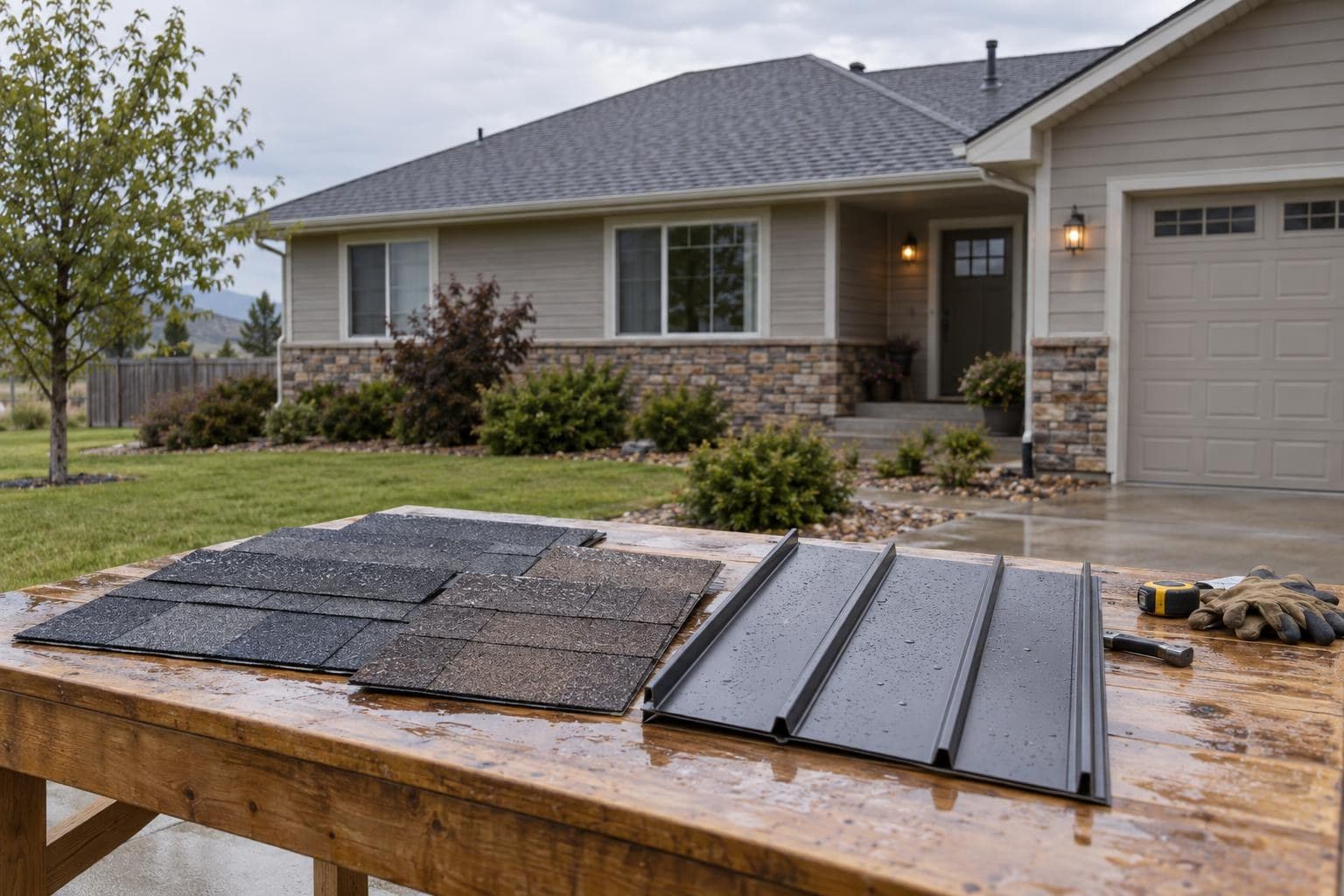
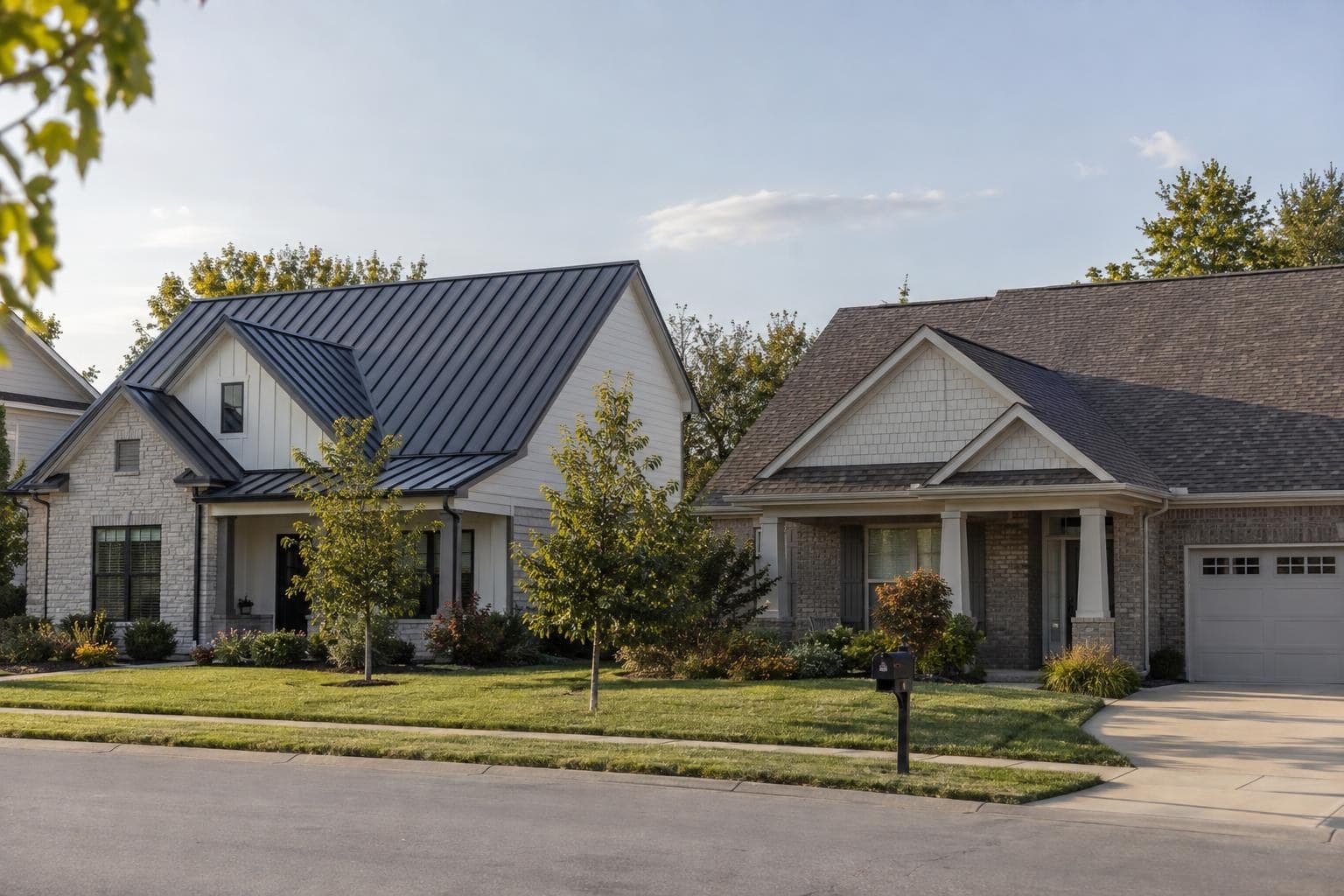
If you are choosing between metal and shingles in Indiana, shingles usually win on upfront cost, while metal can make more sense if you plan to stay put for a long time and want a premium product. For an early budget on a metal-versus-shingle comparison in Indiana, compare the Indiana cost page with a proposal that identifies measurements, products, accessories, and exclusions. That big spread is why this decision is less about which material is "best" and more about which one fits your budget, storm concerns, and ownership horizon.
Compare measured metal and shingle scopes in Indiana
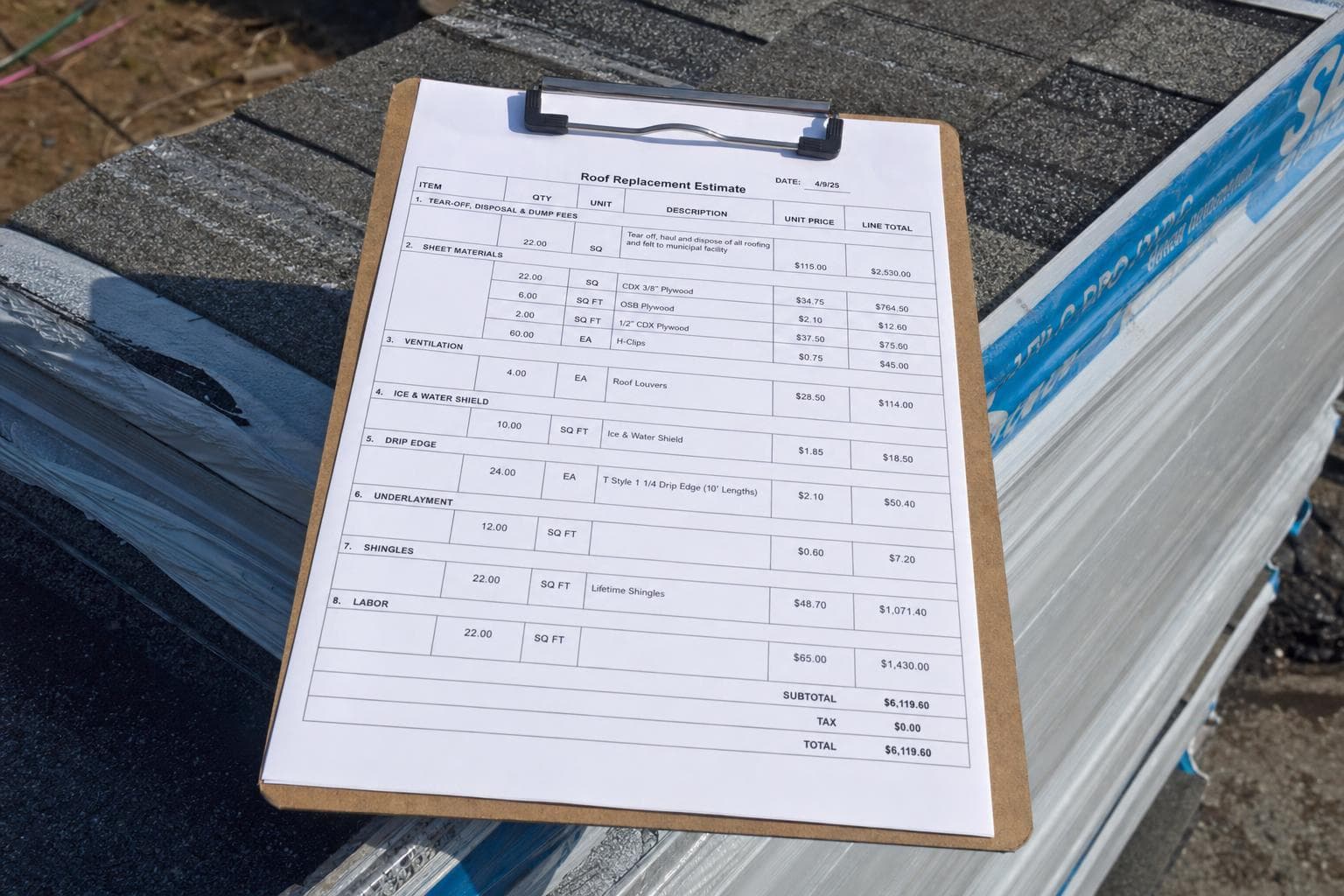
Shingles cost much less upfront. In plain terms, standing seam metal is roughly double the cost of Class 4 shingles and far more than basic architectural shingles.
That gap matters because many homeowners are not deciding between two equal monthly payments. They are deciding whether they want the lowest solid replacement cost now, a middle ground with impact resistance, or a much bigger upfront investment.
Which roof gives you the better value over time?
For most owners, shingles give the better short- to mid-term value, while metal can make sense over a longer hold. The reason is simple: shingles cost much less to install, so you recover less money when you sell or move sooner than planned. Metal asks for a much larger upfront spend, which can be harder to justify unless you expect to benefit from that roof for many years.
- Choose Class 3 shingles if your top priority is the lowest replacement cost now.
- Choose Class 4 shingles if you want a step up in impact resistance without jumping to metal pricing.
- Choose standing seam metal if you expect to stay long term and are comfortable paying much more upfront for a premium roof system.
Which roof is better for Indiana weather?
Indiana weather is hard on any roof, so the better choice is the one that matches your home's exposure and your risk tolerance. Indiana roofs deal with year-round weather stress. Wind, hail, heavy rain, snow, ice, and freeze-thaw cycles can all shorten roof life or turn a small weak spot into a leak. Seasonal swings can also wear out shingles, flashing, sealants, and roof penetrations over time.
That means material choice is only part of the story. A roof's performance also depends on how well your roofer handles flashing details, ventilation, penetrations, and drainage. For many Indiana homes, Class 4 shingles are an appealing middle option because they can offer more impact resistance than standard shingles without the price jump to standing seam metal. If you are considering a Class 4 impact-resistant shingle, it is reasonable to ask your carrier whether it offers a homeowners premium discount for that upgrade. Discounts and underwriting decisions are carrier-specific, so you should confirm the details with your insurer before you buy.
Talk to a roofer today
Planning ranges, scope details, and a direct path to request a roofing quote.
Compare measured metal and shingle scopes in Indiana: 4
Sometimes, yes. When comparing a metal-versus-shingle comparison in Indiana, use a written insurer response rather than a sales estimate for any impact-resistant roof credit. That does not mean every carrier will offer the same credit, and it does not mean the discount applies to your full homeowners premium. It is smart to ask your insurer exactly how the discount works before you decide whether the upgrade from Class 3 to Class 4 is worth it for your home.
For a lot of Indiana homeowners, this is where the comparison gets more interesting. The step from Class 3 to Class 4 is meaningful, but it is nowhere near the jump from shingles to standing seam metal. If your goal is to improve storm resistance and potentially pick up an insurance benefit, Class 4 can be the practical middle ground.
When lower initial disruption matters to the owner
If you may move in the next few years, shingles usually make more sense. The lower upfront cost is the big reason.
If you are selling soon, buyers often care most that the roof is in good condition, looks clean, and does not present an obvious near-term problem. In that situation, a new shingle roof often checks the box without pushing your replacement budget as high as metal.
When a serviceable metal system may fit the ownership plan
If this is your long-term home, metal becomes easier to justify, but only if the upfront price fits your budget. Long-term owners are the ones most likely to value the premium feel of standing seam metal and the chance to spread that larger investment across many years of ownership. If you expect to stay put and want to make a bigger one-time upgrade, metal may be worth a serious look.
That said, long-term owners should not overlook Class 4 shingles. They cost far less than metal, they may help with storm concerns, and they can be the more balanced choice if you want durability without turning one roofing project into a much larger capital decision.
What about repairs, project timing, and steep roofs?
The schedule for a metal-versus-shingle comparison in Indiana should explain access, material staging, weather protection, inspections, and the process for discovered deck work. Those numbers matter no matter which material you choose, because complexity affects your final cost and the day-to-day hassle of the project.
If your roof has storm damage, act quickly but do not rush the wrong part. Quick temporary protection and good documentation matter, but you should hold off on permanent repairs until the insurance company has inspected the damage. The Indiana Department of Insurance says your policy is a contract between you and your insurance company, and you should understand what is covered, what is excluded, and what the deductibles are before and during a claim. It also says to file claims as soon as possible, provide complete and correct information, and keep copies of all correspondence.
What should you do before signing with a roofer in Indiana?
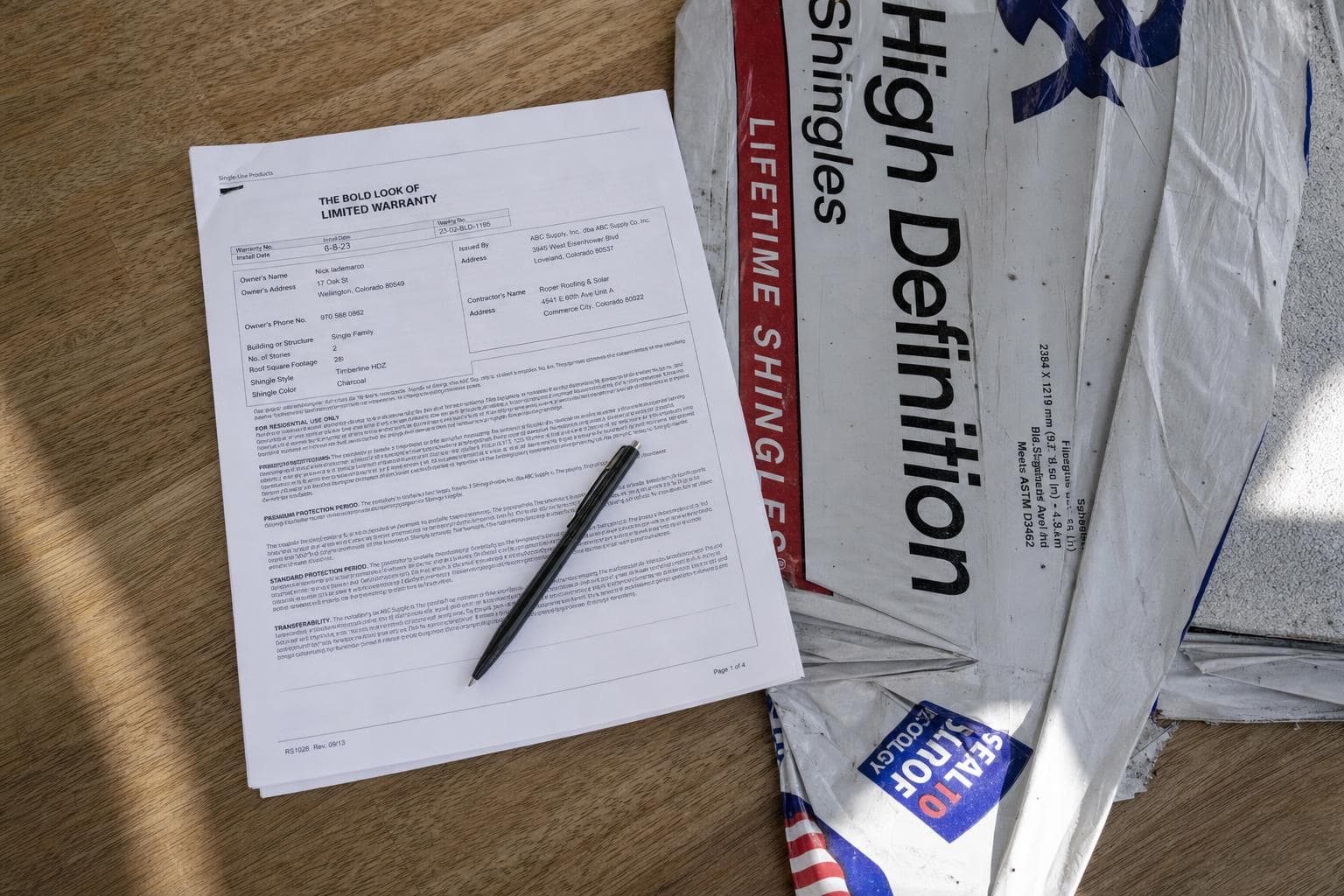
Keep it practical. Get a clear written scope, read the contract closely, ask how your roofer will document storm damage, and keep copies of every estimate, invoice, text, and email. If a sales pitch feels rushed or misleading, slow the deal down. Indiana's consumer protection agencies put the focus on smart buying and complaint options, so your best protection is careful documentation and a clear paper trail.
If you are weighing metal vs shingles in Indiana, the simplest answer is this: choose Class 3 shingles for the lowest upfront cost, choose Class 4 shingles for a stronger middle ground, and choose standing seam metal if you plan to stay long term and want a premium roof at a much higher initial price. If you want to compare your home more closely, check the full local pricing on the Indiana cost page and the calculator, then talk with a local contractor whose credentials you verified about the material that fits your budget and how long you plan to keep the house.
Sources
Reviewed technical references for Indiana
Related Indiana roofing guides
Related services
Updated July 10, 2026
3D Roofs Editorial Team
Editorial Standards