Updated July 10, 2026

3D Roofs Editorial Team
Editorial Standards
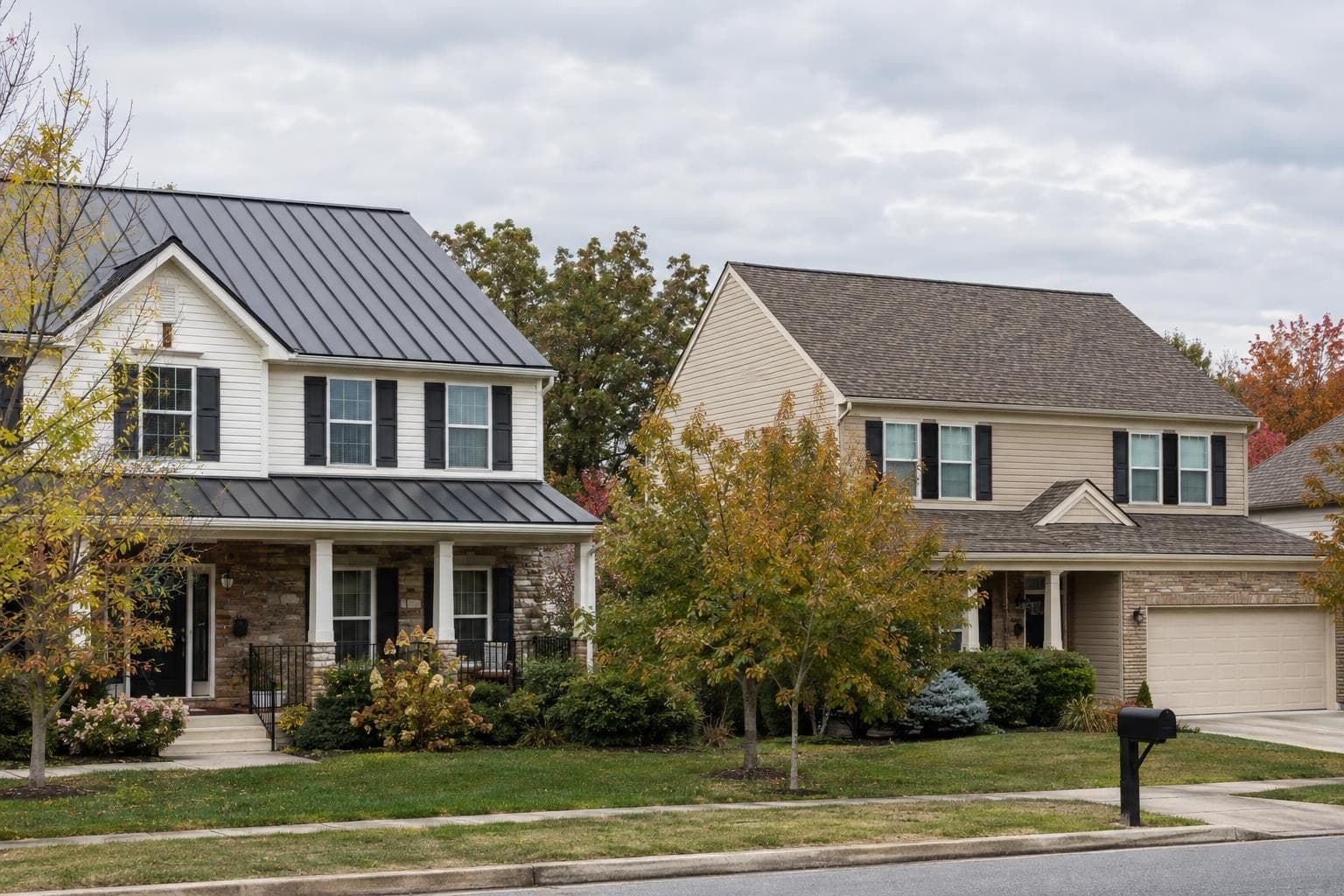
If you are deciding between a metal roof and an asphalt shingle roof in Maryland, the best choice usually depends on how long you plan to own the home. For a shorter ownership horizon, shingles are often the lower-cost path. For a longer horizon, metal can make more sense if you want fewer replacement cycles and you are comfortable with a higher upfront cost. In Maryland, that choice matters because your roof has to deal with moisture, wind, sudden storm hits, and in some areas coastal exposure on top of winter freeze-thaw stress.
Compare measured metal and shingle scopes in Maryland
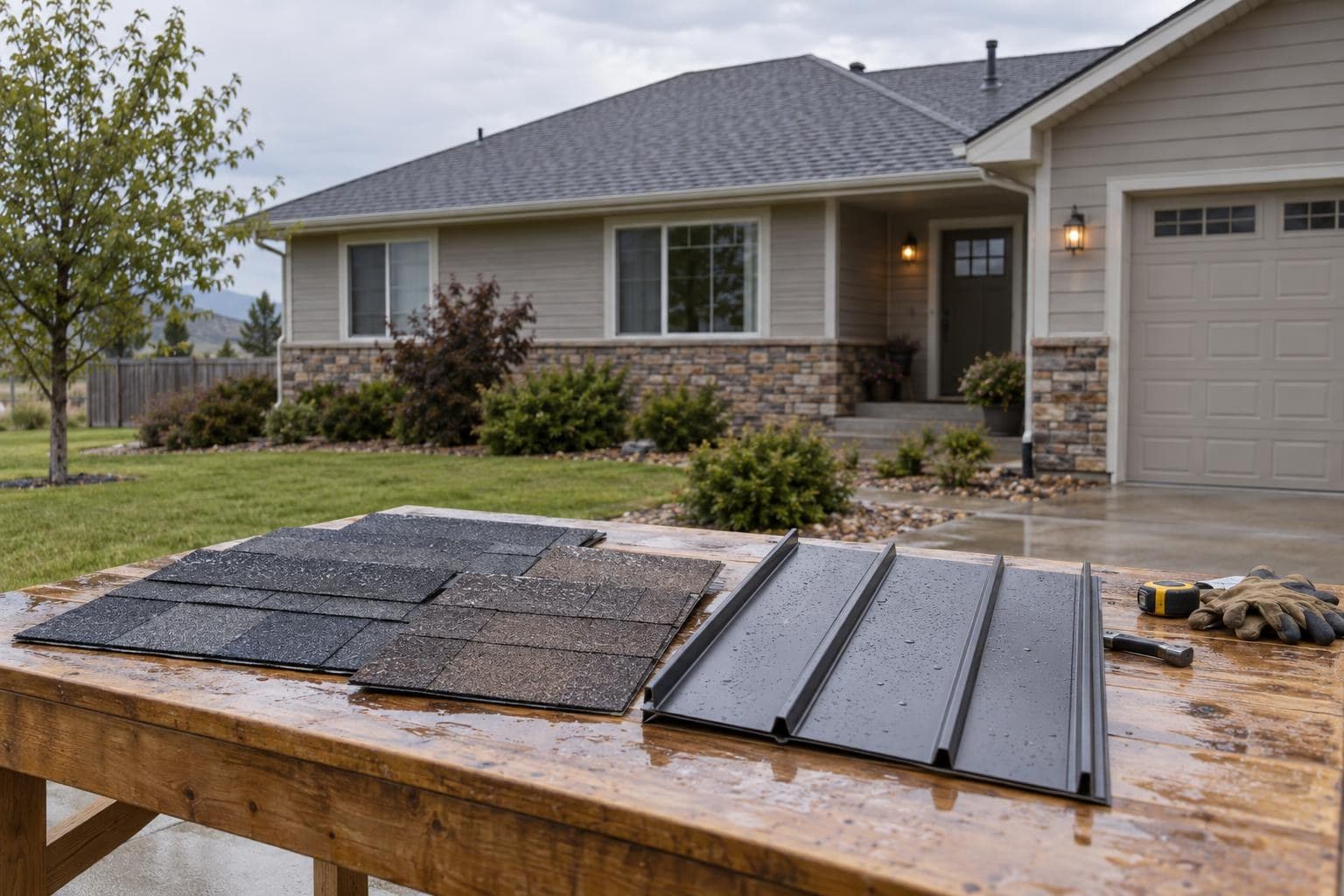
The direct answer is that metal costs much more upfront than shingles in current Maryland cost data. For an early budget on a metal-versus-shingle comparison in Maryland, compare the Maryland cost page with a proposal that identifies measurements, products, accessories, and exclusions. That means the gap between Class 3 shingles and standing seam metal is large, and even Class 4 shingles come in far below metal on initial price.
- The schedule for a metal-versus-shingle comparison in Maryland should explain access, material staging, weather protection, inspections, and the process for discovered deck work.
If you want the full local picture, your next step is to review the Maryland cost page and the calculator. Those give you a better way to compare your roof size, slope, and material choice without guessing from a national average.
Which roof is better for Maryland storms?
For storm durability, the answer is usually Class 4 shingles or standing seam metal, depending on your budget and priorities. Maryland roofs often wear down from a combination of moisture, wind, and sudden storm hits. Leaks, lifted shingles, flashing problems, and gutter strain are common issues to watch after severe weather. Storms can also bring wind-driven rain, hail, and fallen tree damage, while hurricanes and coastal weather can add another layer of exposure in areas closer to the Chesapeake Bay and Atlantic coast.
If your main concern is impact resistance and you still want to stay closer to a shingle budget, Class 4 shingles often land in the middle. They cost more than Class 3, but much less than standing seam metal. If your main concern is long-term material durability and you plan to stay put for many years, standing seam metal may be worth the higher entry price. The practical point is that Maryland weather can punish weak spots, so durability matters most on homes with repeated storm exposure, older rooflines, or more vulnerable surroundings such as overhanging trees.
When lower initial disruption matters to the owner
If you expect to move in a few years, shingles usually win. The reason is simple: the upfront cost is much lower, and that matters more when you may not stay long enough to feel the value of a more expensive metal roof. Between the two shingle options, Class 3 is the budget play and Class 4 is the stronger durability play. If storm concerns are part of your decision, Class 4 can be a practical middle ground because it raises upfront cost less sharply than metal does.
For a shorter owner horizon, many homeowners want a roof that looks clean, solves current problems, and avoids overspending right before a sale. That does not make metal a bad roof. Evaluate the upgrade using the installed price difference, a written insurer response, expected ownership period, repairability, and warranty terms instead of assuming it will recover its cost on a fixed timeline.
Talk to a roofer today
Planning ranges, scope details, and a direct path to request a roofing quote.
When a serviceable metal system may fit the ownership plan
If you plan to stay long term, metal often becomes more attractive, but only if the higher upfront cost fits your budget. The reason is not that every long-term owner should pick metal. It is that long-term owners usually care more about reducing future replacement cycles, getting a more durable system, and making a one-time investment they can live under for many years. In Maryland, where roofs deal with repeated moisture exposure, wind, winter stress, and sudden severe weather, that can carry real value.
That said, Class 4 shingles still deserve a close look for long-term owners. They cost much less than standing seam metal and may fit your budget better while still improving storm resistance over Class 3. If you are trying to balance upfront cost with stronger protection, Class 4 is often the option that keeps the decision grounded.
Where impact-rated shingles fit between the two systems
Yes, it can, but you should confirm it with your carrier before you count on savings. When comparing a metal-versus-shingle comparison in Maryland, use a written insurer response rather than a sales estimate for any impact-resistant roof credit. If you are considering a Class 4 impact-resistant roof, ask your insurer whether it offers a discount and what documentation it requires. A local contractor whose credentials you verified can help you understand product documentation, but your carrier decides eligibility and savings.
What should you know about storm claims and roof contracts in Maryland?
The short answer is that you should slow down, compare documents carefully, and follow the state rules on deductibles and claims help. The Maryland Insurance Administration tells homeowners to get multiple bids from contractors and compare them with the adjuster’s report before settling the claim. It also advises you to be there when the adjuster visits and point out all damage.
- Get multiple bids and compare them with the adjuster’s report before settling a claim
- Be there when the adjuster visits and point out all damage
- Do not accept deductible waivers or deductible rebates, state law makes that illegal
- Your insurer may request proof that you paid the deductible
- Report property damage as soon as possible and ask about advance payments and living expenses after covered storm damage
There is another rule that matters when you hire your roofer. In Maryland, roofing work on a home generally falls under home improvement. The Maryland Home Improvement Commission says it licenses and regulates home improvement contractors and salespersons, and that only MHIC licensed contractors may enter into contracts with homeowners to perform home improvement work. For you, that means a smart first step is to check the contractor or salesperson license status through the state resource before you sign anything. You should also know the Maryland Home Improvement Commission says a home improvement contractor may prepare an estimate for storm repair, but may not prepare the insurance claim for you, negotiate the claim with the insurance company, or advise you on policy coverage unless that person is licensed as a public adjuster by the Maryland Insurance Administration.
Build the final Maryland decision from two complete scopes
If you want the clearest answer, choose shingles for lower upfront cost and choose metal for a longer-horizon durability play. Class 3 shingles make the most sense when budget drives the project. Class 4 shingles make the most sense when you want a stronger storm-focused option without jumping to the cost of standing seam metal.
If you are still on the fence, compare your owner horizon first. Are you staying five years or less, or are you planning to stay much longer. Then compare your storm exposure, your tolerance for future roof work, and your budget now. That simple framework usually gets you to the right answer faster than debating materials in the abstract. For next steps, review the full local numbers on the Maryland cost page and use the calculator to pressure-test the option that fits your home best.
Sources
Compare exact metal and shingle systems in Maryland
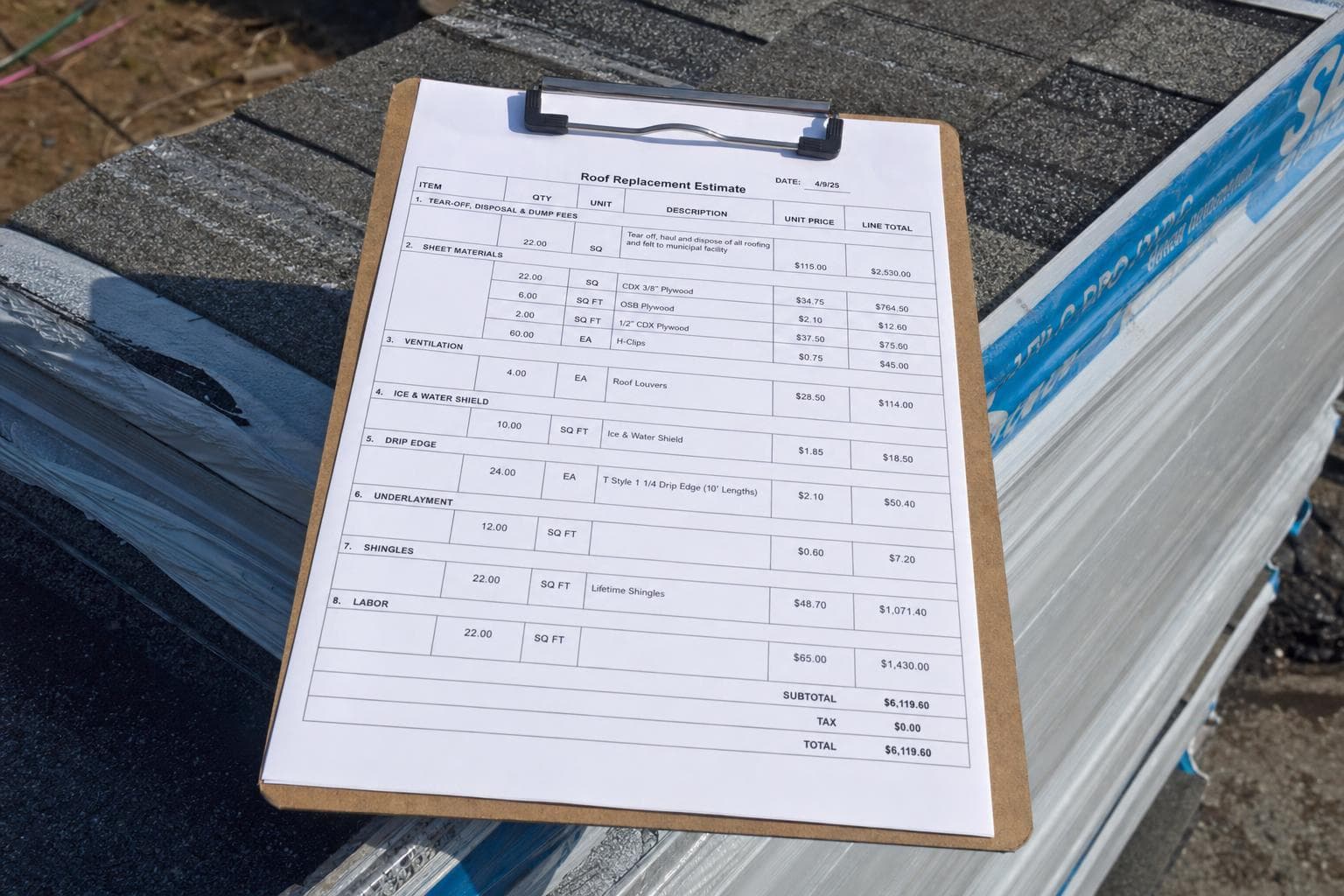
The metal bid should identify panel profile, base metal, thickness or gauge, finish, substrate, clips or fasteners, seams, movement, edges, and penetrations. The shingle bid should identify field, starter, ridge, underlayment, flashing, edge metal, fastening, and ventilation. Compare complete systems, not two category names. For a Maryland property, treat coast, inland terrain, and higher elevation as starting points; the address and complete assembly still control the scope.
Reviewed technical references for Maryland
Related Maryland roofing guides
Related services
Updated July 10, 2026
3D Roofs Editorial Team
Editorial Standards