Updated July 10, 2026

3D Roofs Editorial Team
Editorial Standards
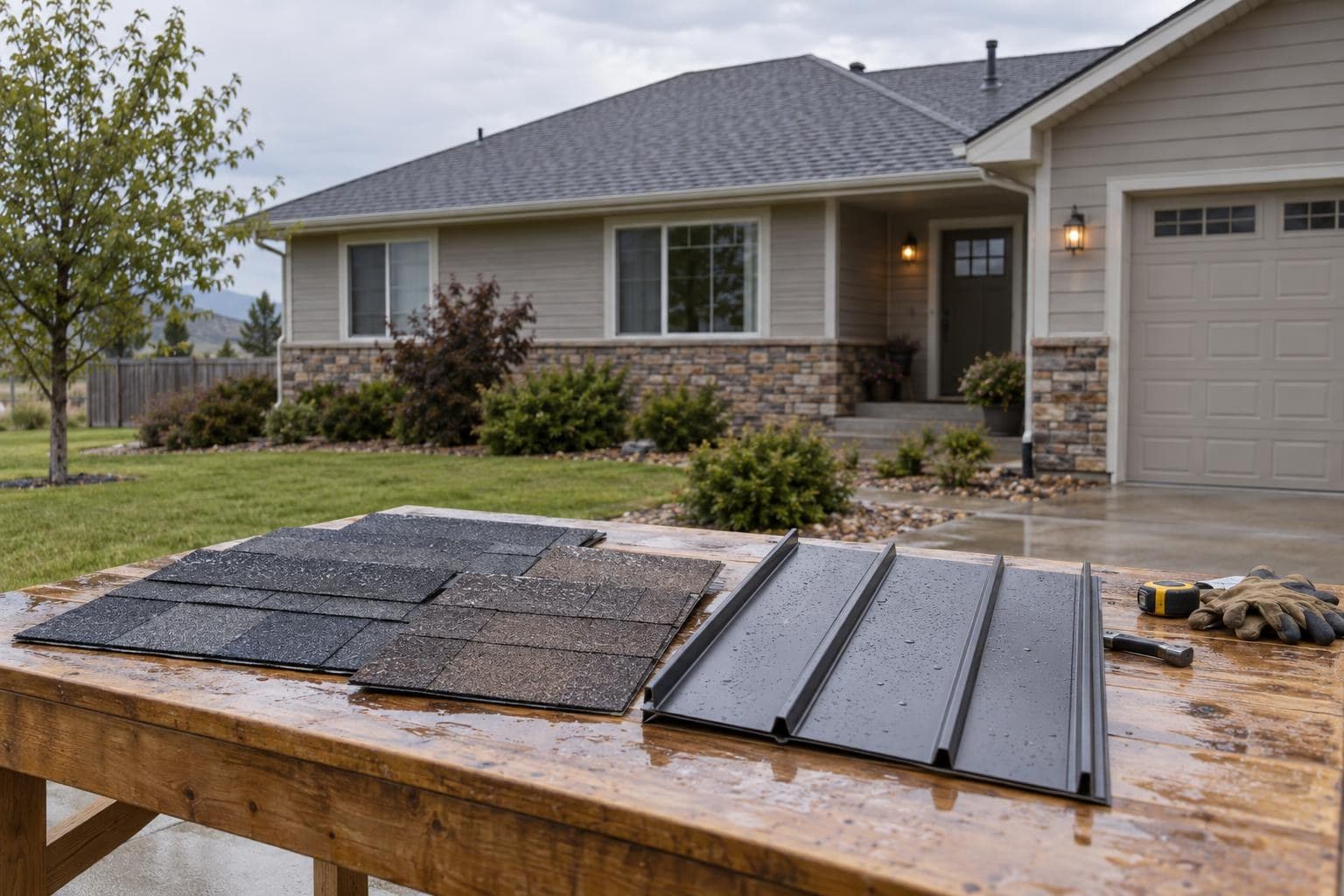
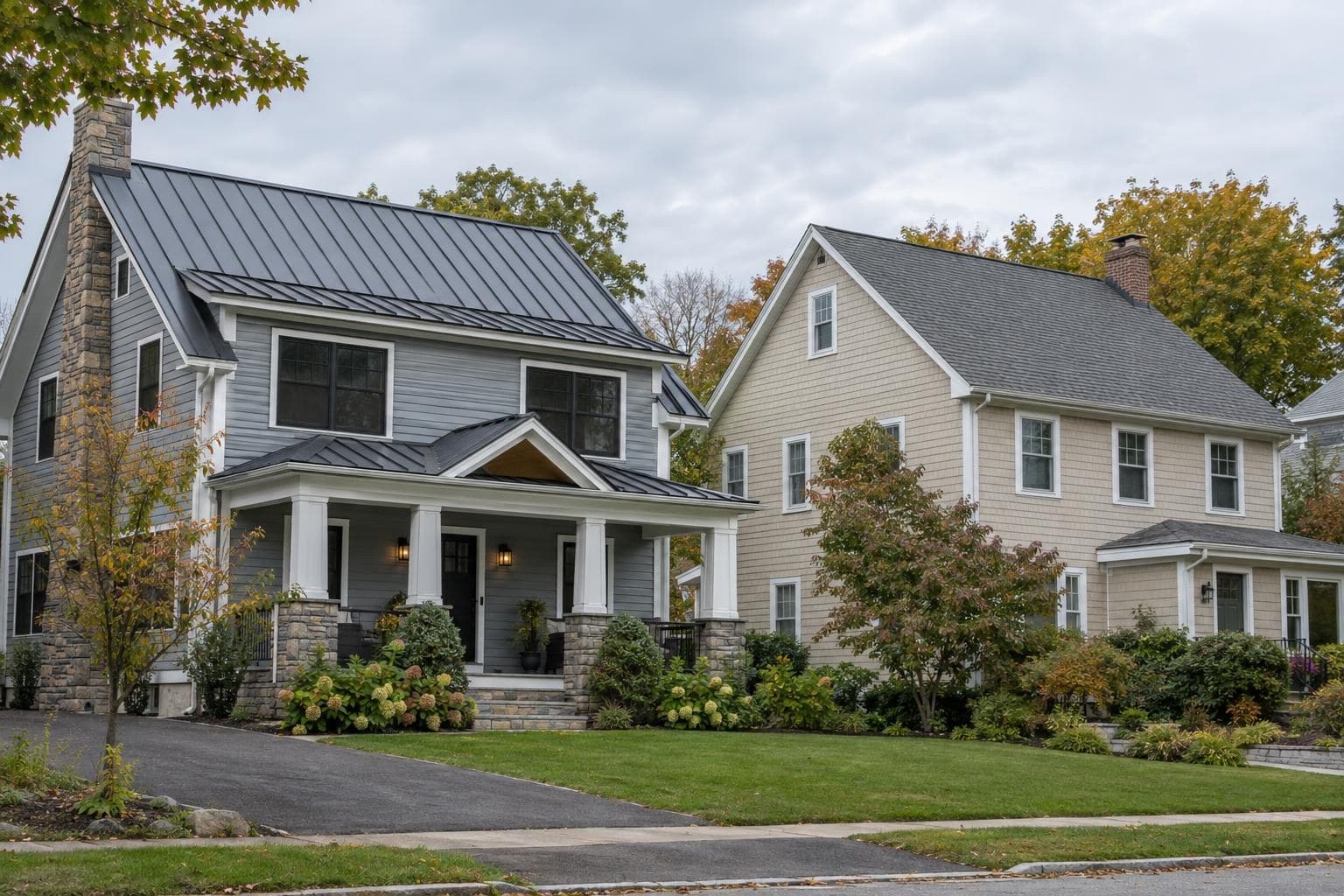
Metal usually wins on long-term durability, while shingles usually win on upfront cost. In Massachusetts, your practical choice comes down to what you want to spend now, how long you expect to own the home, and how much you value lower maintenance risk through freeze and thaw cycles, snow and ice, wind-driven rain, and coastal salt air in some areas.
Compare measured metal and shingle scopes in Massachusetts
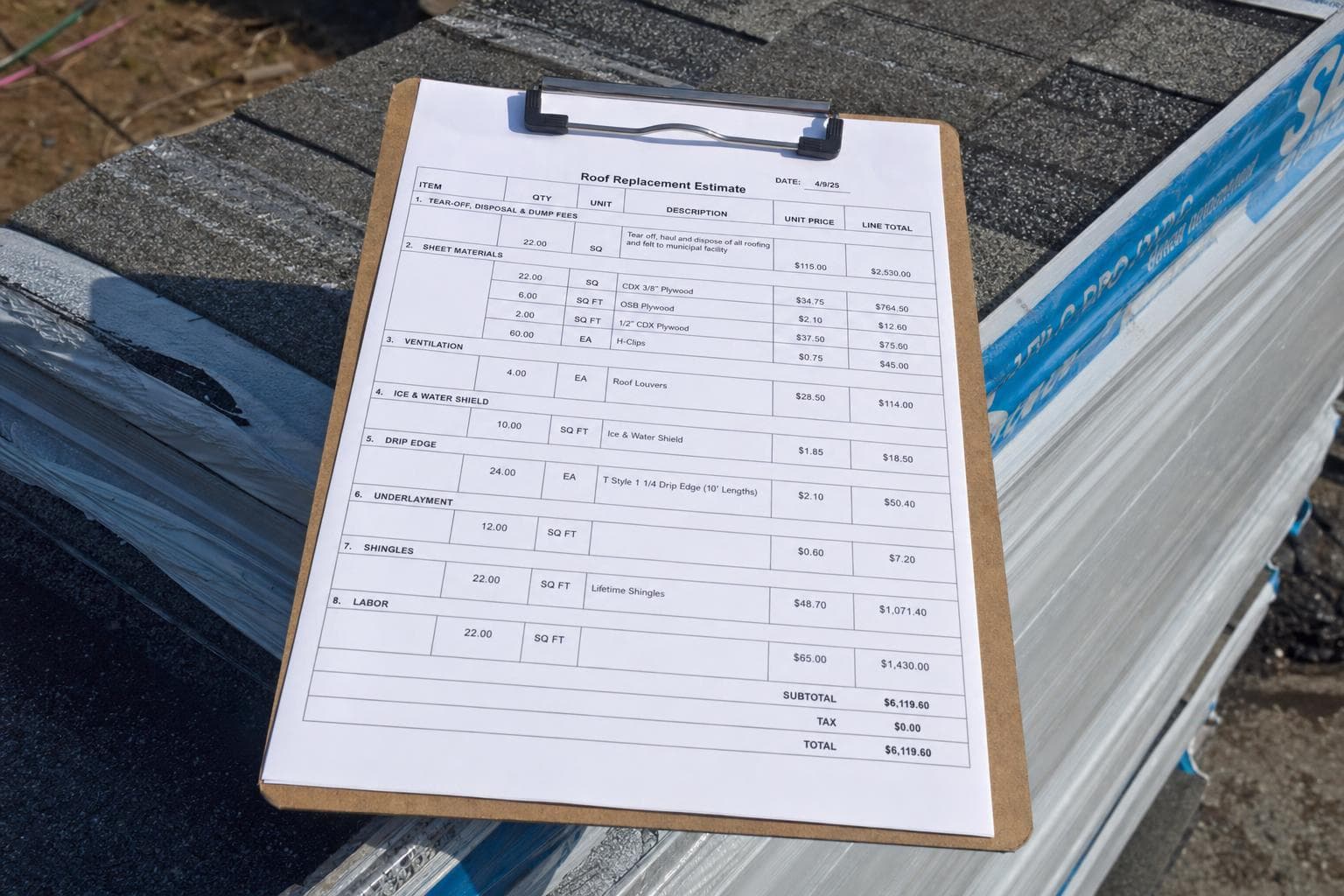
Shingles cost much less upfront, and that is the biggest reason many homeowners choose them. For an early budget on a metal-versus-shingle comparison in Massachusetts, compare the Massachusetts cost page with a proposal that identifies measurements, products, accessories, and exclusions. The schedule for a metal-versus-shingle comparison in Massachusetts should explain access, material staging, weather protection, inspections, and the process for discovered deck work.
Which roof holds up better in Massachusetts weather?
Metal usually holds up better against the full Massachusetts weather mix, but a well-installed shingle roof can still perform well. Your roof here has to deal with freeze and thaw cycles, snow and ice, wind-driven rain, and in some areas coastal salt air. Winter moisture can turn small roof weaknesses into leaks. Snow load and ice can stress shingles, flashing, and roof edges. Wind and storms can lift aging materials, especially near the coast. Over time, that mix tends to reward tight flashing details, solid attic ventilation, and fast repair of small damage before another season makes it worse. That matters for both materials, but it matters even more if you are trying to stretch the life of a lower-cost roof.
When lower initial disruption matters to the owner
Yes, shingles are often the better value if your ownership horizon is shorter and you want to control upfront spending. Class 3 gives you the lowest entry price. Class 4 costs more, but it may make sense if you want tougher impact resistance and you want to ask your carrier about possible savings. When comparing a metal-versus-shingle comparison in Massachusetts, use a written insurer response rather than a sales estimate for any impact-resistant roof credit. That does not mean every policy will, and discount rules are carrier-specific, so you should ask your carrier whether a Class 4 roof qualifies for any premium discount or underwriting credit.
Talk to a roofer today
Planning ranges, scope details, and a direct path to request a roofing quote.
When a serviceable metal system may fit the ownership plan
Yes, metal often makes more sense for a longer ownership horizon because it trades a much higher upfront cost for stronger long-term durability and fewer reasons to worry about aging shingles in harsh seasons. In Massachusetts, that matters because repeated winter weather and wind can expose small weaknesses over time. If you expect to stay put and you would rather pay more now to reduce the chance of dealing with wear-related issues later, standing seam metal is the cleaner long-horizon play. If you are more payment-sensitive today, shingles are usually easier to justify.
Where impact-rated shingles fit between the two systems
Yes, for many homeowners, Class 4 is the middle ground. It costs more than Class 3 but far less than standing seam metal. It also gives you a stronger shingle option if you want better resistance to storm-related wear without jumping all the way to metal pricing. In Massachusetts, that can be appealing if you want a roof that feels more defensive against the weather but you still need the project to stay in a shingle-level budget range.
What repair and replacement realities should you expect with either roof?
Those are useful planning numbers whether you choose shingles or metal. The bigger point is that Massachusetts weather rewards fast action. Winter moisture can turn a small weakness into an interior leak, and wind near the coast can make aging roof areas worse. If you see missing shingles, loose flashing, staining, or signs of ice-related damage, it is smart to have your roofer look at it before the next round of weather.
What should you do if storm damage leads to an insurance claim?
Act quickly, protect the home, and keep records. The Division of Insurance says most homeowner insurance policies generally require you to give immediate notice of a possible claim, protect your property from further loss or damage, and keep records and receipts if you make temporary repairs. Massachusetts's division of Insurance also says not to dispose of damaged property until your producer, claims adjuster, or company says you can. If the insurance company denies any part of the claim, Massachusetts's division of Insurance says you should ask for the denial in writing and keep all paperwork. If you think the amount offered is not fair, Massachusetts's division of Insurance says you can first try to resolve the dispute directly with the insurance company, demand appraisal as provided by your policy, file a complaint with the Division of Insurance, file a claim in small claims court, hire a lawyer, or request review by an arbitration panel.
How do claim payments work for a roof replacement in Massachusetts?
Payments may come in stages, and your lender may be named on major repair checks. The Division of Insurance says your full claim payment may come in multiple payments. It says the first payment will likely be an emergency advance, and that if you have replacement cost coverage, the insurance company will pay the difference between replacement cost and actual cash value once it has received proof that repairs are complete. Massachusetts's division of Insurance also says that if you have a mortgage, the insurer is obligated to include your lender on the check for major repairs. That can affect timing, so it helps to ask questions early if a full roof replacement is part of the claim.
How should you compare roofers for this project in Massachusetts?
Ask about Massachusetts compliance, not just the roofing material. For residential work on an existing owner-occupied home with one to four units, Massachusetts's division of Insurance says contractors that solicit, bid on, or perform that work must be registered as Home Improvement Contractors. Massachusetts's division of Insurance also says an HIC Registration is different from a Construction Supervisor License and they are not interchangeable. For most existing 1- to 4-family owner-occupied homes, a licensed construction supervisor or a registered design professional must oversee construction, and the contractor must also register with the home improvement program. So when you compare roofers, ask your roofer whether the company holds current HIC registration, who will provide the required construction oversight, and whether your city or town has added requirements. Massachusetts's division of Insurance also says Massachusetts does not recognize out of state contractor licenses, and to always check with the municipal building official in the city or town where the project is located for additional licensing requirements.
Build the final Massachusetts decision from two complete scopes
- Choose Class 3 shingles if your main goal is the lowest upfront cost and you do not want to commit to metal pricing.
- Choose Class 4 shingles if you want a stronger shingle option, a moderate step up in price, and you want to ask your carrier about possible premium credits.
- Choose standing seam metal if you expect to own the home for a long time and you want to pay more now for stronger long-term durability in Massachusetts weather.
- If you are near the coast, dealing with repeated winter stress, or simply want fewer worries about aging shingles over time, metal becomes easier to justify.
- If your budget is tight today, shingles are usually the more practical move, and good flashing, ventilation, and timely repairs matter just as much as material choice.
For most homeowners in Massachusetts, the real contest is not metal versus shingles in the abstract. If you want the lower upfront number, shingles usually win. If you want the longer-horizon, lower-stress option, metal usually wins. The best next step is to compare your roof size, slope, and ownership horizon against the latest local cost data, then review the full local pricing on the Massachusetts cost page and the calculator.
Sources
Reviewed technical references for Massachusetts
Related Massachusetts roofing guides
Related services
Updated July 10, 2026
3D Roofs Editorial Team
Editorial Standards