Updated July 10, 2026

3D Roofs Editorial Team
Editorial Standards
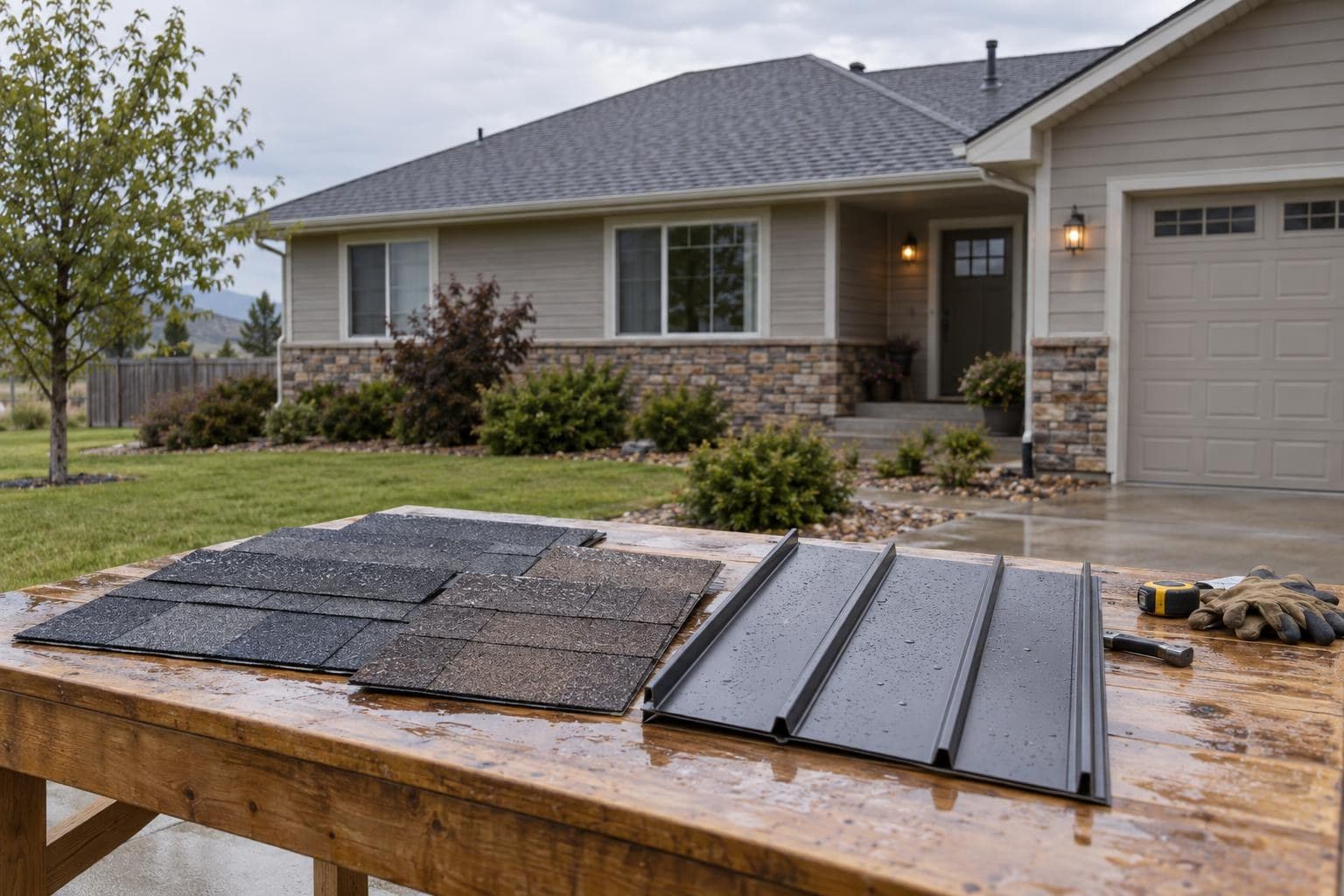
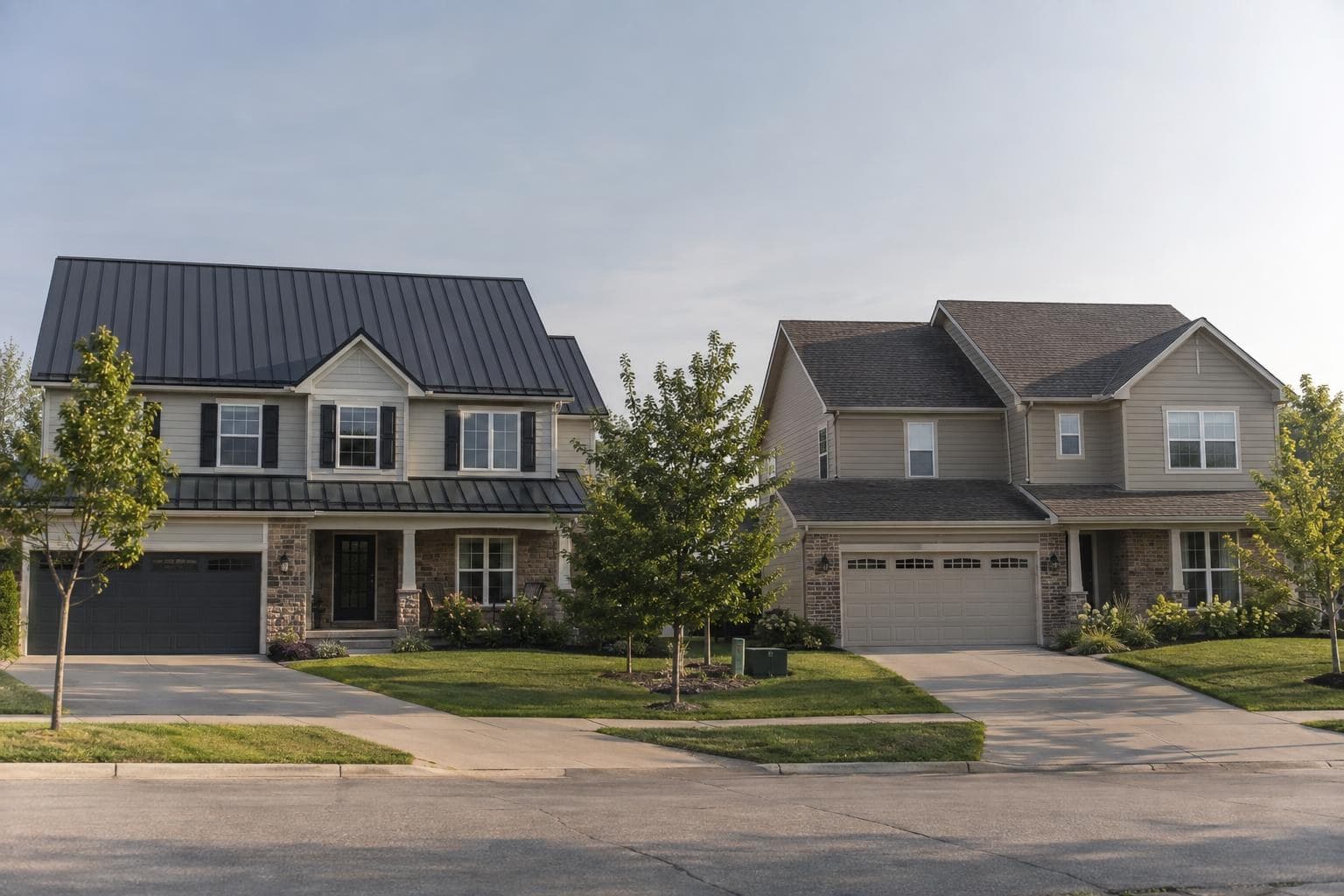
If you are choosing between metal and shingles in Nebraska, the main tradeoff is simple: shingles usually win on upfront cost, while metal can make more sense if you expect to stay put for a long time and want a tougher roof system. Check current Nebraska cost data for a metal-versus-shingle comparison in Nebraska, then replace the range with an assembly-specific proposal based on measured conditions. Nebraska roofs deal with hail, strong wind, heavy rain, snow, ice, and sharp temperature changes, so your decision is not just about curb appeal. It is about how long you plan to own the home, what kind of storm exposure you expect, and how much you want to spend now versus later.
Compare measured metal and shingle scopes in Nebraska
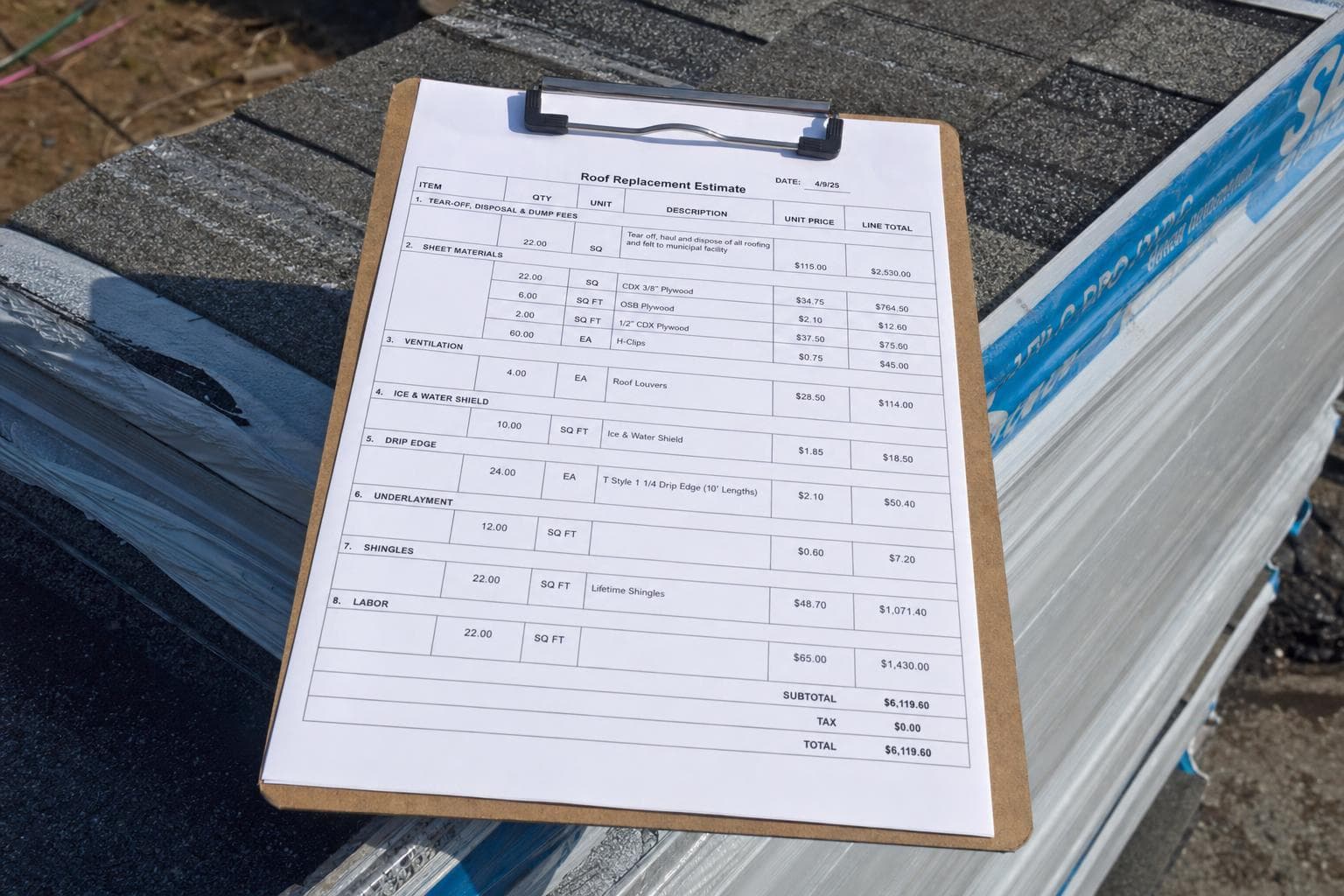
Shingles cost less upfront, and for most homeowners that is the first big decision point. That means metal is a major jump in initial cost compared with either shingle option. If your budget is tight, shingles are usually the more practical path. Have each bidder explain how pitch and roof complexity change crew setup, production, and measured price for a metal-versus-shingle comparison in Nebraska.
When a serviceable metal system may fit the ownership plan
Metal usually has the edge on service life, but the useful answer for you is that Nebraska weather is hard on any roof. Repeated hail, wind, rain, snow, ice, and sharp temperature swings can shorten shingle life, loosen flashing, damage gutters, and turn small storm hits into leaks if repairs wait too long. Shingles can still be a solid choice, especially if you want a lower upfront cost and plan to replace again later. Metal can be the better fit if you want to reduce the chances of going through another full replacement during your ownership. The key is not just the field material. Your roofer should inspect the full roofing system, including flashing, penetrations, ventilation, and drainage details, because those are often where Nebraska storm problems show up first.
Where impact-rated shingles fit between the two systems
Yes, for many owners, Class 4 shingles are the middle path that makes the most sense. You pay more than Class 3, but far less than standing seam metal. In Nebraska, that matters because storm exposure is a real part of roof ownership. The Nebraska Department of Insurance says that when rebuilding, you should consider using materials that will resist damage such as impact resistant shingles or siding, and that insurance companies may offer discounts on insurance for these resistant materials. A Class 4 rating does not establish a policy credit in Nebraska; the carrier and policy determine eligibility, documentation, and savings. If you are considering a Class 4 roof, ask your carrier what discount, if any, applies to your specific policy, because carriers set their own discounts.
Talk to a roofer today
Planning ranges, scope details, and a direct path to request a roofing quote.
When lower initial disruption matters to the owner
If your ownership horizon is short, shingles usually win. In that short-horizon scenario, Class 3 can be the budget play, while Class 4 can be the smarter upgrade if you want better impact resistance and a possible policy-specific premium credit on the wind/hail premium portion. If your main goal is to solve the roofing problem without overinvesting before a future sale, shingles are often the cleaner answer.
When a serviceable metal system may fit the ownership plan: 5
If your ownership horizon is long, metal becomes easier to justify, especially if you want durability and do not want to think about another replacement for a long time. The upfront cost is much higher, but some homeowners prefer paying more once rather than facing another full roof decision later. That said, long-term owners should still compare metal against Class 4 shingles, not just Class 3. Class 4 often gives you a stronger storm-focused option at a much lower price than standing seam metal. For many Nebraska homeowners, the real decision is not shingles versus metal in the abstract. It is whether the extra jump from Class 4 to standing seam is worth it for your budget, your plans, and your tolerance for future roof work.
How do repairs and storm claims change the decision?
Storm claims and repair needs can push the choice in either direction. Before approving a metal-versus-shingle comparison in Nebraska, have the bidder connect timing to roof complexity, crew access, material handling, weather, inspections, and concealed conditions. After a storm, your best move is to document what you see, stop further damage with temporary protection if needed, and have your roofer inspect the full roofing system, not just the obvious trouble spots. The Nebraska Department of Insurance says to report damages as soon as possible and keep a log of all communications, including names, dates, and topics discussed. It also says to take photos and videos and make a detailed list of damaged or destroyed items.
- The Nebraska Department of Insurance says you should make only temporary repairs to prevent additional losses, save receipts for reimbursement, and not make any permanent repairs until an adjuster inspects the damage.
- The Nebraska Department of Insurance says to be present during inspections, use trusted contractors, avoid paying in full upfront, and, in its words, "DO NOT SIGN ANYTHING UNTIL YOU TALK WITH YOUR INSURANCE COMPANY."
- The Nebraska Department of Insurance says claims may be paid in parts, including an initial emergency advance followed by payments for property and repairs. It also says structure-related payments may include your mortgage company and be released in stages.
Is metal always better in hail and wind?
No, not always in the way homeowners often mean it. Metal has a strong reputation for durability, but better for you depends on what problem you are trying to solve. If your goal is the lowest upfront cost, metal is not better. If your goal is a storm-aware upgrade without jumping to the highest price point, Class 4 shingles may be the better fit. If your goal is long ownership and a premium material choice, standing seam may win. In Nebraska, the smarter approach is to compare likely storm exposure, budget, insurance implications, and how long you expect to keep the home, instead of assuming one material is automatically right for every house.
What should you ask a roofer before choosing?
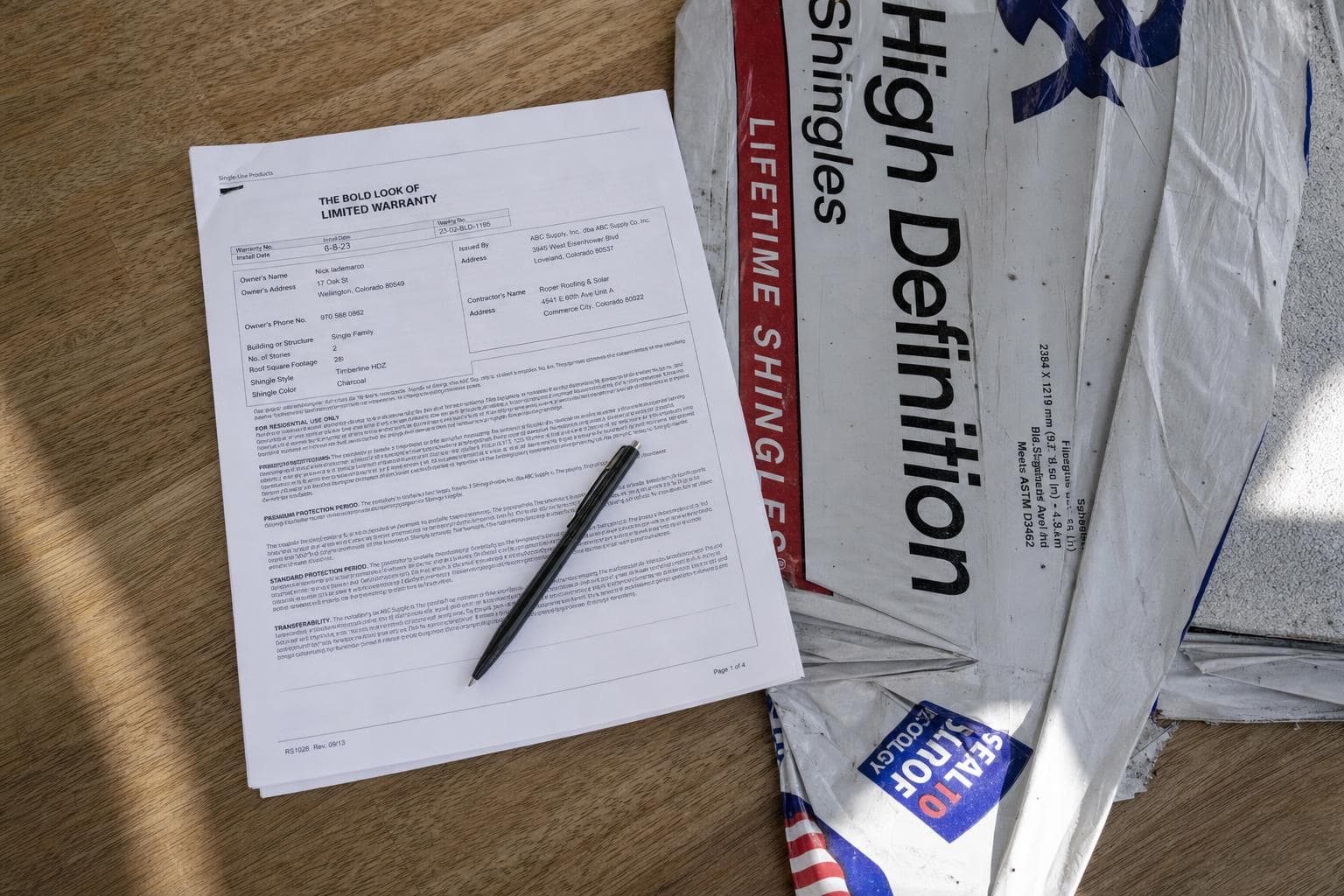
Start with the scope, the details that affect performance, and how the job will be handled on your home. In Nebraska, contractor registration matters, but it is not a quality guarantee. The Nebraska Department of Labor says all contractors doing business in Nebraska must register with the Nebraska Department of Labor, and it also says registration does not ensure quality of work or protect against fraud. For you, that means you should confirm your roofer is registered, then still ask clear questions about scope, materials, cleanup, who will be on site, and how change orders will be handled. You should also follow the Nebraska Department of Insurance guidance to use trusted contractors, be present during inspections, avoid paying in full upfront, and avoid signing anything before you talk with your insurance company.
Build the final Nebraska decision from two complete scopes
Choose Class 3 shingles if you want the lowest upfront cost. Choose Class 4 shingles if you want a stronger storm-focused value play and want to ask your carrier about possible savings on the wind/hail premium portion. Choose standing seam metal if you expect to stay long term, can handle the much higher initial spend, and want a premium option that may help you avoid another full roof decision during your ownership. For many Nebraska homeowners, Class 4 is the best balance of cost and storm readiness. For short ownership, shingles usually make the most financial sense. For long ownership, metal becomes more compelling.
Sources
Reviewed technical references for Nebraska
Related Nebraska roofing guides
Related services
Updated July 10, 2026
3D Roofs Editorial Team
Editorial Standards